
When we think of sources of new cancer medicines, we would hardly imagine the mosses that survive the extreme conditions of Antarctica. However, a new study suggests that one of these small plants may contain compounds capable of interfering with fundamental processes in tumour development.
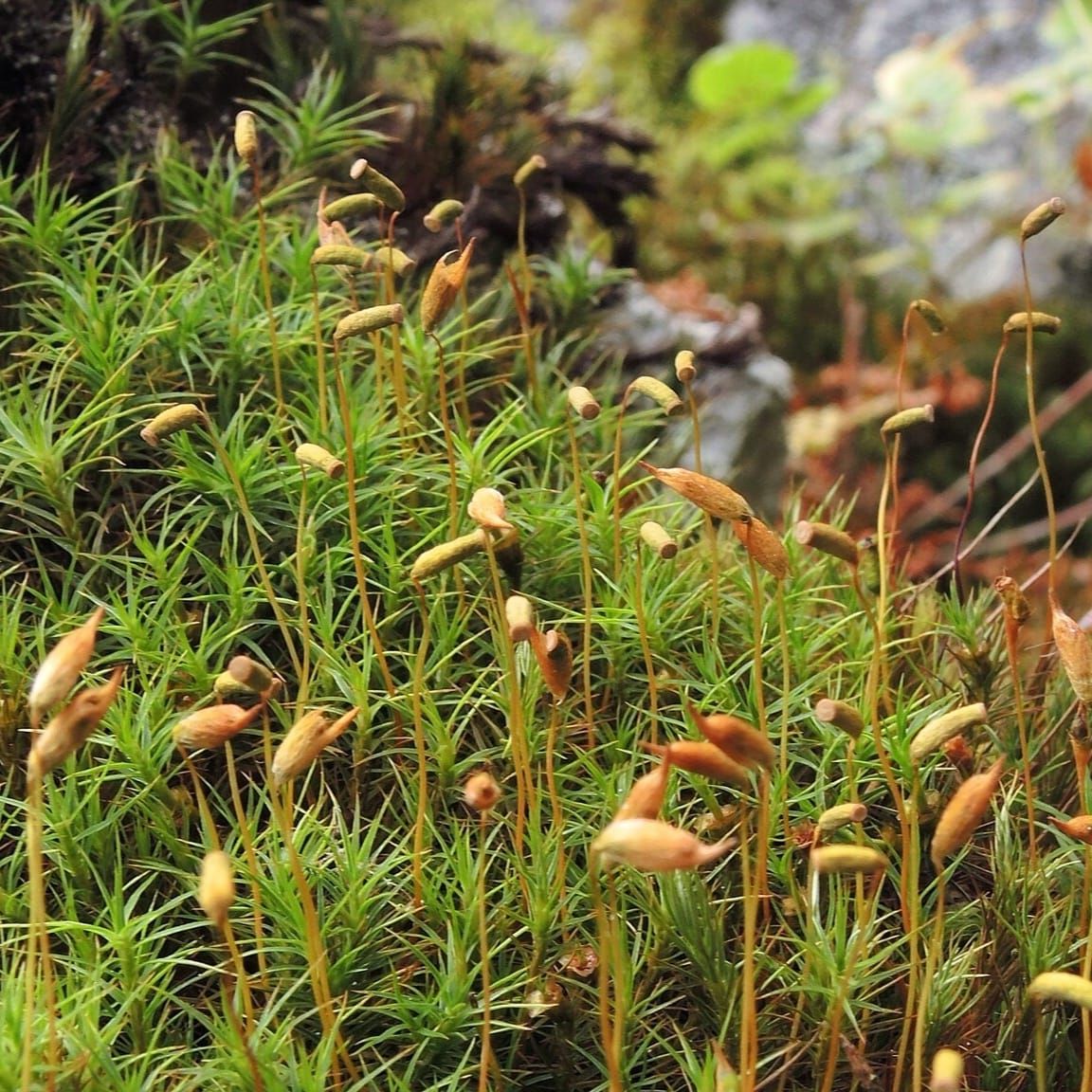
Researchers investigated the anticancer potential of extracts of Polytrichastrum alpinum, a moss widely distributed in cold regions of the planet, using canine mammary tumour cells as a model. The pharmacological interest in bryophytes has grown in recent years, since this group of plants produce a great diversity of secondary metabolites that remain little explored.
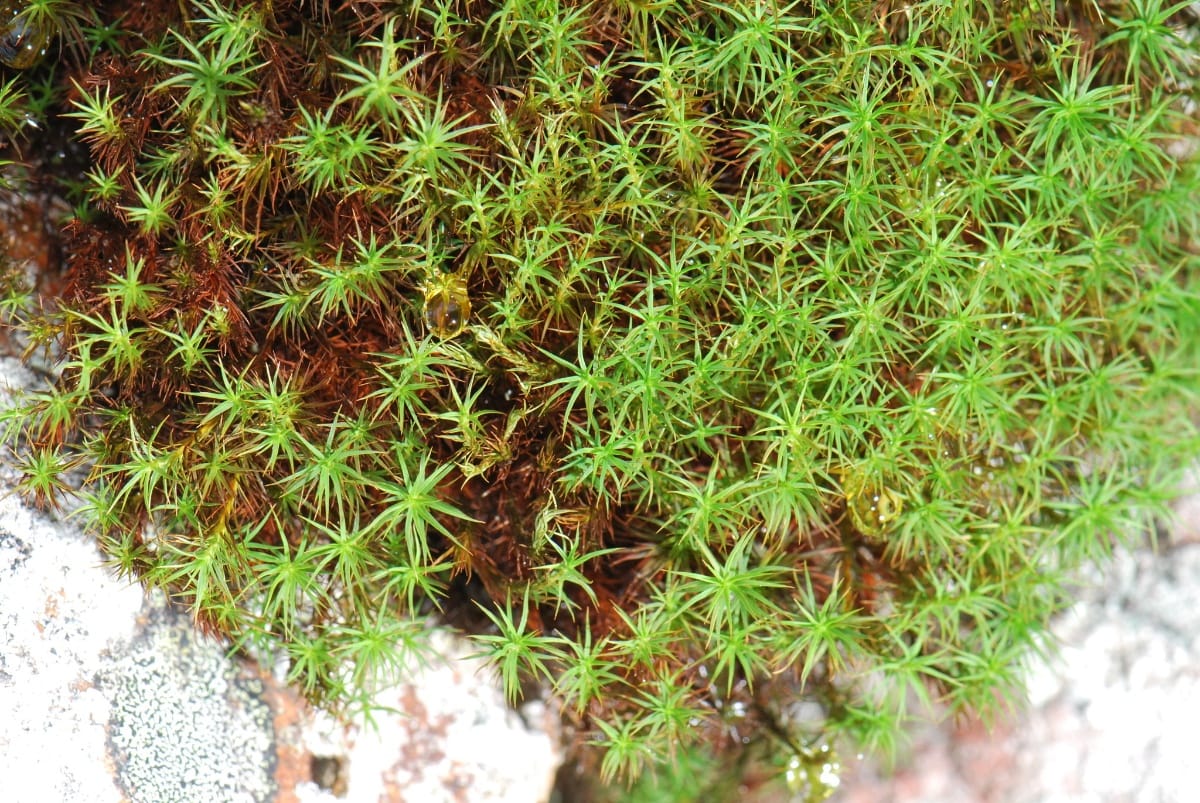
The tests revealed that the extract significantly reduced the viability of the tumour cells as well as their ability to form colonies, migrate, and invade new sites. In other words, in addition to limiting tumour growth, the treatment also affected characteristics associated with cancer progression and spread.
The researchers also observed that the extract altered the cell cycle and induced apoptosis, a process of programmed cell death considered one of the main mechanisms for eliminating cancer cells. This response was confirmed by different experimental approaches, which demonstrated the activation of caspase-3 and its cleaved form, classic markers of the apoptotic pathway.
A particularly promising aspect of the study was the comparison between tumour cells and non-tumour canine epithelial cells. Although the extract was also tested on healthy cells, these proved less sensitive to the treatment, suggesting a certain degree of selectivity towards cancer cells. This feature is especially relevant in the search for new antitumour compounds, since many conventional treatments affect healthy and tumour cells indiscriminately.
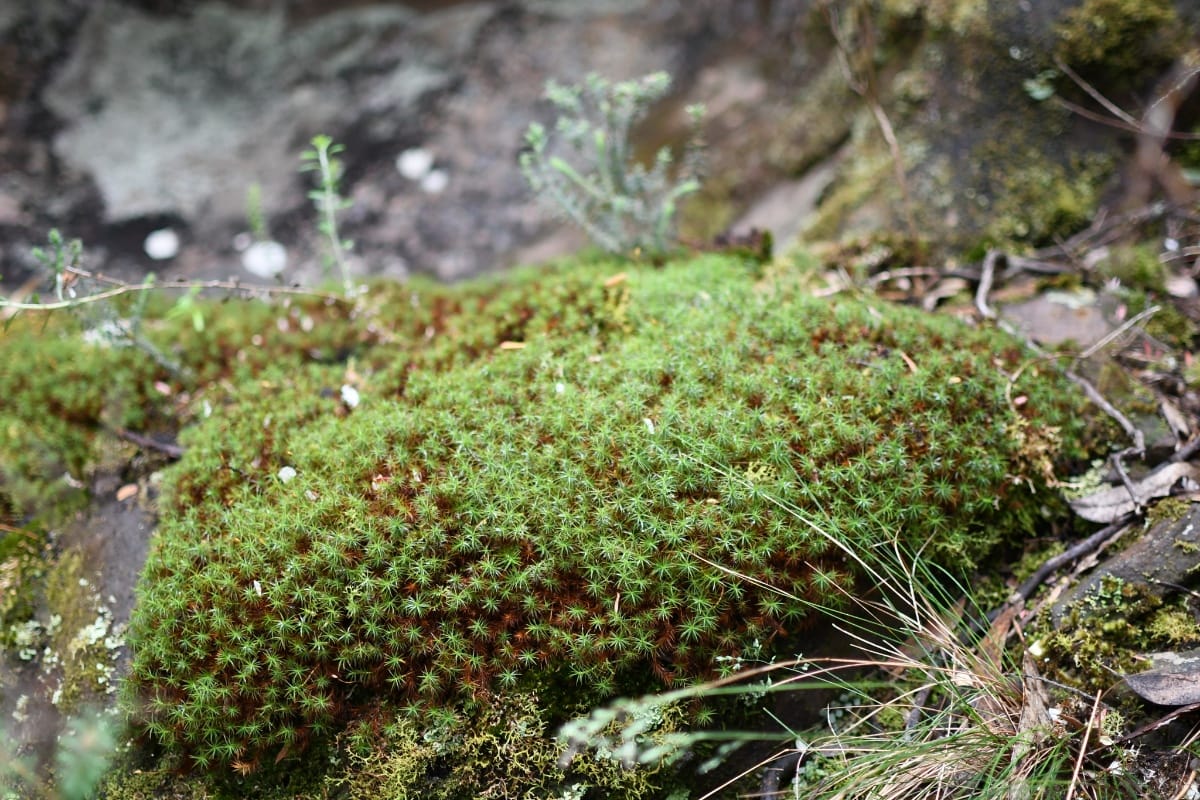
In addition to its antiproliferative effect, the extract significantly reduced the tumour cells’ ability to migrate and invade new environments, two fundamental characteristics of the metastasis process. In the experiments carried out, the treated cells showed a reduced ability to cross experimental barriers, suggesting that compounds present in the extract may interfere with important steps of cancer dissemination to other tissues.
These findings from canine mammary glands are particularly relevant to dog health because mammary tumours are among the most frequent in female dogs and remain an important therapeutic challenge. At the same time, the study reinforces the potential of extreme environments as sources of novel bioactive molecules. Antarctic organisms are constantly exposed to intense cold, high radiation, and other environmental stresses, conditions that favour the evolution of unique chemical strategies.
Although the results are restricted to experiments performed in cell culture, they provide promising evidence that Polytrichastrum alpinum may harbour compounds with antitumour activity. The work reinforces an idea increasingly present in natural products research: some of the answers to complex medical challenges may be hidden in the most unlikely organisms.
READ THE ARTICLE:
Kim M, Lee H, Yang M, et al.. 2026. Polytrichastrum alpinum methanol extract induces cell cycle arrest and apoptosis in mammary tumor cells of companion dogs. Genes & Genomics. https://doi.org/10.1007/s13258-026-01780-w
Portuguese translation by Pablo O. Santos.
Cover picture by michael-lueth (iNaturalist, CC BY-NC 4.0).