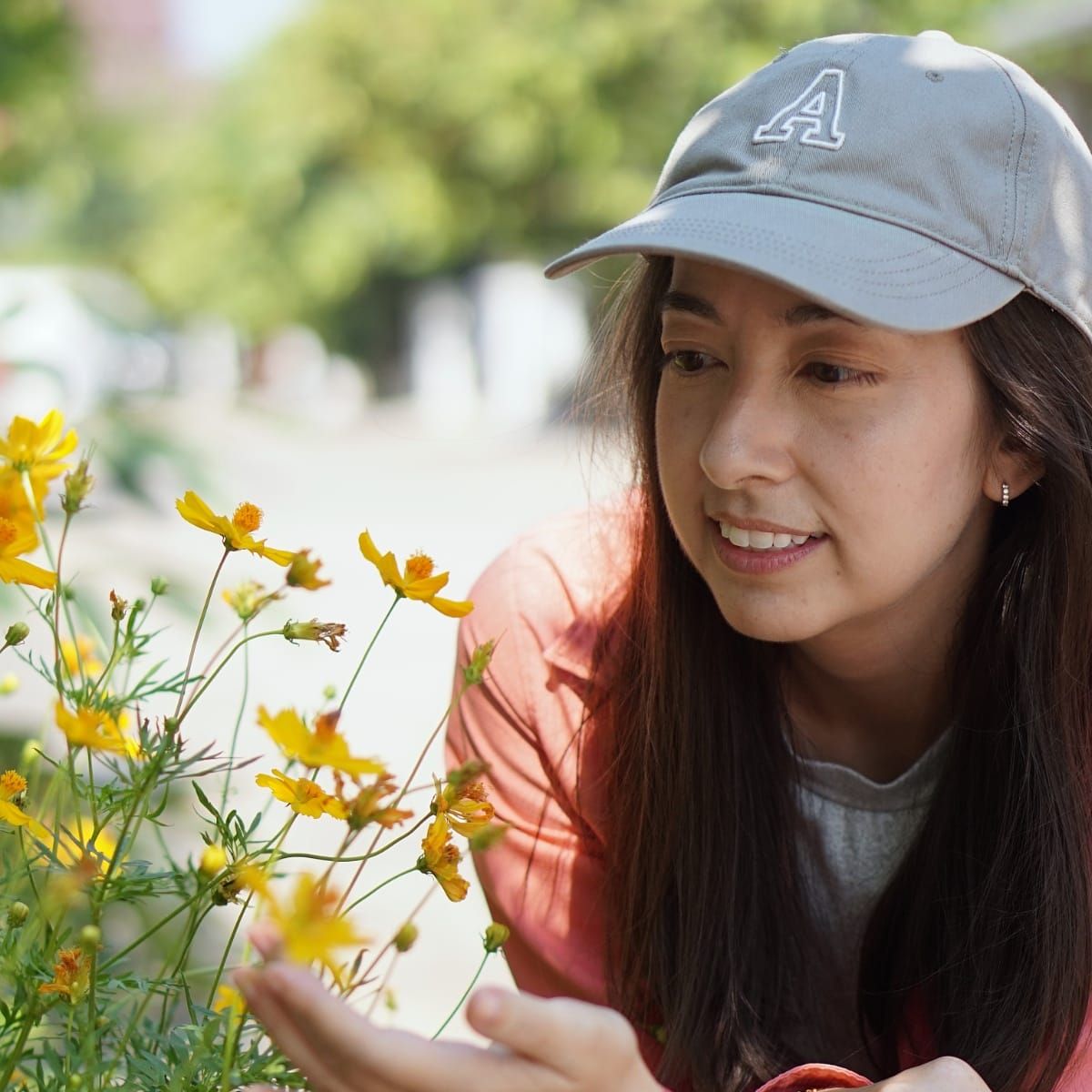

Plants are incredibly diverse, and so are botanists! In its mission to spread fascinating stories about the plant world, Botany One also introduces you to the scientists behind these great stories.
Today, we have Dr Alyssa Stewart, an ecologist in the Department of Plant Science at Mahidol University, Thailand. Her research focuses on plant–pollinator interactions, especially their importance for plant and pollinator conservation.
Based in Thailand, Stewart works with a wide range of tropical species, including rare and endangered plants such as paleotropical morning glories and mangroves, as well as regionally important crops such as durian and guava. She also studies diverse pollinators, from bees and butterflies to bats and birds, across forests, farms and cities.
What made you become interested in plants?
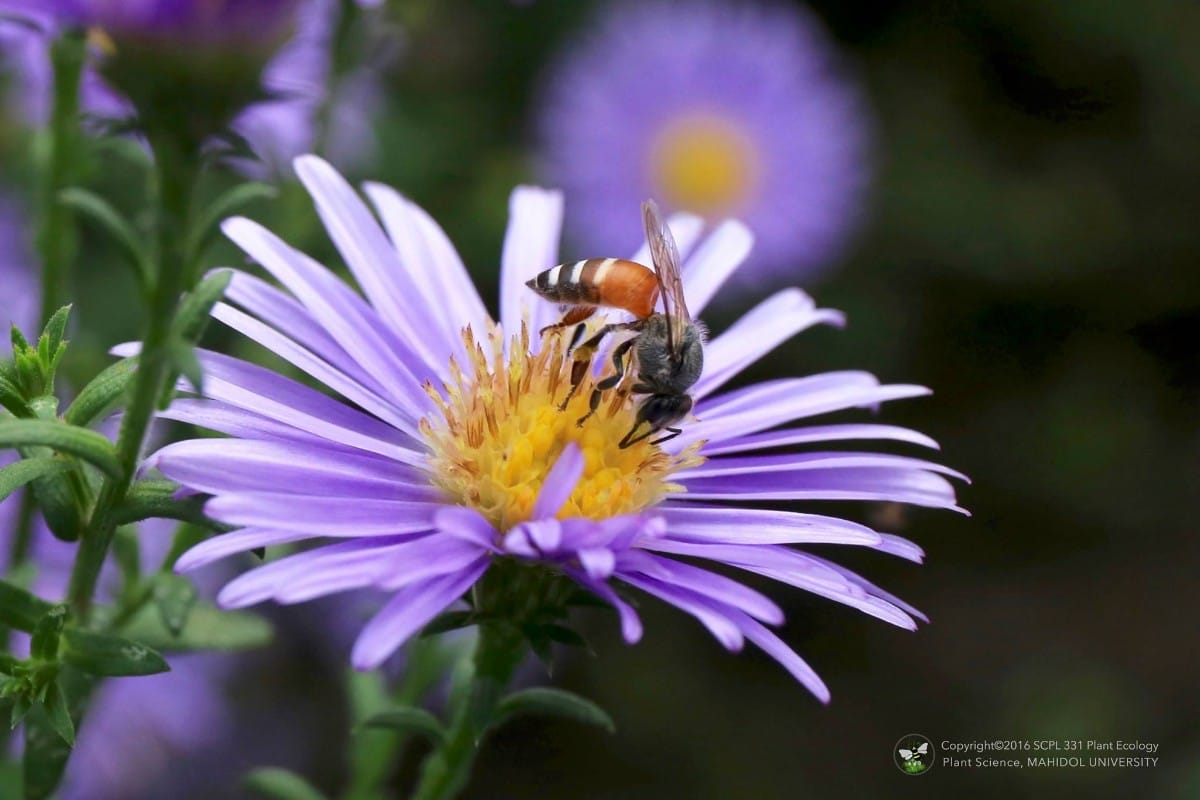
I have always loved being outside and observing nature, but I was initially far more interested in animals! I interned at a lab studying bats, and I then became interested in the nectarivorous bats that pollinate flowers. From then on, my interest in plants has only continued to grow the more I study them. Plants are so diverse, and their interactions with pollinators are so diverse, which makes them really fun to study, and I am constantly excited by new research questions.
What motivated you to pursue your current area of research?
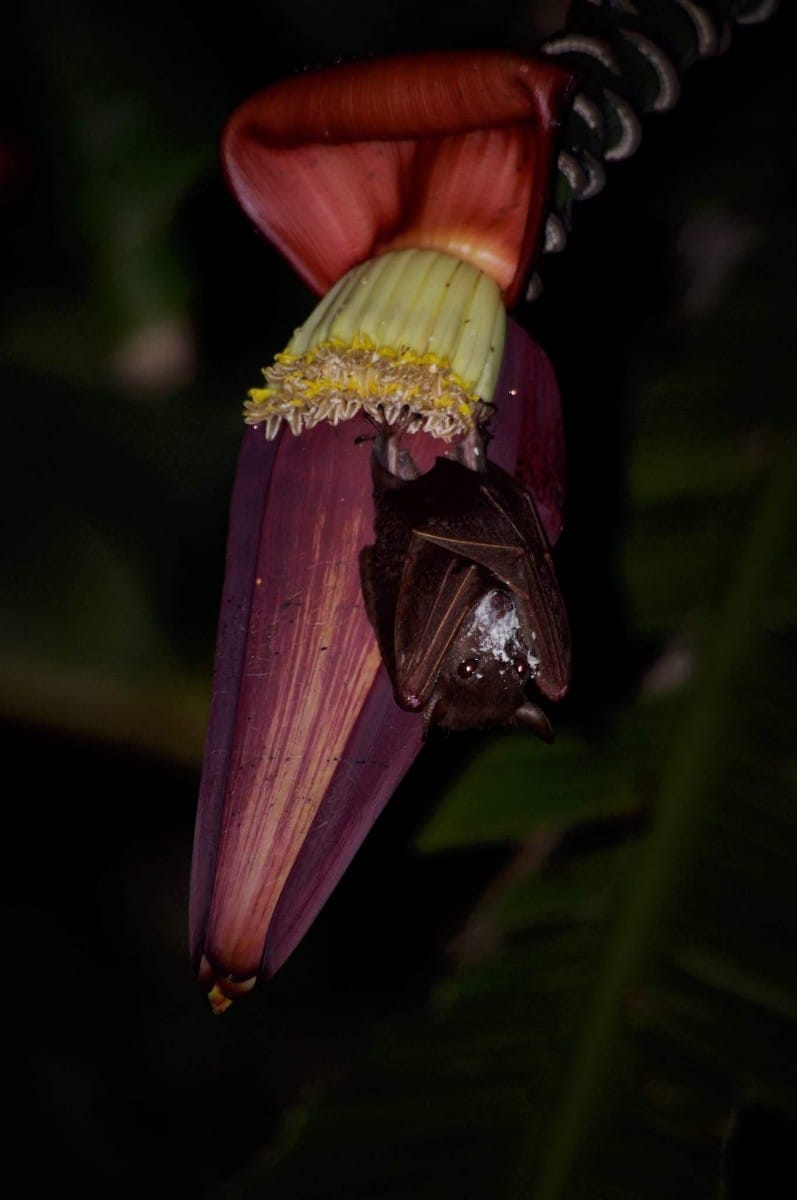
A lot of my research is driven by conservation concerns. Who are the pollinators of this endangered plant species? How does herbicide use affect wild plant diversity? Which pollinator species are most affected by urbanisation and agricultural intensification? How are invasive plant species changing local plant-pollinator interactions? I find it very rewarding, not only to conduct research on these topics, but to work with students who are passionate about biodiversity and conservation.
What is your favourite part of your work related to plants?
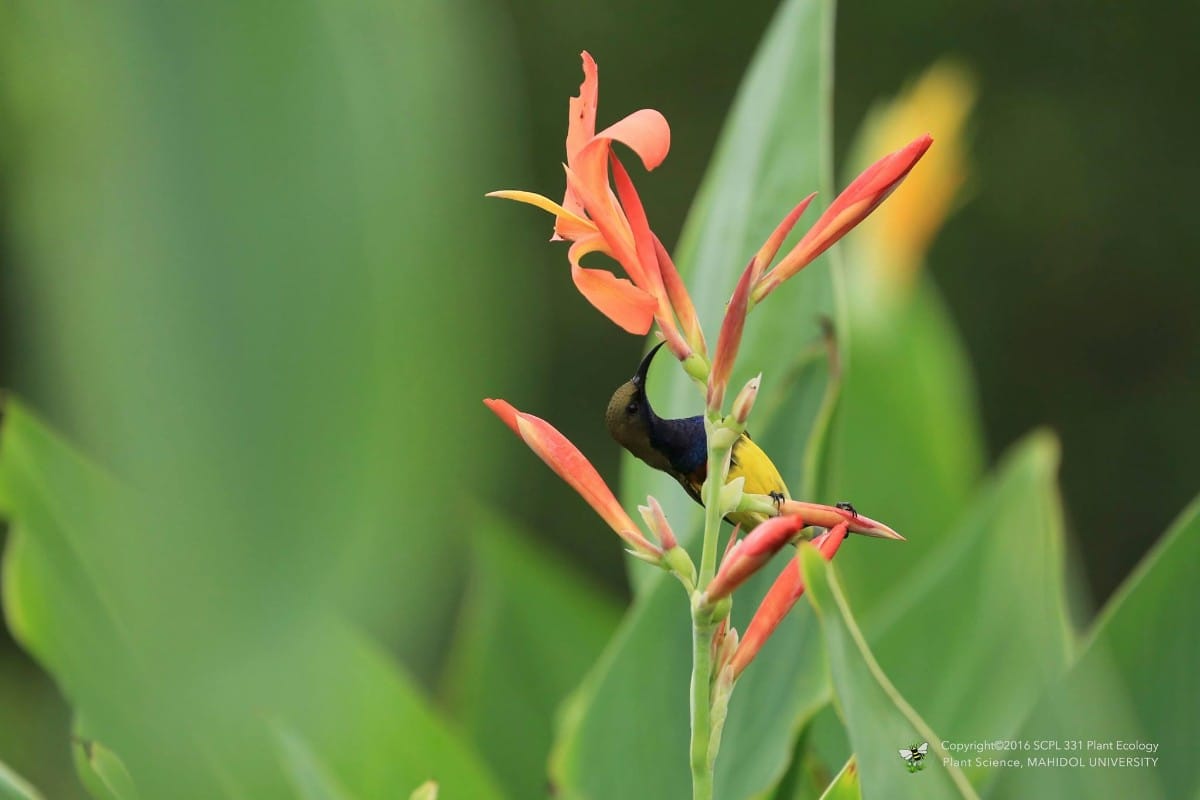
I love being outside in nature and observing something exciting that I’ve never seen before. For example, Ipomoea hederifolia is an exotic plant species in Thailand that has delicate, red, tubular flowers and is native to the neotropics, where it is pollinated by hummingbirds. In Thailand, we don’t have hummingbirds, but we do have sunbirds, which perch when feeding because they aren’t able to hover the way that hummingbirds can. So bird-pollinated species in the paleotropics have evolved large, sturdy flowers to support the weight of these non-hovering birds. But my students recently documented sunbirds attempting to hover at delicate Ipomoea hederifolia flowers! They weren’t very good at it and could only hover for a couple of seconds, but it amazed me because I had never seen sunbirds attempting to hover before.
Could you share an experience or anecdote from your work that has marked your career and reaffirmed your fascination with plants?
I had one particularly memorable experience before I even started my PhD. A good friend of mine was studying Oroxylum indicum for her Masters, and she discovered that the floral stigma can distinguish between conspecific and heterospecific pollen. The stigma has 2 lobes that close together after pollen is deposited on the lobes, and if the pollen is conspecific the lobes stay closed, but if the pollen is heterospecific the lobes reopen to wait for another pollinator to bring conspecific pollen!
What advice would you give young scientists considering a career in plant biology?
Come work in the tropics! I’m kidding, because there’s obviously still so much to be learned about plants all over the world. But I’m also serious in encouraging young scientists from tropical areas to study their local flora. Tropical areas harbour so much biodiversity and yet these regions are highly understudied compared to temperate areas. It’s also a really fun region to work in because there’s a new discovery to be made around every corner!
What do people usually get wrong about plants?
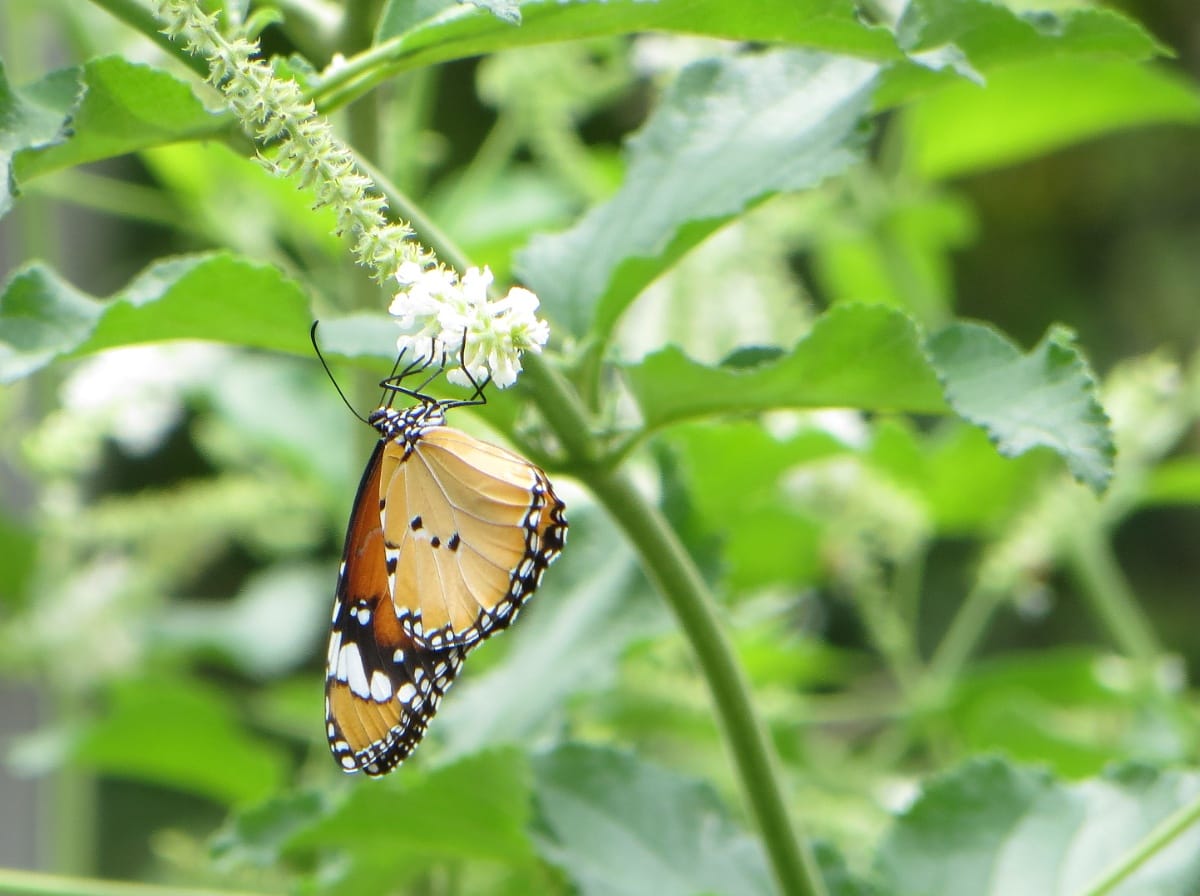
That all plants are pollinated by bees. Many plant species rely on other types of pollinators (e.g., flies, butterflies, beetles, birds, bats, moths, etc.), and some plant species can self-pollinate and do not need pollinators at all!
Cover picture by Tom Stewart