Everything that begins well must, alas, come to an end. And as June draws to a close, so too does our month dedicated to Digital Botany, with the final articles in the series published today.
But do not despair. From Tuesday, we shall return to our usual schedule of excellent articles and fascinating stories from the world of botany.
Below, we share the latest Botany One stories, botanical news, conversations from Mastodon and Bluesky, as well as career postings. You can also try your hand at this week's Sudoku Garden or Plant Hunt and learn more about Sphagnum palustre, this week's Plant of the Week.
Please note these are not jobs I am offering. Nor can I help you with any visa requirements. At time of writing there are around 100 other jobs posted at Botany One.
The Department of Plant Physiology (Umeå University, Umeå Plant Science Centre, Sweden) invites applicants for a postdoctoral scholarship in plant science. The expected starting date is November 2026 or according to agreement (latest possible starting date: 15 April 2027).
Soils host most of the world’s biodiversity and deliver important ecosystem services, yet many soils are currently considered unhealthy. We are looking for a motivated candidate with a PhD in soil ecology or a related discipline.
In the EU‑SOB4ES project, samples have been collected and analysed over consecutive years for soil biodiversity and physicochemical parameters across a range of land‑use types and pedo‑climatic conditions in Europe. With your expertise in soil ecology and statistical analyses you will:
Analyse soil‑biodiversity patterns of microorganisms and fauna across time and space using the SOB4ES databases; Write scientific publications and present your research at conferences and scientific meetings; Make results accessible to a wider audience; and Mentor students and, where relevant, early‑career researchers.
Applications are invited for a fully-funded PhD in Forest Structural Assessment with the C-BioStock project, to be supervised by Dr Markus Eichhorn and Dr Ramiro Crego at UCC.
Forests in Ireland provide an economic return from timber and are also valuable for their contributions to biodiversity and climate change mitigation. C-BioStock is a DAFM-funded project which aims to capture the development of forest structure and composition across the harvesting cycle in Irish forestry estates. Production forests are typically managed in rotation with periodic clear-felling. The C-BioStock project will evaluate changes in forest structure, biodiversity and carbon across the felling cycle to increase understanding of their development and inform management approaches to achieve complementary outcomes. This will be achieved through surveys of chronosequences (different aged stands) and continuous monitoring to capture change in structure and biodiversity (vegetation, birds and soil). Production stands will also be compared to native woodlands to evaluate trade-offs in land cover decision-making.
University College Cork
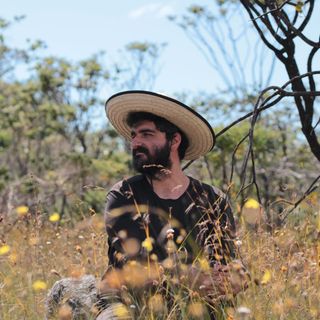
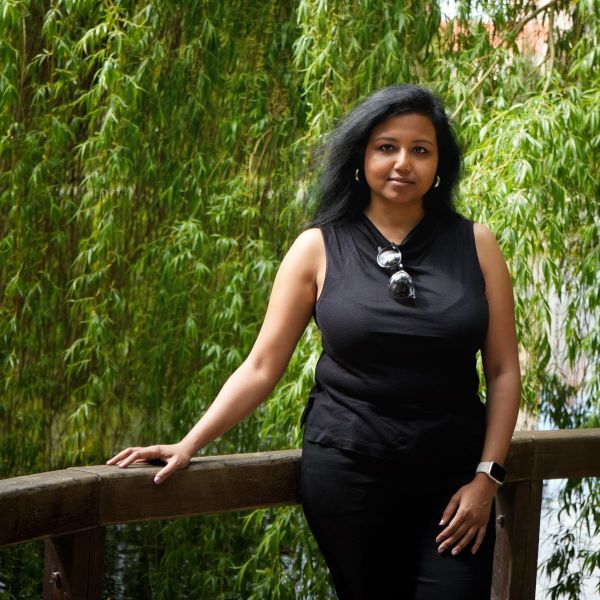
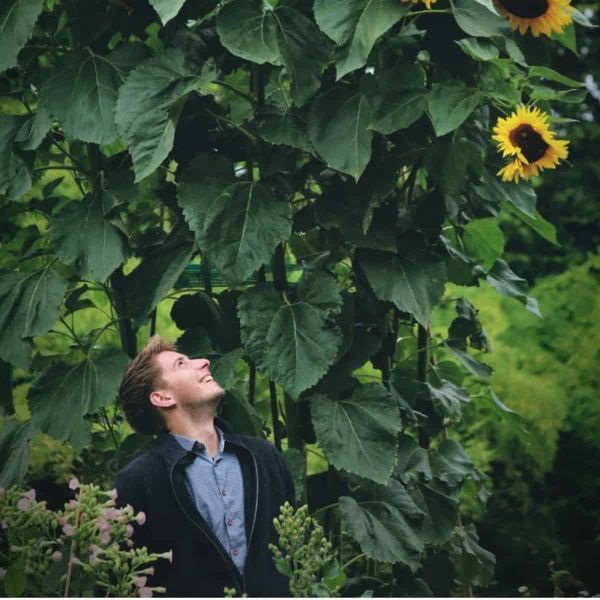
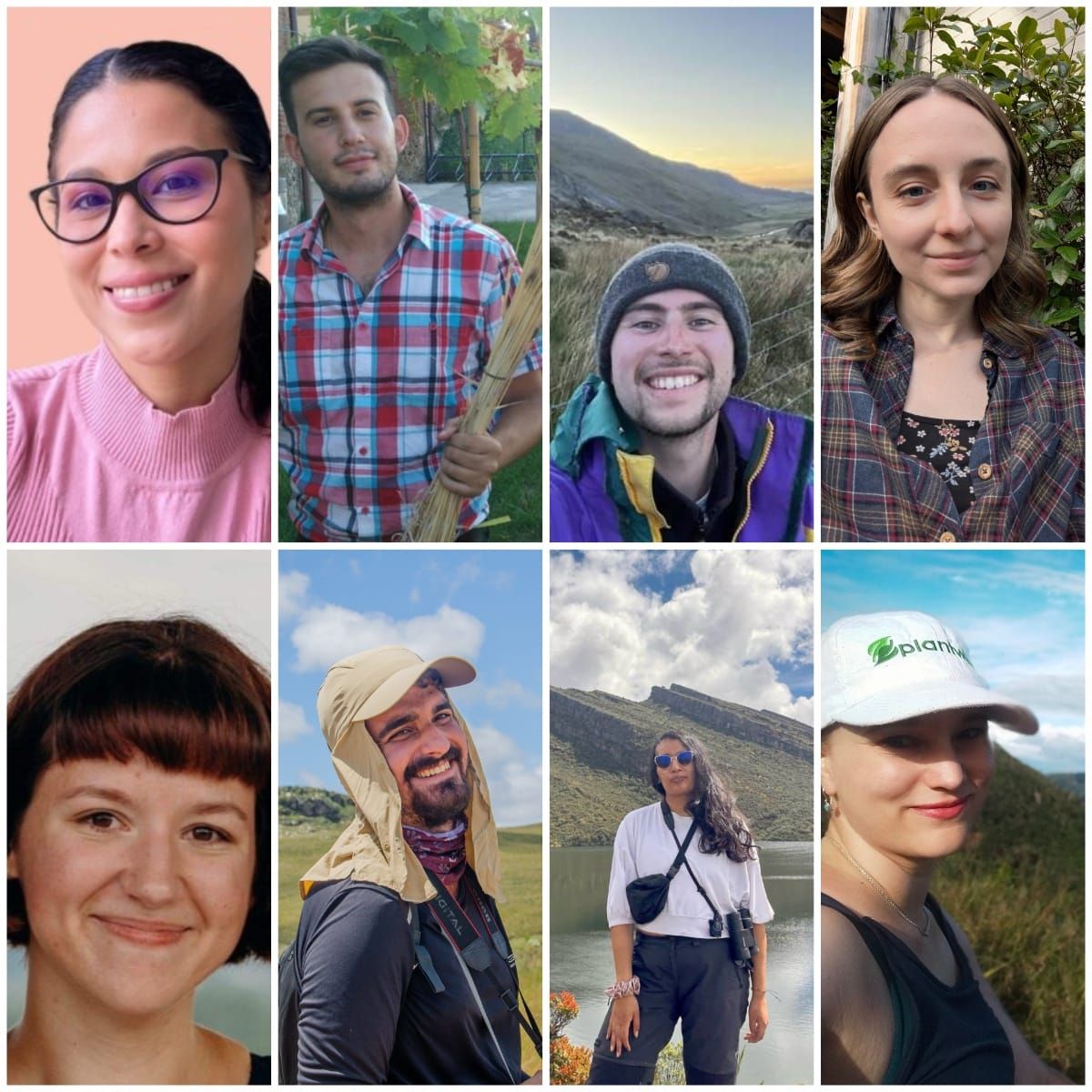
Cover Image: Writer of Botany One's Focus Issue on Digital Botany. From the top left to the right: Ana Valladares, Filippo Guzzon, Ben Carson, Magda Upton, (second row) Alisa Abramovich, Carlos A. Ordóñez-Parra, Erika Alejandra Chaves-Diaz and Juniper Kiss. Sources: the authors.
Carlos (he/him) is a Colombian PhD candidate at Universidade Federal de Minas Gerais (Brazil). He works as an Editor at Botany One and a Communications Officer at the International Society for Seed Science. Follow him at @caordonezparra.bksy.social.

 Magda Upton
 Juniper Kiss
 Erika Alejandra Chaves-Diaz
 Erika Alejandra Chaves-Diaz
 Victor H. D. Silva
 Carlos A. Ordóñez-Parra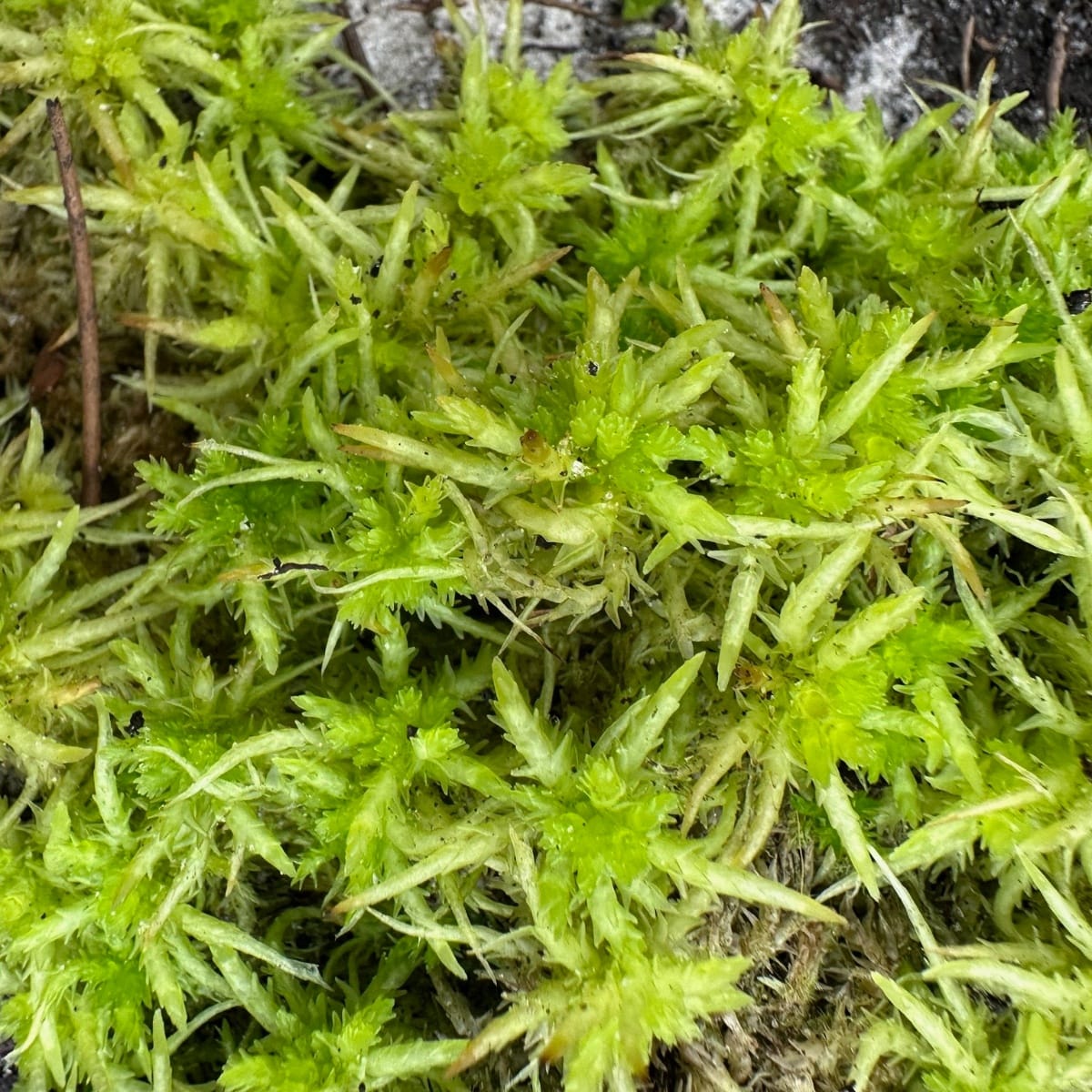
 umu.se
 knaw.nl
 University College Cork