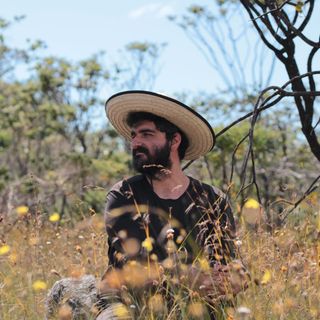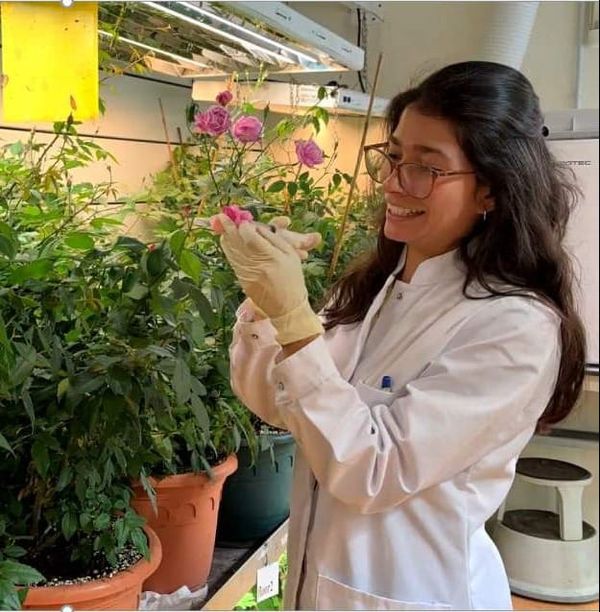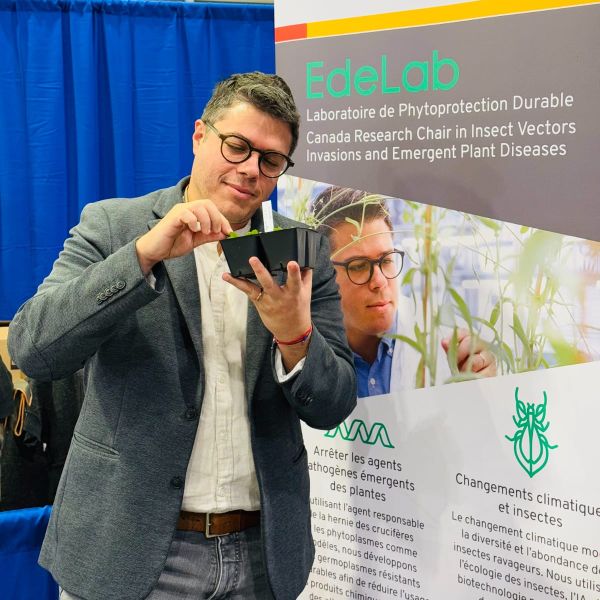

Plants are incredibly diverse, and so are botanists! In its mission to spread fascinating stories about the plant world, Botany One also introduces you to the scientists behind these great stories.
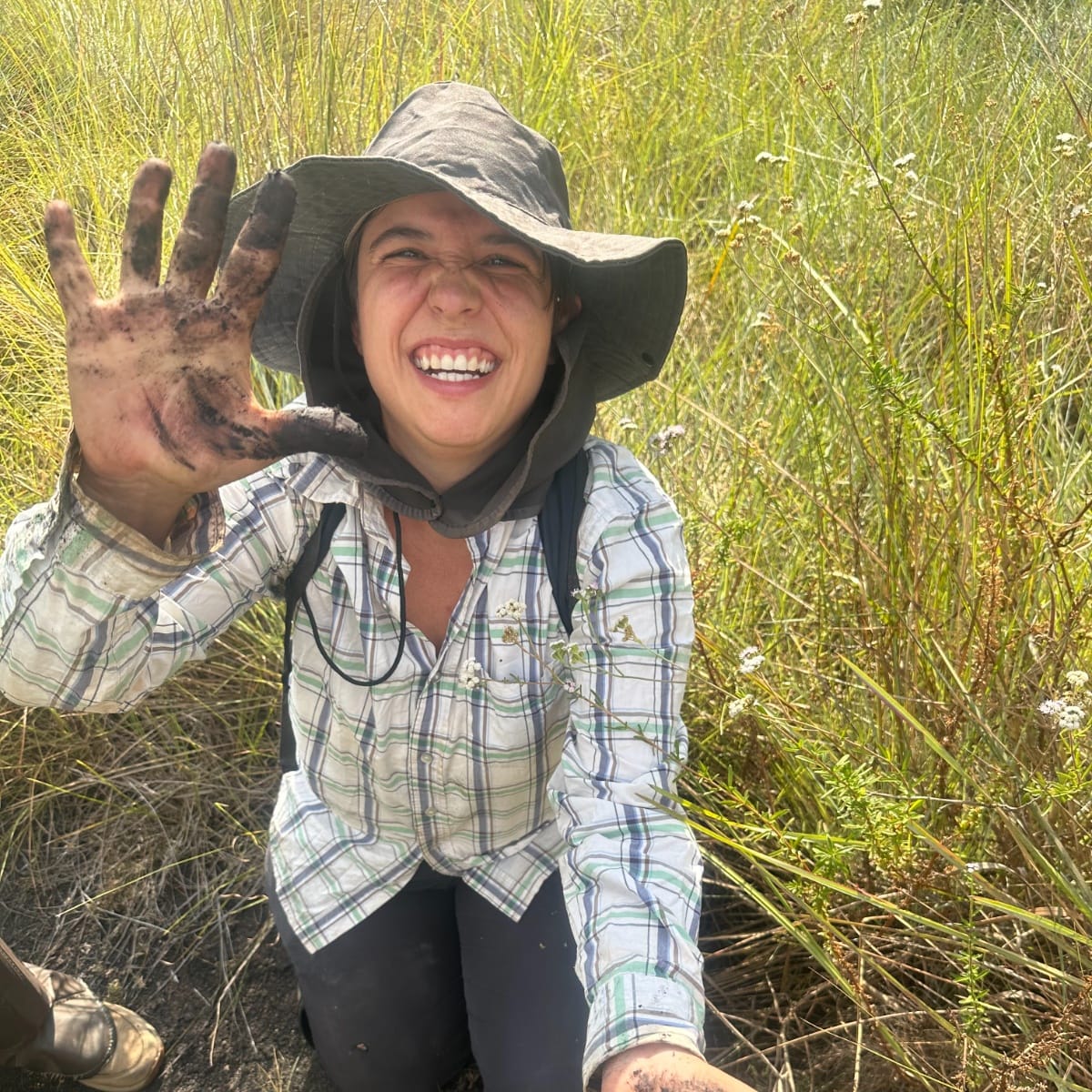
Today, we have Larissa Verona, a Brazilian biologist with a master’s degree in Plant Biology from the Universidade Estadual de Campinas, Brazil. Her research has explored different aspects of Cerrado vegetation ecology, with a particular interest in wetland functioning and carbon dynamics. She is currently expanding this work to better understand tropical wetland ecosystems and support their conservation and restoration.
You can read a recent Botany One post about Verona's research here.
What made you become interested in plants?
Plants are the main organisms that connect life to the physical environment. Through them, energy enters ecosystems in the form of organic compounds, linking major cycles such as carbon, water, oxygen, and nutrients. I find this role fascinating, especially because plants have evolved incredible strategies to cope with a wide range of environmental conditions.
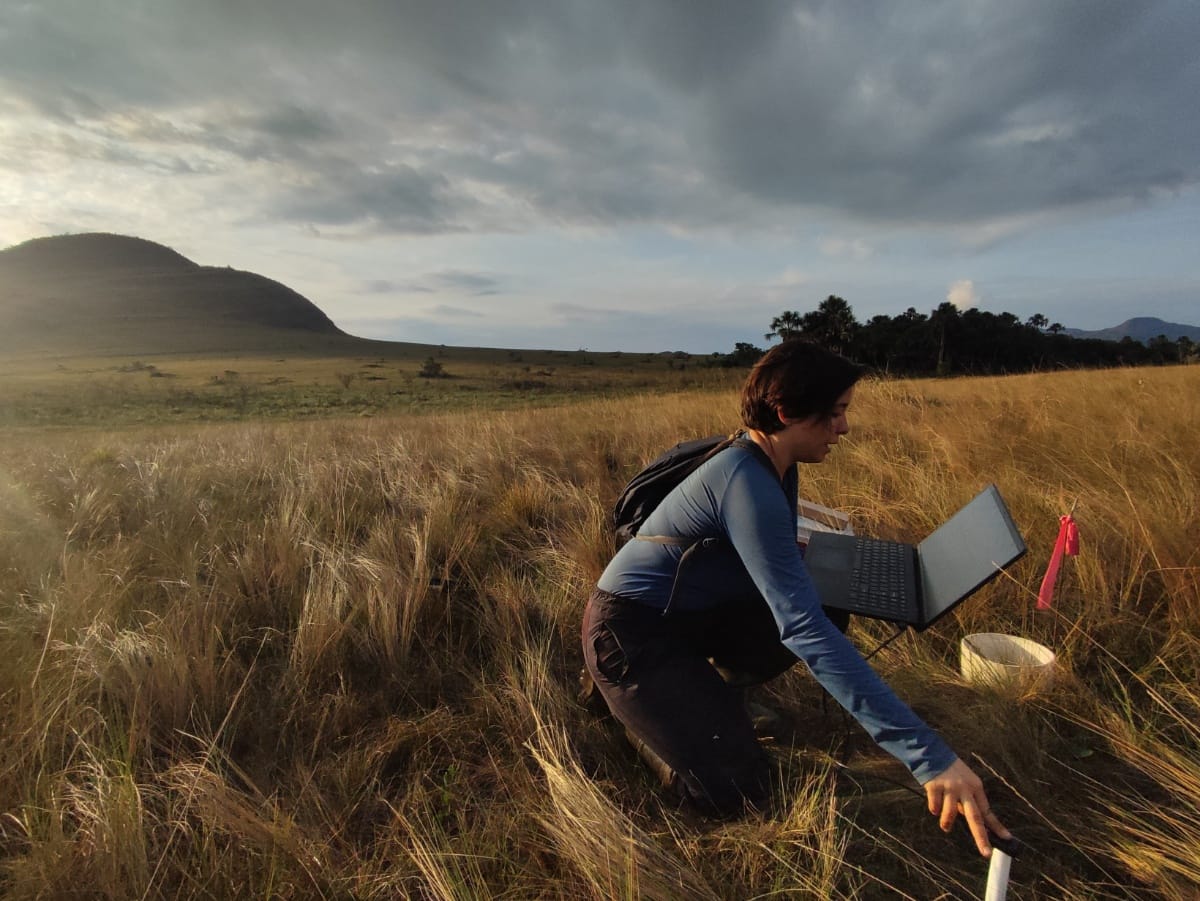
What motivated you to pursue your current area of research?
I have always been interested in the connections between the physical and biological worlds, which is why ecosystem ecology felt like a natural path for my career. At the same time, although I am curious about many areas of natural science, the urgency of environmental challenges has motivated me to focus on research with direct implications for conservation and climate change mitigation. By studying carbon dynamics in wetlands, I can contribute to a better understanding of global carbon cycling while also helping to build stronger arguments for protecting ecosystems that are essential for both biodiversity and human communities.
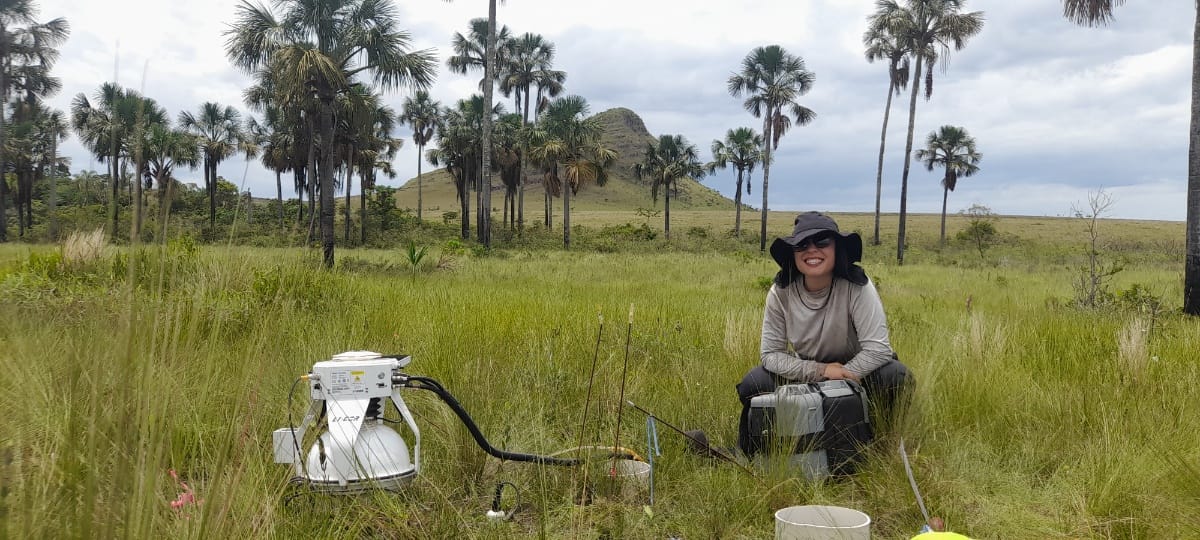
What is your favourite part of your work related to plants?
Being constantly surprised by how plant biology and their diverse strategies regulate carbon fluxes between the biosphere and the atmosphere.
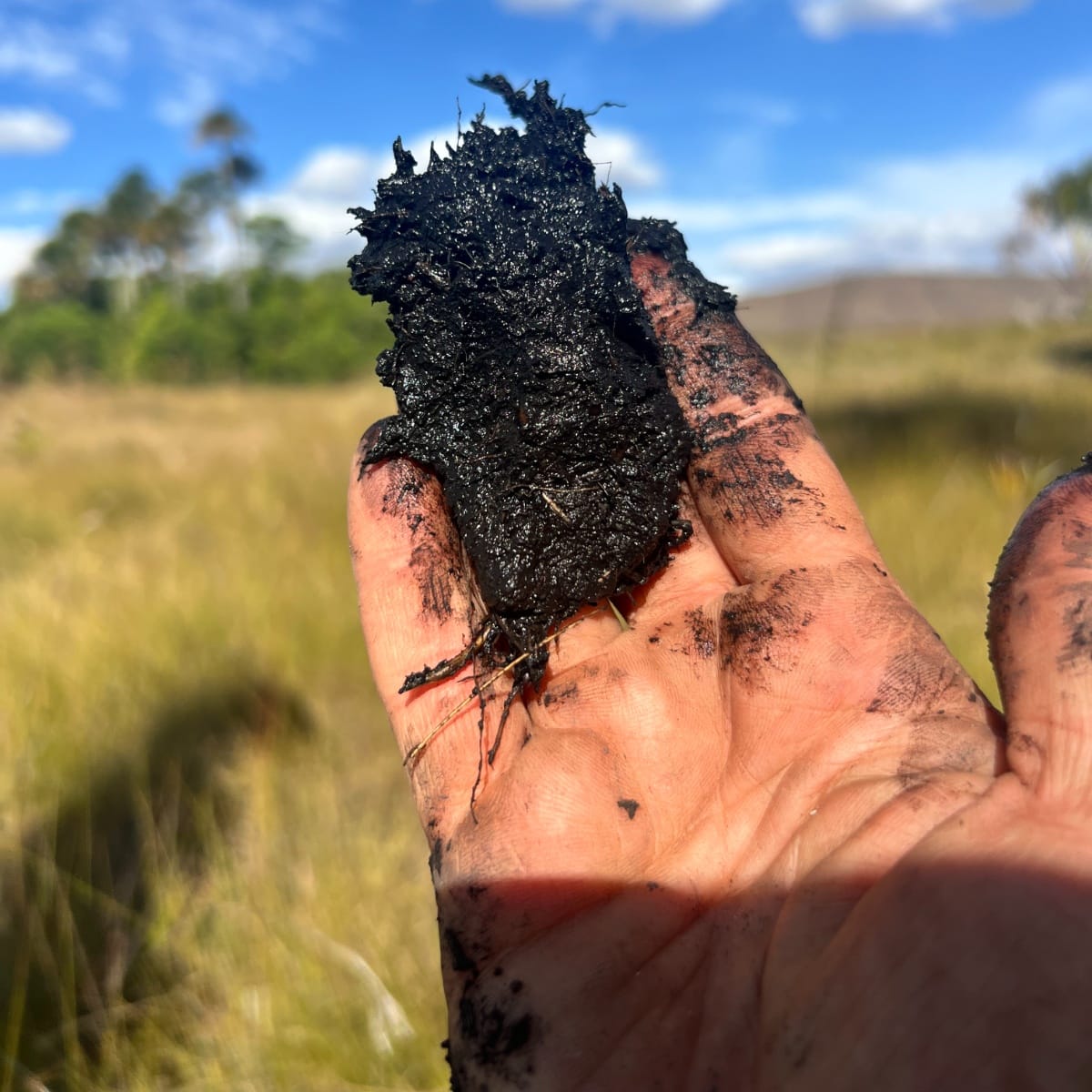
Are there any specific plants or species that have intrigued or inspired your research? If so, what are they and why?
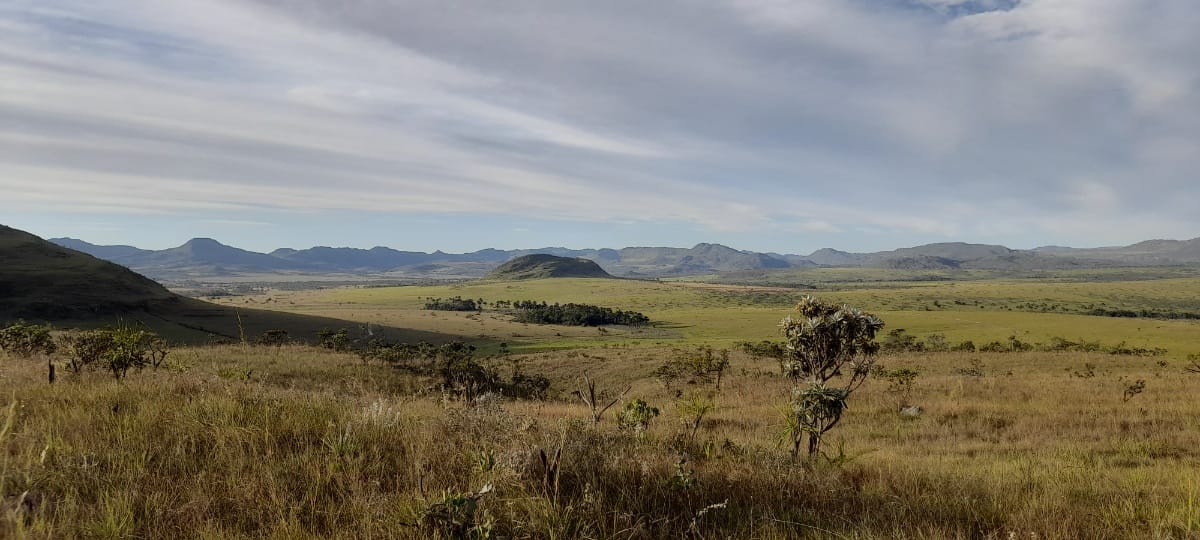
My research does not focus on a specific group of plants, but I am particularly inspired by Cerrado grasses and small herbaceous species. They often receive less attention because they are not as visually striking as large rainforest trees. However, when we look more closely at their biology, we discover remarkable biodiversity and a wide range of strategies to cope with drought, fire, and low nutrient availability. They are impressive!
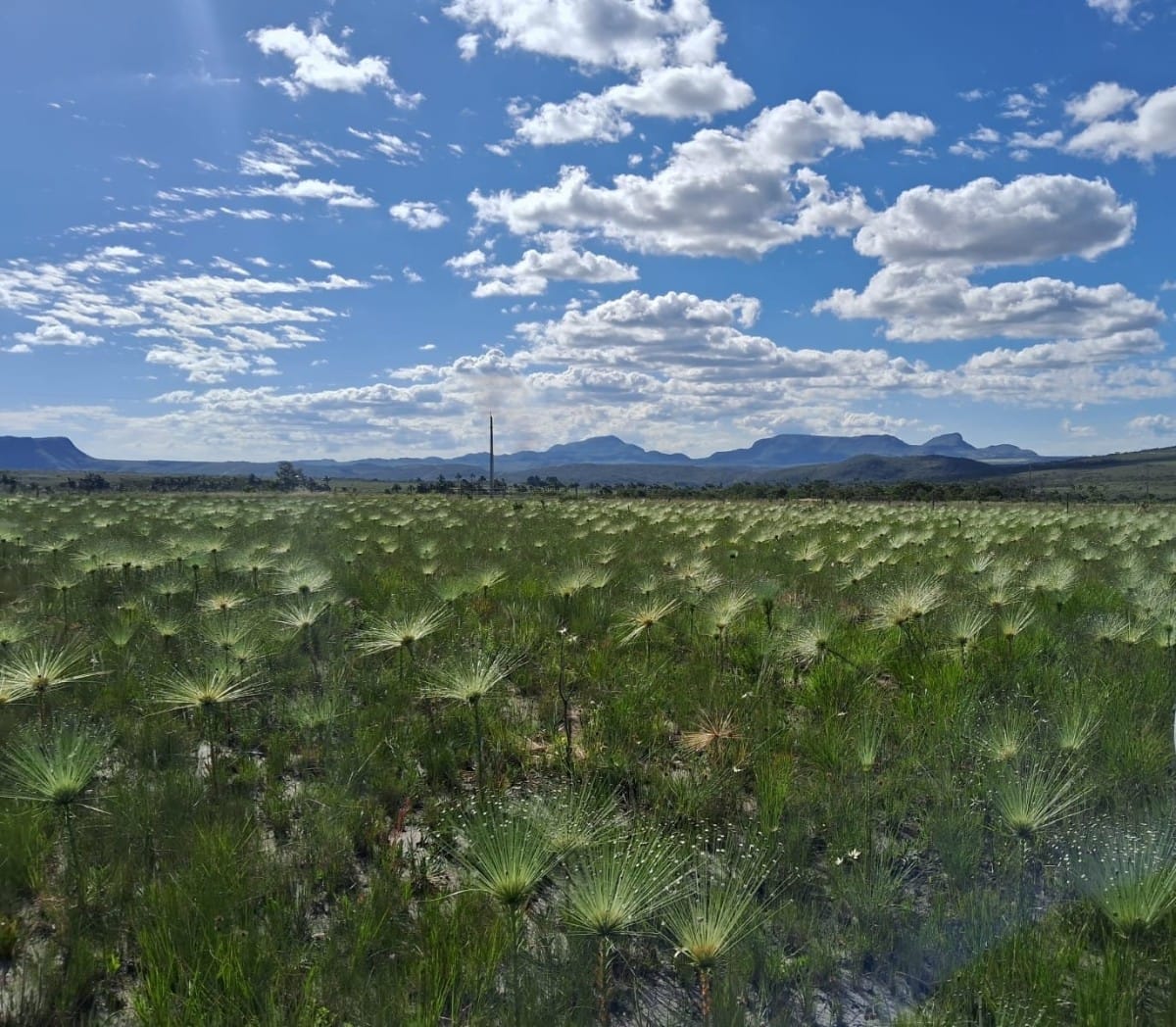
Could you share an experience or anecdote from your work that has marked your career and reaffirmed your fascination with plants?
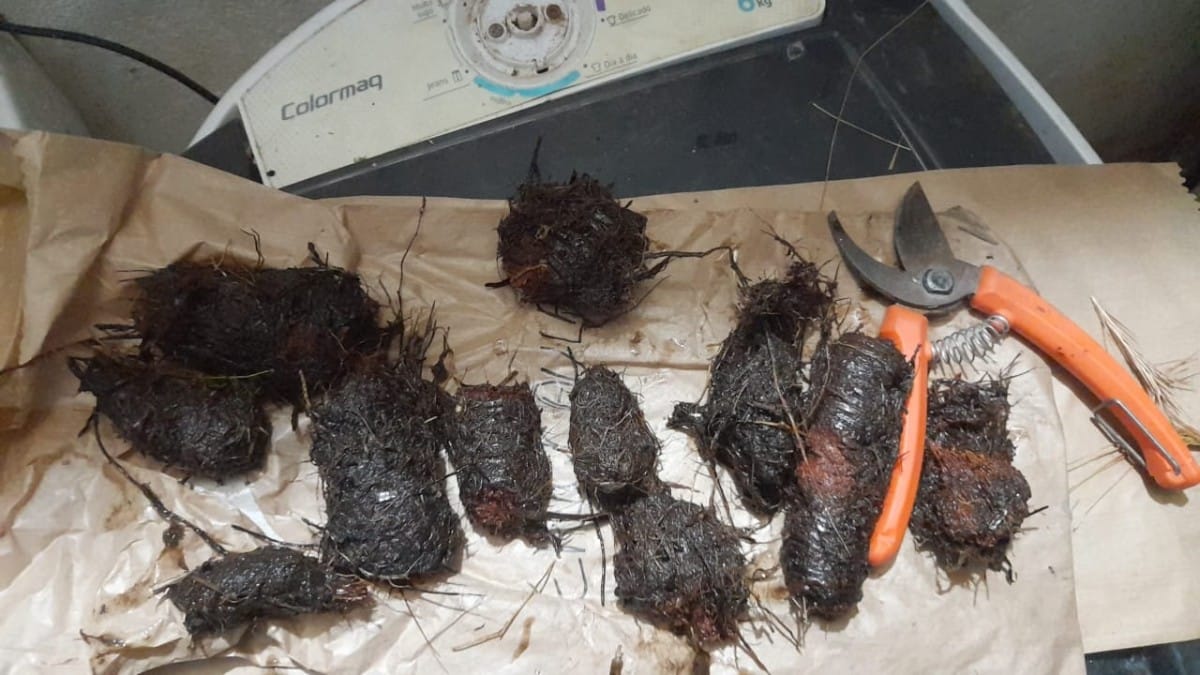
A few years ago, during an aboveground biomass sampling campaign in a wetland, we came across an enormous underground structure that looked like a carrot. It was completely unexpected. In the Cerrado, many underground structures are adaptations for resprouting after fire, but wetlands do not burn as frequently, so this finding really surprised us. Discovering such a structure during physically demanding fieldwork made us reflect on the complexity of plant adaptations, especially those we still do not fully understand. It pushed us to look more closely at the species that dominate these ecosystems and to ask new questions about the trade-offs in the Cerrado, particularly between adaptations to prolonged drought and to flooded conditions in areas that can be very close to each other.
What advice would you give young scientists considering a career in plant biology?
Allow yourself to be surprised by the natural world and to feel genuinely passionate about it. Seeing the world through the lens of evolution and life makes both our work and our daily lives far more meaningful and fascinating. Don’t lose that sense of wonder. A scientific career can be challenging, but it is also deeply rewarding and fun!
What do people usually get wrong about plants?
Because plants have a very different way of life from ours, people often assume they are passive. In reality, plants have evolved remarkable strategies to respond to their environment. They actively interact with and connect the biosphere, atmosphere, hydrosphere, and lithosphere, playing a central role in how Earth’s systems function.
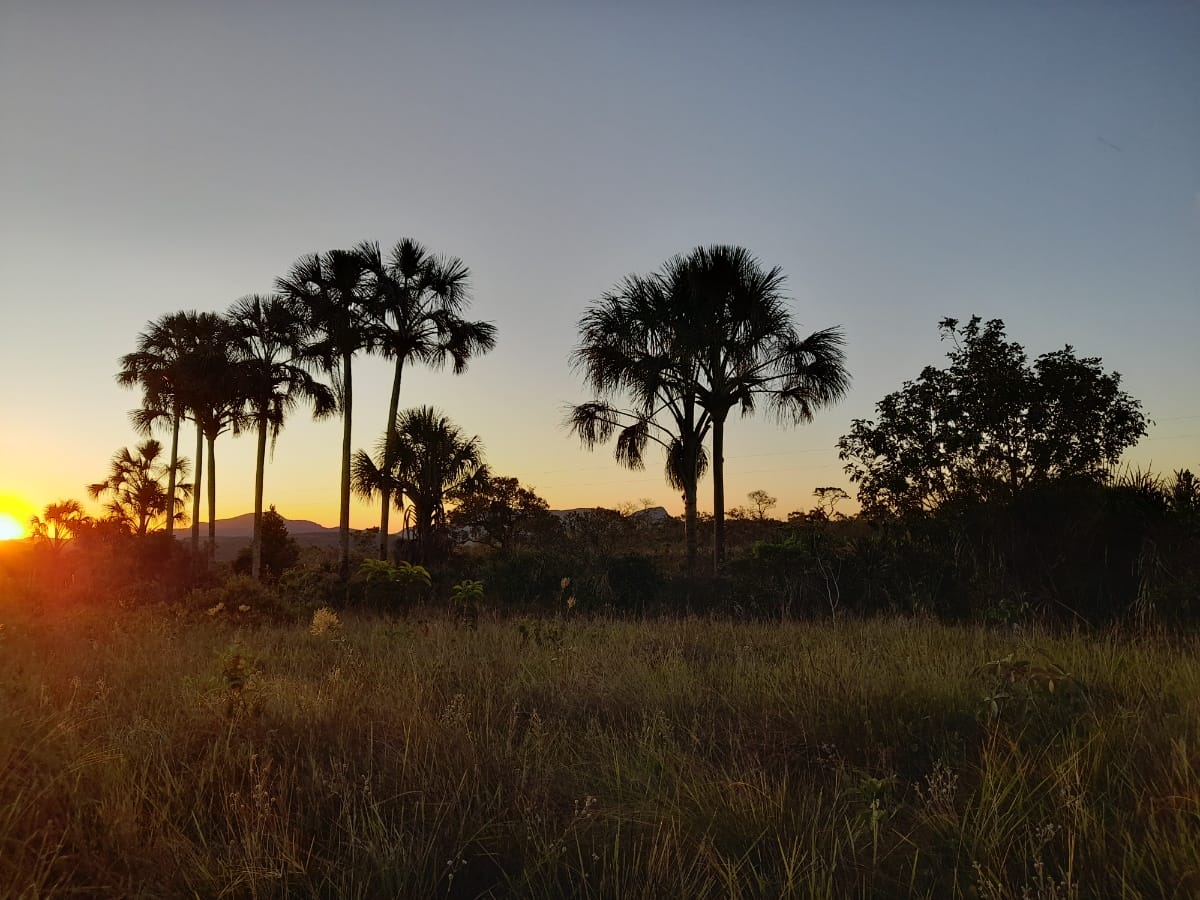
Cover picture by Diego Padilla (Instituto Serrapilheira).