
Dearest TWiB Readers,
We hope you're enjoying our featured articles on Digital Botany. Week 3 has just been published and Week 4 starts today, when we'll be showcasing digital botany in applied settings. Our first article of the week is an "Interview with Bob Allkin about Name Games: How to Untangle the Web of Plant Names and Uses?" by Magda Upton. This article explores the complications that arise when a plant species has different common names and how scientists can respectfully and effectively work with these discrepancies.
Another interview with "María Susana Sánchez Chávez on EDGE, data and conserving Pinus culminicola on the ground in Mexico" will follow on Tuesday, and finally on Friday we explore "How Your iNaturalist Photos Feed the Digital Botany Revolution".
Below, we share the latest Botany One stories, botanical news, conversations from Mastodon and Bluesky as well as career postings. You can also try your hand at a solstice themed Sudoku Garden and this week the Plant Hunt is based in Asia.
Until next time,
Sarah (webmaster@botany.one)
On Botany One
Digital Botany Focus Issue Week 3:
 Alisa Abramovich
 Alisa Abramovich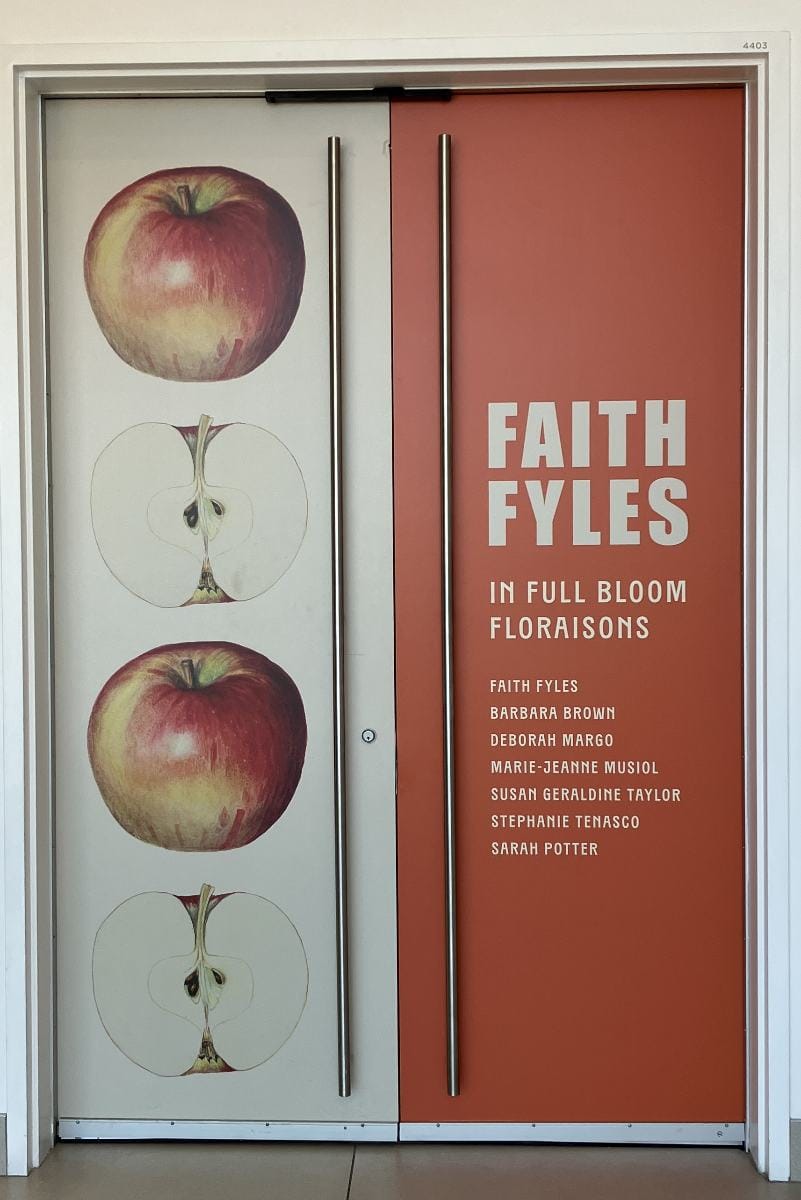
 Ana Valladares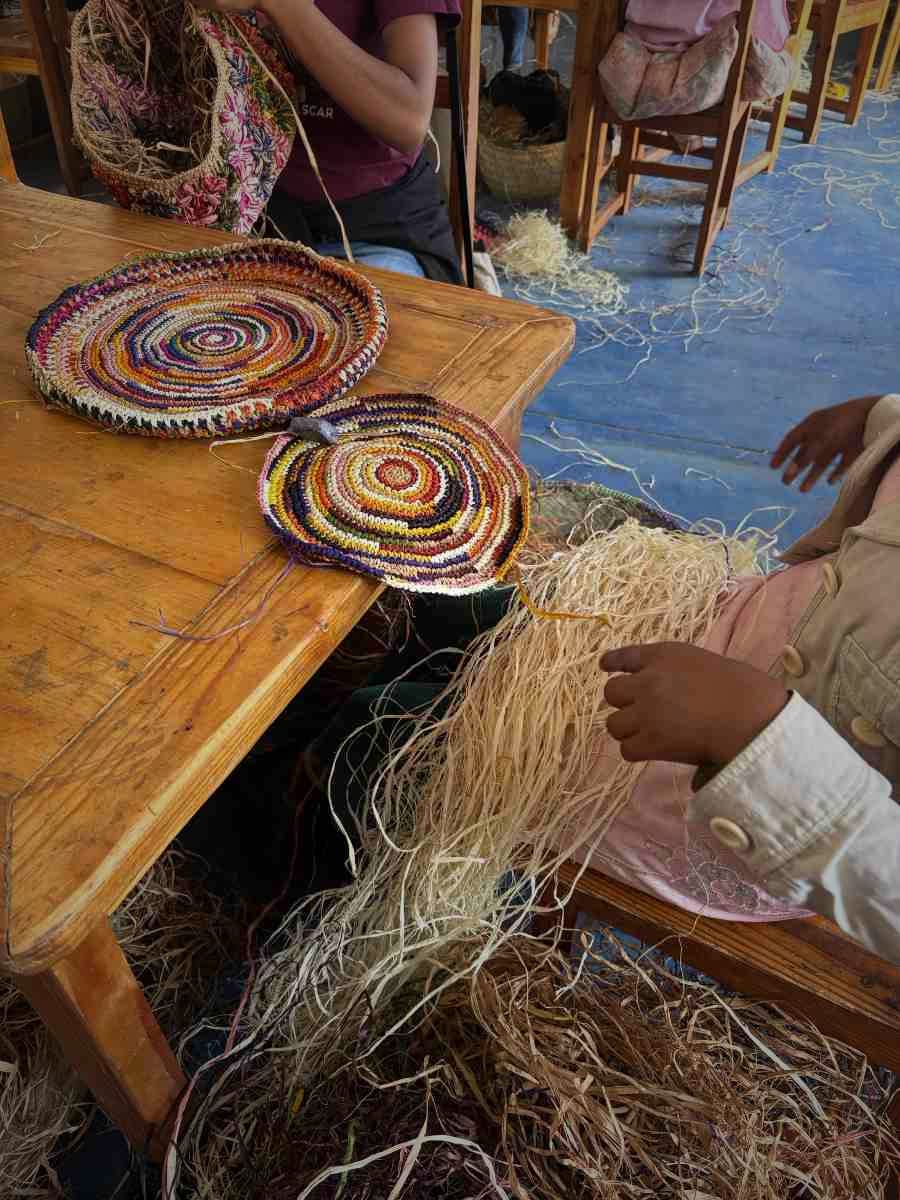
Regular Featured Article:
 Erika Alejandra Chaves-Diaz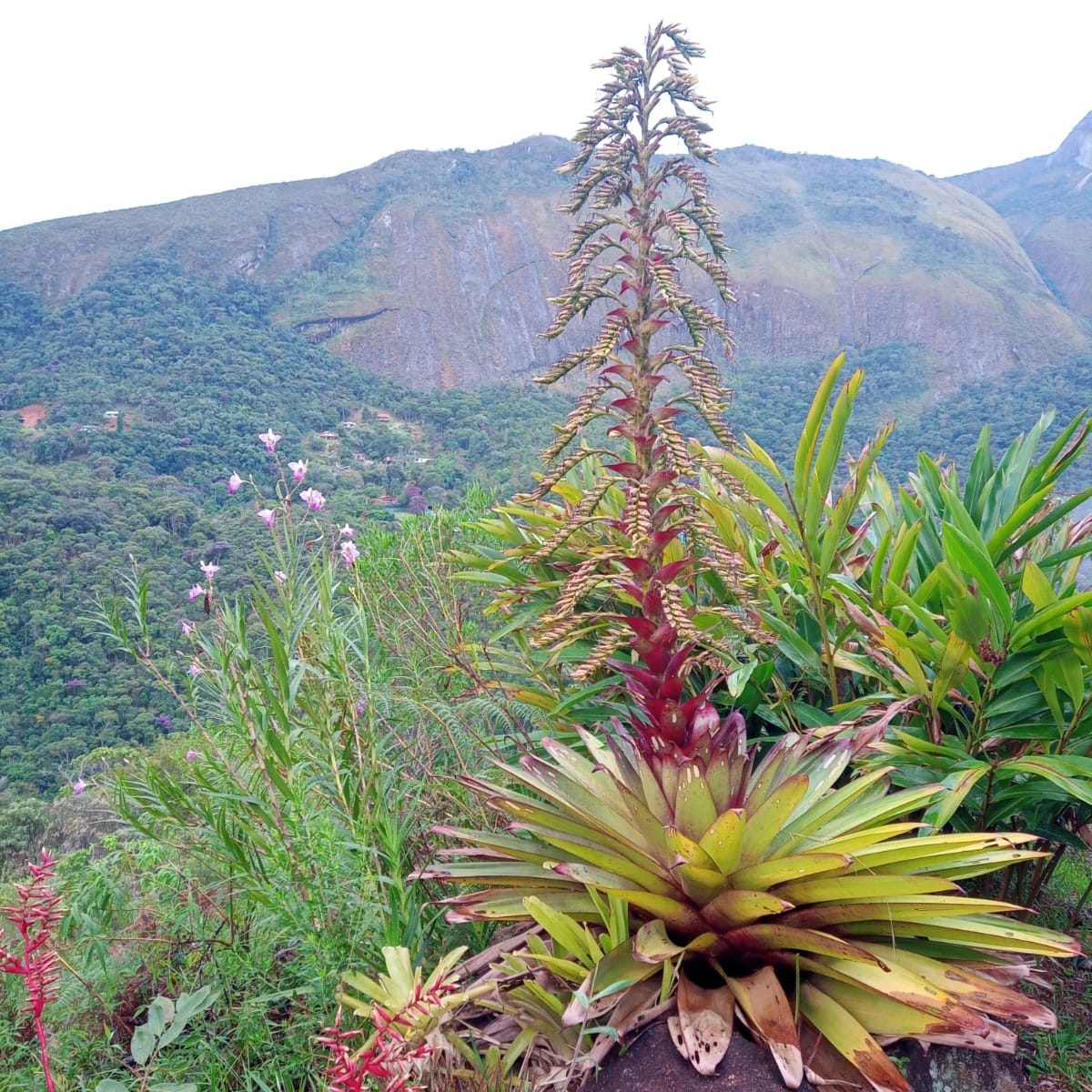
Plant of the Week:
 Sarah Covshoff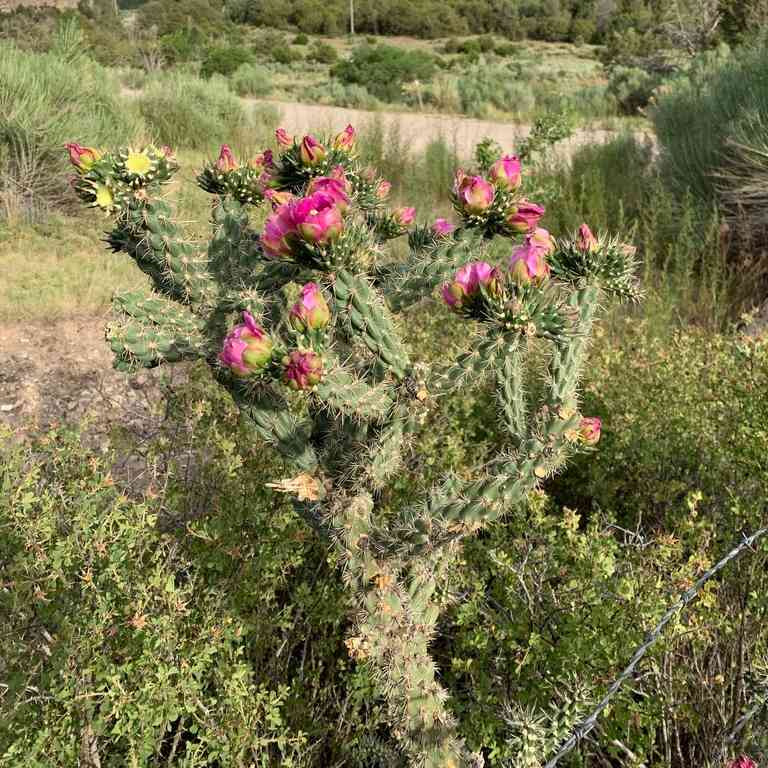
There was also last week's Week in Botany, with Week 2 of Digital Botany, the effect of changing climate on state flowers and insects as well as secret photosynthesis inside seeds.
In AoBC Publications
- How much cross-sectional area is needed to estimate vessel traits in tropical tree branches? 🆓
- Integrated LC/MS-MS approaches reveal toxicity differences across seed layers of Cycas angulata 🆓
- A tale of three morphs: Nectar, reproductive compatibility, and morph abundance explain reproductive success within a polymorphic ginger from Western Ghats, India 🆓
News & Views
A bonanza for fans of the natural world: the digital library sharing 64m pages of scientific knowledge with everyone
The Biodiversity Heritage Library is an invaluable online archive of historic texts on species living and lost supplied by the world’s leading museums and universities. Now its future is in doubt
theguardian.com
Exploring the Rich History of Plant Science
In 1682, the first known microscopic depiction of pollen appeared in Nehemiah Grew’s Anatomy of Plants. Grew, now known as the “Father of Plant Anatomy,” revolutionized botanical science with his s…
blog.biodiversitylibrary.org
Beer microbiologist's orchid hobby helping document rare species in Frankston
Robert Mitchell's interest in rare orchids in the area around Frankston results in him naming three and penning a research paper.
abc.net.au
Science Shared
Three botany papers widely shared on Bluesky this past week were:
- The digital biodiversity revolution 🆓
Antonelli et al. · New Phytologist - Integrated analysis of fossils and molecular divergence time estimates a latest Jurassic origin of angiosperms 🆓
Wu et al. · Nature Plants - Imaging Double Fertilization in Maize 🆓
Calhau et al. · bioRxiv
You can see the top 20 with more details at Science Shared: June 20.
Careers on Bluesky
Please note these are not jobs I am offering. Nor can I help you with any visa requirements. At time of writing there are around 100 other jobs posted at Botany One.
 INRAE Jobs
 uni-koeln.de
 rbge.org.uk
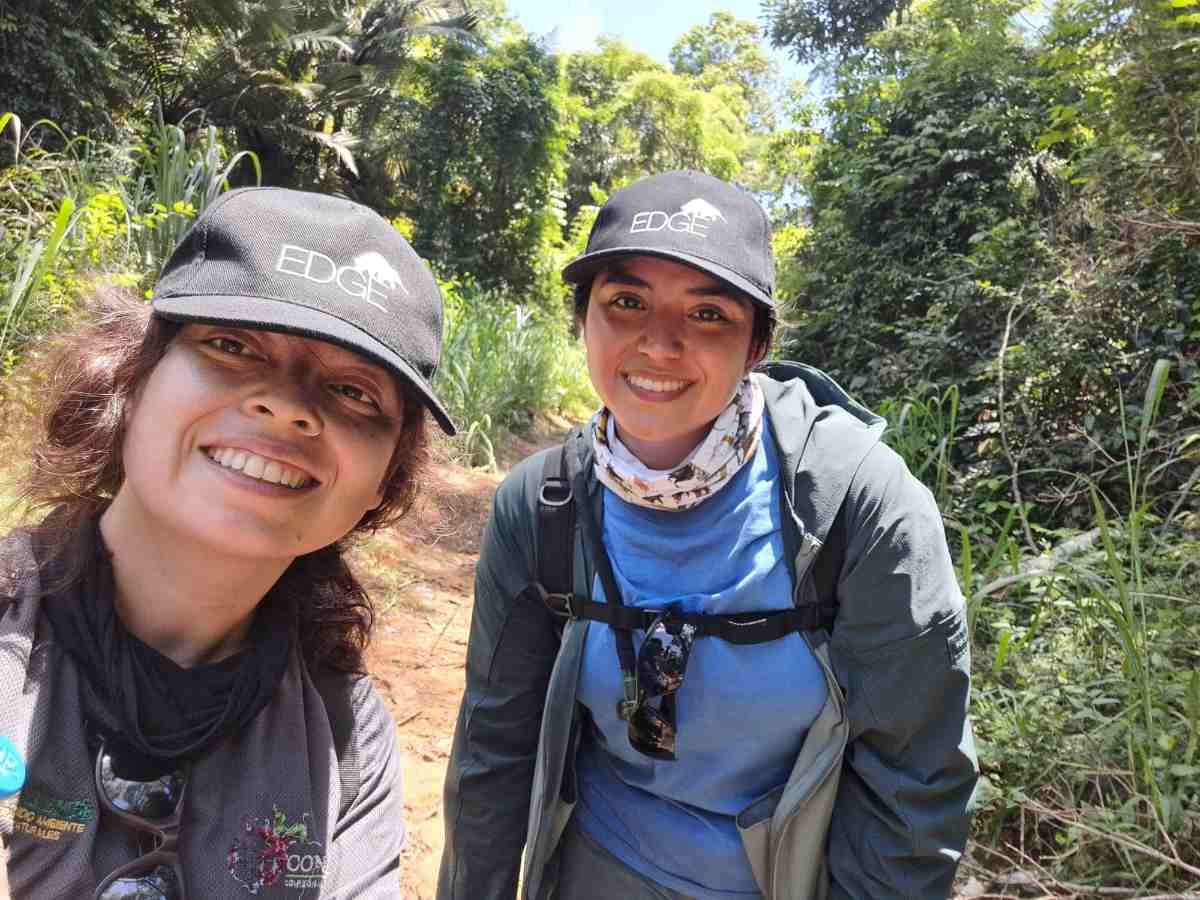
Cover Image: "From lemon sharks to mountain pines: Ilse Alejandra Martínez Candelas and María Susana Sánchez Chávez show how EDGE Fellows learn across species, landscapes and conservation challenges. Source: María Susana Sánchez Chávez." This photo and caption was originally published in the Botany One article "María Susana Sánchez Chávez on EDGE, data and conserving Pinus culminicola on the ground in Mexico" as part of the Digital Botany Focus Issue.