
Digital botany can do something extraordinary. It can take records, DNA sequences, phylogenetic trees, threat assessments and maps, and use them to highlight species that need urgent attention. One example is EDGE, short for Evolutionarily Distinct and Globally Endangered: a way of identifying species that are both threatened with extinction and represent unusually long, isolated or irreplaceable branches of the tree of life.
The EDGE of Existence programme at the Zoological Society of London turns this idea into conservation action by supporting early-career conservationists working with some of the world’s most distinctive and threatened species. The scale of this approach has just expanded: a recent Science study led by Kew and ZSL assigned EDGE scores to all known flowering plant species, identifying almost 10,000 EDGE species and warning that more than a fifth of angiosperm evolutionary history is at risk.
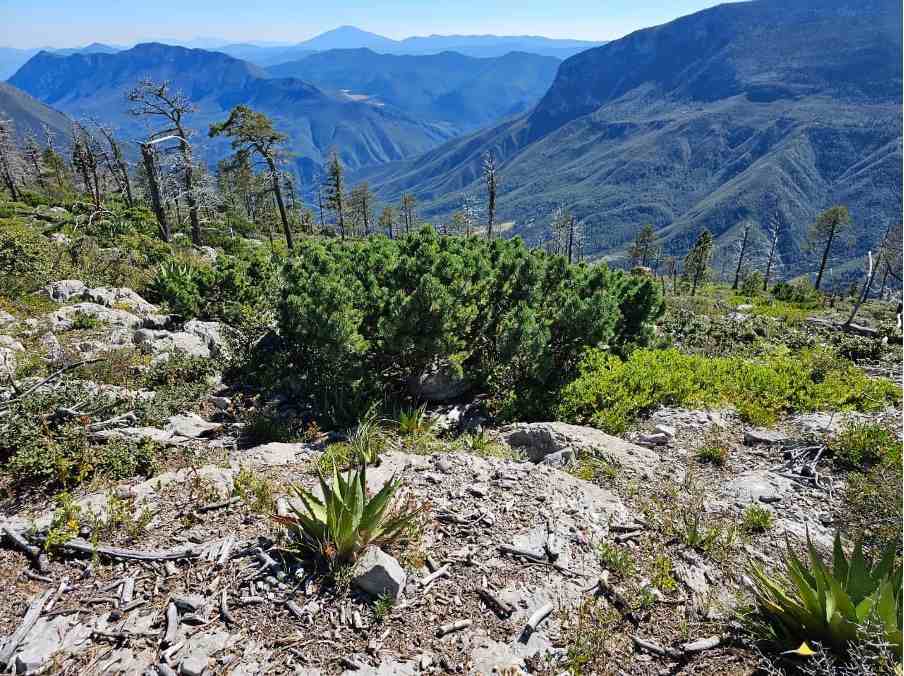
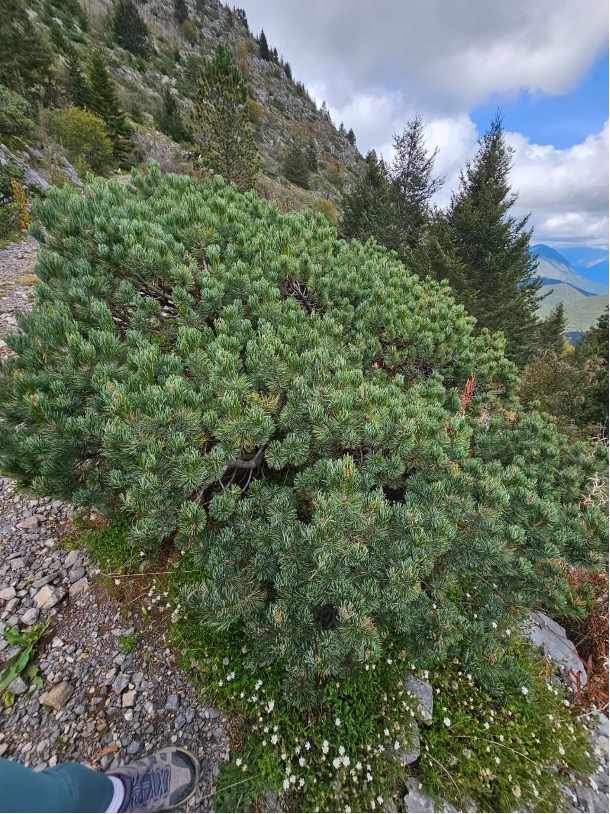
But a global EDGE score is only the beginning. For the final week of Botany One’s Digital Botany Focus Issue, we spoke with María Susana Sánchez Chávez, an EDGE Fellow working on Pinus culminicola, the Potosi pinyon pine, a rare and endangered conifer from the mountains of north-eastern Mexico. Her story shows what happens when global priorities meet field reality: data can point us towards a species, but conservation depends on people, land, permits, seedlings, grazing pressure and trust.
From Steve Irwin to mountain pines
Sánchez Chávez did not begin her scientific career planning to become a plant scientist. “To be honest, I kind of got into botany by accident,” she told Botany One. At first, she was more interested in animals, especially bats. But she had always wanted to do something connected to nature and science. As a child, she watched Animal Planet and Discovery Channel, and Steve Irwin was one of her childhood heroes. “Growing up as a child, seeing that kind of thing stuck in my head,” she remembered. Only later did she realise that the word for the life she had imagined was “biologist”.
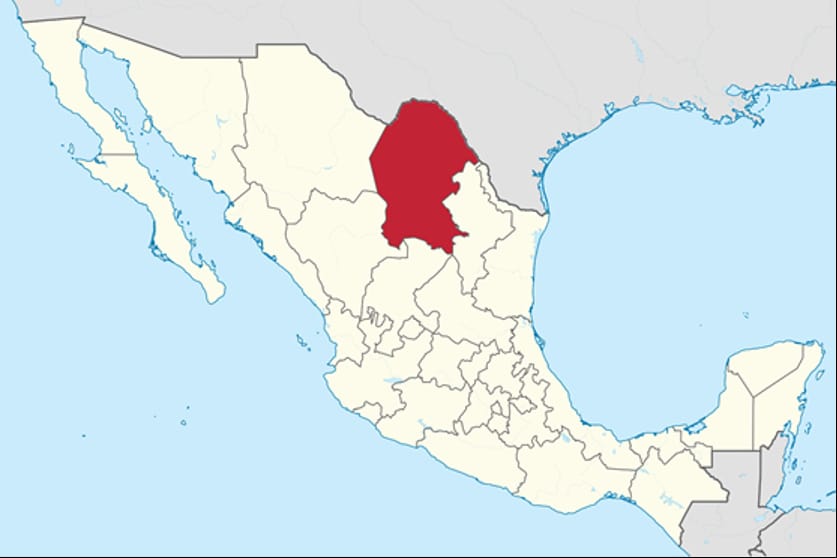
Plants arrived later, through DNA. At Universidad Autónoma de Nuevo León, she joined a molecular ecology laboratory that worked mainly on plants and forests. “You can work with plants, with animals, because you work with DNA,” she explained. That suited her at first. “I liked genetic diversity. I liked DNA. I liked being in the lab.” She saw herself more as a lab biologist than a field-trip biologist until a field trip to Coahuila changed the direction of her work.
“I grew up in a city in a desert,” she said. “So I never knew that we have this type of ecosystem, especially in the northern part of Mexico.” Seeing those mountain forests changed things. “This exists, and this is beautiful, and it is amazing, and it is really underestimated.” Many of the biologists around her were interested in animals, and she felt there was a gap: “Someone needs to do this type of work,” she remembered thinking. “Maybe my mission is in the forest.”
Building a master’s project from scratch
That same combination of curiosity and responsibility shaped Sánchez Chávez’s MSc research at the Universidad Autónoma de Nuevo León. Her thesis asked how phylogenetic diversity in Sierra Madre Oriental conifers is distributed and how well that diversity is represented within protected areas in north-eastern Mexico.
The project worked with 29 conifer species, including Pinus culminicola, Picea mexicana, Picea martinezii, Taxus globosa, Juniperus saltillensis and Pinus nelsonii. It combined GBIF and other occurrence records, potential distribution modelling, species richness, phylogenetic diversity, protected-area representativeness, and species-level prioritisation using evolutionary distinctiveness alongside global IUCN Red List categories and Mexico’s NOM-059 risk categories. In the thesis, this national-risk comparison is referred to as EDLE: an EDGE-style way of asking whether locally threatened species also represent distinctive evolutionary history.
Her research team had strong experience in molecular ecology but this project moved into new territory: linking phylogenetic analysis with conservation prioritisation. The challenge was not only generating molecular data, but interpreting what the evolutionary signal could mean for decisions, such as whether the most important conifer hotspots were actually represented inside protected areas. “No one had ever done anything related,” she said of applying this kind of phylogenetic diversity approach in her faculty. “I needed to do it by myself,” she added, describing the process of getting the data, collecting DNA samples, extracting DNA and making the phylogenetic trees. She also had to learn R: “I was like, what is this? I didn’t know that being a biologist is programming on a computer.”
For Sánchez Chávez, the hardest part was interpretation. “At the beginning, it was really difficult because it was kind of abstract,” she said. It was not enough to produce a tree, a value or a map. She had to ask what those results meant for conservation: where are we protecting the most unique branches of the tree of life? The results identified three priority regions where conifer species richness and phylogenetic diversity were both high.
The work also taught her that occurrence data are useful, but not automatically reliable. Some records were duplicated, geographically suspicious, or placed at altitudes where the species was unlikely to occur. “I saw points in the desert,” she said, describing records that did not make sense for high-elevation conifers. She tried to use more local or official data where possible, including government-linked information, but for rare mountain species there still was not enough clean, current and well-verified occurrence data. In those cases, the problem was not the modelling algorithm. The problem was the input.
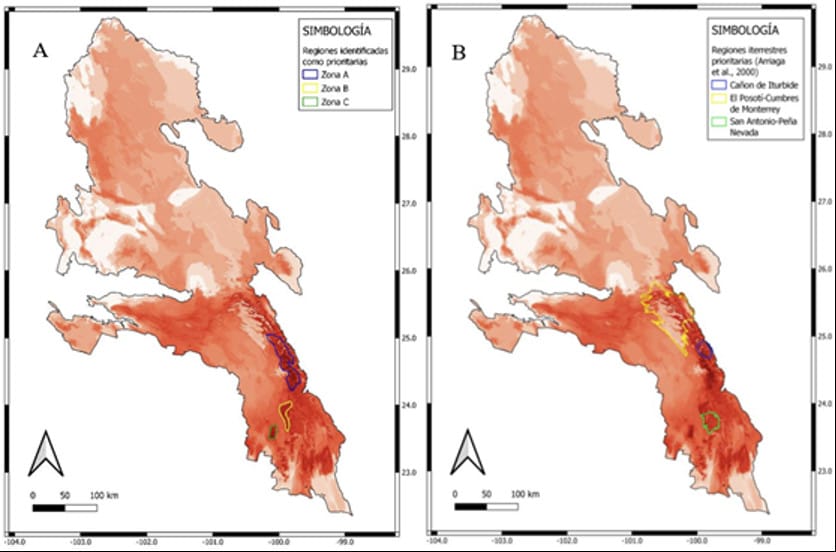
A point on a map may look precise, but it still has to make biological sense. This is exactly why recent studies on in-country herbaria, national species inventories and inferred plant extinctions matter: digital collections are powerful, but their value depends on local expertise, careful checking and the ability to turn records into decisions.
Why EDGE made sense
EDGE stands for Evolutionarily Distinct and Globally Endangered. It helps identify species that are both evolutionarily unusual and at high risk of extinction. For Sánchez Chávez, the EDGE approach felt familiar when she first heard about the Fellowship because she had already been using similar ideas in her MSc.
“I first heard about the EDGE Fellowship through a colleague who was pursuing her PhD abroad,” she said. “What particularly caught my attention was the way EDGE identifies and prioritises species based on their evolutionary distinctiveness and level of threat.”
Then she saw Pinus culminicola on the EDGE priority conifer list.
“When I found Pinus culminicola among them, I immediately saw an opportunity to develop a meaningful conservation project,” she said. The species occurred in the same mountain ecosystems that had fascinated her since her first visits to Coahuila. It was rare, threatened and evolutionarily important. It also offered a way to combine research, conservation action and community engagement.
The original EDGE project focused strongly on genetic diversity and population structure. For threatened, fragmented plant populations, genetic data can guide seed sourcing, restoration and population management. It can help decide whether seed from different populations should be mixed or kept separate, which populations may hold unique genetic diversity, and how to avoid reducing local adaptation or increasing inbreeding.
“Genetic information provides a scientific foundation for many management decisions,” Sánchez Chávez said. For her, conservation is not only about increasing the number of individuals. It is also about preserving “the evolutionary potential of a species” so that it can continue adapting to future environmental change.
But the project did not stay only in the genetic lane.
What an EDGE score can and cannot tell us
Sánchez Chávez is clear that EDGE scores are powerful tools, but not final answers.
“I think EDGE is a very useful tool,” she said. It helps conservationists identify species that represent a large amount of evolutionary history and are also at risk of extinction. It can direct attention towards species that might otherwise be overlooked.
But global prioritisation depends on the data underneath it. Extinction-risk assessments may be old or incomplete. Species records may be sparse. For rare plants, current field knowledge may lag behind the reality on the ground.
There is also a scale problem. Global assessments can hide local crises.
Sánchez Chávez learned this partly through another EDGE Fellow, Ilse Alejandra Martínez Candelas, who works on lemon sharks in the Yucatán Peninsula. At first glance, a mountain pine and a lemon shark might seem to have little in common. But both projects sit at the interface between global conservation priority, local knowledge, community engagement and real-world decision-making.
Ilse’s project uses local ecological knowledge, historical and recent sightings, and stakeholder engagement with fishers and communities to understand lemon shark conservation in Mexico. That helped Sánchez Chávez think about how a species can have a broad distribution and still be disappearing in a particular region.
“You can have the same species,” Sánchez Chávez explained, but one population may be doing well while another may “just disappear”. Local declines can be diluted in the global picture. Or, as Sánchez Chávez put it, “global tools can tell us where to look,” but local research and partnerships are what help us understand what actions are needed.
From genetics to land use
The biggest shift in Sánchez Chávez’s EDGE project came when the original genetics-focused plan had to change. The project had been designed around genetic diversity and population structure, but a difficult disagreement with her advisor left her without the laboratory pathway she had expected to use.
“At the beginning, when I had this disagreement with my advisor, I was really worried,” she said. “What am I going to do now? Because I am alone. I don’t have a lab… to do all this work.”
Through the EDGE Fellowship, and with support from her Latin America project manager, she began to rethink the project rather than abandon it. “He was really understanding of my situation,” she said. “That was a big, big relief because I was really worried. I was like, okay, I need to quit the project, and I will return the money, and that’s it for me.”
Instead, the project found another route. Through CONANP, Mexico’s National Commission of Natural Protected Areas, Sánchez Chávez began working with people who knew the protected area, the communities and the practical realities of land management. “That’s where I crossed paths with CONANP,” she said, “and they really helped me to think what to do, what are the next steps and what we can do.”
This changed what counted as essential data. The future of Pinus culminicola did not depend only on genetics, but also on permissions, land tenure, local decisions and community support.
The result of these tricky times and the need for change led to not a weaker project, but a more grounded, practical one. It moved from a narrow focus on genetic data towards land use, community engagement and feasible conservation action. It became a lesson in applied conservation: good data matter, but so do permits, trust, local governance and the people who decide what can actually happen on the land.
This also fits the wider message of the IPBES Nexus Assessment: biodiversity, water, food, health and climate change cannot be treated as separate silos. For Pinus culminicola, a “decision-ready dataset” would not only include coordinates, climate variables and genetic diversity. It would also need land tenure, grazing pressure, fire history, local management rules, community priorities, feasibility, restoration capacity and monitoring plans.
Fences, seedlings and learning how to speak with communities
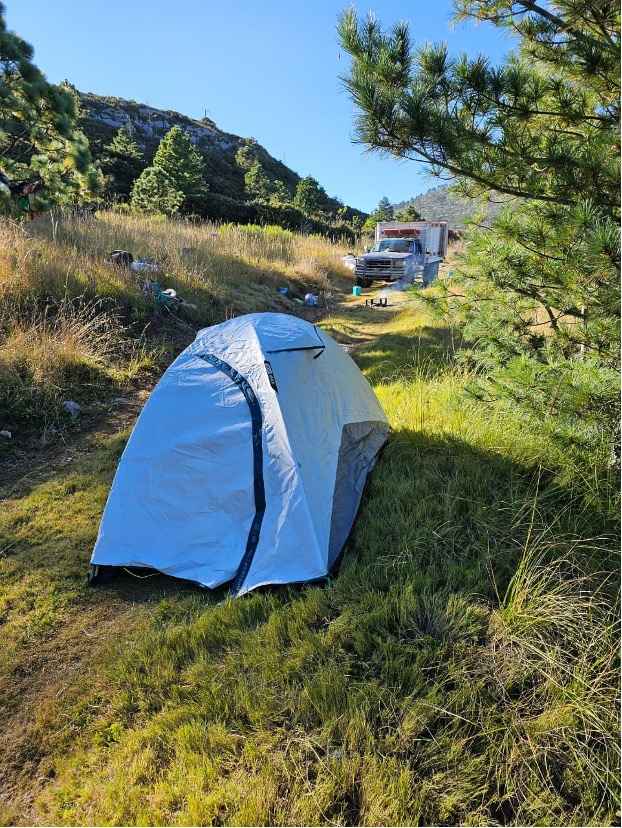
One practical outcome of the project was work with a community to expand and maintain an exclusion zone. Grazing had become a major threat: cattle and goats were affecting the land and damaging young plants. “They step on the new, little trees,” Sánchez Chávez said. “It is a really big threat for most of the species.”
The community already had an exclusion zone in part of the mountain, with an agreement not to allow cattle into that area. The land had previously been used for farming, but community members were now interested in allowing it to regenerate and be used for conservation. “This part of the mountain is regenerating,” Sánchez Chávez explained. “It is slowly having natural regeneration.” EDGE funding helped expand the exclusion zone and maintain the existing fence. “You need a really strong fence to keep the cattle out,” she said.
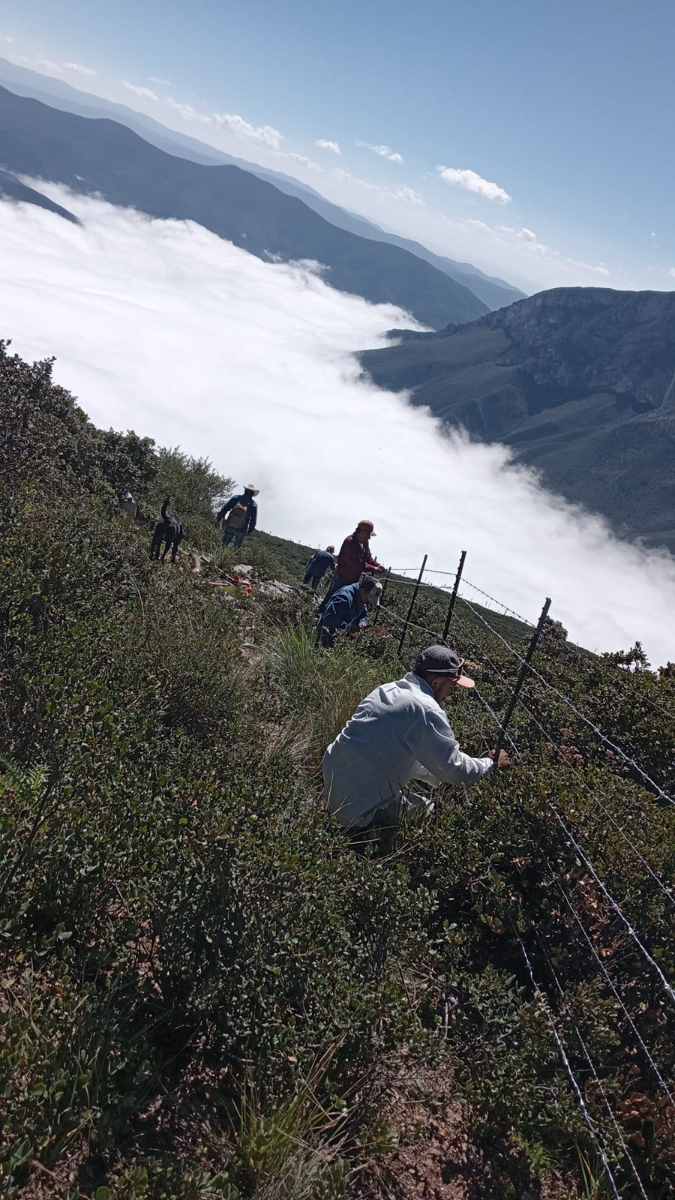
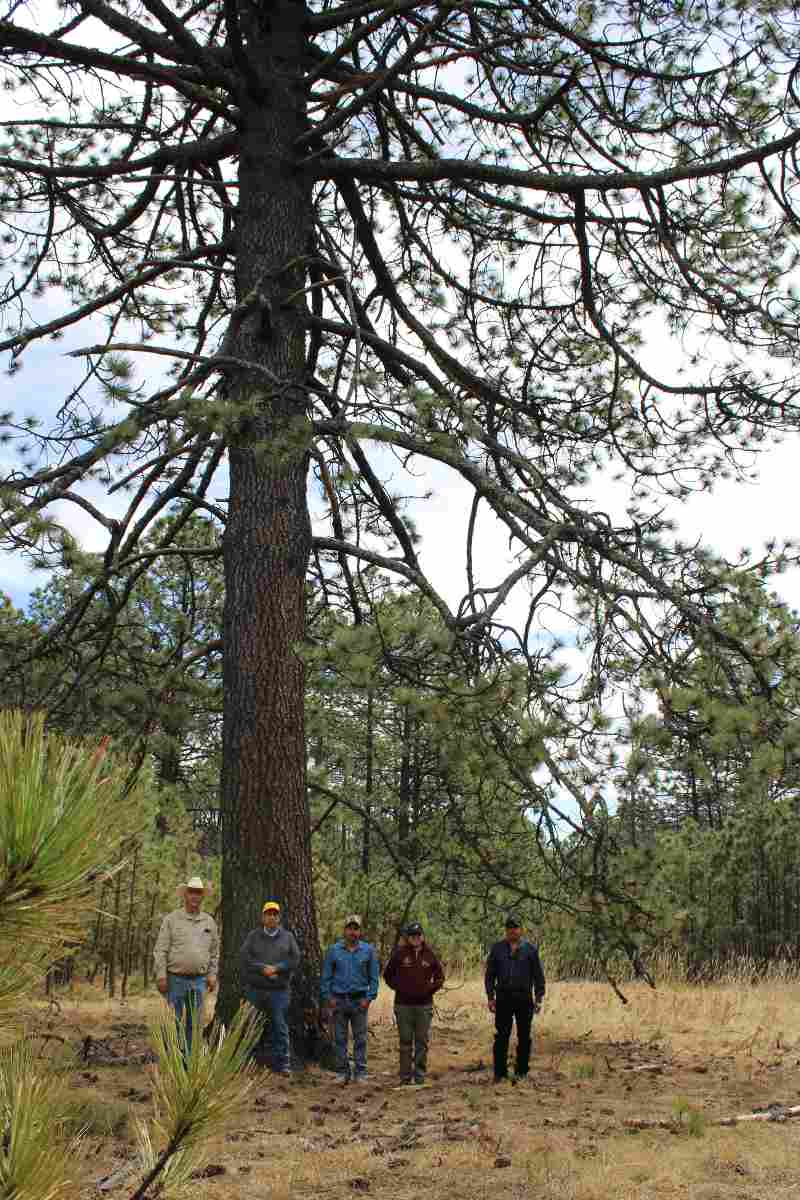
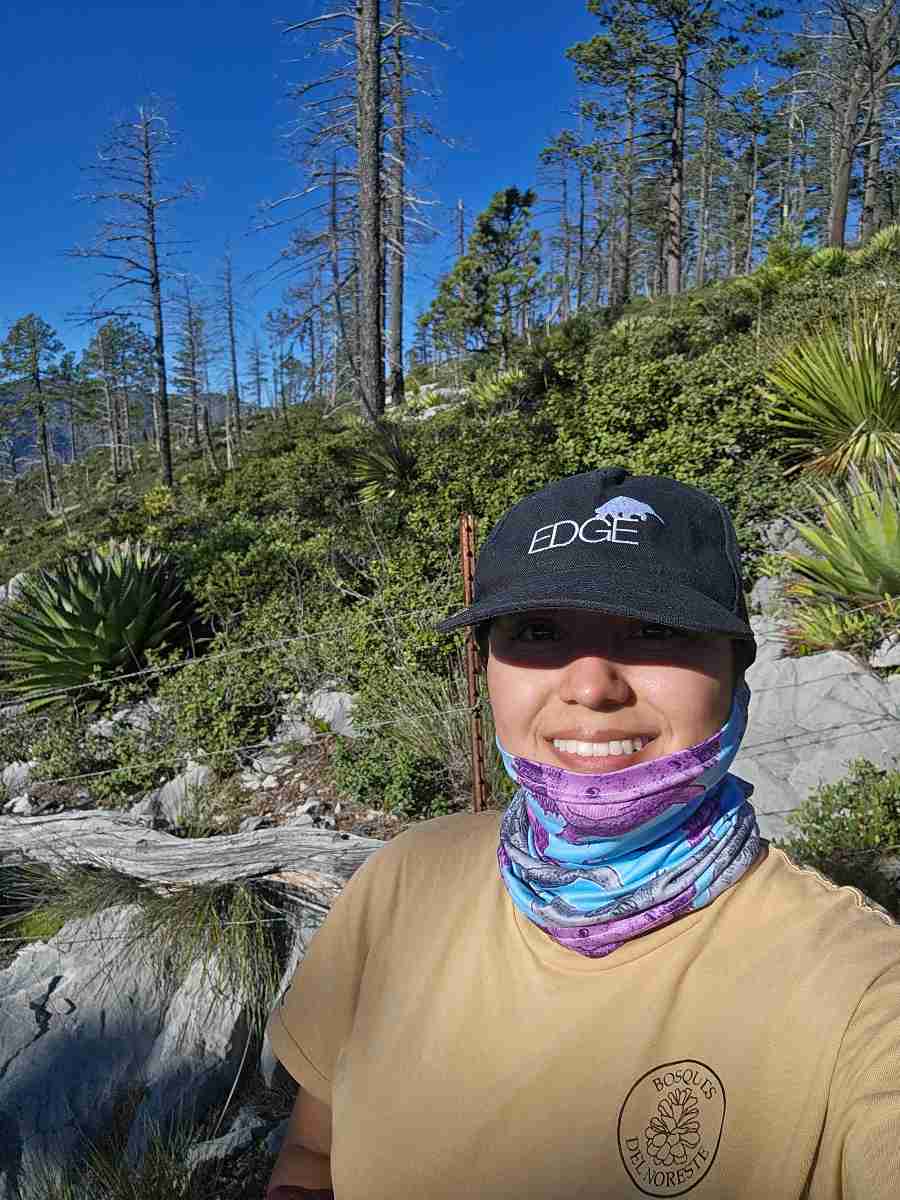
Conservation in practice: fieldwork in the Pinus culminicola exclusion zone, where fencing helps reduce grazing pressure and gives young plants a better chance to regenerate. Source: María Susana Sánchez Chávez
This is where conservation becomes very practical. A global record may tell us where Pinus culminicola occurs but it will not tell us whether cattle are trampling seedlings, whether a fence needs repairing, or whether a community is ready to support regeneration. Those details come from fieldwork, local relationships and repeated conversations.
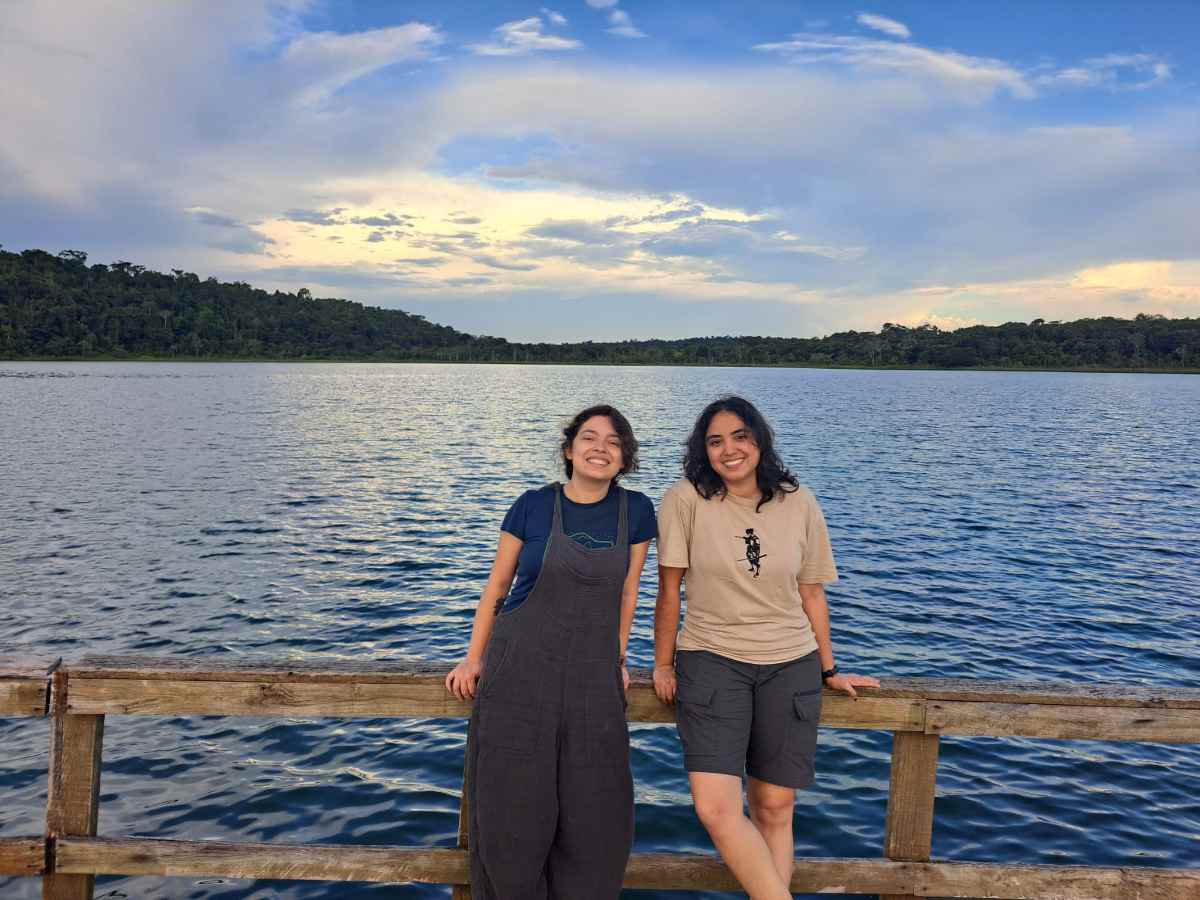
The EDGE Fellowship also helped Sánchez Chávez learn from other early-career conservationists facing similar challenges in very different systems. Her friendship with Ilse Alejandra Martínez Candelas, an EDGE Fellow working on lemon sharks in the Yucatán Peninsula, became especially important. Ilse’s project uses local ecological knowledge, historical and recent sightings, and conversations with fishers to understand where lemon sharks remain and how conservation could work with coastal communities.
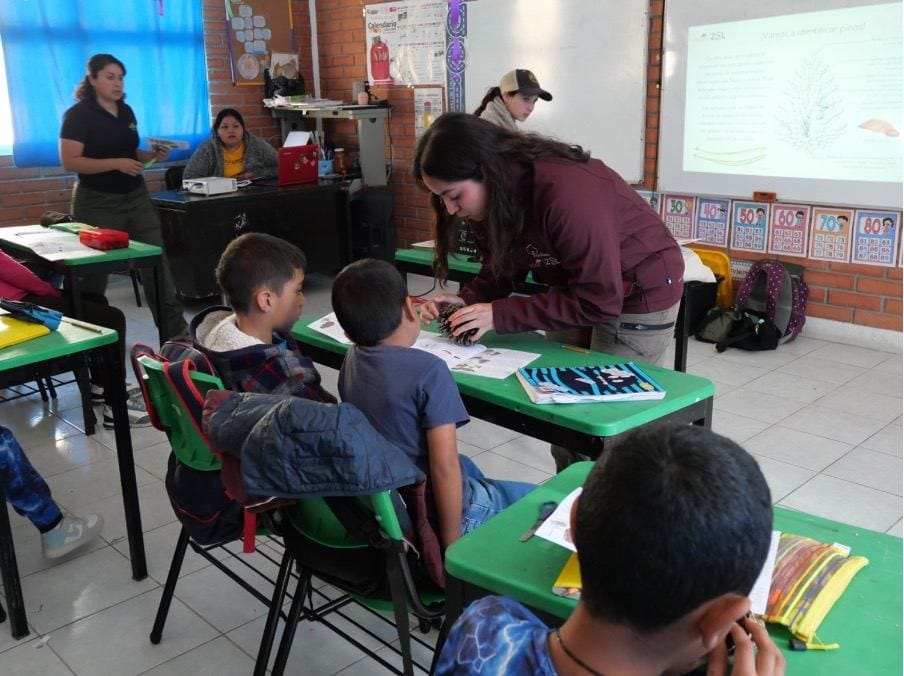
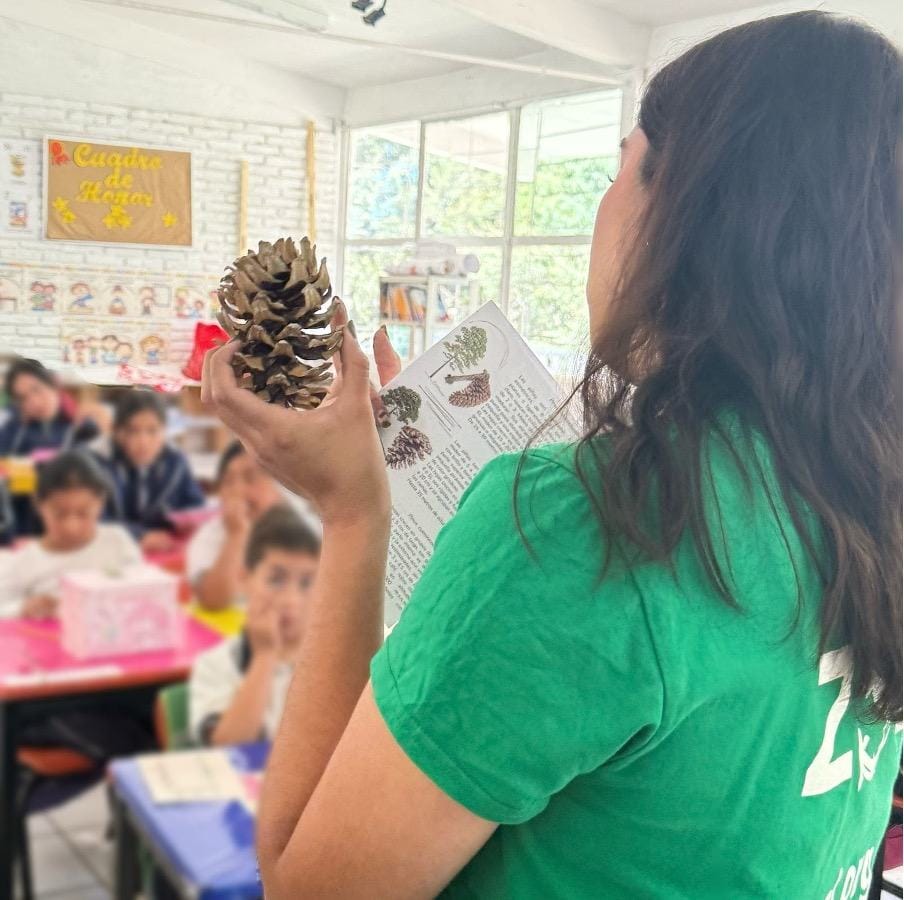
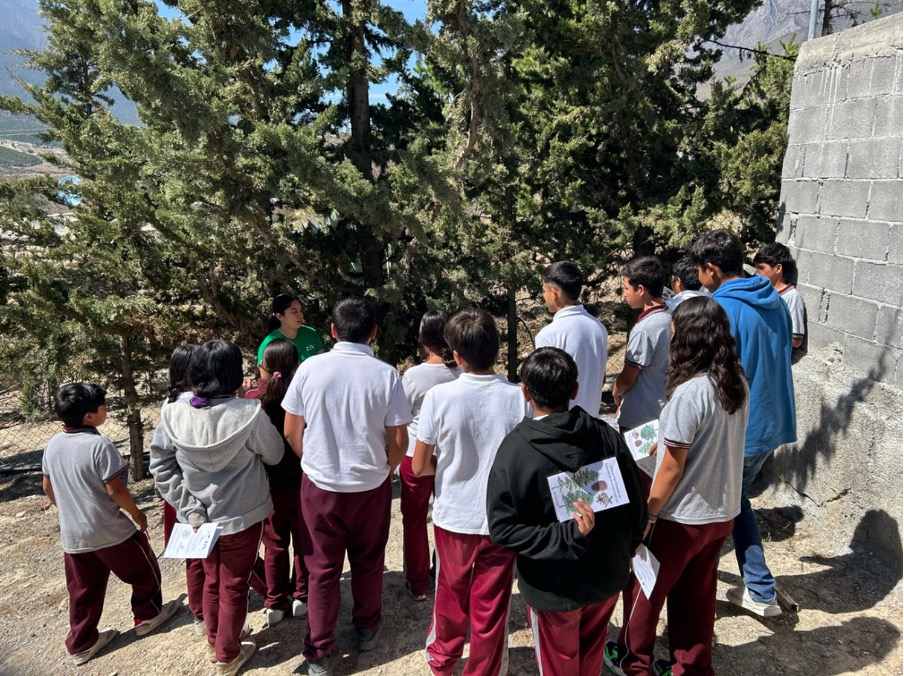
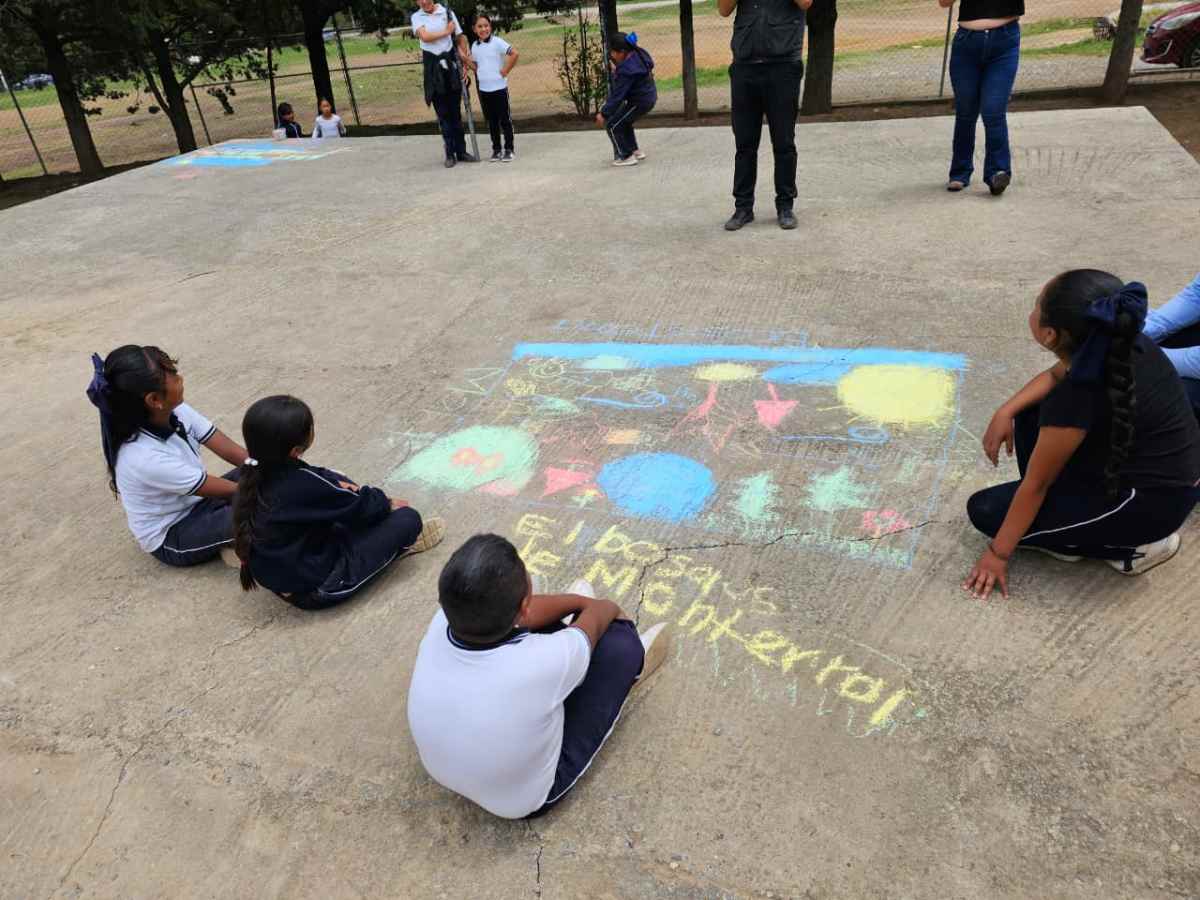
That experience helped Sánchez Chávez think differently about her own communication. “We researchers have this language that we use between us”, she said. “It’s very technical.” When she began speaking with communities, she realised that explaining the project meant more than saying Pinus culminicola was rare or evolutionarily important. She had to explain why the species mattered, how it differed from other pines, and why telling two similar Pinus species apart could change what gets protected.
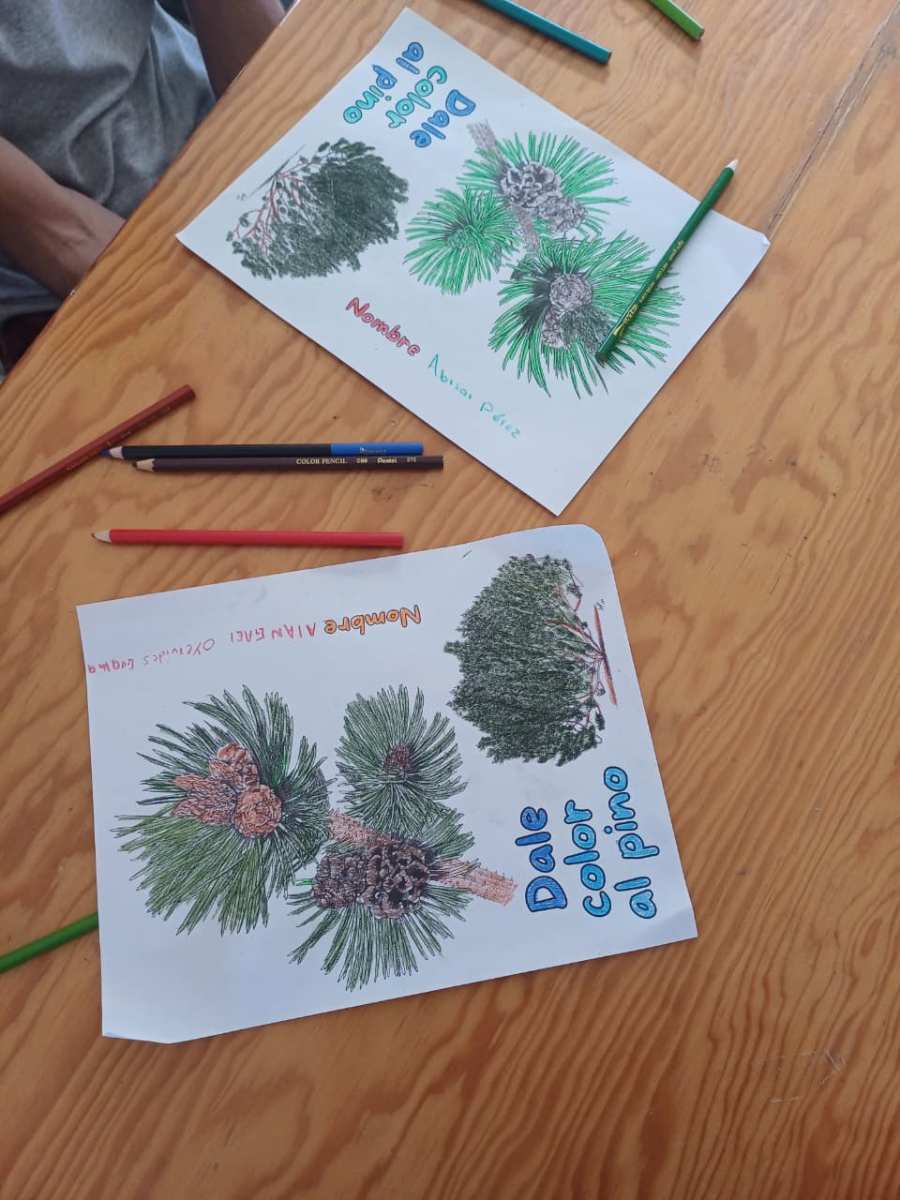
“You just assume that they understand what you are saying,” she said, “but then you look at them… and see their faces.” She realised she needed “a different language to communicate with them”.
“I had a lot of help from my colleague from the lemon shark,” she said. Ilse could help her think through practical questions: “What do I do? How do I communicate with them? What do I say? What do I not say?”
It is a lovely example of interdisciplinary learning inside conservation. A shark project helped a pine project. EDGE not only connected species on a list; it connected people trying to solve different versions of the same problem: how to turn conservation priorities into action with the people who know and manage the landscape.
Local knowledge needs to flow back
A recurring problem in conservation is that local knowledge often does not make it back into global datasets.
Sánchez Chávez pointed out that organisations such as CONANP and local conservation practitioners accumulate a huge amount of knowledge through daily work. They know where access is difficult, where fires have occurred, where land use is changing, where seedlings are surviving, which communities are interested and what management actions have already been tried. Local communities also notice changes long before researchers may return to a site.
But this information is often held in internal reports, personal records, local documents or people’s memories. It may not be available to the wider conservation community, and it may not feed back into global assessments, species records or databases.
“Conservation should work as a two-way process,” Sánchez Chávez said. “Global datasets help identify priorities and guide research,” but local monitoring and field observations should also “update and improve those datasets”.
That two-way flow matters because it helps correct errors, update old assessments, identify local declines, and document which actions are working. “When information flows in both directions,” she said, “conservation assessments become more accurate, management decisions become better informed and future research can focus on the most relevant questions.”
What the future could look like
She is now involved in further work with CONANP, supported through GIZ, on a project that includes soil restoration, environmental education and local livelihoods. The team has also acquired a multispectral drone that could help monitor vegetation health and possibly support future mapping of threatened conifer populations.
“I’m really excited for the results that they can give us,” she said of the new monitoring possibilities.
Sánchez Chávez is still thinking carefully about her next steps. She spoke openly about not having a fixed academic plan and about being willing to see where the work leads.
“At this point, I think I want to do a PhD, but I’m not sure yet,” she said. After moving from bachelor’s to master’s work and then into the Fellowship, she is taking time to explore other ways of being a biologist. “I want to have a little piece of some other activities you can do as a biologist.”
That honesty matters. Botanical conservation does not need people on one narrow academic track. It needs people working across the fields of conservation, community engagement, data, restoration, monitoring, public communication and policy.
Sánchez Chávez’s story shows why applying digital botany is both powerful and humbling.
Digital botany is not just about putting plant data online. At its best, it helps turn scattered records into better questions, better priorities and better decisions. But Sánchez Chávez’s work is a reminder that the final step still happens on the ground: with people, permissions, uncertainty, trust and the slow work of protecting a living species in a changing landscape.
READ MORE:
Forest, F., Brown, R., Buerki, S., Colville, J., Moat, J., Lughadha, E., Owen, N., Raimondo, D., Rivers, M., Rosindell, J., Walker, B., Bachman, S., Pipins, S., Gumbs, R., and Brown, M. (2026) High risk of extinction across the flowering plant tree of life. Science, 392(6798), pp. 655-659. Available at: https://doi.org/10.1126/science.adz0773.
Sánchez Chávez, M.S., 2024. Distribución de la diversidad filogenética de las coníferas de la Sierra Madre Oriental y su representatividad dentro de las áreas naturales protegidas del noreste de México (Doctoral dissertation, Universidad Autónoma de Nuevo León). Available at: http://eprints.uanl.mx/27659/
Guest Writer Profile
Juniper Kiss is a globe-trotting plant scientist and data-lover, Botany One Guest Editor and former writer, loves pretty plots, digi solutions, working with landowners, brambles and bananas.
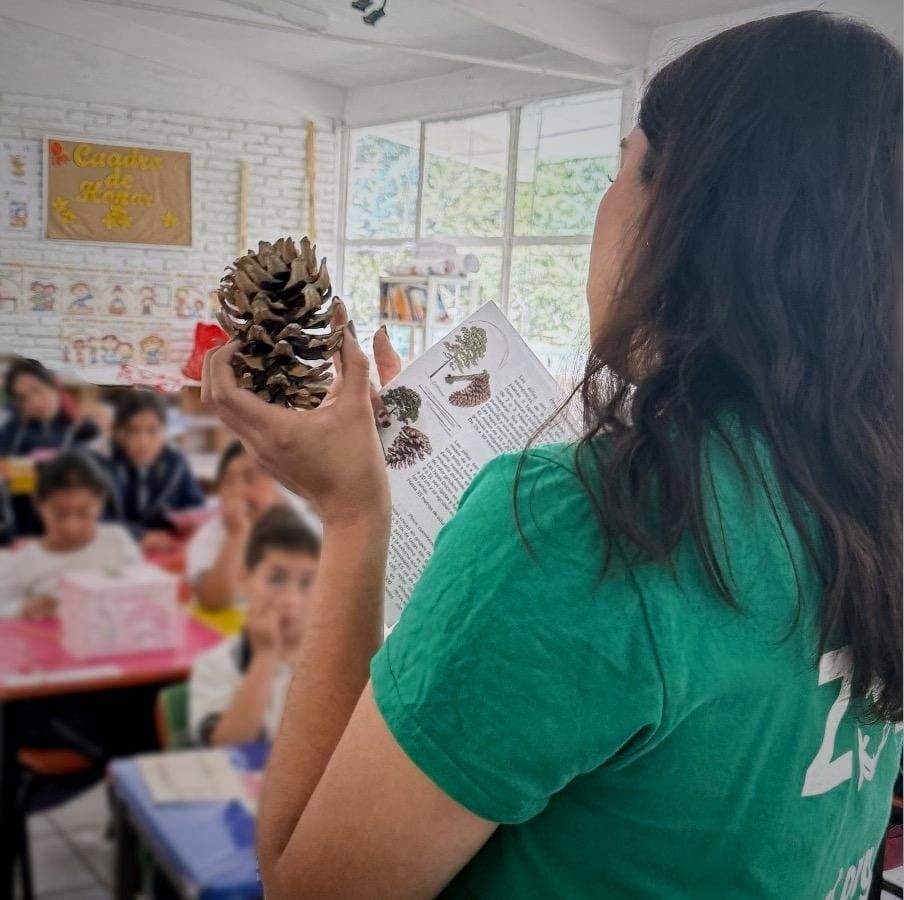
Cover image: Conservation does not stop at the dataset. Sánchez Chávez uses cones, illustrations and classroom activities to help young people recognise local pines and understand why Pinus culminicola needs protection. Source: María Susana Sánchez Chávez.

.svg?ref=botany.one)