
In this Digital Botany focus issue, we have followed botanical specimens from field collection to their role in decision-making. We saw how digitisation makes specimen data available to researchers, artists and the public all over the world, increasing our collective knowledge and revealing hidden stories. We have also met many passionate people whose efforts drive this incredible work.
To wrap up the series, we will bring these threads together and travel to a herbarium in Aotearoa New Zealand – one that demonstrates how moderately sized collections can set the standard for digital botany. We will meet people involved in the collection, curation, and digitisation of specimens, as well as those who study them and share them with the world.
Digitising the Herbarium
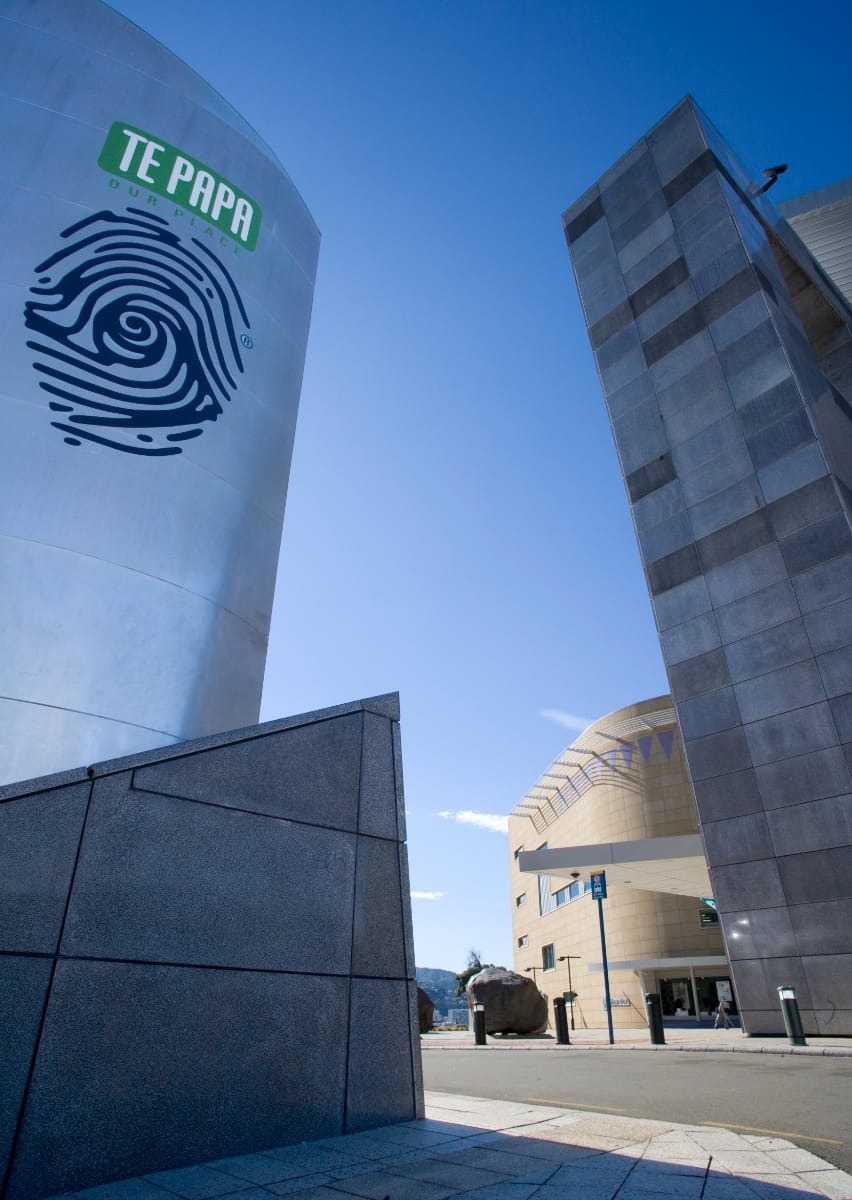
Founded in 1865 as part of the Colonial Museum in Wellington, the WELT Herbarium is New Zealand’s oldest public herbarium. Today, it is housed in the Museum of New Zealand Te Papa Tongarewa.
Te Papa holds around 350,000 botanical specimens. Its records reach back to Joseph Banks and Daniel Solander on Cook’s first voyage, whilst the collections also include more type specimens than any other New Zealand institution. Although there is still plenty of foreign material and backlog to work through, all of Te Papa’s material from New Zealand is fully databased and 70% imaged.
“Curators, collection managers, technicians, interns and volunteers all database specimens,” says Bridget Hatton, Kaitiaki Taonga Collection Manager Botany, who oversees digitisation.
Once databased, specimens are imaged in-house. Images are key to bringing other researchers on board, which can improve the quality of specimen data. For example, a collection label might initially be impossible to decipher. “We can put as much into the database as we can,” says Hatton. “Then, by uploading an image, other researchers can try and decipher the label themselves […] We can [then] add the information to our database.”
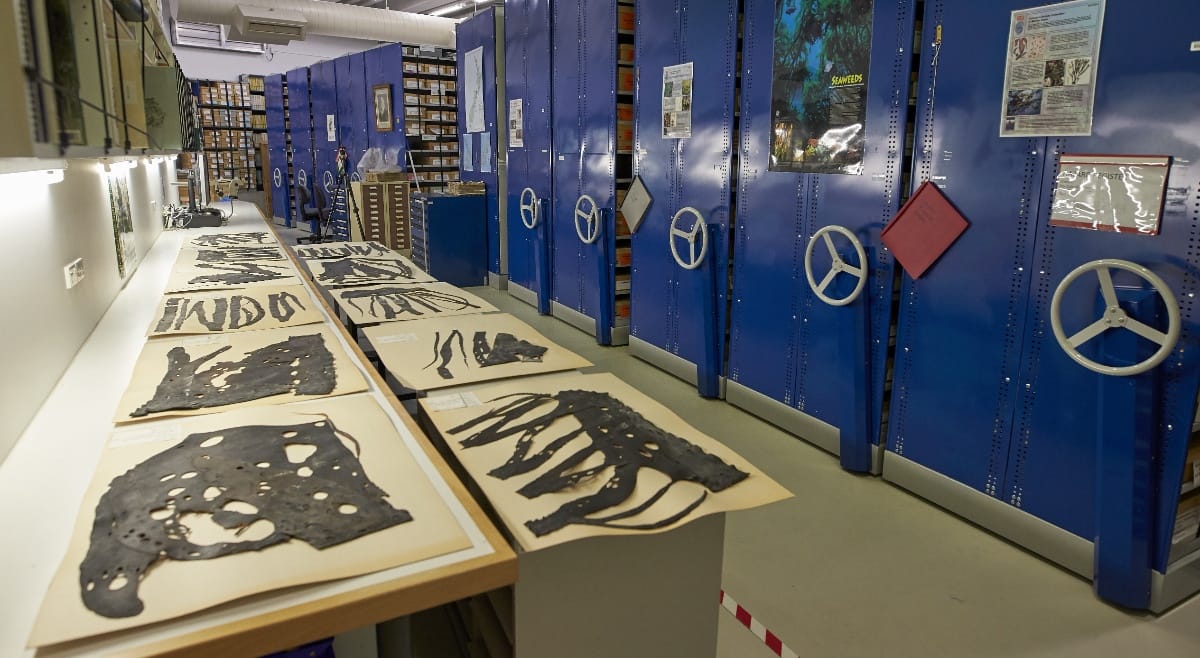
“We use the EMu database across the whole museum – not just botany or natural history,” says Hatton. In Te Papa’s EMu Collection Management System (also used by the Smithsonian and the Natural History Museum, London), digitisers confirm the identity of collectors with a single “agent ID” identifier. This links them to all other objects related to a collector across Te Papa – even in Taonga Māori, History, or Art collections. These objects are all easily accessible on Te Papa’s Collections Online – check them out for yourself!
Te Papa’s digitisation workflow recognises that specimens are not static objects – instead, they anchor dynamic networks of people who interacted with one another, collected in different locations, and contributed to our collective knowledge. This setup brings records together and, as we will soon see, this can generate remarkable discoveries.
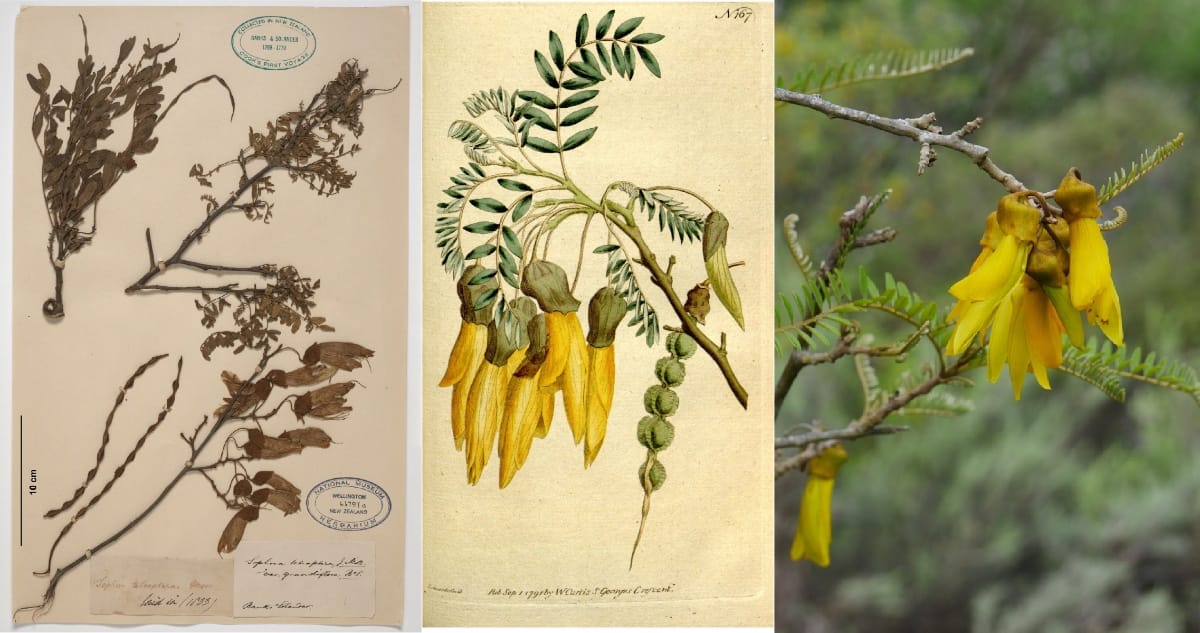
Perhaps a quarter of the herbarium, including backlog and foreign specimens, is yet to be databased or imaged – much of the backlog would take years to database, and much of it also requires expert eyes to decipher. “The key to getting this material databased and available is funding of staff to actually do the work,” says Hatton. Who knows what stories might emerge then?
From Te Papa to the World
One of the challenges of botanical data is that specimens, images and records are often held in different systems – so how does Te Papa go about sharing its knowledge with the world? Lucy Schrader, as Te Papa’s Kaitūhono Hora Raraunga (Digital Channels Outreach Manager), finds new ways to do this.
“[People] don’t need to come to Te Papa or its websites to benefit from what we have,” she says, “they just get it by using GBIF [Global Biodiversity Information Facility], Wikipedia, or Unsplash.” To reach more people, Te Papa publishes to biodiversity platforms that host data from many institutions worldwide. “It’s so much more straightforward for someone to grab info about our collections, combine it with other sources, and get on with doing their analysis,” says Schrader. “This supports things like climate change research, habitat restoration, land management, taxonomic revisions and heaps more.”

Wikidata (explored in a previous Digital Botany feature) is also an important tool. Schrader and colleagues hosted a series of Wikipedia workshops and ‘edit-athlons’ open to staff, conference attendees, and the public. Dr Heidi Meudt, a Botany Curator, also works to engage botanists and museum practitioners with Wikidata.
“Wikidata’s been important in so many ways,” says Schrader. “It supports the value of the images we share by connecting them up to the data behind the species being depicted, and the people who collect and identify these specimens. We can also use it as an extension of our own collection management system by linking up our records and the equivalent items in Wikidata, with each one pointing to the other.”
Te Papa’s botanical records are now linked to a vast network of users, from anyone wanting to find out more about nature to scientists, historians, and researchers across the globe. “There are plenty of specific examples of Te Papa’s data being put to use – botany records have been downloaded from GBIF over 120,000 times,” says Schrader. “But what I think is really cool is the larger system we’re now part of. Species pages on iNaturalist pull through the relevant Wikipedia articles, including our images and info. Bionomia uses what we and others have shared through GBIF and Wikidata to connect specimens with the people who collected them. Combining information from so many people and organisations changes what we can do and learn, and supports our ability to work together to understand and take care of our planet.”
Spanning disciplines to reveal new stories: algae, artworks, and Nancy Adams
Te Papa’s digital strategies enable them to explore and share the hidden stories of research expeditions, people, and species. “These actions increase accessibility and visibility of the scientific contributions of all collectors in our database,” says Heidi Meudt, “but especially many women, amateur botanists and other underrepresented collectors.”
Meudt is currently working with Art Curators Lizzie Bisley and Rebecca Rice to understand the output and legacy of Nancy Adams (1926-2007).
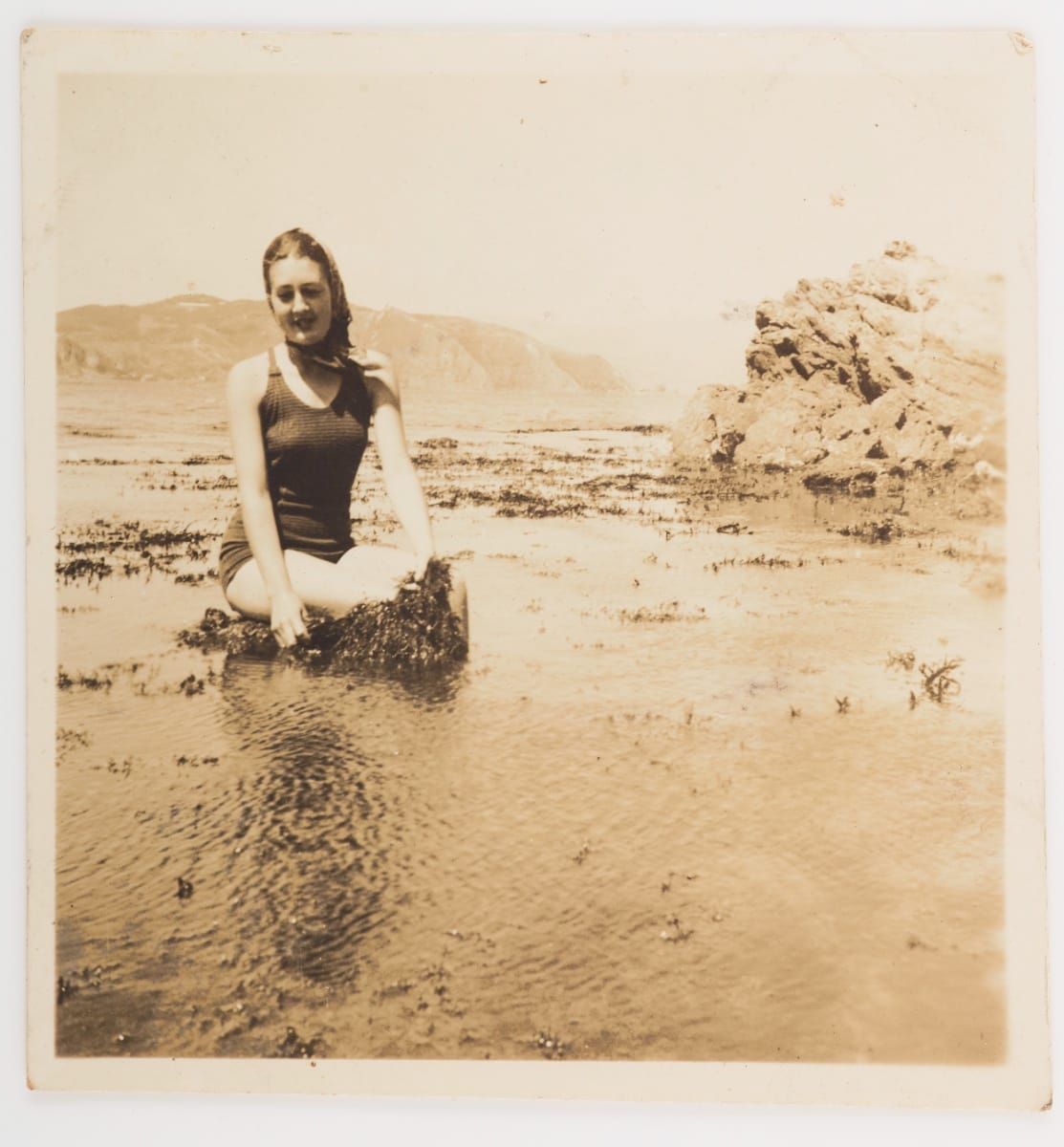
Adams was an exceptional botanist and artist whose writing and illustrations popularised the flora of New Zealand. She was particularly interested in seaweeds and worked for much of her career at the Dominion Museum – the predecessor of Te Papa – where she became an Assistant Curator, built up its reference collection, and identified 6,874 of its specimens. “The breadth and depth of her knowledge and work – both botanical and artistic – are simply breathtaking,” says Meudt.
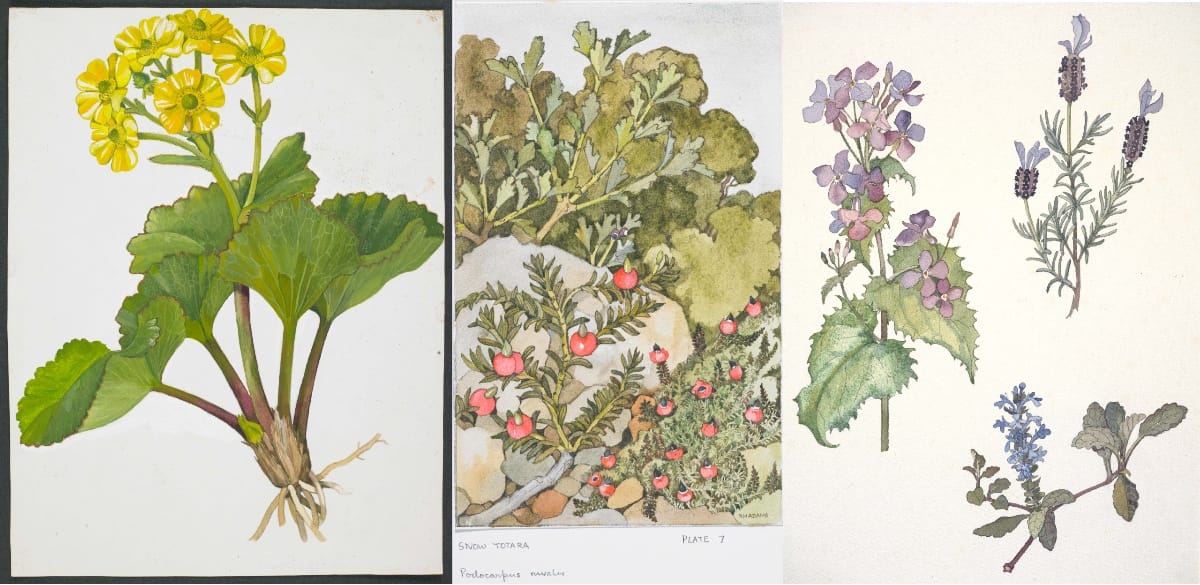
Digitisation is integral to Te Papa’s interdisciplinary project. Interns and researchers catalogued and digitised Adams’ 3,300 botanical collections (which she herself would have accessioned into the museum) as well as her artworks, slides, and other documents held by Te Papa. “[These are] used to gain a more comprehensive view of her legacy and body of work,” says Meudt.
“We have learned some new things about Adams along the way, for example, that she contributed many of her drawings to An Encyclopaedia of New Zealand and that she also contributed to the organising of the museum’s textile collection and the designing of the museum’s landscaping!”
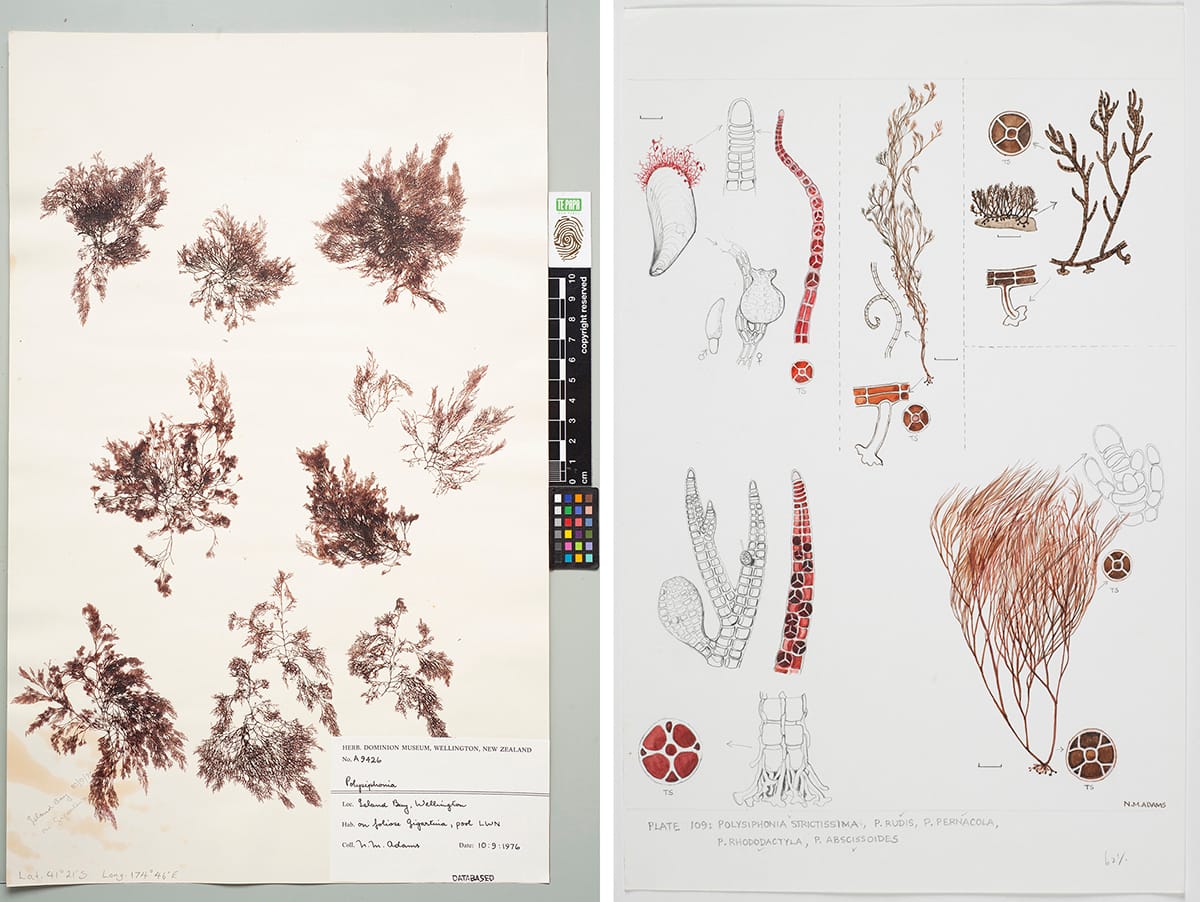
Meudt explains how digitisation also allowed Adams’ illustrations to be matched with her botanical specimens, both in Te Papa’s database and Collections Online. This revealed just how exacting her illustrations were. “We’ve also had some fun during back-of-house tours where we put her original watercolours next to her specimens, and watched as some had to really get up close to them to determine which was which!”
The project has also involved interns from different backgrounds across the sciences, arts, and humanities. Lucia Adams (no relation of Nancy’s!) databased, imaged, and researched Nancy’s collections across two internships. “This work is important because it highlights women’s work in male-dominated scientific fields during a time of low gender equality. It’s a collection that embraces creativity in science […] visual art increases accessibility to complex ideas.”
“I learned a lot about archival systems and how information is stored for generations, and how this shapes our stories about the people and the world.”
Explore Te Papa’s Nancy Adams hub to view their work and learn more!
Volunteers make it all possible
Across many herbaria, volunteers contribute massively to digital botany, and Te Papa is no exception! No matter their initial level of expertise, volunteers can help with a range of tasks.
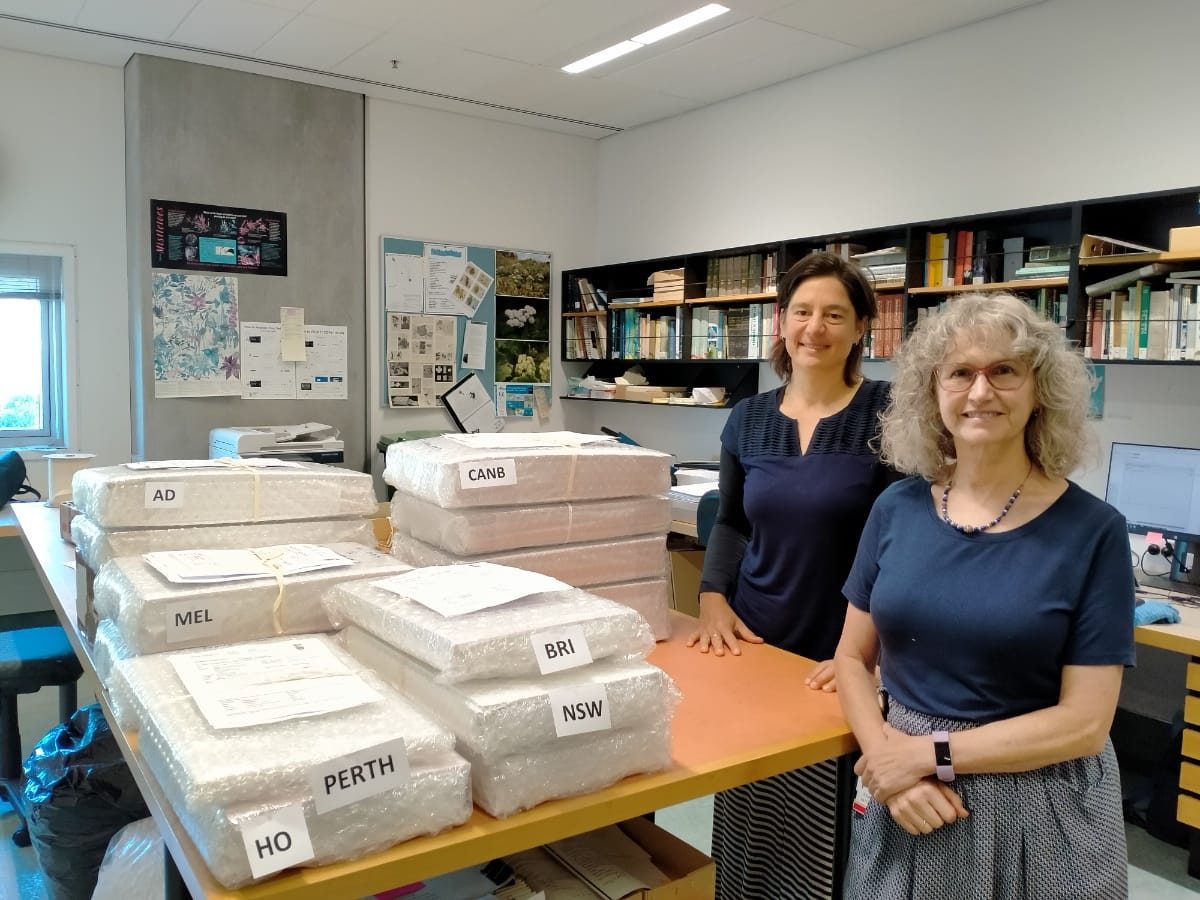
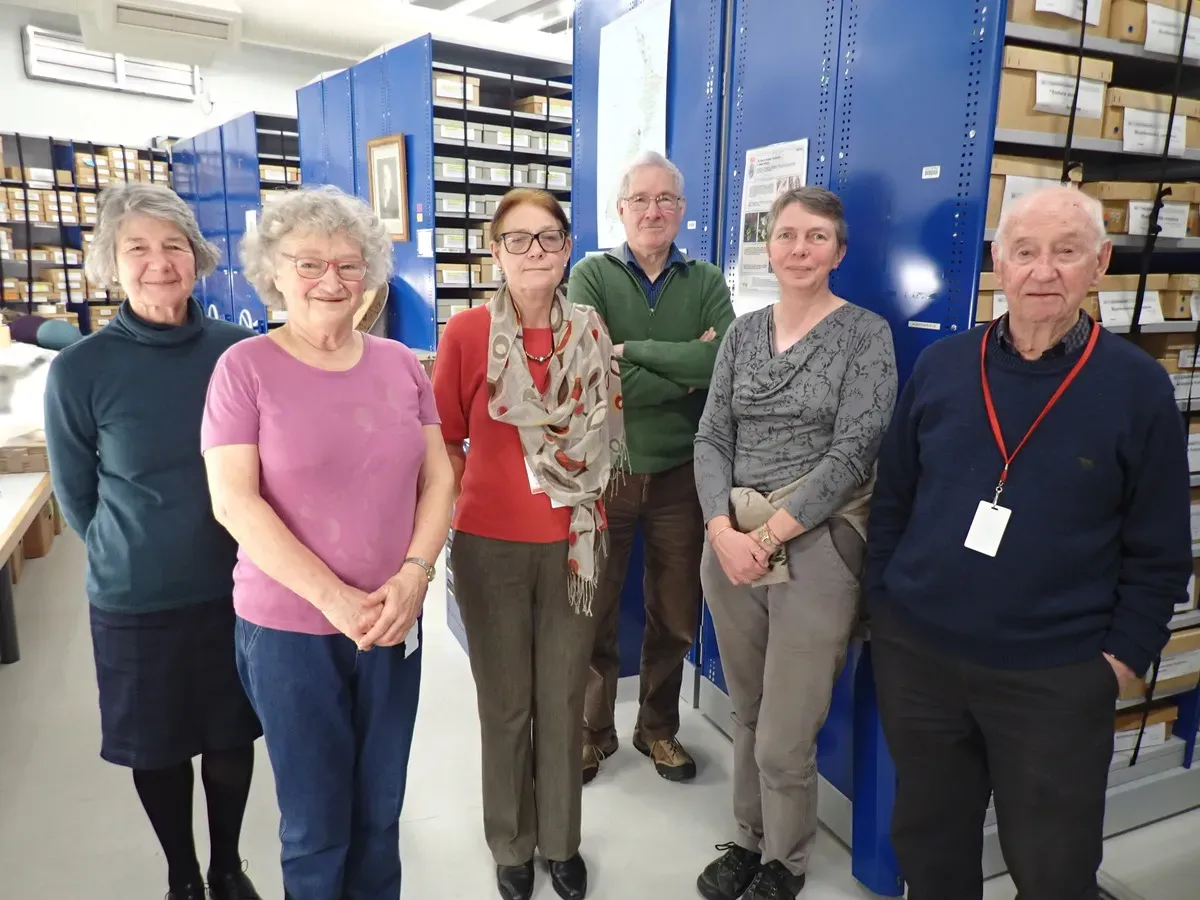
Eleanor Burton and Jane Humble have volunteered at Te Papa for more than ten years. Burton initially studied Botany and worked in arboriculture and gardening; she currently keeps the database and library at Ōtari Native Botanic Garden. Humble worked as a Medical Laboratory Scientist in New Zealand and the United Kingdom but harbours a lifelong interest in plants – she also volunteers at Ōtari. Both are botanical artists and are heavily involved with the Wellington Botanical Society.
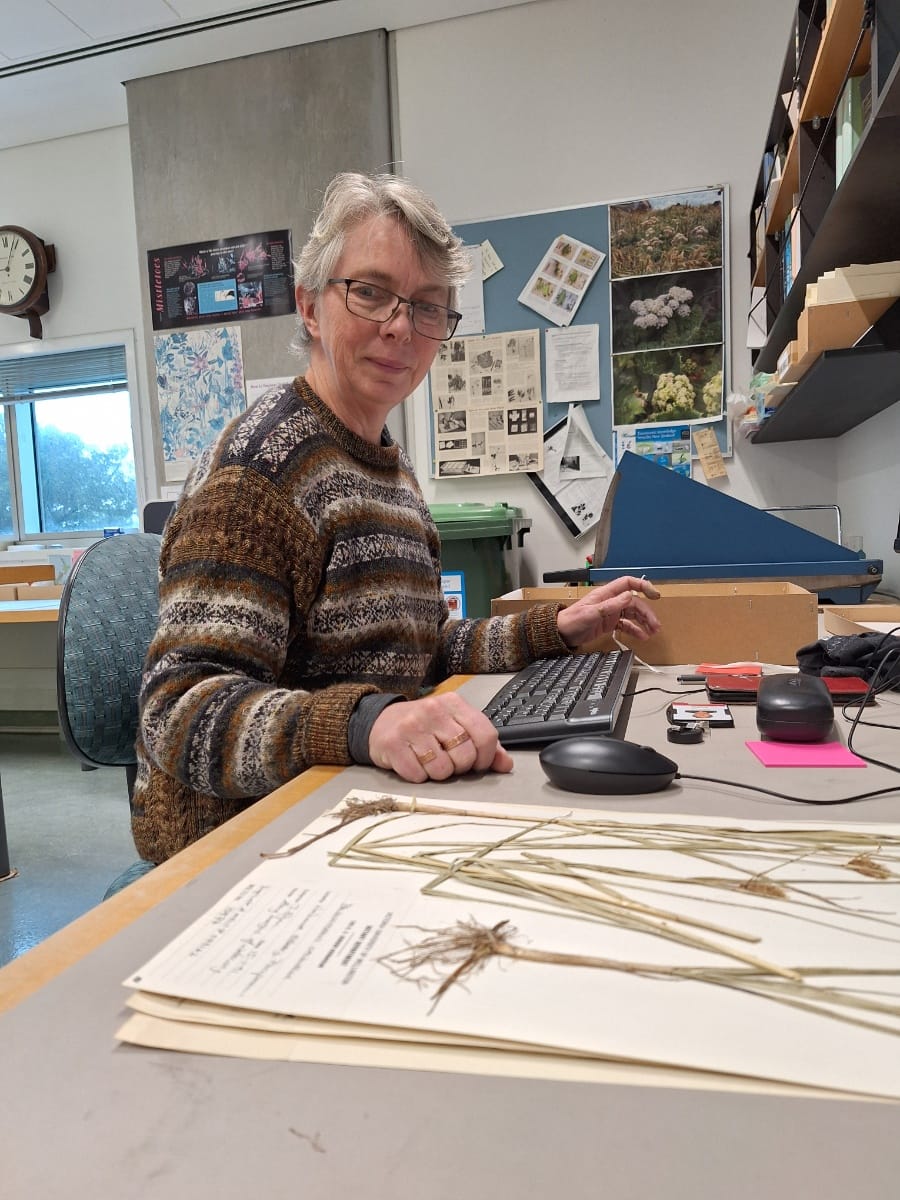
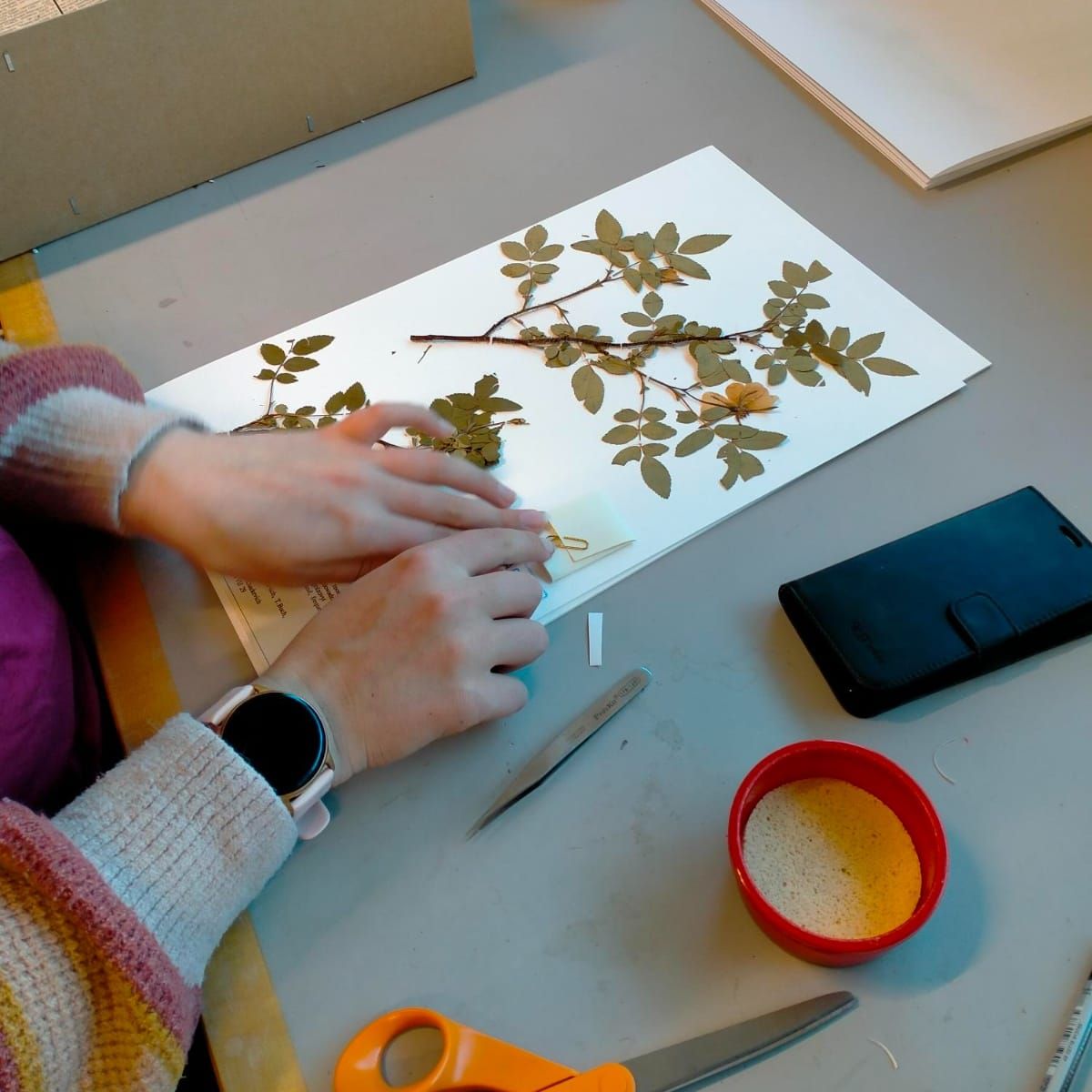
Burton and Humble both mount pressed plant specimens onto card – a fine art – and file them away in the collections. Burton also databases, images, and checks whether specimens are duplicates (that is, if they share collection information and include the same material) – if not, she accessions them into the collection.
“The most fun project I have been involved with was going through the entire Celmisia [daisy] genus and checking identifications,” says Burton. “Leon [Perrie, Curator Botany] thinks we changed identifications on about 10% of them.”
Volunteers complete almost all of the mounting at Te Papa and contribute greatly to digitisation. Importantly, they gain a lot from the experience too.
Burton says: “I volunteer at Te Papa because I have time, I enjoy it, it is a way of giving back to the community, and it is a good learning opportunity for me.”
“I feel very privileged to volunteer in the Herbarium at Te Papa and I am constantly learning, amongst other things, how little I know!” says Humble. “At morning teas and celebratory lunches you will find some of the largest gatherings of retired and working botanists in New Zealand! The conversation is amazing.”
What a herbarium can be
Intentional about its methods, reach and impact, Te Papa models effective digital botany. By engaging new audiences through global platforms, reaching across departments, researching stories, and involving interns and volunteers, Te Papa disproportionately enriches its wider ecosystem through its digitisation efforts – its impacts stretch far beyond its physical collections.
Rather than replacing or superseding them, digitisation can make botanical specimens more accessible, relevant, and useful than ever before.
This means that a moderately-sized herbarium can exemplify how plant data, human stories and practical research can be connected with the world.
Guest Writer Profile
Ben is a New Zealand-born, London-based ecology graduate who surveys mycorrhizal diversity as part of the RBG Kew team. He is passionate about natural history collections and excited to spotlight their stories as a Botany One guest writer.