
Dearest Gentle Readers,
This week, the Botany One editorial team brings you something rather new: a Focus Issue month. From time to time, we shall gather a series of posts around a shared theme, with the aim of giving you a richer view of emerging topics in plant science. And the subject of this first instalment is none other than Digital Botany, curated under the direction of Juniper Kiss, a former Botany One writer.
Over the coming month, you will find a sequence of posts exploring the many ways digital and computational tools are reshaping botanical research, from the digitisation of herbarium specimens to the use of artificial intelligence in taxonomic identification. All of us at Botany One hope you enjoy this Focus Issue, which Juniper, together with her team of writers and contributors, has so thoughtfully brought to life.
Fear not: there shall also be another edition of TWiB, gathering the latest botanical news shared on Mastodon and Bluesky.
Until next time,
Carlos (webmaster@botany.one)
On Botany One
Featured articles:
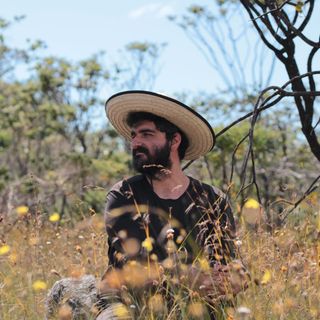
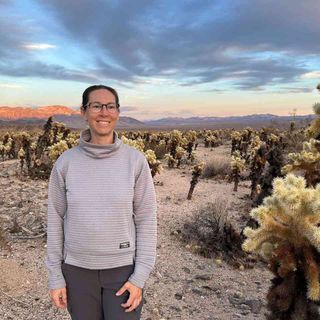
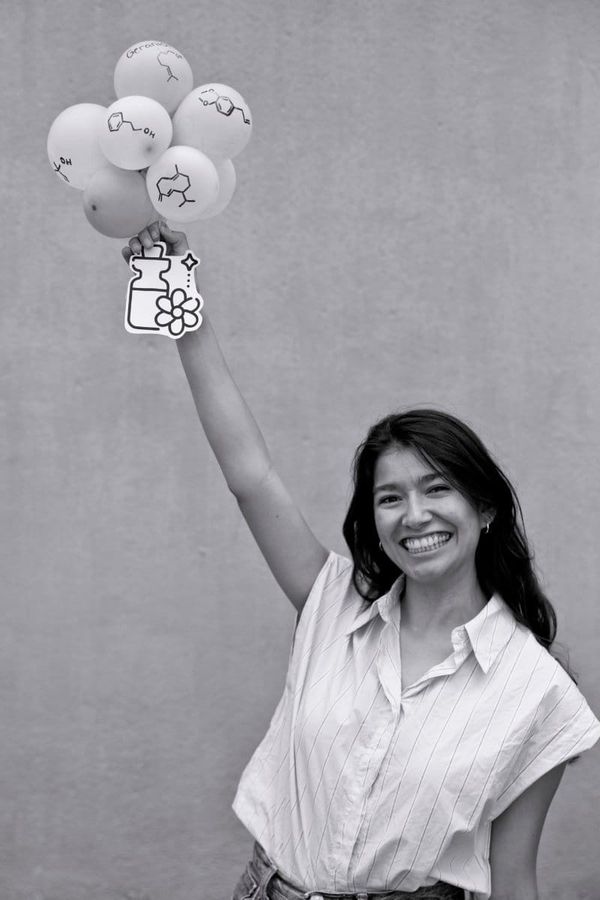
 Sarah Covshoff
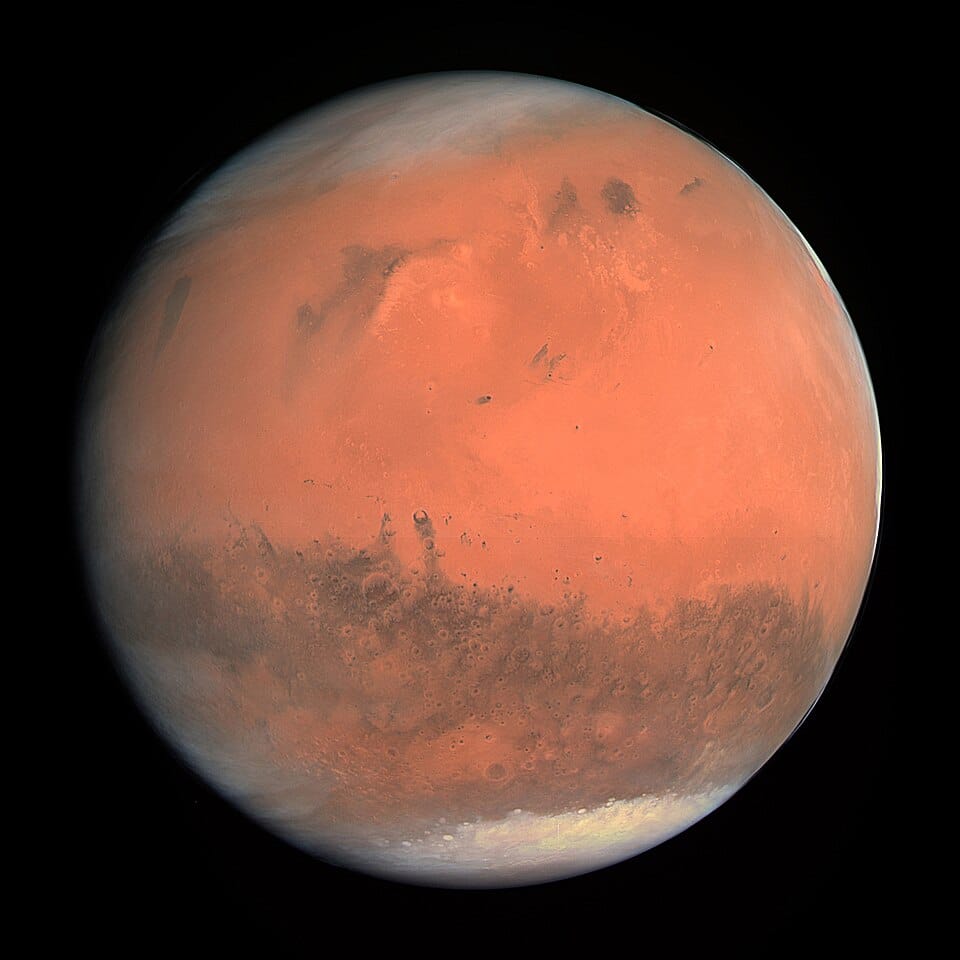 Andrés Pereira-Guaquetá
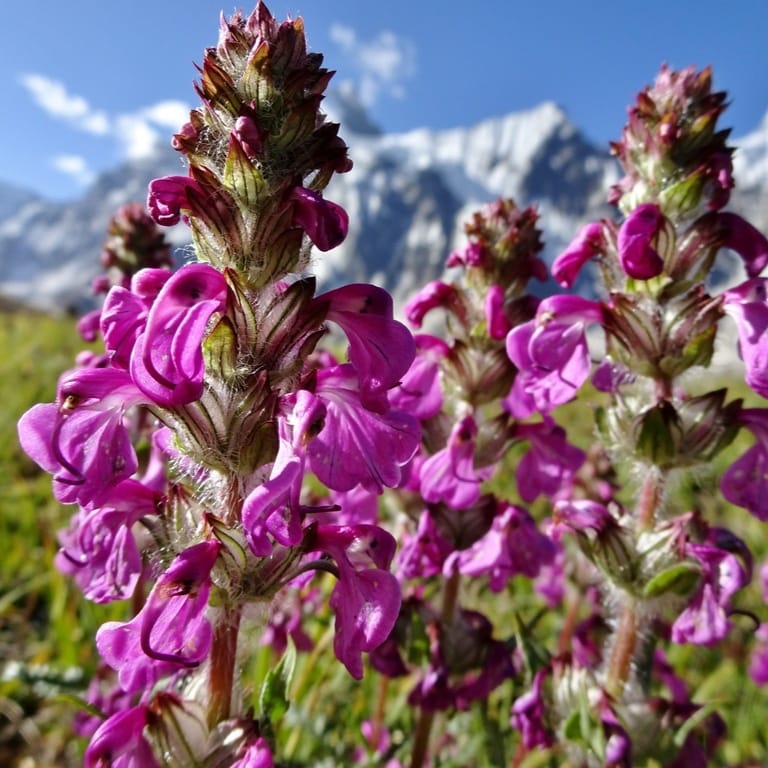 Carlos A. Ordóñez-Parra
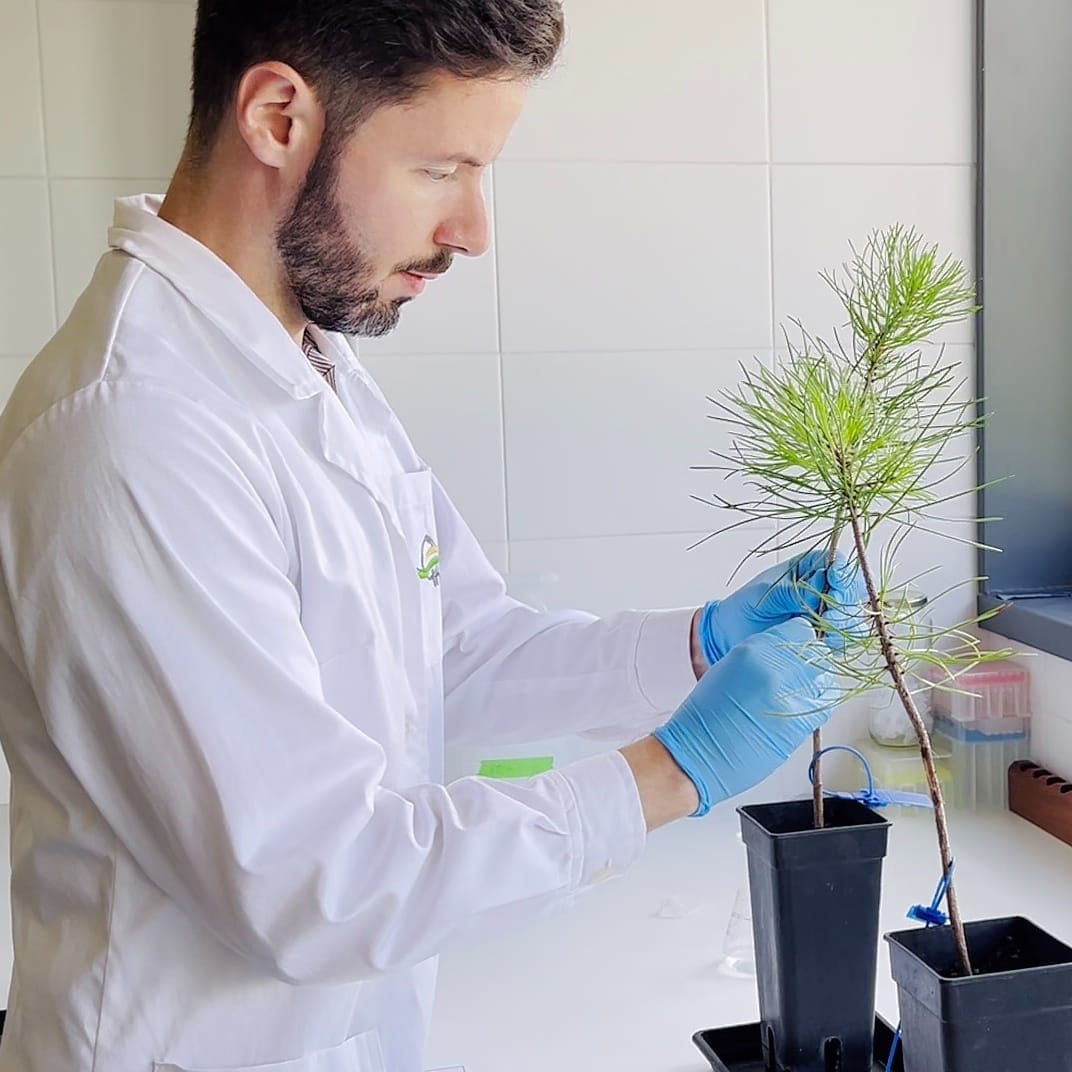 Carlos A. Ordóñez-Parra
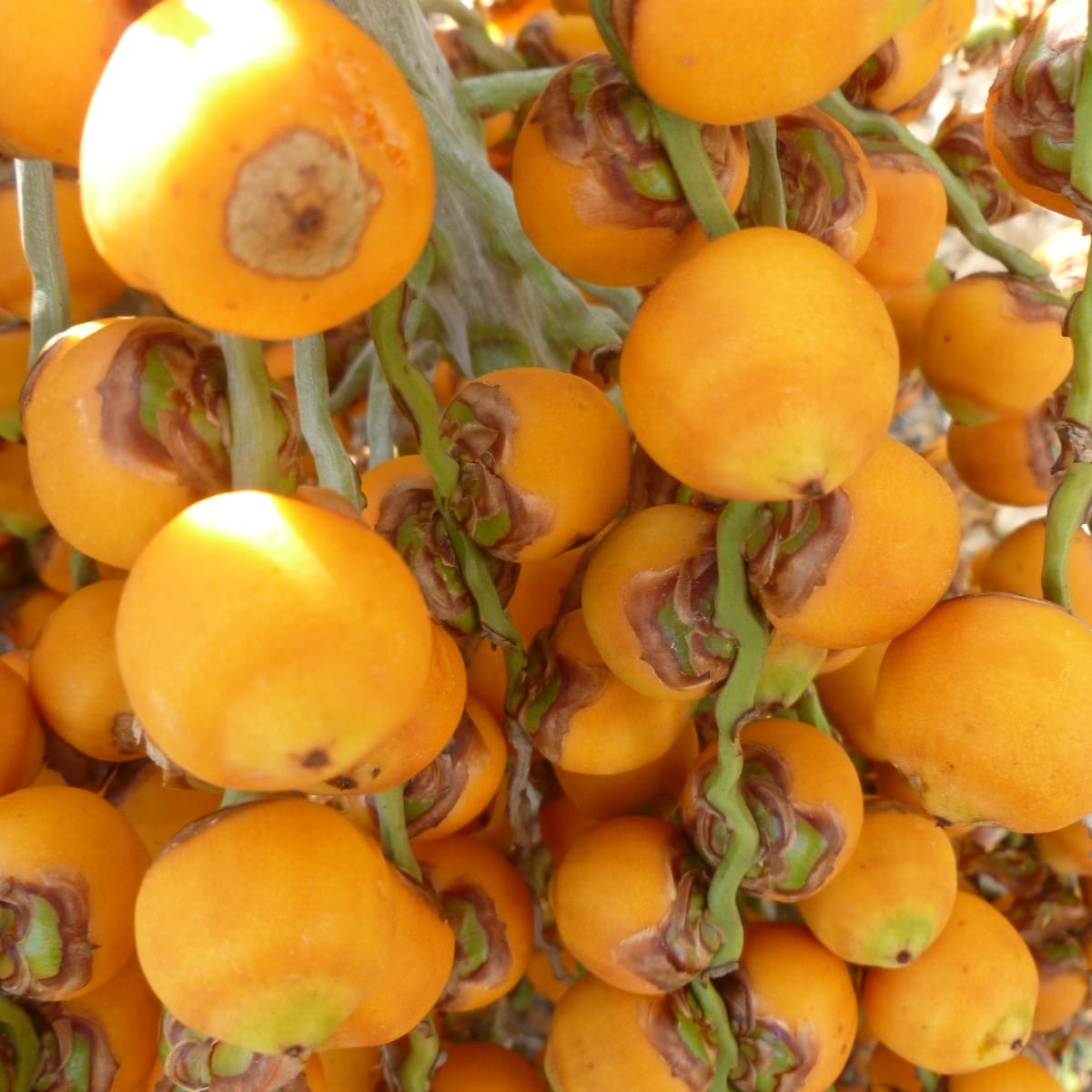 Erika Alejandra Chaves-Diaz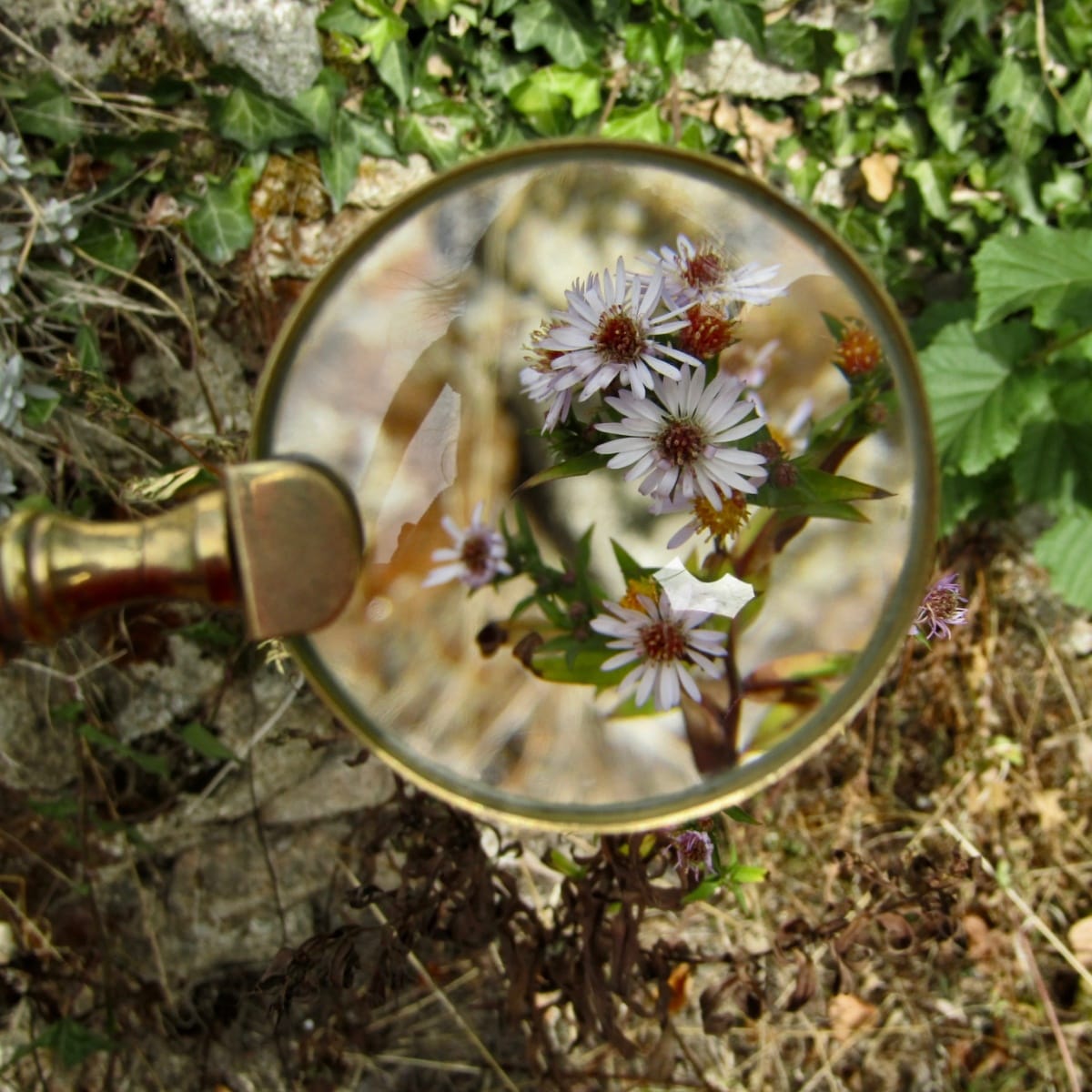
Plant of the Week:
Carlos A. Ordóñez-Parra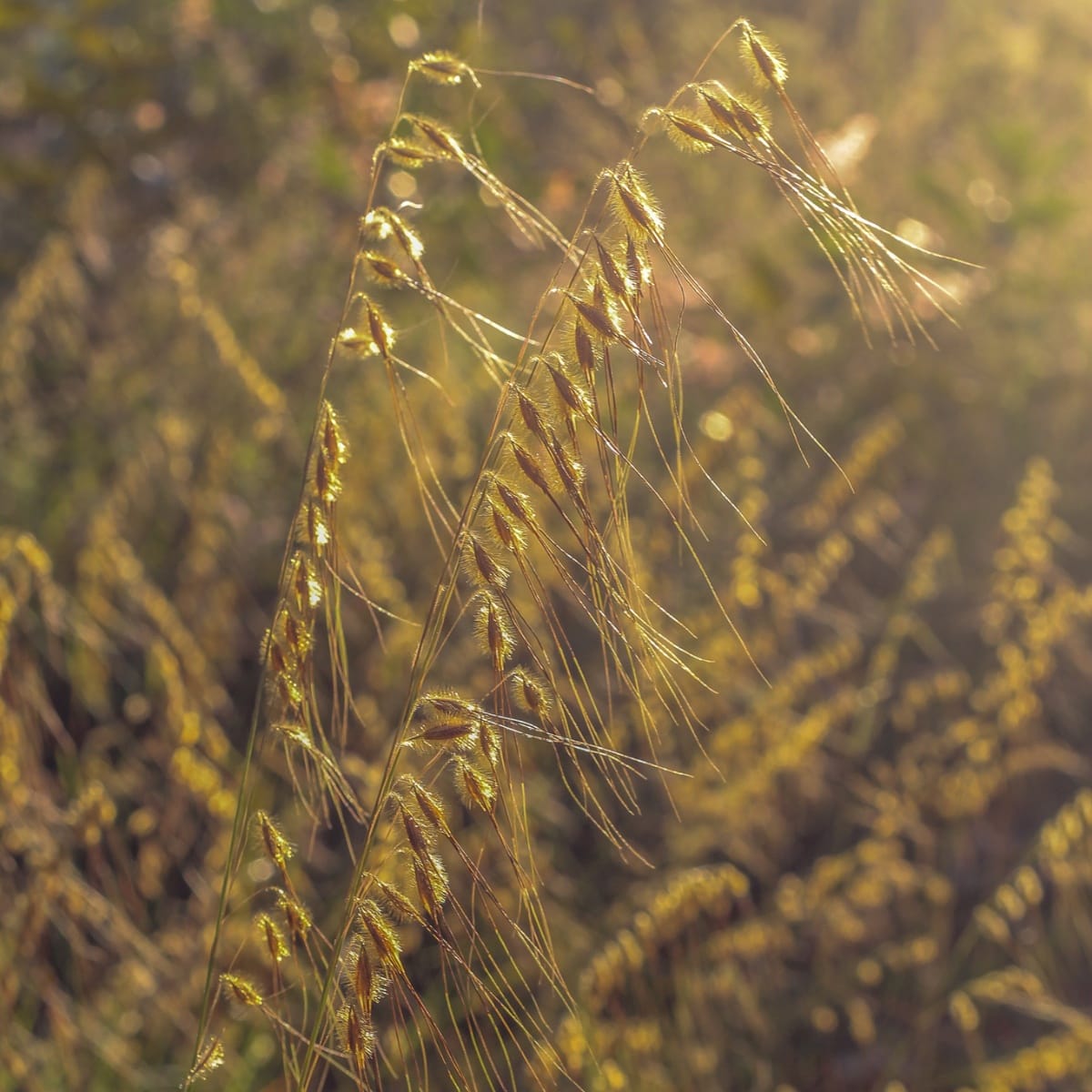
There was also last week's Week in Botany, with stories on how American crops travelled to Europe, the value of pollinators on health and an interview with Dr Damilola Olanipon.
In AoBC Publications
- Ecosystem services, functions, and the value of intact kelp ecosystems 🆓
- Dissecting morphological changes during floral abscission in Arabidopsis thaliana 🆓
- Increasing transpiration sensitivity to rising vapor pressure deficit raises U.S. spring wheat yields under current and future climates: a two-model simulation study 🆓
News & Views
 The Guardian
 cam.ac.uk
Science Shared
Three botany papers widely shared on Bluesky this past week were:
- Selective autophagy fine-tunes plant immunity to promote cell survival during viral infection
Clavel, M. et al. · Science - Cell water-potential sensing through biomolecular condensation 🆓
Woodford, R. et al. · Nature Plants - Endogenous RALF peptide function is required for powdery mildew host colonization 🆓
Leicher, H. et al. · New Phytol
You can see the top 10 with more details at Science Shared: May 30.
Careers on Bluesky
Please note these are not jobs I am offering. Nor can I help you with any visa requirements. At time of writing there are around 100 other jobs posted at Botany One.
 Max Plank Institute of Molecular Plant Physiology
 kws.com
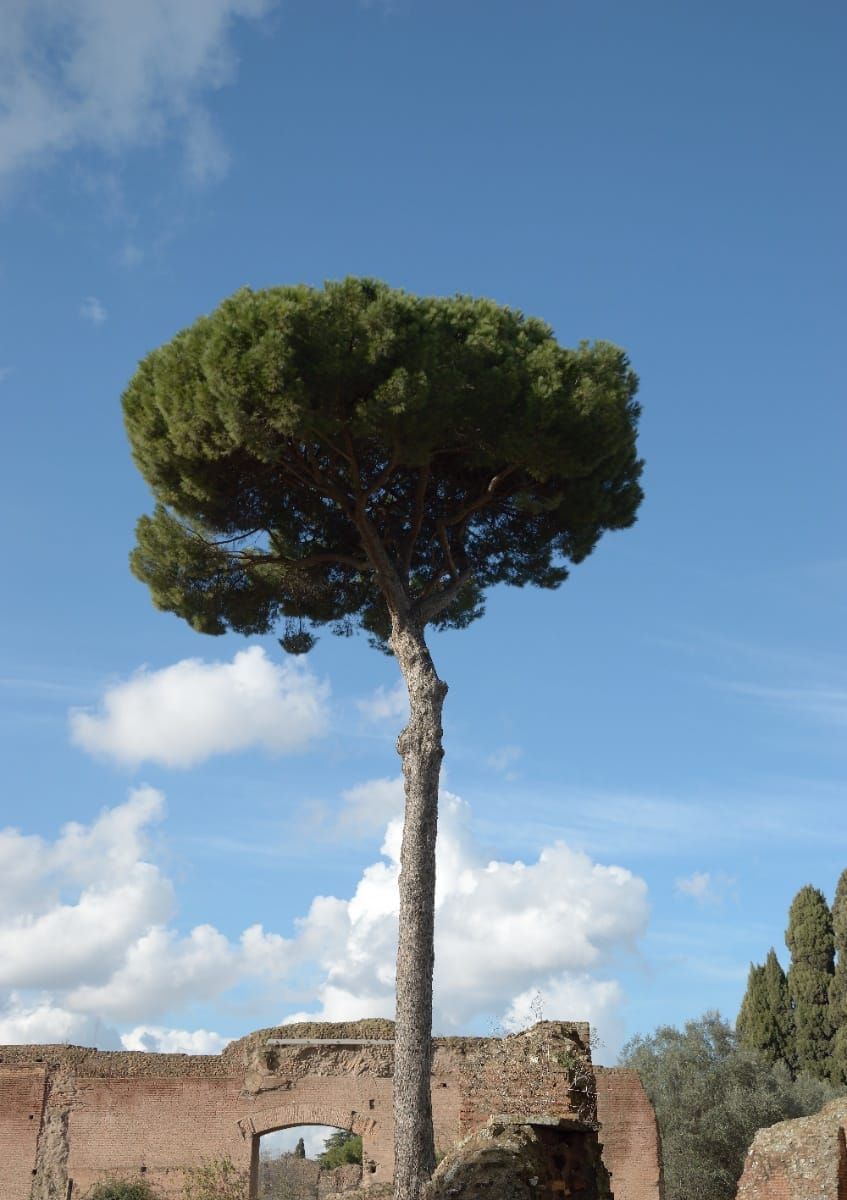
Cover image: Pinus pinaster on Palatine Hill, Rome. Photo by Livioandronico2013 (Wikimedia Commons, CC BY-SA 4.0).