
Here's a round up of the top 10 papers you've been sharing this week on Bluesky. Papers behind a paywall are marked 💰; otherwise, they're free to access at the time of checking.
“Here, we show that Arabidopsis thaliana activates selective autophagy to respond to viruses targeting mitochondria, chloroplasts, and the endoplasmic reticulum. Rather than degrading viral components, autophagy selectively removes the immune regulator Enhanced Disease Susceptibility 1 (EDS1) to prevent cell death.”
“Here we identify a sterile alpha motif (SAM)-containing protein, SAM8, that undergoes water-potential-dependent condensation both in vivo and in vitro and is crucial for hyperosmotic stress tolerance and seed germination. We use biophysical techniques, in vitro reconstitution and bioimaging to demonstrate that SAM8 is strongly hydrated under normal water conditions, preventing its macroscopic condensation.”
“Combining genetics, cell biology and biochemistry, we found that FER's endogenous RALF ligands are necessary for full colonization success of the powdery mildew‐species Erysiphe cruciferarum.”
“We used the EasiGP (Ensemble AnalySis with Interpretable Genomic Prediction) pipeline to investigate the performance of an ensemble approach, targeting flowering-time traits measured in 2 maize nested association mapping datasets. For both datasets, the ensemble-based prediction approach achieved higher prediction accuracy and lower prediction error across the flowering-time traits compared to each individual model.”
“We examined molecular evolution and modelled the change in folding free energy (ΔΔG, where negative values indicate stabilization) of the rubisco large subunit (RbcL) in four phylogenetically distant plant genera: wood ferns (Dryopteris), sea lavenders (Limonium), pines (Pinus), and viburnums (Viburnum).”
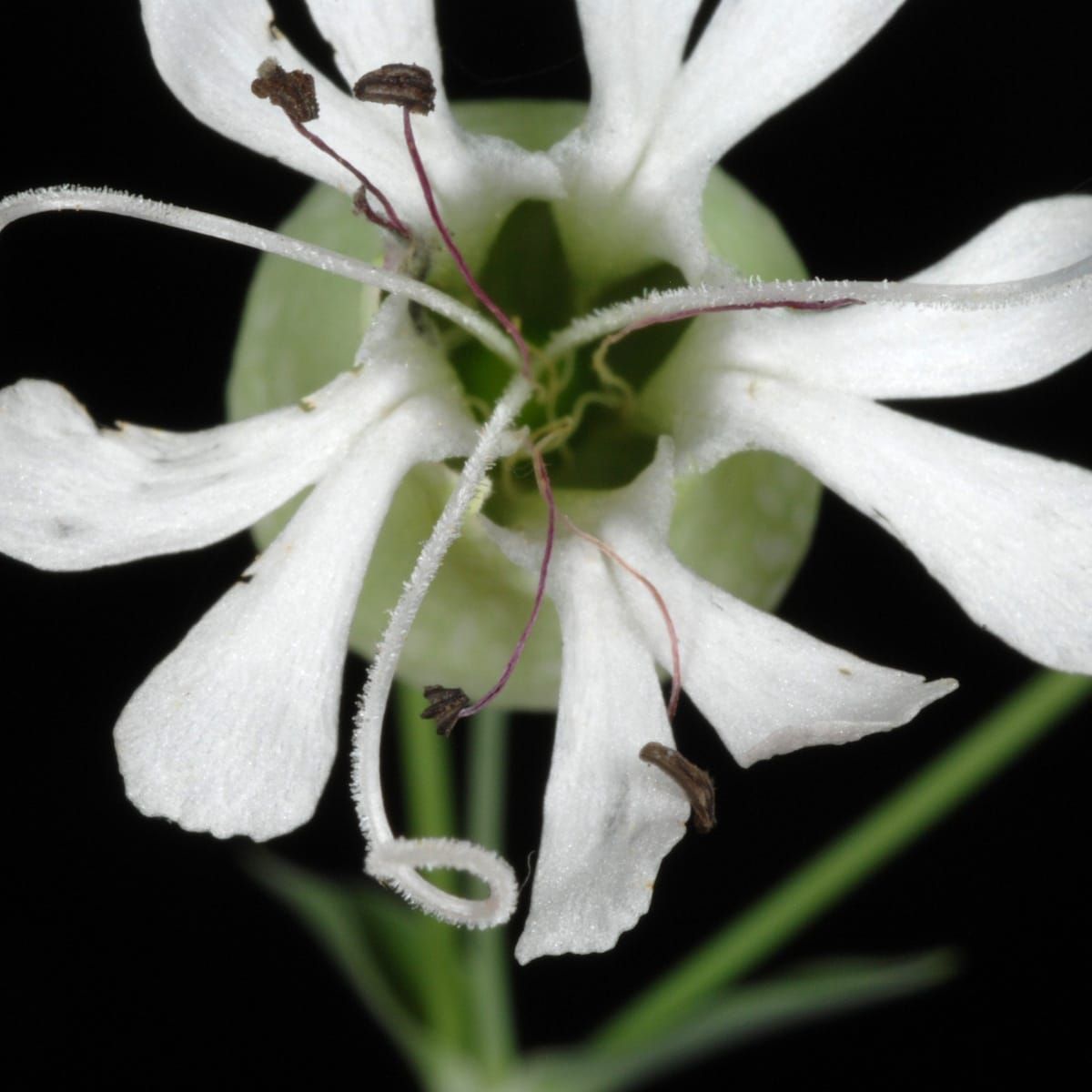
“Here, we review recent progress in evolutionary research on the long‐standing model system Silene , a large genus with a well‐resolved phylogeny and newly available, expanded genomic resources.”
“The female germline precursor cell, known as the megaspore mother cell (MMC), differentiates and develops within the ovule through a complex genetic network, including post‐transcriptional and translational regulation mediated by miRNA. A key player in restricting MMC development to a single cell within the nucellus is the AUXIN RESPONSE FACTOR 3 ( ARF3 ). Here, we describe the role of the VACUOLAR PROTEIN SORTING‐ASSOCIATED 13 ( VPS13 ) in post‐transcriptional regulation of ARF3 .”
“We have recently identified an ethylene response factor, StPti5, as a susceptibility factor that negatively regulates immune responses to diverse pathogens. Here, we investigated the role of StPti5 in the processes involved in the colonization of potato with beneficial organisms.”
“Through precursor gene overexpression, exogenous peptide application, and loss‐of‐function studies, we show here that CLAVATA3/ESR‐RELATED 41 ( CLE41 ), CLE42 , CLE44 , and CLE46 , collectively referred to as TDIF ‐related genes, function redundantly to promote de novo shoot regeneration.”
“This special issue of Plant and Cell Physiology brings together a comprehensive collection of original research articles and reviews that capture current progress in parasitic plant research, ranging from host–parasite signaling, haustorium development, genomic evolution, strigolactone (SL) biology, ecological interactions, and strategies for parasite control.”
Cover image: Silene vulgaris, by Douglas Goldman (Wikimedia Commons, CC BY-SA 4.0)