Dearest TWiB Readers,
Today, the Botany One newsletter is brought to you by Sarah and Carlos. We have teamed up to get the newsletter out this week, as a few of us in the team are on leave. If anything, this shows that our little experiment with other people preparing the newsletter was indeed a success.
The newsletter may look a little different from usual, but we hope you enjoy it just the same. There'll be another TWiB edition with the latest news in botany being shared on Mastodon and Bluesky.
Until next time,
Sarah and Carlos (webmaster@botany.one)
On Botany One
Featured articles:
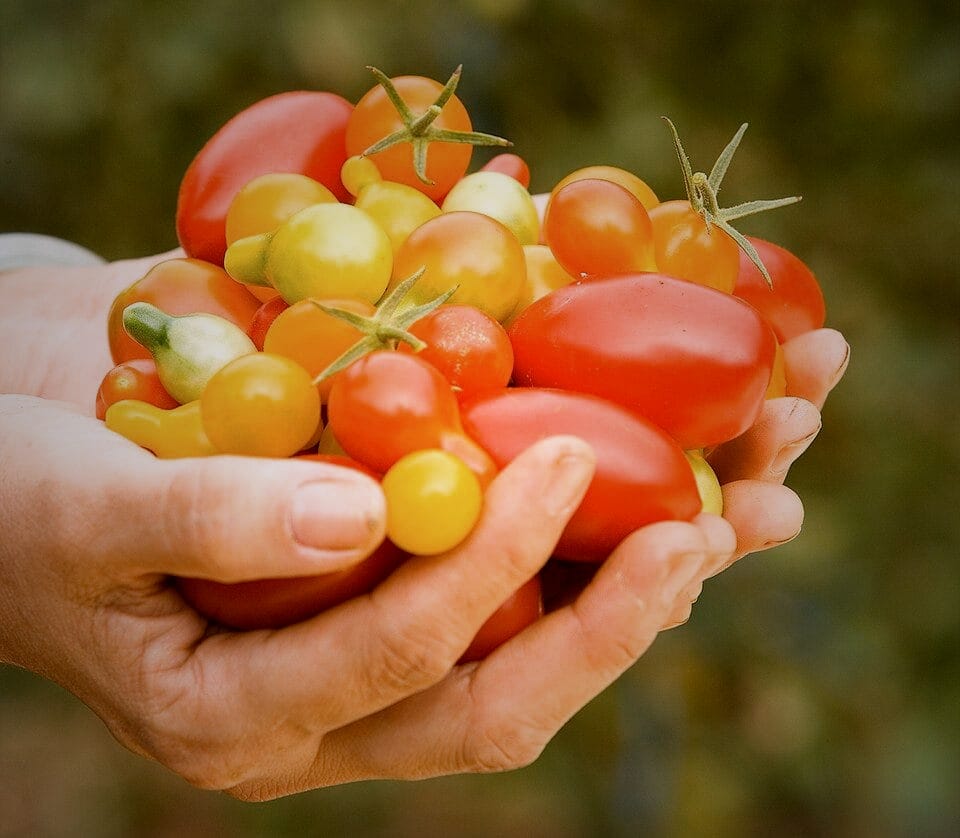
 Carlos A. Ordóñez-Parra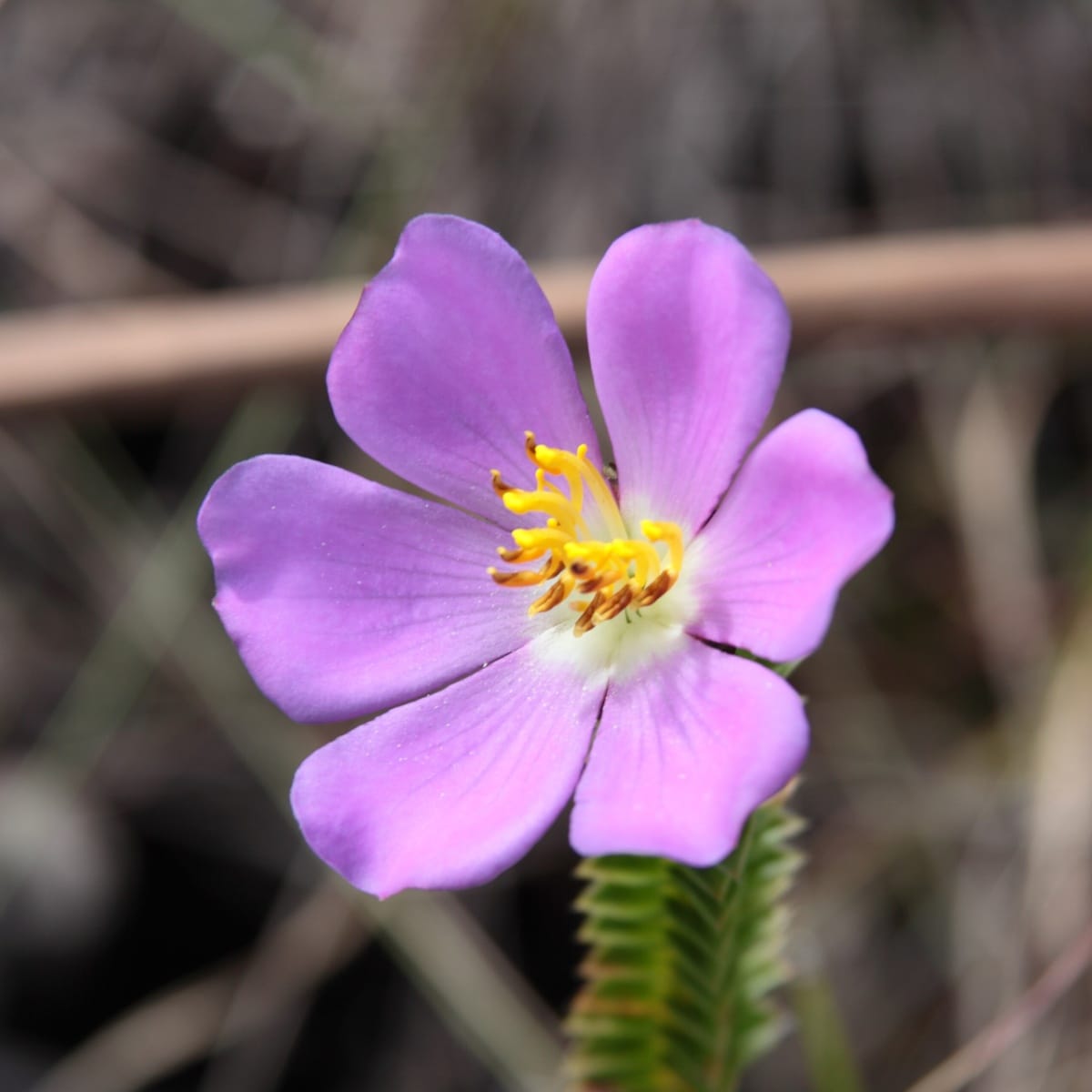
 Sarah Covshoff
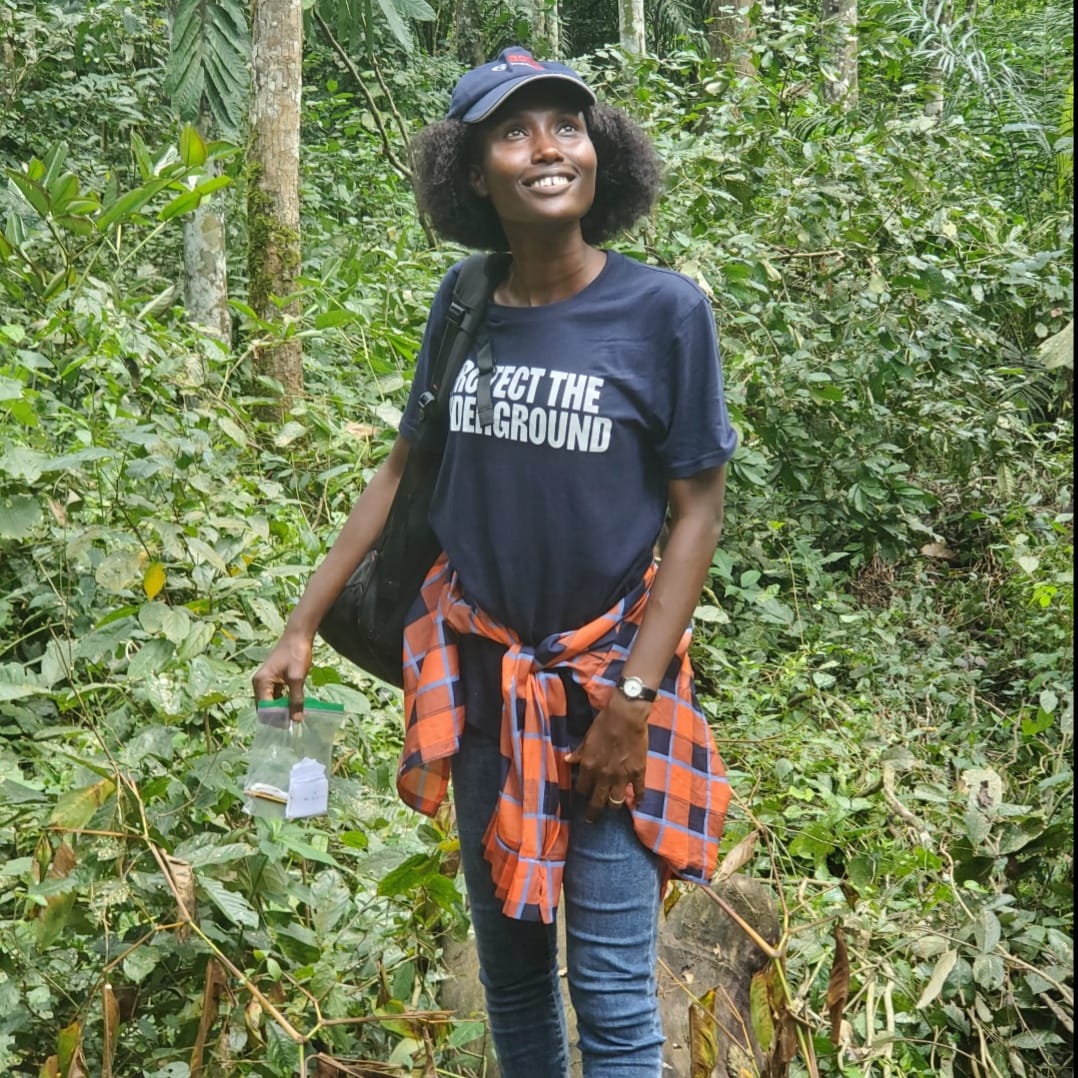
 Carlos A. Ordóñez-Parra
 Erika Alejandra Chaves-Diaz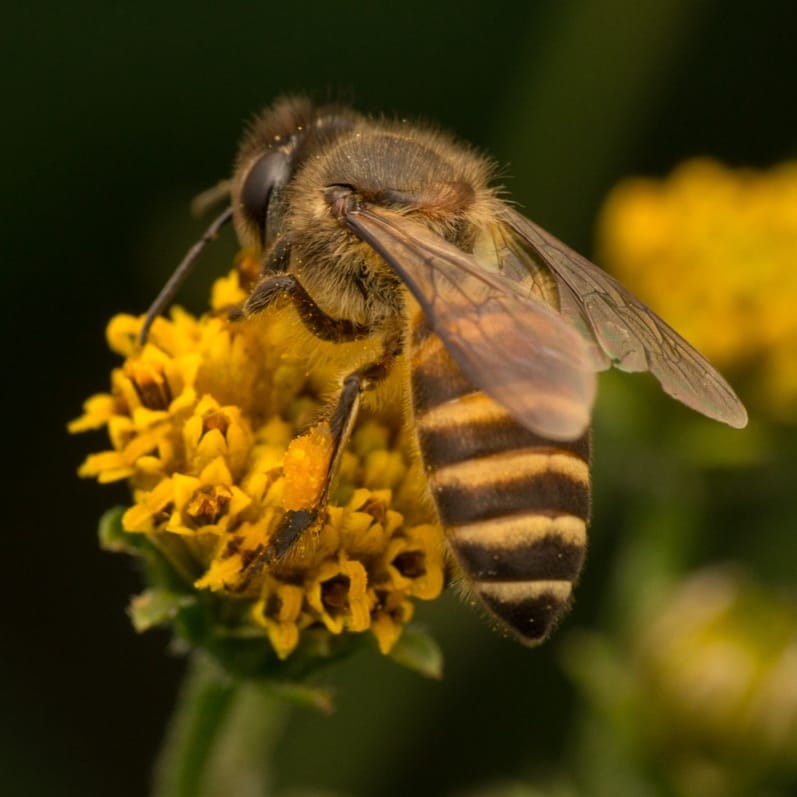
Other articles:
Mareike Jezek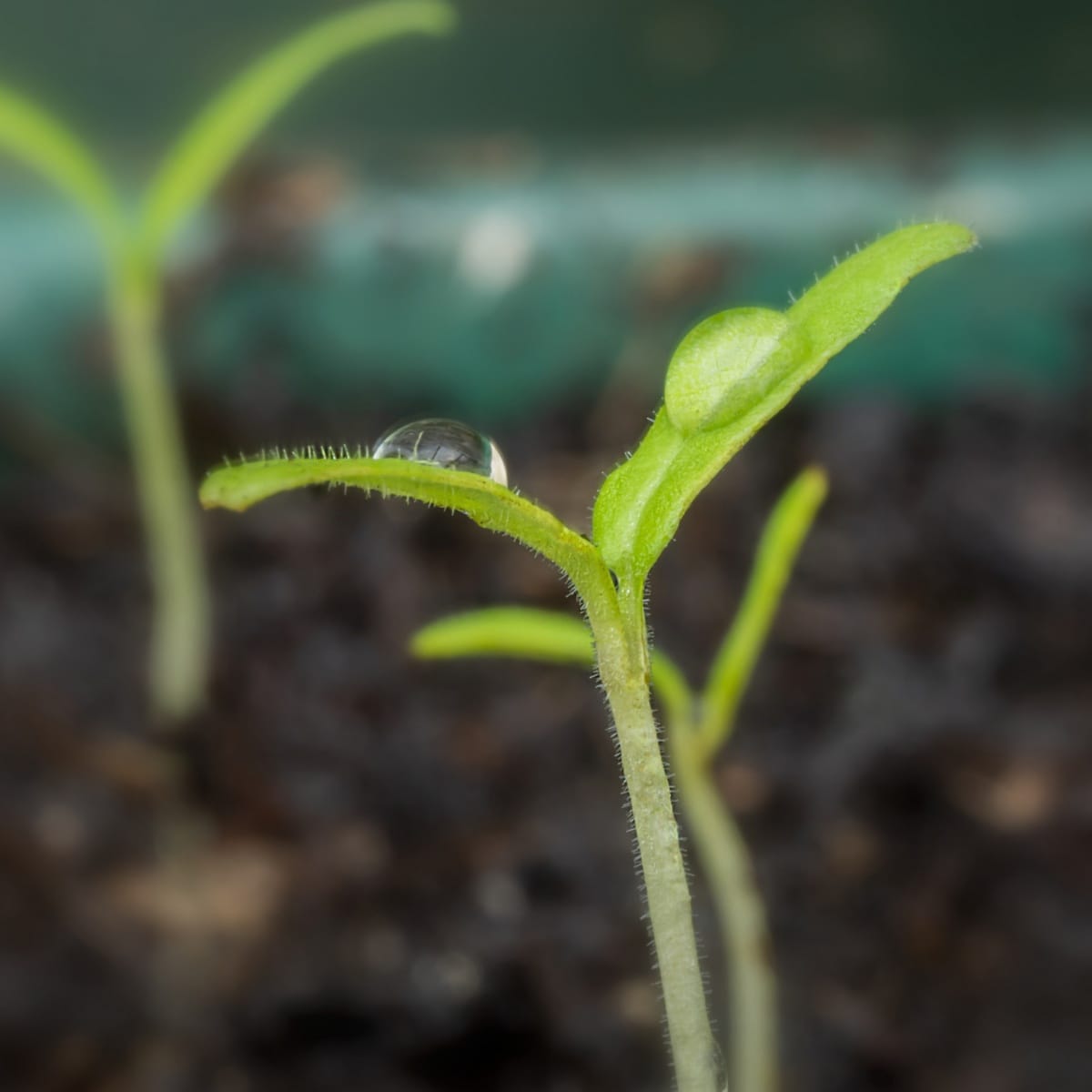
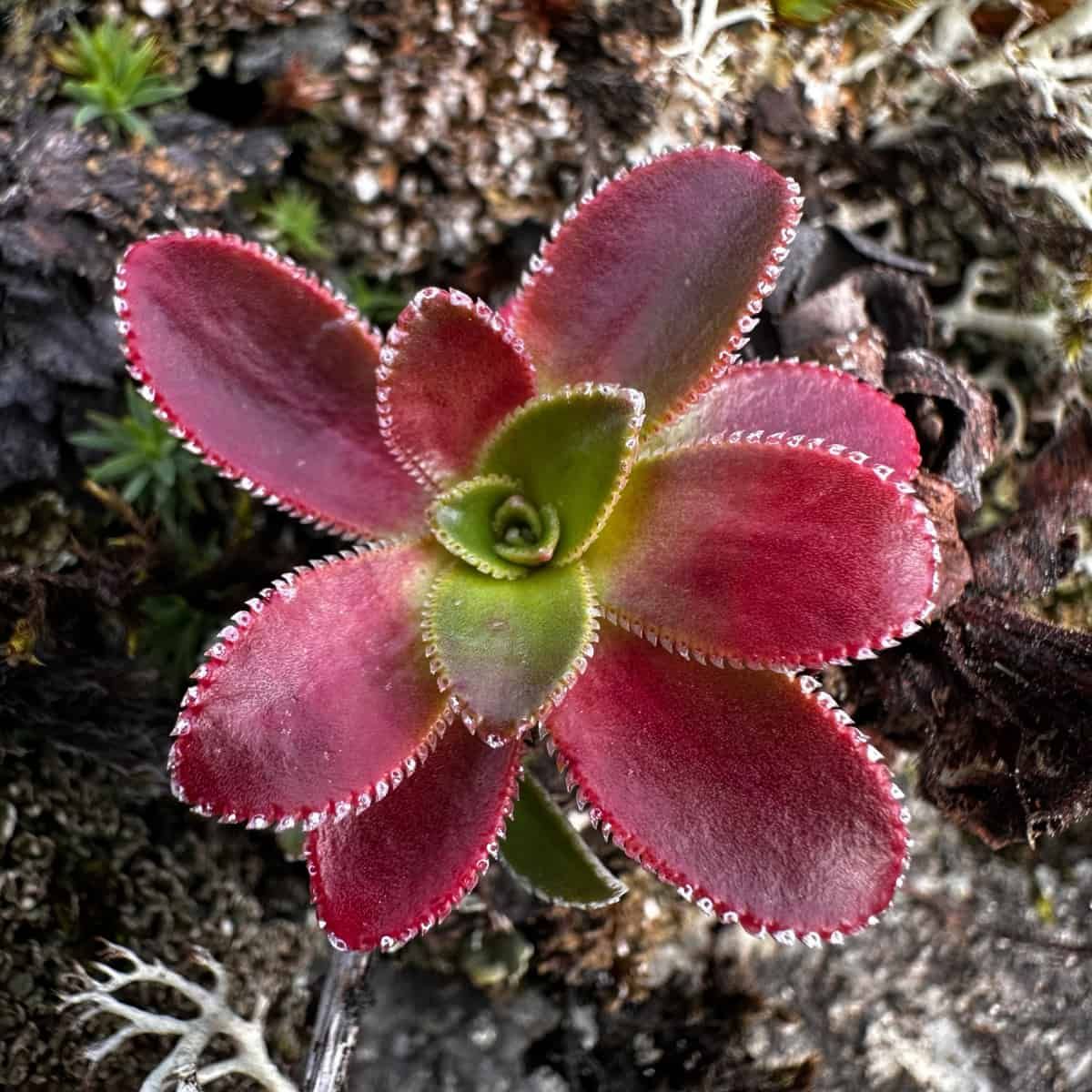
Plant of the Week:
Sarah Covshoff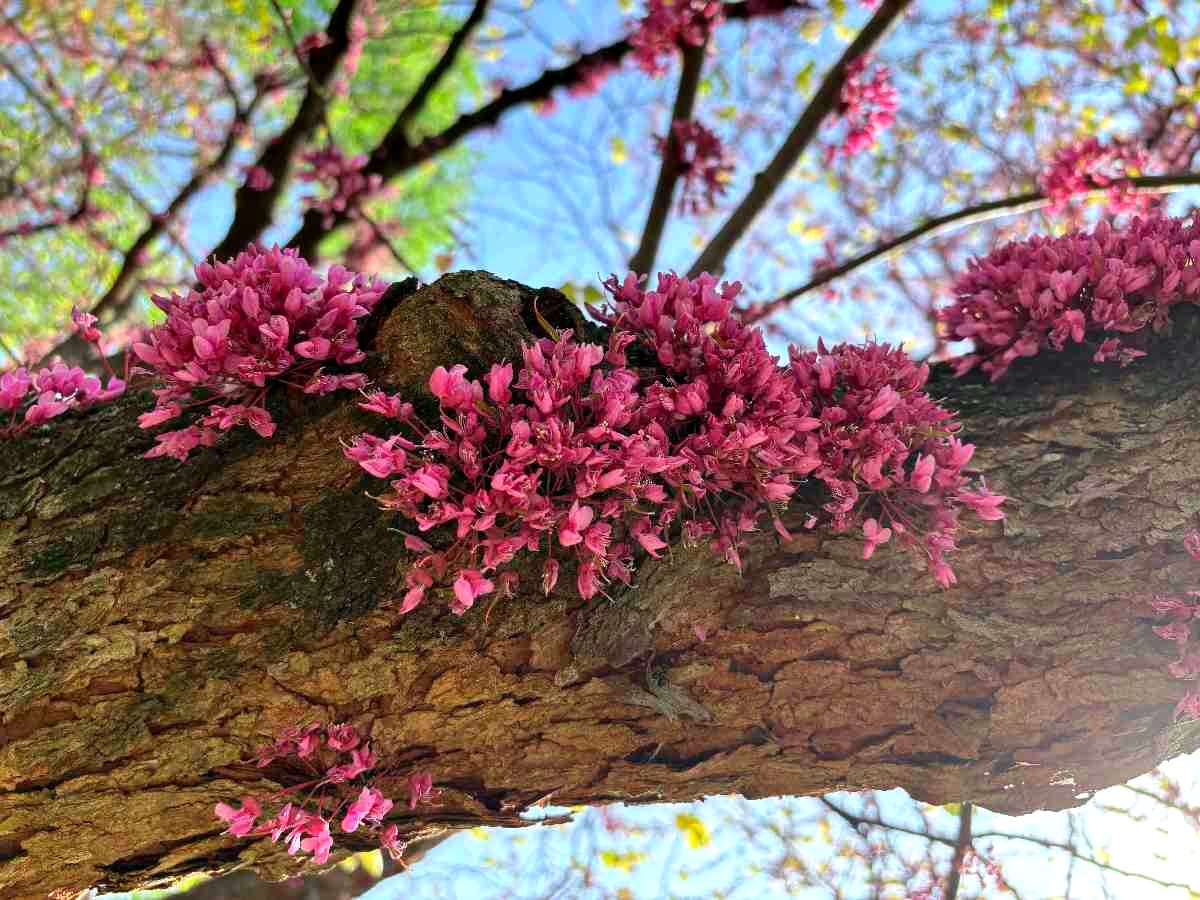
There was also last week's Week in Botany, with the interview with Diego Paredes Burneo, about the extraordinary biodiversity of the Tropical Andes.
In AoBC Publications
- Evaluating species identification apps as a tool for small plot-based surveys of vascular plants in Alberta, Canada 🆓
- Joint transcriptomic and metabolomic analyses of the mechanisms of Juniperus tibetica in response to Arceuthobium oxycedri 🆓
- Taking the common into account: phylogeographical patterns of native, non-endemic plant species of the Canary Islands 🆓
News & Views
 Live Science
 BBC News
 NPR
NPRScience Shared
Three botany papers widely shared on Bluesky this past week were:
- Hierarchical generalized additive models in ecology: an introduction with mgcv 🆓
Pedersen, EJ. et al. · PeerJ - Fitting photosynthetic carbon dioxide and irradiance response curves for C4 leaves 🆓
Woodford, R. et al. · J Exp Bot - Cross‐kingdom communication between plants and parasitic nematodes 🆓
Bell, CA. et al. · New Phytol
You can see the top 10 with more details at Science Shared: May 23.
Careers on Bluesky
Please note these are not jobs I am offering. Nor can I help you with any visa requirements. At time of writing there are around 100 other jobs posted at Botany One.
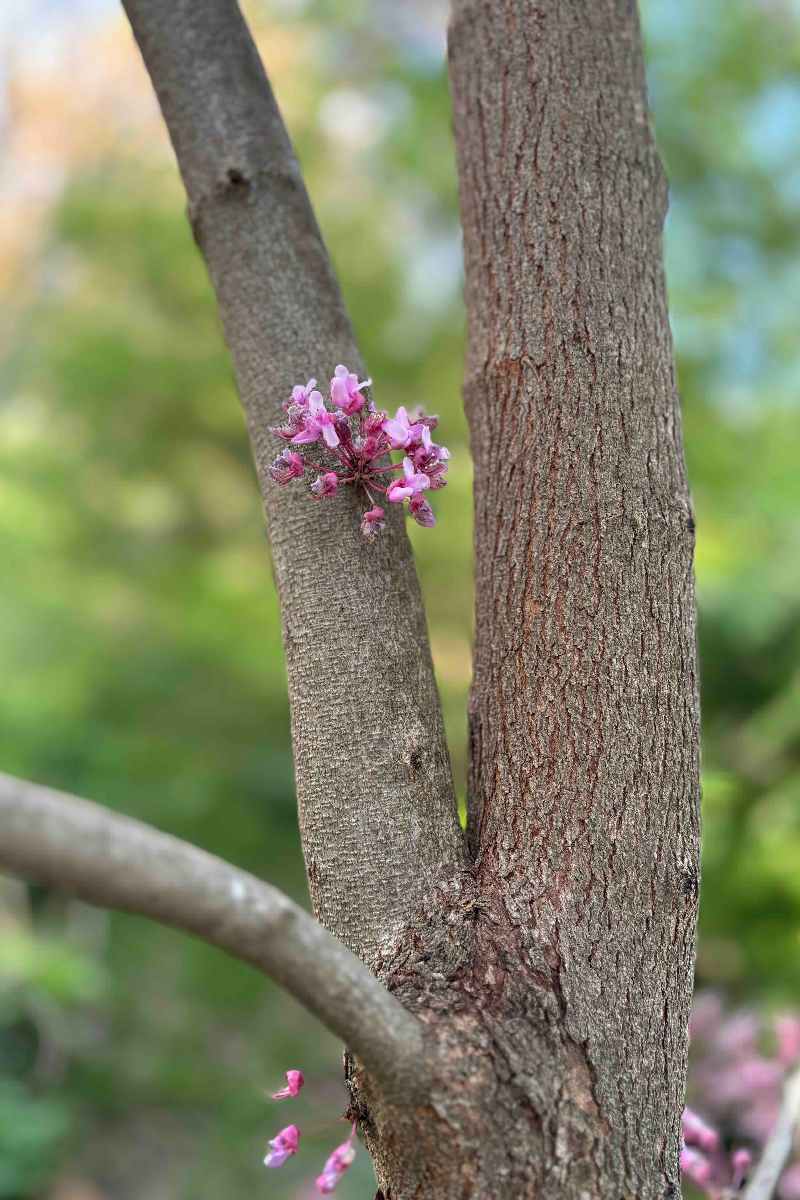
Cover image: Cercis canadensis (Eastern Redbud). Photo courtesy