
Plants are incredibly diverse, and so are botanists! In its mission to spread fascinating stories about the plant world, Botany One also introduces you to the scientists behind these great stories.
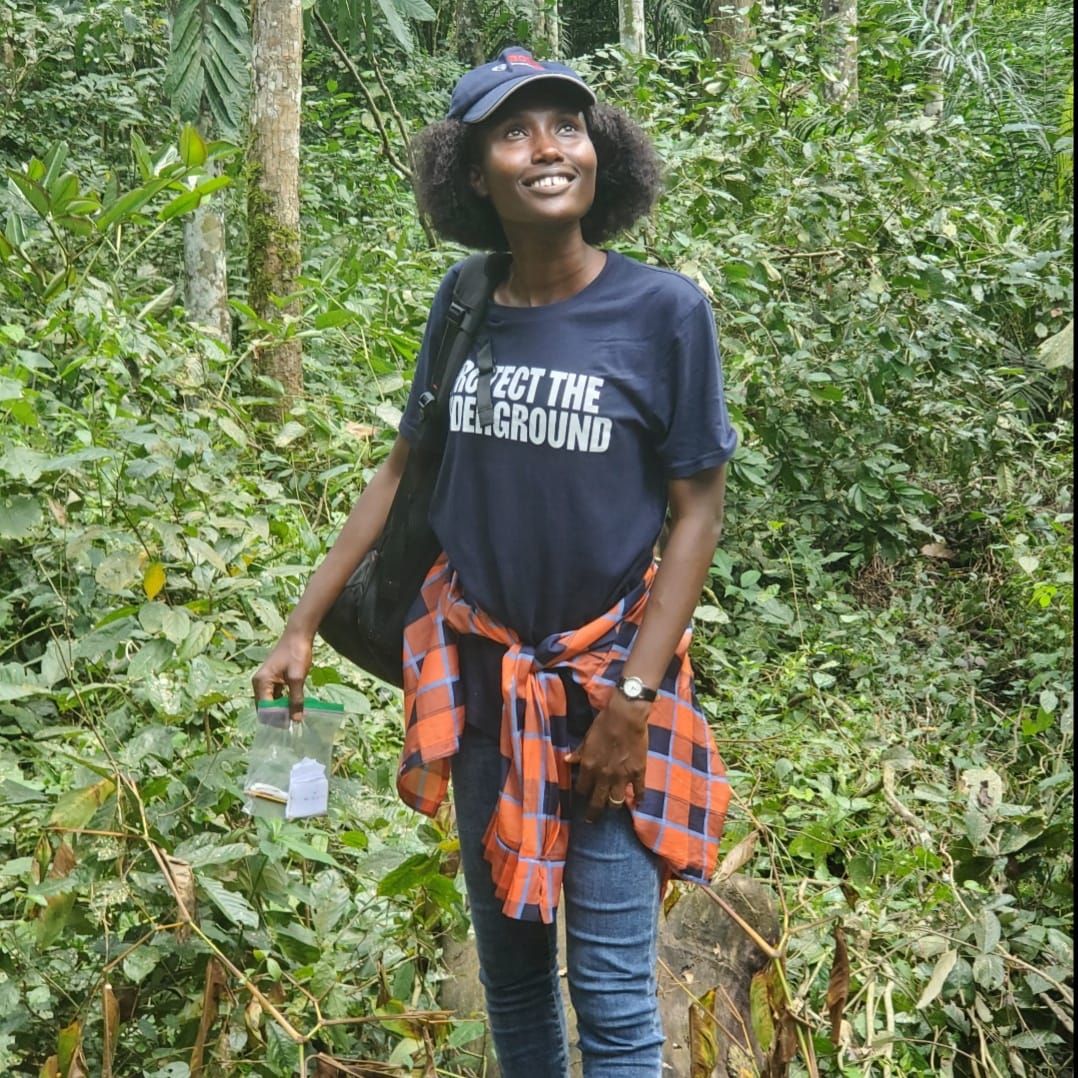
Today, we have Dr Damilola Olanipon, an ecologist working at the intersection of plant and microbial ecology. Olanipon is a 2023 Cohort Fellow and Underground Explorer at the Society for the Protection of Underground Networks (SPUN). She is also currently a Make Our Planet Great Again (MOPGA) Postdoctoral Research Fellow at the Centre for Functional Ecology and Evolution and the Montpellier European Ecotron, CNRS, France.
Her current research focuses on assessing how soil amendments such as green algae, biochar, and basalt influence soil carbon sequestration and soil biodiversity, including fungal, bacterial, nematode, and mesofauna communities. Previously, she studied soil fungal communities—particularly arbuscular mycorrhizal fungi—in tropical rainforests in Nigeria, investigating how land-use changes and other human activities affect these ecosystems.
Olanipon also studies plant ecophysiology under controlled conditions, examining how factors such as light, humidity, drought, and soil nutrient availability influence plant growth, development, and resilience. Her research journey has taken her from Nigeria to Belgium, Spain, Poland, Germany, and France, with support from organisations such as the Coimbra Group, the Harambee Association ONGD, the Council for Tropical and Subtropical Agriculture (ATSAF), and Campus France.
You can learn more about her research on LinkedIn and Google Scholar, as well as through her blog post and podcast with the British Ecological Society commemorating Black History Month in 2022 and 2024.
What made you become interested in plants?
During my high school years in Nigeria, I excelled in Biology and Agricultural Science. I was always captivated by how scientific theories about photosynthesis, nutrient cycling, and adaptation played out in real life as the seasons changed. As an undergraduate at Obafemi Awolowo University, I studied Botany and took courses in plant anatomy, taxonomy, ecology, physiology, bryology, algology, genetics, and several others. More importantly, field trips to different ecological zones in Nigeria exposed me to a wide range of ecosystems, from grasslands to forests. I became fascinated by the diversity of plant species within their ecological niches, especially their unique architecture and growth patterns in response to climatic conditions.
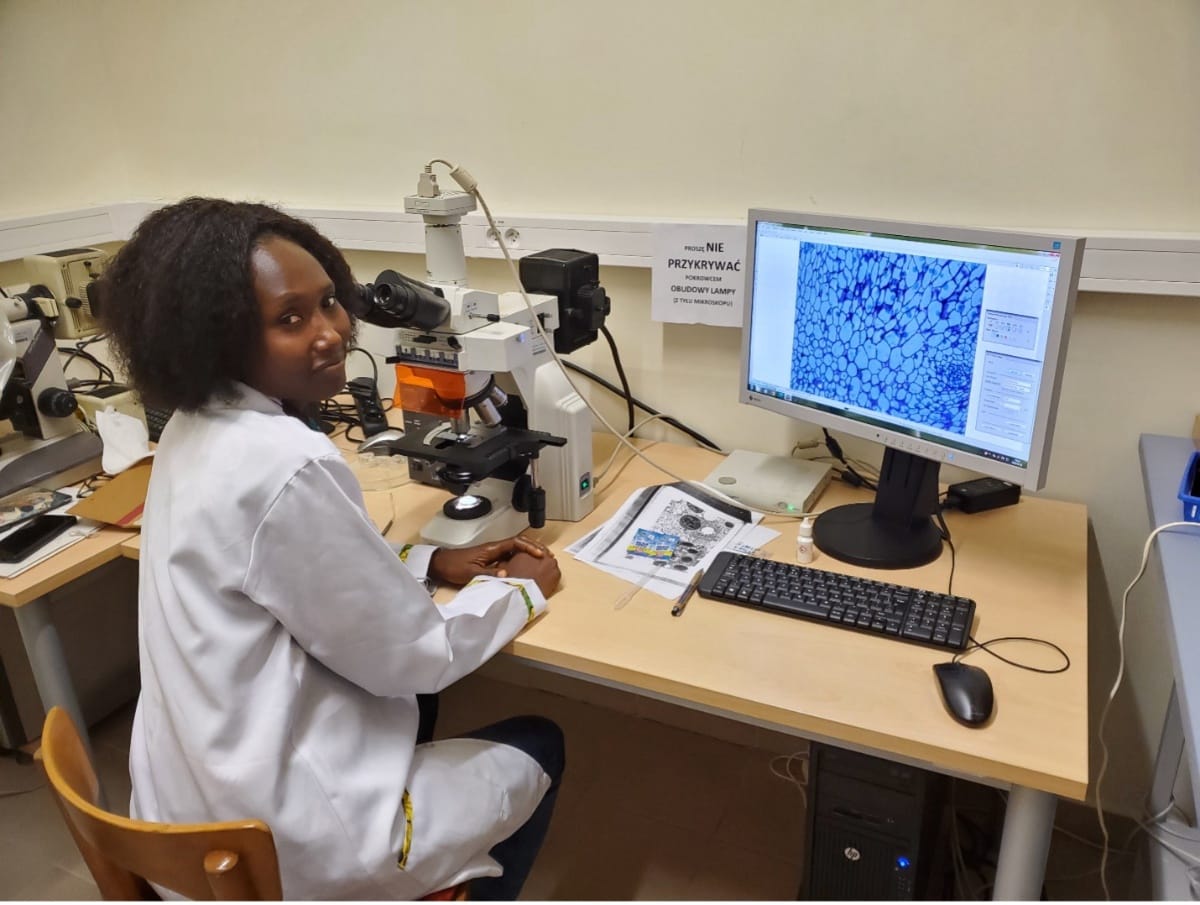
My undergraduate research focused on the anatomy of four species of Dieffenbachia, beautiful ornamental houseplants. Using light microscopy, I examined their foliar and petiole anatomy to identify structures such as stomata, epidermal cells, and collenchyma tissues. Hidden within these seemingly simple tissues were raphides and druses, needle-like calcium oxalate crystals that are highly poisonous if consumed. This research stimulated my interest not only in toxic plants, but also in beneficial plants and their symbiotic relationships with other organisms.
What motivated you to pursue your current area of research?
My motivation has continued to evolve over the years. During my PhD, I studied the ecophysiology of Solanum macrocarpon, an indigenous vegetable species in southwest Nigeria. By growing it under greenhouse conditions, I established optimum conditions for its large-scale cultivation. For my master’s thesis on urban forestry in Nigeria, I investigated how tree species along busy roads sequester air pollutants. That study sparked my interest in tree ecology and forest science, particularly how native forests support ecosystem stability and provide habitats for other life forms.
While studying rainforest tree ecology in southwest Nigeria, I discovered that these trees do not exist in isolation. They form symbiotic relationships with arbuscular mycorrhizal fungi, and these partnerships facilitate carbon exchange and nutrient transport. In fact, this beneficial relationship exists in more than 80% of all land plants. That means a great deal is happening underground: plants are connected by fungal networks that play crucial roles in carbon sequestration and climate regulation.
This realisation became a compass for me. My aim has always been to educate society about the importance of biodiversity conservation, especially the ecological value of tree species and the urgent need to stop forest degradation. We cannot protect what we cannot see, and these fungal networks remain invisible without research. That is what drives me: making the invisible visible, and in doing so, giving people a reason to care.
What is your favourite part of your work related to plants?
Undoubtedly, my favourite aspect is studying plant–microbial interactions, especially mycorrhizal fungi. They are fascinating organisms, from their role in enhancing plant resilience under adverse environmental conditions to improving water and nutrient transport through their hyphal networks and contributing to carbon sequestration. These beneficial microorganisms are fundamental to plant survival. I have come to realise that to truly understand plant health and forest resilience, we must look beyond leaves and stems to the fungal networks beneath our feet.
Equally rewarding for me is monitoring plant growth under controlled conditions, whether in greenhouses, microcosms, mesocosms, or macrocosms. By manipulating variables such as temperature and water availability and observing plants’ physiological responses, I remain constantly amazed by how these sessile organisms have evolved sophisticated strategies to cope with environmental stress.
Are any specific plants or species that have intrigued or inspired your research? If so, what are they and why?
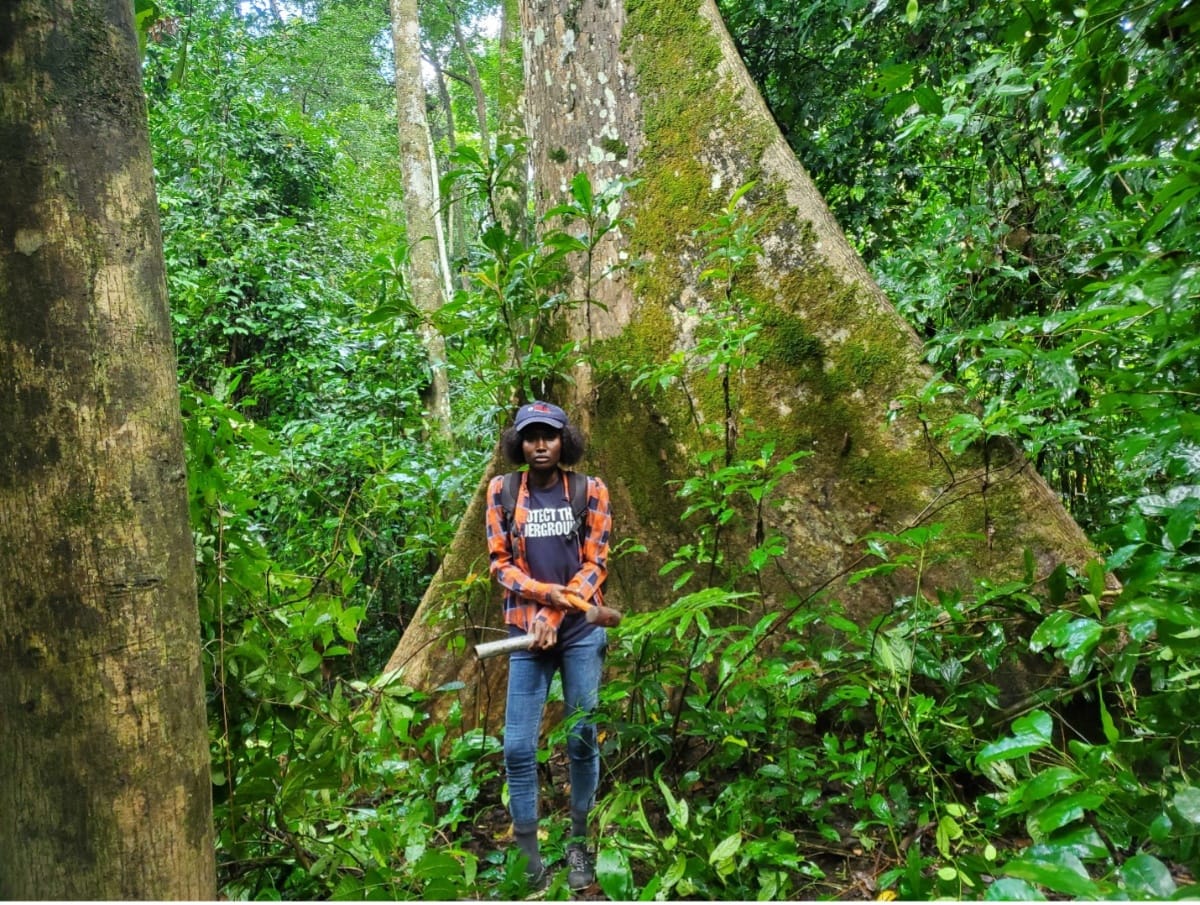
Trees are my friends. I love native, undisturbed forest environments: the serenity, the sense of peace and calm, the gentle flow of clean streams, and the sounds of birds. My research question has therefore always been: what supports the stability of these ecosystems?
Unfortunately, during my field research in Nigeria, I have observed how anthropogenic activities such as deforestation, logging, and farming are eroding these environments at an alarming rate. We must stop this destruction and protect our forests. My research objective is therefore centred on biodiversity conservation, ensuring that these higher plants, which host beneficial microbes, are protected. Trees are not just plants; they are hosts, connectors, and anchors of entire ecosystems. Protecting them also means protecting the invisible networks beneath them.
Could you share an experience or anecdote from your work that has marked your career and reaffirmed your fascination with plants?
From studying plant anatomy through microscopy as an undergraduate, to researching plant ecophysiology and now plant–microbial ecology, I remain fascinated by plants. No matter how much we learn, plants still hold secrets waiting to be discovered.
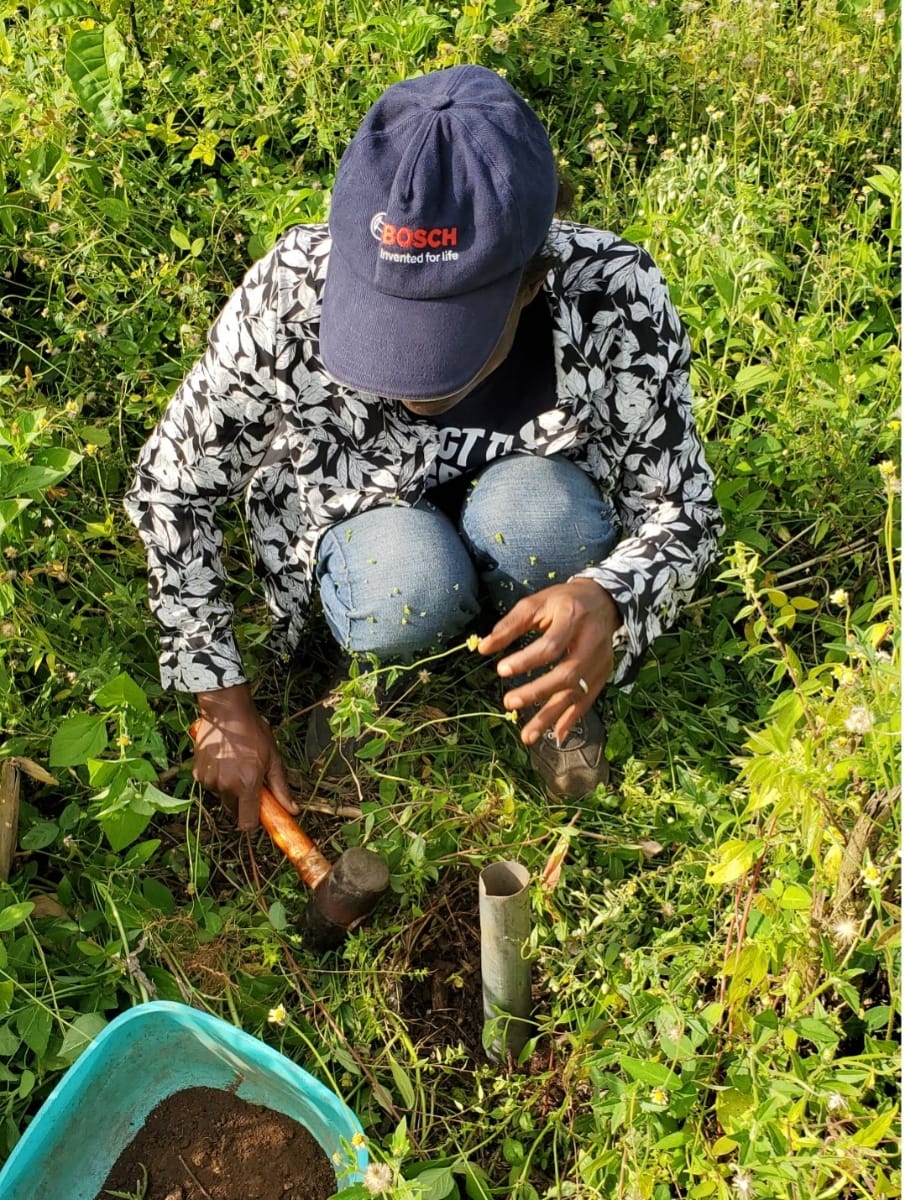
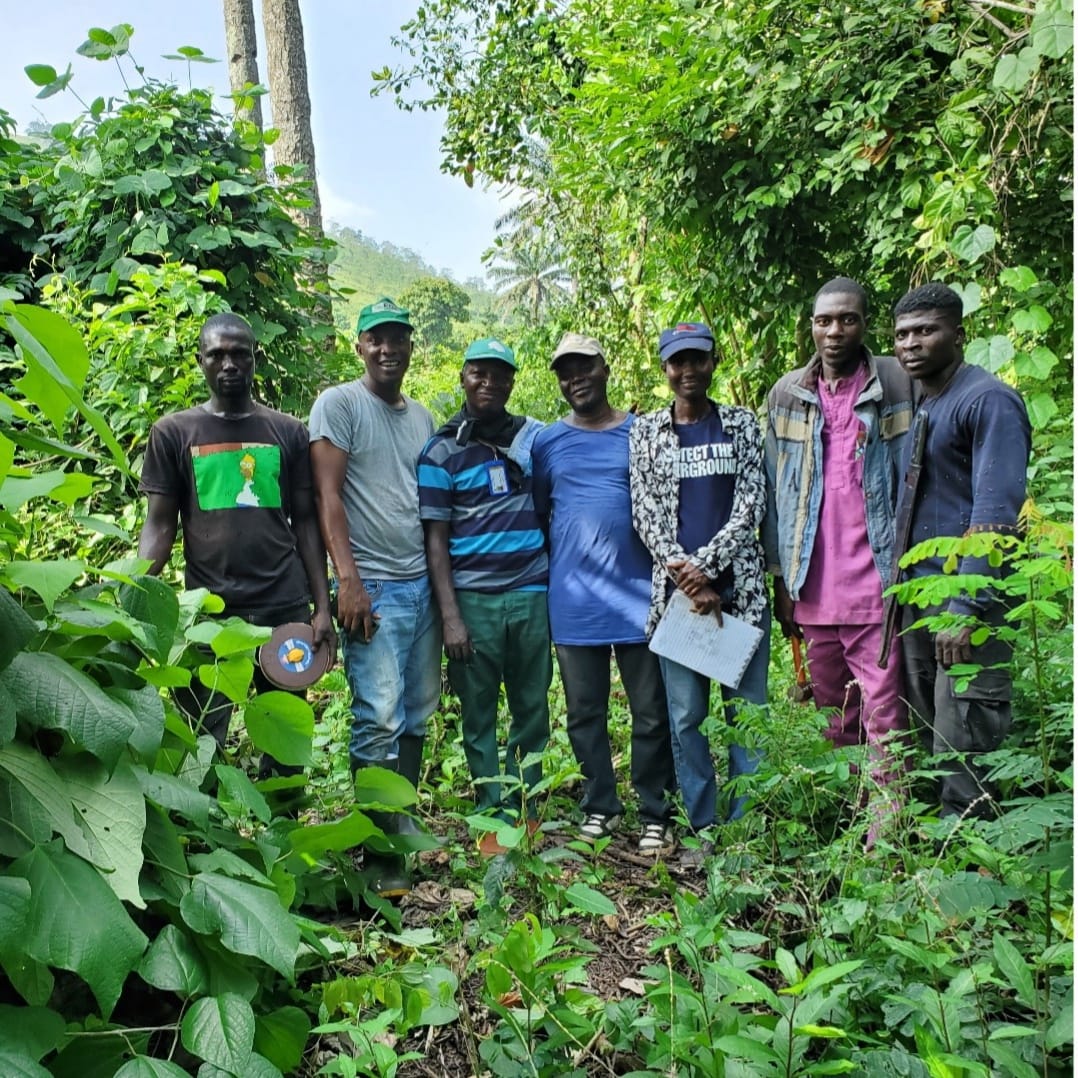
Receiving the Coimbra scholarship at KU Leuven, where I used metabarcoding to investigate arbuscular mycorrhizal fungal diversity, community composition, and association networks among tropical trees, marked a pivotal point in my career. Following this, I received the Underground Explorers Grant from the Society for the Protection of Underground Networks (SPUN) to conduct mycorrhizal mapping in forest reserves across Nigeria. These studies further deepened my interest in plant–microbe interactions. As a result, my current research now also focuses on other beneficial microbes, including bacterial populations that support plant growth and contribute to ecosystem protection.
What advice would you give young scientists considering a career in plant biology?
Over the years, I have observed that plant biology is not always the first choice for many undergraduates. However, I believe that whatever is worth doing is worth doing well. Every course of action deserves our best efforts. Success comes through focus, hard work, and determination.
You simply need to discover the aspect of plant research that fascinates you. And if you are like me, you may never look back. My path certainly did not follow a straight line, and yours may not either. Embrace those detours; they often lead to the most exciting discoveries. Every obstacle I encountered taught me creativity and resilience.
I also encourage young scientists to seek mentors beyond their immediate environment, join professional organisations, attend workshops—both virtual and in person—and actively build their networks.
What do people usually get wrong about plants?
People often assume that non-edible or non-medicinal plants are unimportant. But plants, whether lower or higher plants, edible or not, are never useless. They are the lungs of the Earth, producing the oxygen we breathe. Without them, we would not exist. That is why we must protect them for our continued survival.
Moreover, plants do not exist in isolation. They form intricate networks that stabilise ecosystems by trading carbon for nutrients through fungal partners. When we lose a plant species, we do not simply lose a single organism. We lose its unique partnerships, its network of relationships, and its contribution to ecosystem functioning. Sustaining these plant–microbial relationships is therefore essential.