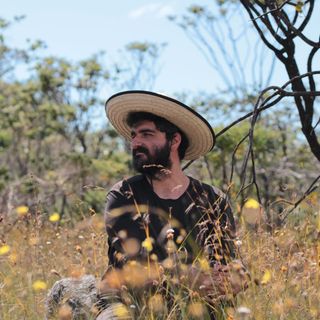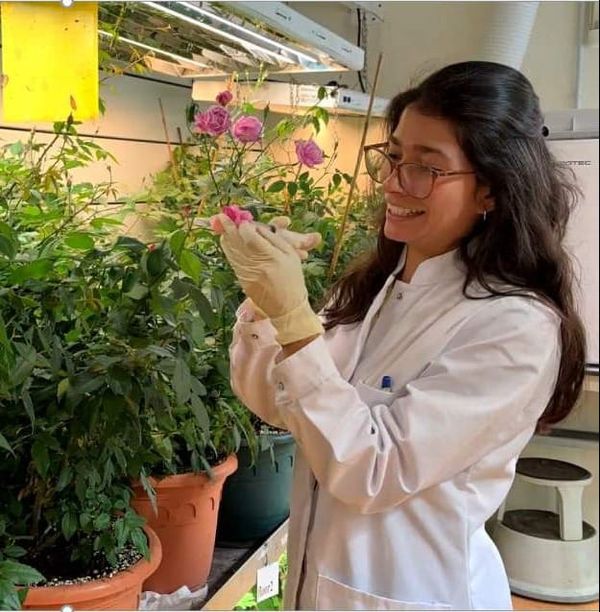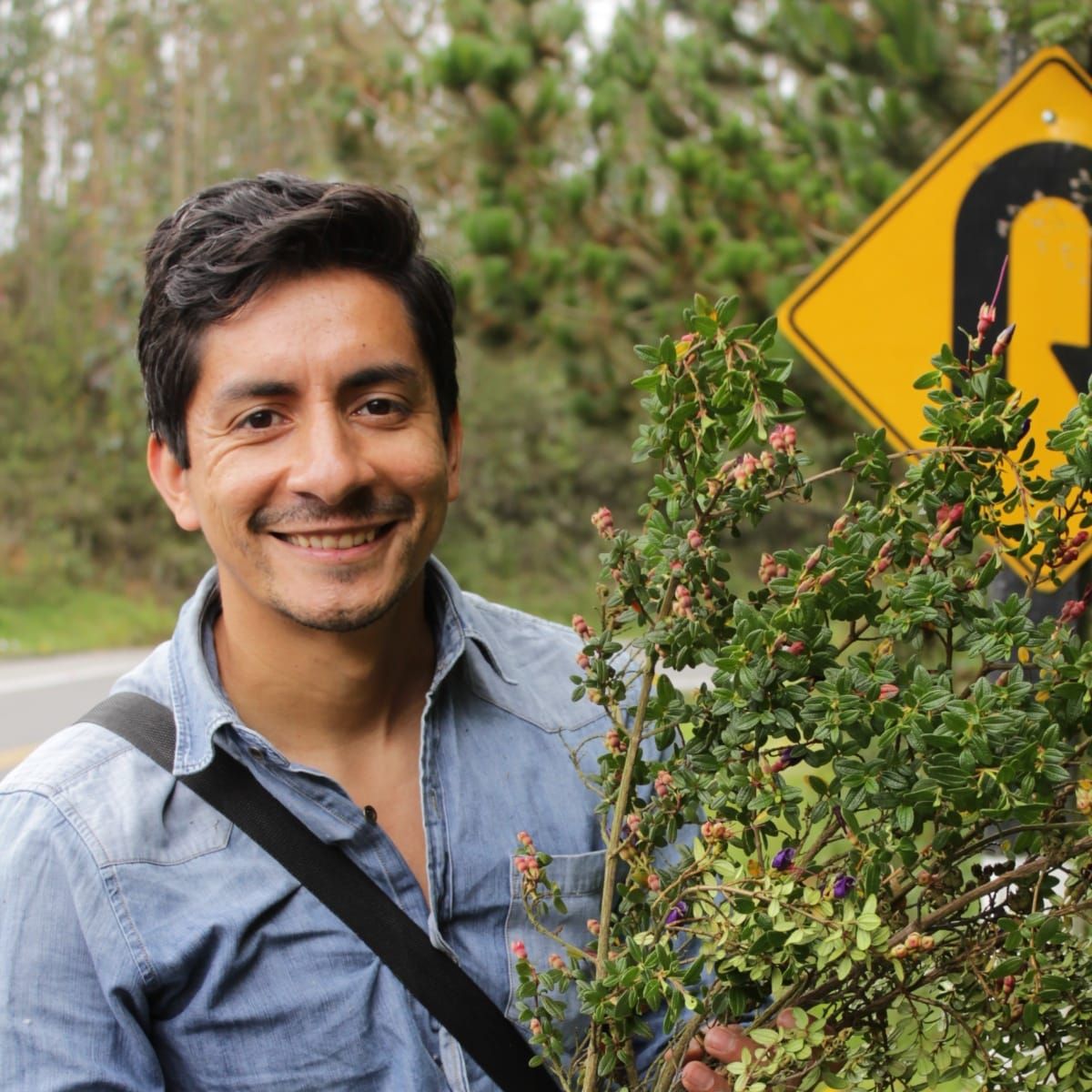

Plants are incredibly diverse, and so are botanists! In its mission to spread fascinating stories about the plant world, Botany One also introduces you to the scientists behind these great stories.
Today, we have Dr Diego Paredes-Burneo, a botanist and evolutionary biologist, and a current postdoctoral fellow at the University of Arkansas, United States. He studied why the Tropical Andes have such an extraordinary number of plant species. In his research, Paredes–Burneo examine plants and their DNA to answer how, when and where in the Andes plants originate and accumulate over time. His group works with DNA because it acts as a history book to record the evolutionary history of species. And for many plant species, that history is surprisingly difficult to read, apparently because Andean plants tend to have originated recently and rapidly, which left “confusing” traces of their evolution. Apparently, the ecosystems where they live might be the ones to blame for: recently formed ecosystems, especially at higher elevations, provoked these plants to speciate rapidly and recently, which makes it harder to look at their history. You can follow more of his research in Bluesky.
What made you become interested in plants?
I was born and raised in Lima, Peru, in one of the driest deserts in the world, located within one of the most biodiverse countries on Earth. I became aware of this contrast early in my life. On my mother’s side, much of my family lived in the Peruvian Amazon for several years, surrounded by different types of animals, plants, and food. The stories I heard while growing up referred to medicinal plants, delicious fruits and mesmerising forests that sounded completely different to the arid surroundings I saw every day. That difference was striking to me. I remember wondering as a kid why some plants grow in certain places, and not in others. I never imagined how far that question would take me. The question itself has evolved, but at its core, it remains the same.
What motivated you to pursue your current area of research?
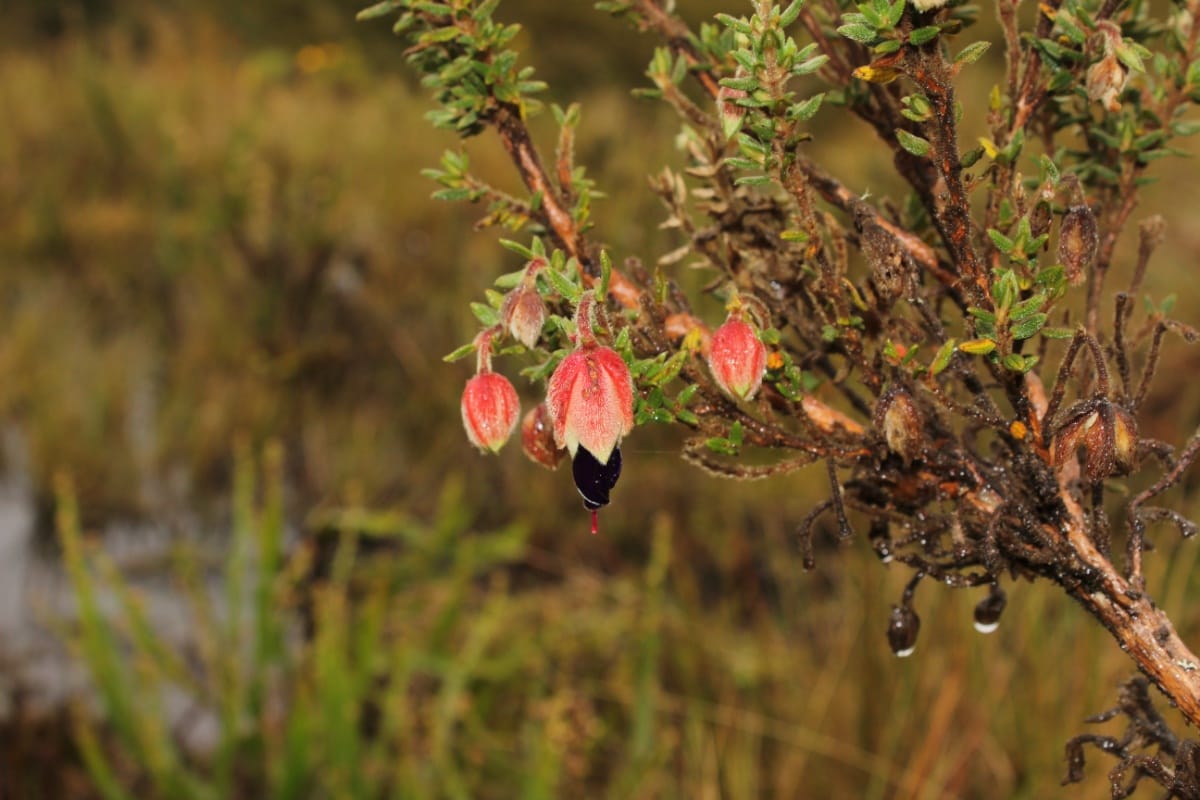
With that lingering question about why some plants grow in certain places, and not in others, I pursued a Master’s degree in Tropical Botany in Lima. There, I studied whether the flora of the northernmost Andes of Peru was restricted to that region, thus reflecting how unique those ecosystems are. I focused on the species-rich Melastomataceae family, which is a key component of the Andean flora that occurs across different ecosystems and elevational gradients. Through fieldwork and visits to herbaria, I noticed that certain melastomes were especially hard to narrow down to species. Instead of, for example, being able to assign purple flowers to species A, and white flowers to species B, I found gradients between those two colors. And this happened with many taxonomic traits. This was especially chaotic for the genus Brachyotum, whose most of its species occur in northern Peru. The taxonomic chaos made me wonder why it is frequent in this group, especially in this area. These observations were the foundation for my PhD, where I increased taxon and genomic sampling from previous works to infer the evolutionary history of the group. And such history was as chaotic as the taxonomy, where hybridisation was present along the evolutionary history of the group.
What is your favourite part of your work related to plants?
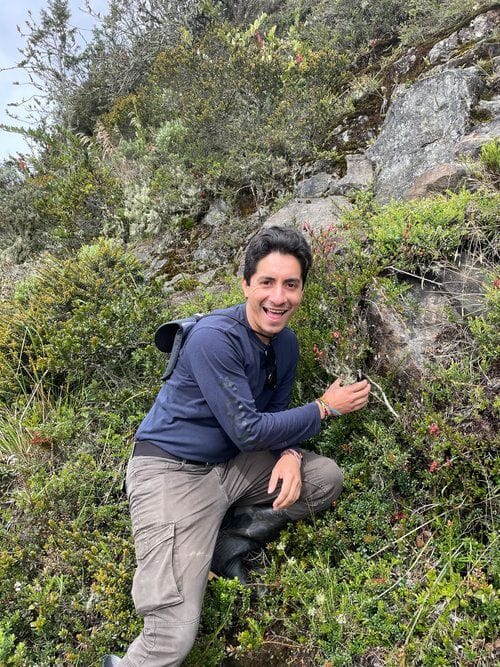
It is definitely fieldwork. The idea of going to remote places, often with little direct human impact, to find plants that sometimes occur in very restricted areas, is fascinating to me. It connects to my curiosity of seeing why ecosystems change between places, like the Peruvian dessert and the Amazon. But I also like traveling in general. Traveling has allowed me to go to different, new places, while also getting to know new people and colleagues. And to get to know myself under different situations. I think it all narrows down to curiosity to explore either new experiences or new plants.
Are any specific plants or species that have intrigued or inspired your research? If so, what are they and why?
I clearly remember my mom’s geraniums (a cultivated Pelargonium) while I was growing up. She had several plants, each with different petal colors. Over time, I watched that new plants grown from seed had even new colors. That was just fascinating to me. I remember collecting seeds from specific parent plants to see if these new plants had specific color combinations. I did not have enough space (nor funding!) for my research as an 8-year-old, so that never happened. But looking back, I think that is where my interest in genetics began.
Could you share an experience or anecdote from your work that has marked your career and reaffirmed your fascination with plants?
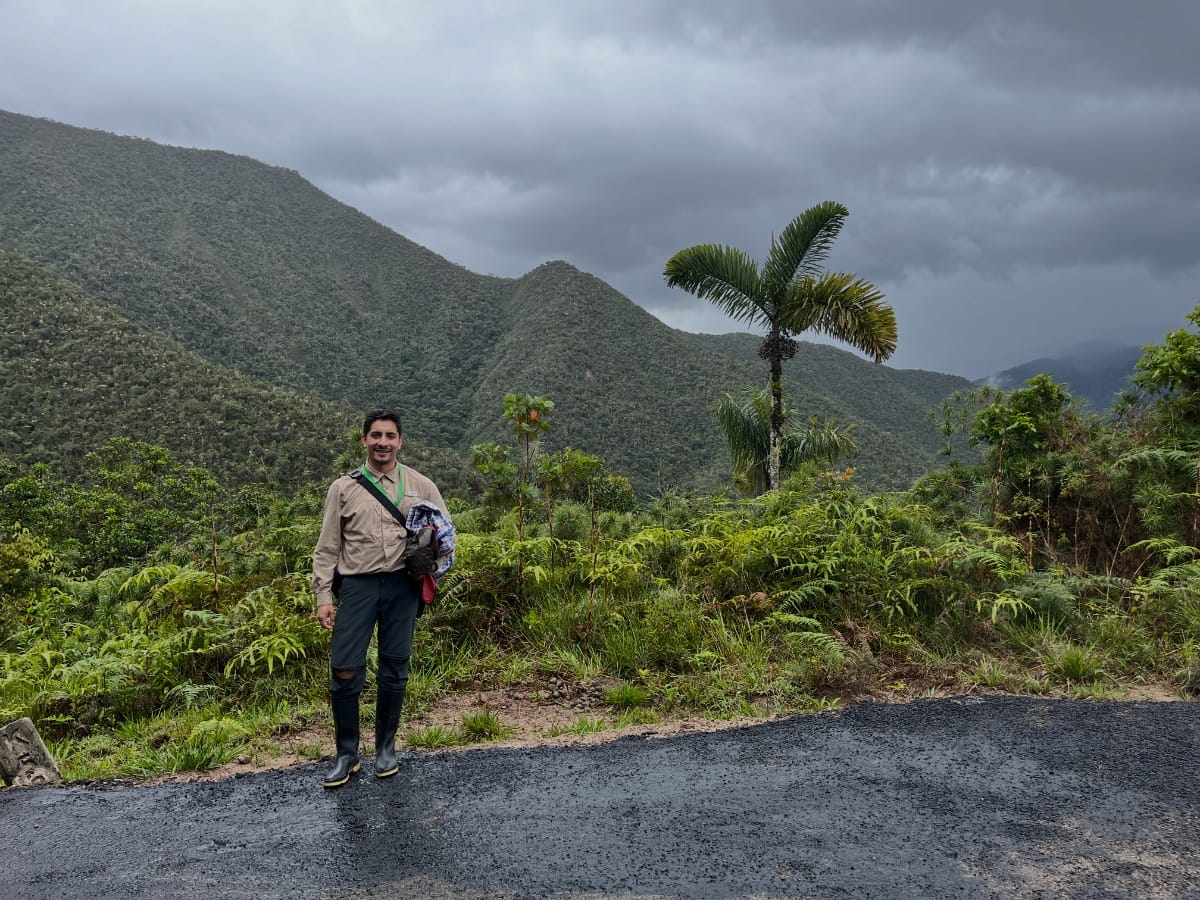
Early in my career, right after graduating from college, I attended a two-month workshop in Peru that combined coursework with fieldwork. It was in Oxapampa, a town surrounded by multiple protected areas where students from all over Peru were trained to lead expeditions to study biodiversity. The whole experience was one of the most challenging yet rewarding things I have done during my career. Hiking, camping, collecting specimens and data, learning, leading my own project… everything was intense, but fulfilling! This experience settled my goal to include fieldwork as a central part of my career.
What advice would you give young scientists considering a career in plant biology?
The phrase “it takes a village” truly applies to my journey. Finding and building my community has been essential for my growth as a scientist. Early in my career, I began collaborating with multiple botanists, from Peru and around the world. Thanks to these collaborations, I participated in many expeditions, visited multiple herbaria in both Peru and Latin America, received guidance when applying for funding and graduate school, and improved my communication skills through constant feedback. My advice is to build your community and to do it early. And linked to that, is the attitude to embrace mistakes, which is something I remind myself every day. Constructive feedback from peers act as a stepping stone to climb the usually steep learning curve, especially when starting.
What do people usually get wrong about plants?
I usually hear that plants are boring, or not interesting. I strongly disagree. They have been essential for human life for ages. The sugar you add to your drink, the coffee or tea you have in the morning, the tomato sauce you add to your pie made of wheat flour, the cotton in your clothes, the aspirin pills you take, the fries you enjoy. We eat plants every day. Some other plants can be less “friendly”. There are carnivorous plants having bugs for lunch. There are parasitic plants infecting other photosynthetic peers. There are venomous plants that leave your skin itchy after caressing them. And going back to “friendly”, maybe the relaxing walk you take after a long day includes a path with trees and shrubs. I do not think plants are boring. They are just overlooked.
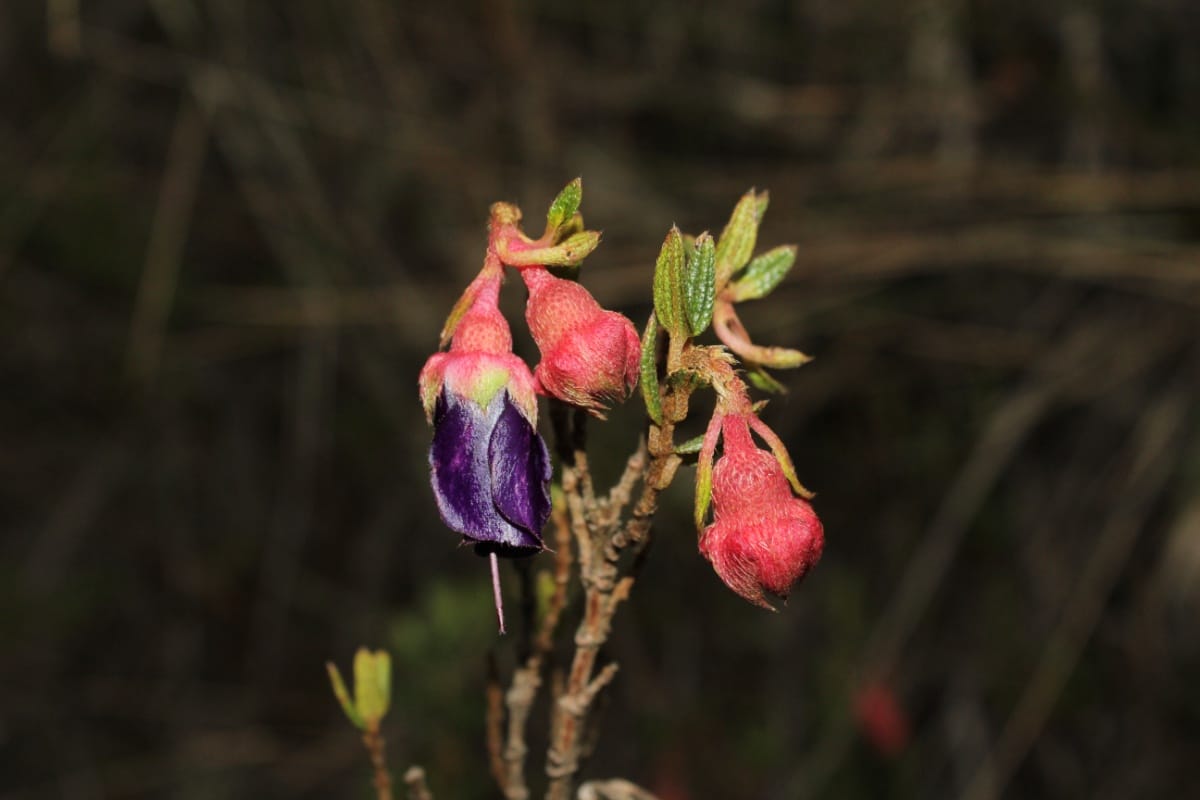
Cover picture by Luis Santiago-Rosario.