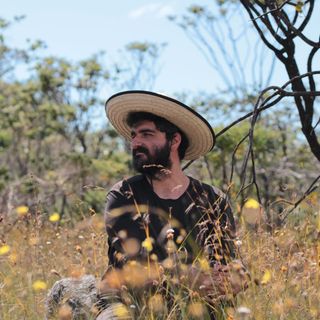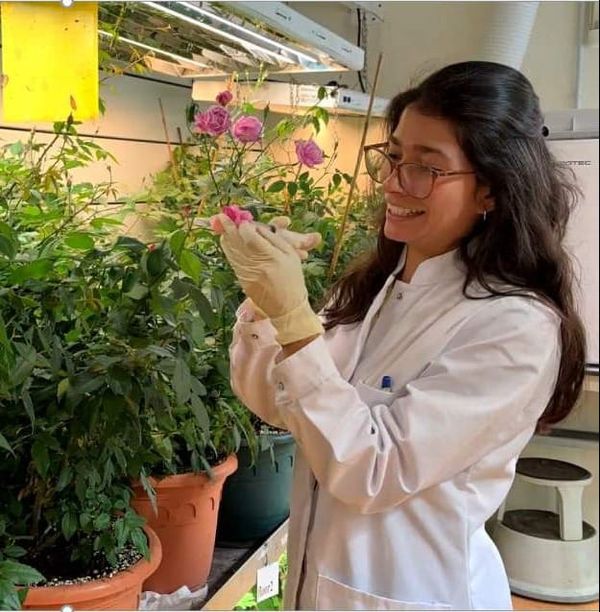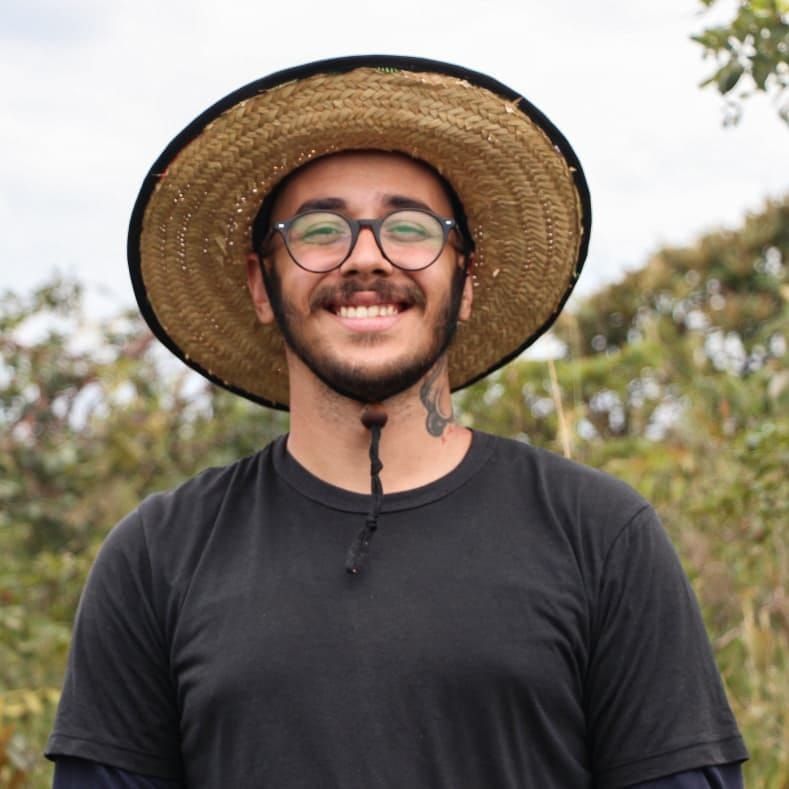

Plants are incredibly diverse, and so are botanists! In its mission to spread fascinating stories about the plant world, Botany One also introduces you to the scientists behind these great stories.
Today we have Pedro F. da Cruz Júnior (he/him), a Brazilian PhD candidate in Plant Biology at São Paulo State University. Since the beginning of his scientific career, Cruz-Júnior have been interested in the functional responses of ground-layer Cerrado species to different environmental factors. More recently, his research has expanded to include germination and post-seedling responses of these plants, particularly under stress conditions and in relation to potential tolerance mechanisms.
Currently, he investigates how ground-layer Cerrado species respond to water deficit during both germination and early developmental stages. In addition, he studies the role of smoke water (a water-based solution containing compounds derived from the combustion of plant material) in promoting water-deficit stress tolerance. Cruz-Júnior's work aims to understand how different application methods and timings influence seed-based regeneration and may even contribute to the development of native seedlings, particularly graminoids. You can follow his work on ResearchGate.
What made you become interested in plants?
Although it may sound somewhat cliché, especially for a biologist, I believe my fascination with different forms of life began in childhood. I was deeply captivated by wildlife documentaries, which, unfortunately, often overlooked plant life. Nevertheless, two women played a fundamental role in shaping my interest in plants.
The first was my mother, Maria Aparecida Domingos da Cruz. Although she did not have access to the same educational opportunities she later provided for me, and I am certain she would have pursued this field herself, she always demonstrated a profound love for plants and an enduring curiosity about how to cultivate them.
The second was Dr Rosana Marta Kolb, my supervisor, whom I also consider a friend. From her very first lectures on plant morphology, I was captivated by her teaching. When I began my academic journey in 2019, she offered both openness and encouragement to discuss ideas and observations. With the foundation and support they both provided, it is no surprise that my perspective on this remarkable field took shape so naturally.
What motivated you to pursue your current area of research?
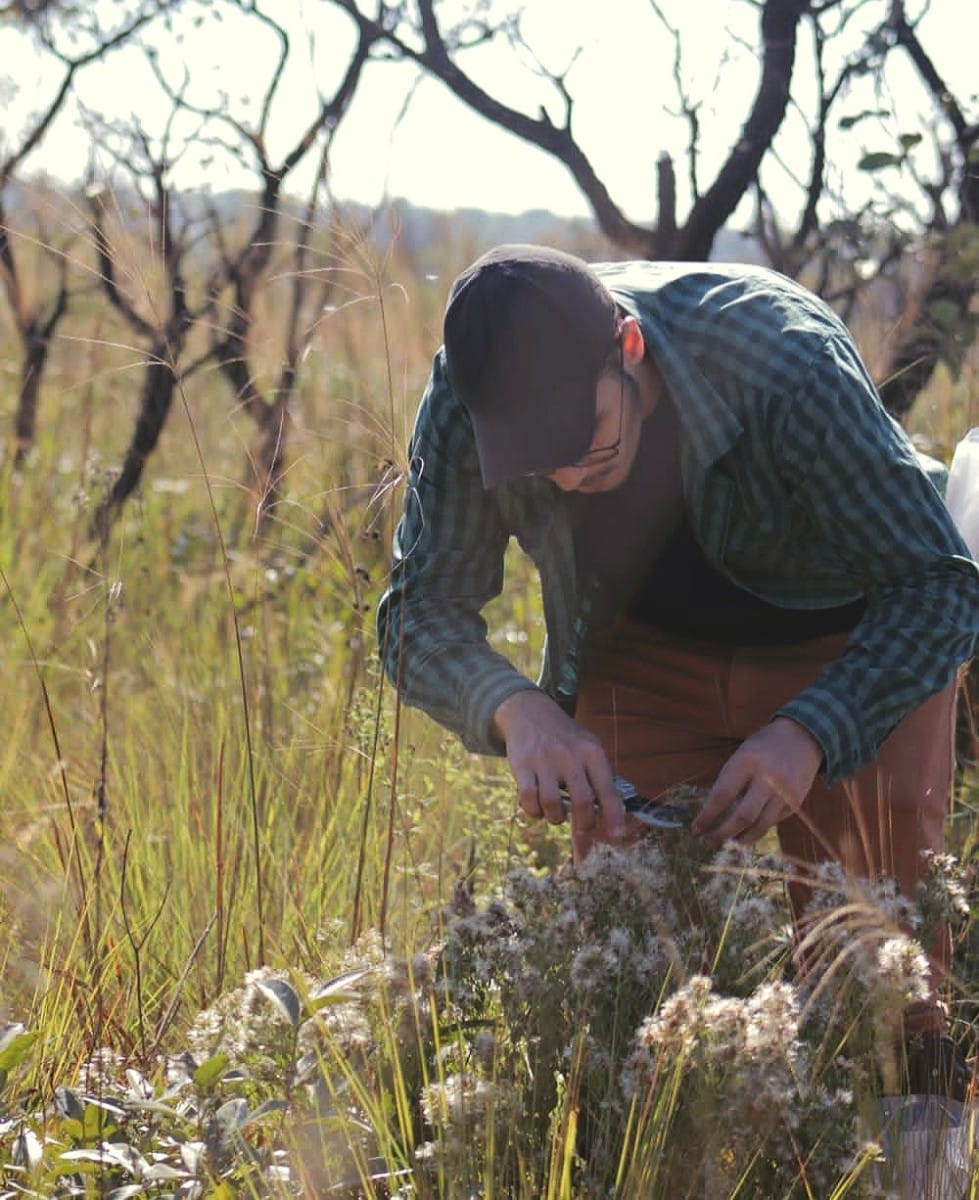
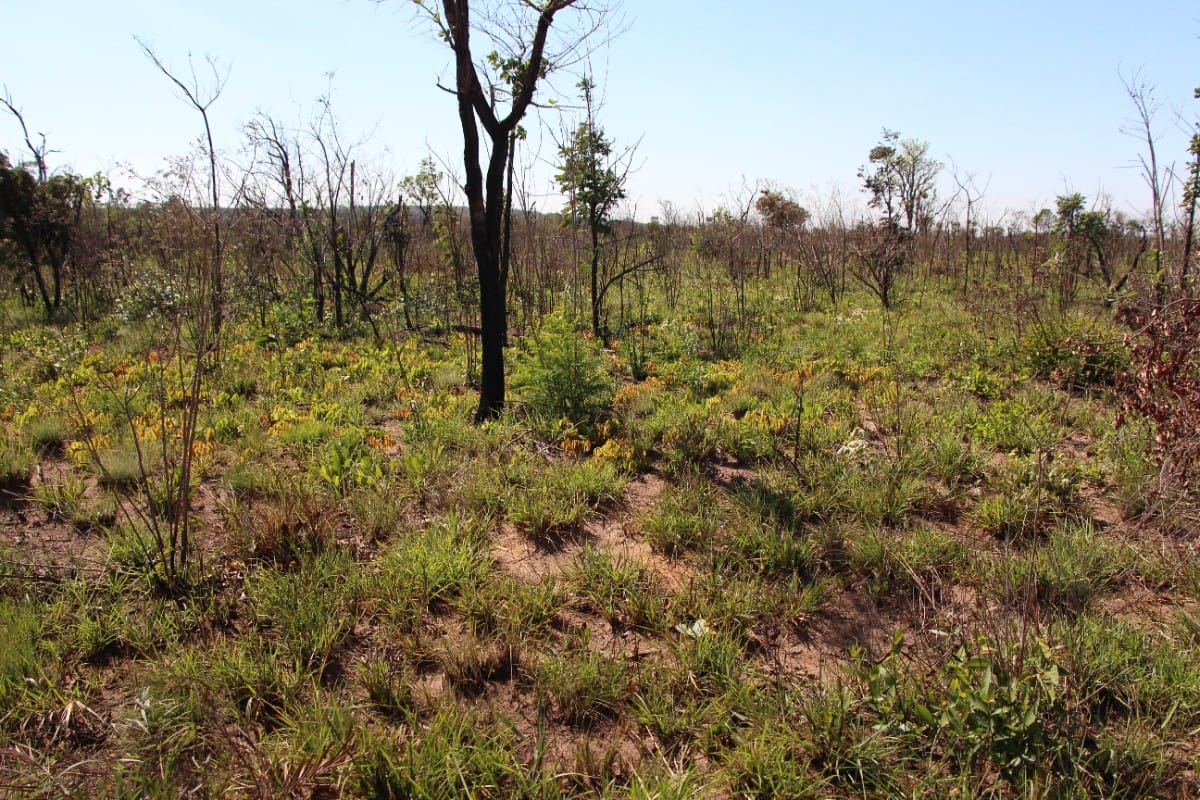
The Cerrado is the most biodiverse savanna in the world, and for every tree species, there are approximately six ground-layer species. During my first field expeditions, I was almost “mesmerized” by this extraordinary diversity. As I gradually developed a better understanding of the system, what fascinated me most was the wide array of mechanisms these plants have evolved to cope with different fire regimes. Even in what may appear to be a “harsh” environment, there exists a remarkable window of ecological opportunity, such as seed-based recruitment and even rapid flowering events. My interest deepened during my master’s research, when we began investigating a fire-related cue: smoke, more specifically smoke water. When we realized that it could play a role in enhancing water-deficit stress tolerance in certain species, my curiosity intensified. From that point onward, I became strongly motivated to better understand these effects and to explore new potential applications, particularly in the context of native plant regeneration.
What is your favourite part of your work related to plants?
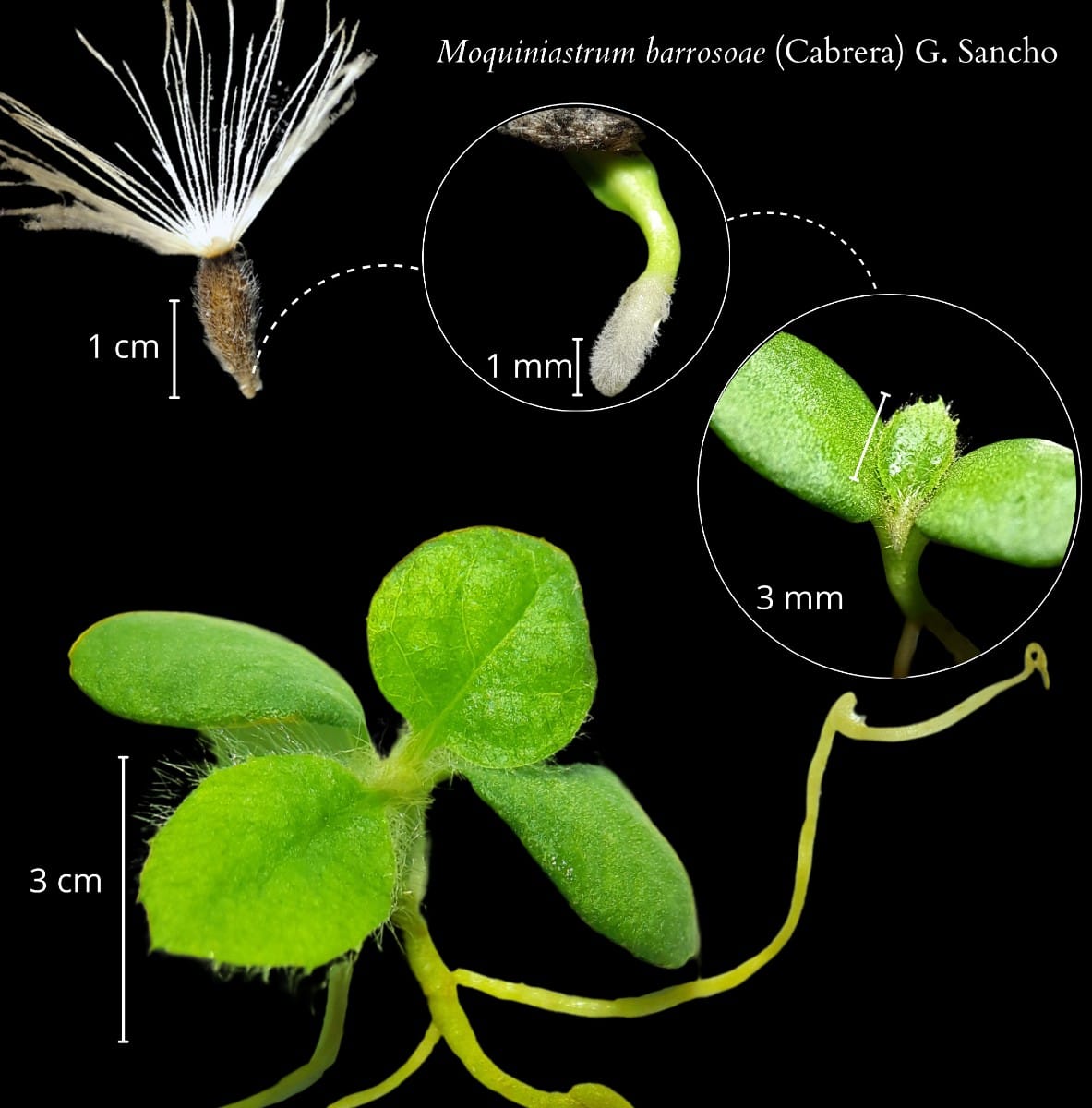
It is difficult to single out one aspect, but what fascinates me most is the “unpredictability” of the responses I observe, especially in relation to smoke water. These compounds can trigger highly variable responses, even within the same family or genus, and often depend on the concentration applied. So far, I have encountered virtually every type of response, and each new experiment reveals additional factors that influence seed/seedlings sensitivity to these compounds. I find it particularly exciting that we still understand so little about their full range of effects and mechanisms of action.
This variability also allows me to work with a wide range of species, giving me the opportunity to observe them from their earliest developmental stages. There is something uniquely captivating about these phases, their minute size and remarkable delicacy.
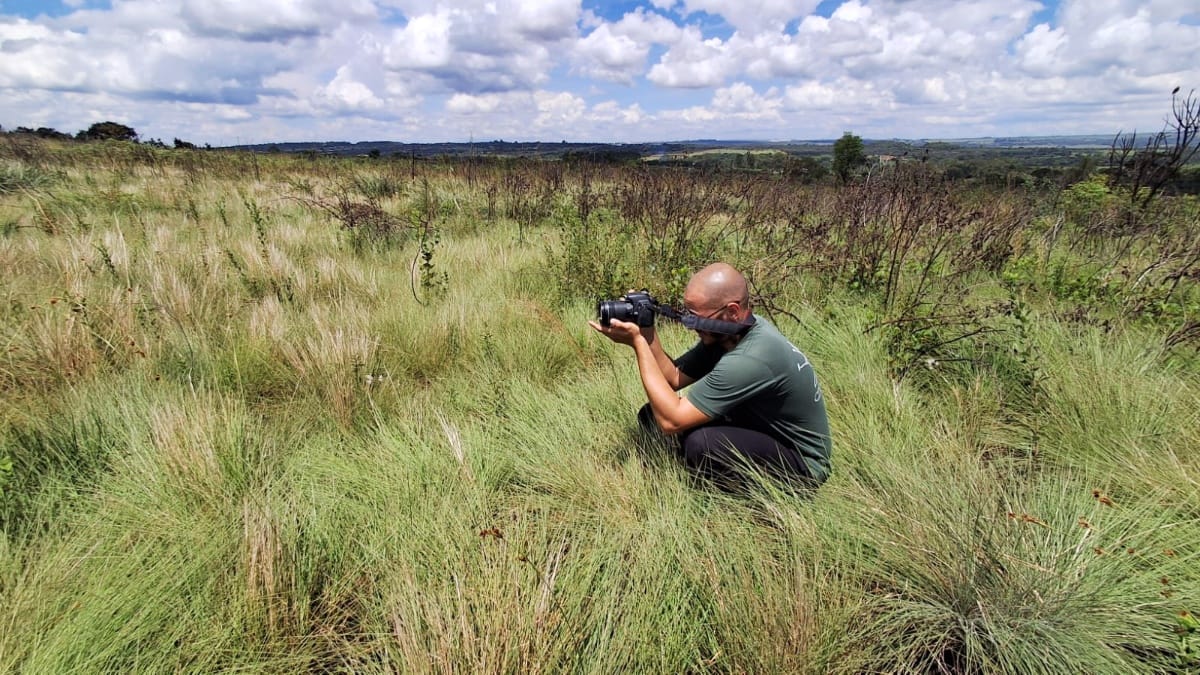
Additionally, I greatly value fieldwork. Observing plants in their natural environment, across different life stages and ecological contexts (such as the production of new diaspores) is just as rewarding as studying their early development in the laboratory.
Are any specific plants or species that have intrigued or inspired your research? If so, what are they and why?
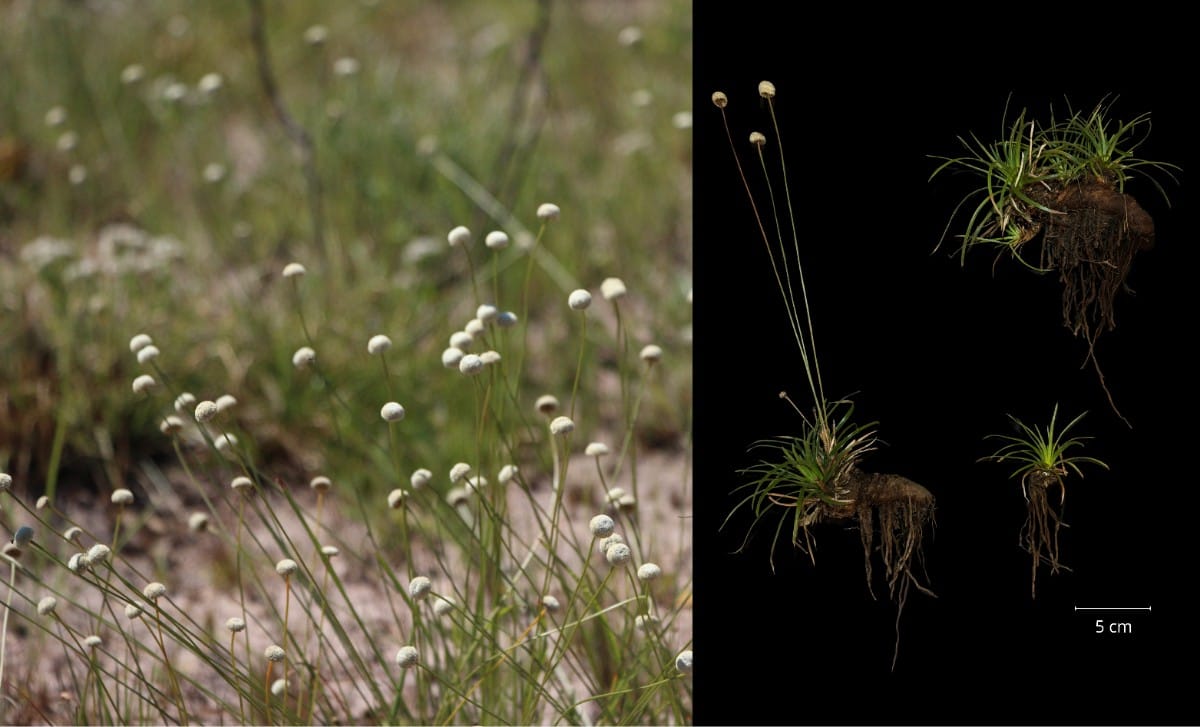
There are several, particularly among monocotyledons. One of my favorites is Paepalanthus lundii Körn. (Eriocaulaceae). This species is highly abundant in a wet grassland that forms part of our sampling sites. Its flowering is stimulated by fire, and within a few months after disturbance, it is possible to observe what appears to be a “sea of pom-poms,” each filled with seeds.
During my undergraduate and master’s studies, I admired well-known Cerrado species mainly through books, such as Paepalanthus chiquitensis Herzog. Therefore, I have a special appreciation for P. lundii, as it was the first species of this family that I had the opportunity to collect and study.
Could you share an experience or anecdote from your work that has marked your career and reaffirmed your fascination with plants?
Last year (2025), during a visit to a frequently sampled field site in the interior of São Paulo, we decided to follow a different path, one that, to the best of my recollection, I had never explored before. After walking only a short distance from where we had stopped, we reached a wet area, an environment that always captures the attention of both myself and my friend, Dr. Jonathan W. F. Ribeiro, who was accompanying me.
We began exploring the surroundings to identify the species that this “new” setting might harbor. As usual, we photographed everything that appeared new or intriguing. However, it was only a few days later, while carefully reviewing the images, that I noticed something unexpected: in one of the photographs (taken unintentionally) there was a species of Xyris that we had never studied before.
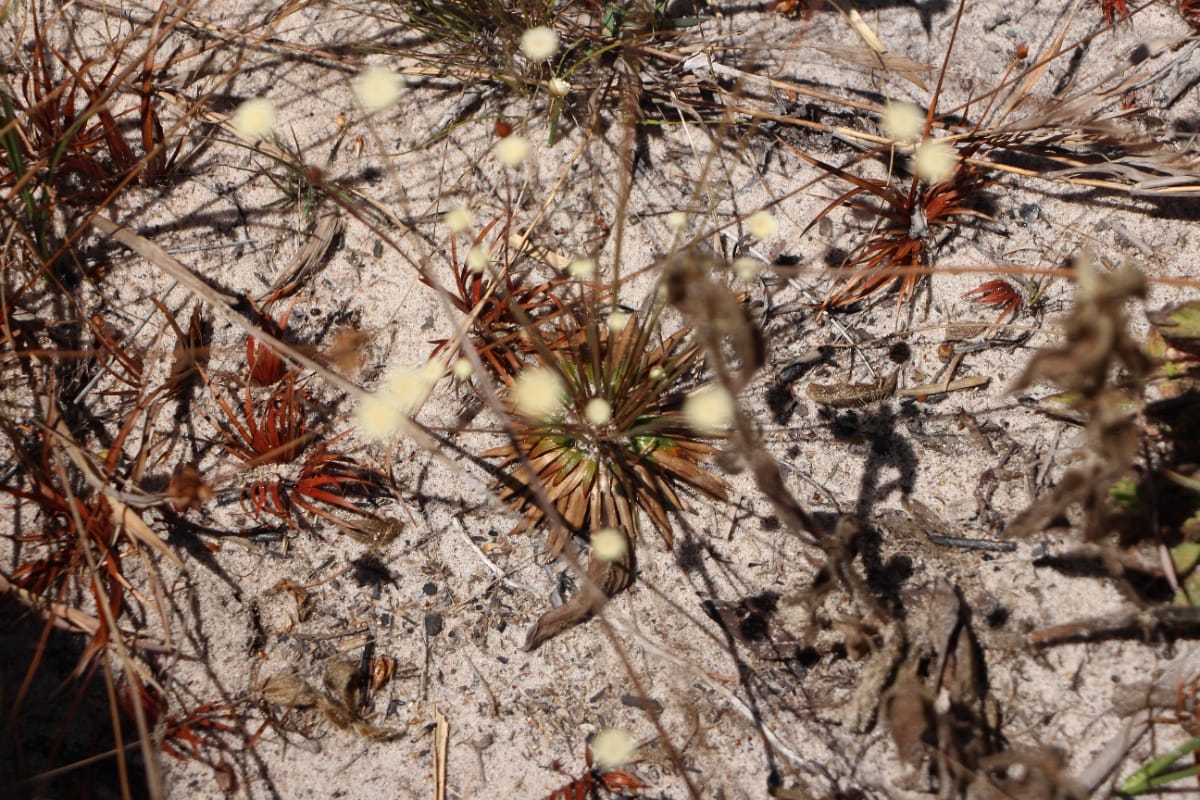
The following month, we returned to the site and found one of the smallest Xyris species we had ever encountered: Xyris savanensis Miq. The discovery itself was simple, yet deeply memorable. It reminded me that even in familiar places, the unexpected can still emerge.
What advice would you give young scientists considering a career in plant biology?
I would say that it is essential to clearly define your motivations and to cultivate activities outside of your academic life. As much as we may love our profession and our research, academic routines can become intense and are often dominated by bureaucratic demands that are not always directly connected to what initially inspired us. In such moments, I make a conscious effort to revisit my motivations and rekindle my curiosity; this has been crucial for maintaining momentum during particularly demanding periods.
I also strongly encourage engaging in activities beyond research. As fascinating as science is, it is still a profession and should not consume all of our energy. In my case, I enjoy cooking, experimenting with new recipes, and watching a wide variety of films.
What do people usually get wrong about plants?
I believe that people may often hold a misconception about the role of smoke in the Cerrado. While I am genuinely encouraged by the growing number of studies on our biodiversity, the overall sampling effort remains limited when compared to the immense diversity of species and vegetation types within this biome. In addition, our current capacity to experimentally reproduce and simulate complex environmental conditions may inadvertently underestimate the ecological significance of smoke. Another important limitation is that many studies focus primarily on germination parameters, often overlooking later developmental stages. However, responses observed during germination (whether positive or negative) are not always consistent with post-seedling performance. This disconnect highlights the need for more integrative approaches that consider multiple life stages, ultimately leading to a more comprehensive understanding of species responses to fire-related cues.