
Plants are incredibly diverse, and so are botanists! In its mission to spread fascinating stories about the plant world, Botany One also introduces you to the scientists behind these great stories.
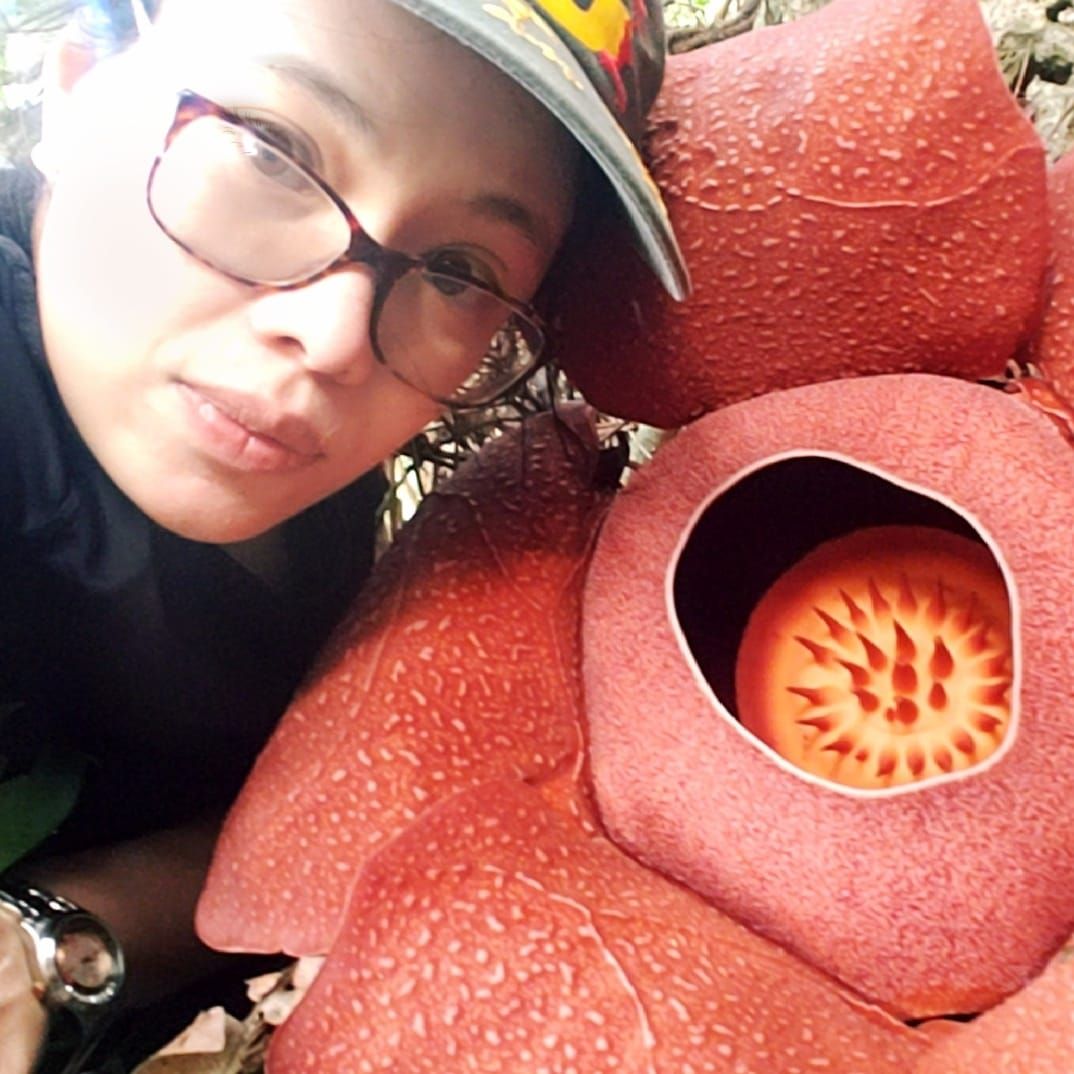
Today we have Dr Jeanmaire Molina, which (in her own words) study plants that challenge the very definition of plant life. Molina is an associate professor at Pace University in NYC, United States, and her research centers on the critically endangered Rafflesia, which produces the world’s largest and arguably stinkiest flower (hence the common name, “corpse flower”), yet is actually a parasite that lives entirely inside its sole host vine, Tetrastigma, and only emerges to produce the world’s biggest bloom! A charismatic icon of conservation, dubbed the “panda of the plant world”, Rafflesia species are only found in the dwindling forests of Southeast Asia. Molina is invested in studying all aspects of Rafflesia’s enigmatic biology so we can better protect and rescue it from the brink of extinction, integrating genomics, microbiome science, chemical ecology, and ex situ conservation.
Beyond parasitic plant biology, she also studies ethnobotany and the evolution of medicinal plants, using DNA barcoding and phylogenetics to authenticate herbal medicines and identify plant lineages with pharmacological potential while engaging students in plant research.
Driven by a passion for biodiversity conservation, Molina's work extends from laboratory discovery to global community engagement, bridging the evolutionary biology of parasitic plants with ethnobotanical research on medicinal flora. She has made it her life’s mission to conserve some of the world’s rarest plants, including pioneering efforts to cultivate Rafflesia outside its native forests, while helping cultivate the next generation of plant scientists who will safeguard this biodiversity.
What made you become interested in plants?
I grew up in Manila, Philippines, where curiosity about the natural world was encouraged by my parents. As a child, I was already collecting insects in my Barbie doll cabinet drawers and digging for queen ants to start colonies inside improvised Lego terrariums. I later studied biology at the University of the Philippines-Diliman, with dreams of becoming a NatGeo field biologist. Shortly after graduating in 2001, I met the late Filipino botanist Leonard Co, who would become one of my most influential mentors. He recruited me to work with Conservation International-Philippines and brought me to the remote forests of Palanan, so remote that getting there required a ten-hour bus ride from Manila followed by a flight on a questionable Cessna he jokingly called the “flying coffin”. I assisted Sir Leonard (how we address mentors in the Philippines) tagging and identifying trees as part of a long-term ecological monitoring study. Packing over 300 tree species in a tiny forest patch (microscopic compared to the size of NY state, which has only about a third as many tree species), I began to wonder: how does such extraordinary biodiversity evolve and persist? That question ultimately led me to the US in 2003 to pursue a PhD in Ecology and Evolution at Rutgers University.
What motivated you to pursue your current area of research?
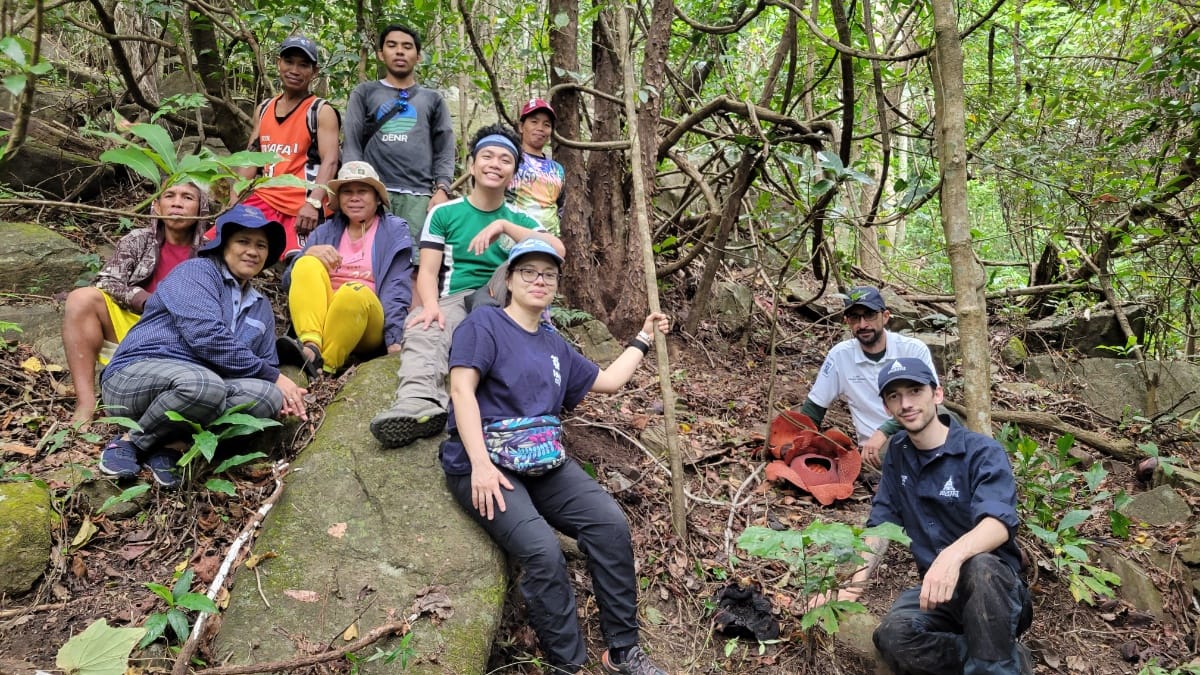
As a child, I had read about Rafflesia in the Guinness Book of World Records, but I first saw it in person in Malaysia during a field course as a graduate student. A spectacle to behold, it was love at first sight! I was captivated by its size, odor and evolutionary audacity —a parasitic plant with no stems, roots, or leaves, just a giant flower! At the time, though, as a graduate student, I didn’t yet have the resources to study it. That opportunity came nearly a decade later, when I started my own research program as a newly minted biology professor. Somewhat naively, I set out to do something that had never been done before: grow Rafflesia for ex situ conservation. It had never been cultivated outside Asia, translating to lost opportunities for the public to be equally captivated by such an evolutionary marvel, yet now perilously close to extinction.
To fund my first field expedition, I launched a small crowdfunding campaign and even invoked Lady Gaga in my pitch, hoping she might notice. She didn’t. But the US Botanic Garden (USBG) in DC did, beginning a partnership that helped support my vision. Over the past decade, that collaboration has grown into a sustained effort to propagate Rafflesia at USBG, despite the many logistical and biological challenges. I’ve always been driven by one vivid vision: a Philippine Rafflesia blooming in a western botanic garden, serving as a powerful ambassador for biodiversity conservation, while bringing urgent attention to the dwindling forests of Southeast Asia.
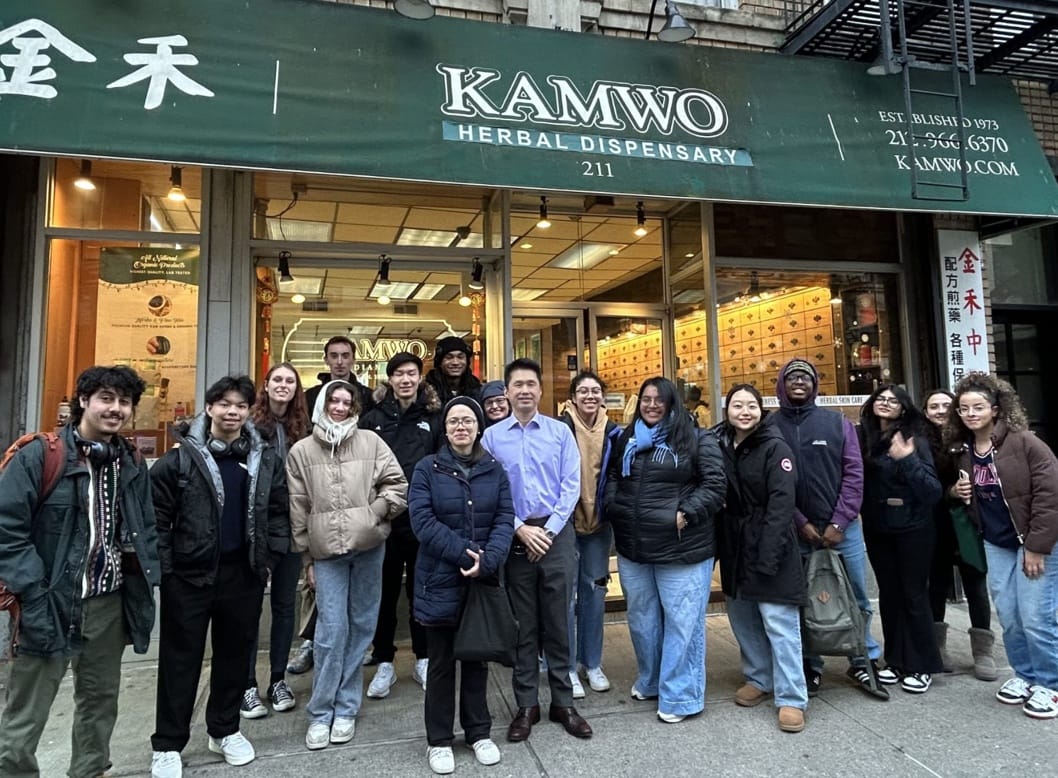
At the same time, I realised that not every student shares my somewhat inexplicable fascination with peculiar parasitic plants. Wishing to engage more students in plant science, I expanded my research into ethnobotany and herbal medicine, even developing college courses around these topics. Through this, my hope is that students learn how deeply human well-being depends on plant diversity, reinforcing the same core message that drives my work: biodiversity matters.
What is your favourite part of your work related to plants?
The discovery is my favorite part: from searching for these rare plants in remote forests and being constantly awed by the extraordinary biodiversity around them, to working in the lab extracting DNA, microbiomes and metabolites to catch a glimpse of the hidden biology of these enigmatic species. Equally rewarding is sharing these discoveries with my students and inspiring them to dig deeper! For me, research is a bit like slowly opening a gift. You peel back the layers one by one, and with each layer comes new clues that guide you toward the next, bringing you closer to understanding how these unique plants live and evolve.
Are any specific plants or species that have intrigued or inspired your research? If so, what are they and why?
Yes. I've always been drawn to evolutionary outliers like Rafflesia and its close relatives, Sapria and Rhizanthes. Like Rafflesia, they are obligate parasites of Tetrastigma, and no one knows how this intimate symbiosis evolved, and it is one of life’s burning questions to resolve. These plants push the limits of what we think a plant should be. This fascination has gradually expanded into a broader interest in other unusual parasitic plants, such as Hydnora and Monotropa, which, like Rafflesia, independently diverged from their autotrophic ancestry. I hope to understand how such unrelated lineages have repeatedly evolved similar parasitic strategies despite being separated by deep evolutionary history. Unfortunately, many of these evolutionary marvels are rare or threatened, and very few exist in botanical collections around the world. Establishing viable collections of parasitic plants in botanical gardens could provide important safeguards for these least plant-like plants, while also creating powerful opportunities to educate the public about evolution and biodiversity.
Could you share an experience or anecdote from your work that has marked your career and reaffirmed your fascination with plants?
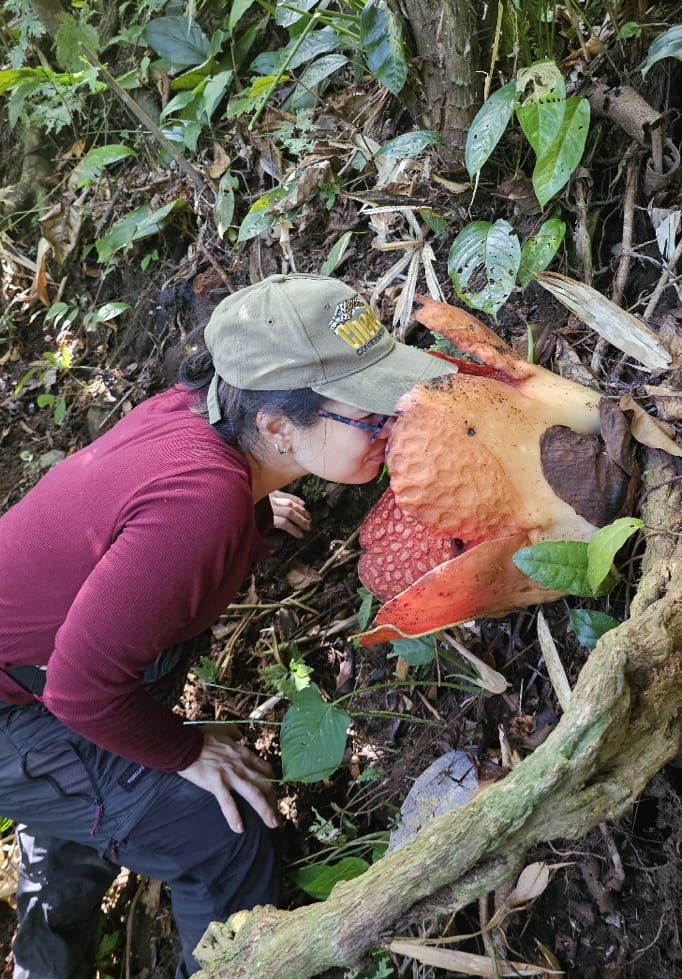
One moment that profoundly shaped my career was seeing Rafflesia in full bloom again after nearly ten years, this time in the Philippines, my home country and the hub of Rafflesia diversity. It felt deeply personal, and I found myself falling in love all over again. By then, I had just begun my faculty position and was starting to build my own research program. During that trip, I collected samples for electron microscopy. We were astonished to observe plastid-like structures, even though repeated attempts to recover a chloroplast genome failed. The chloroplast genome is widely considered a defining feature of plants--until Rafflesia. The result stunned us, but we published the findings, nonetheless, cautiously framing our conclusion the “possible loss of the chloroplast genome”. This prompted the provocative headline in Science News: “When is a plant no longer a plant?” That moment marked a turning point in my career. It impressed upon me just how radically plants can evolve. I need to know why and how, and I have a lifetime to slowly peel the layers. From then on, it became an obsession, even commemorated in a shoulder tattoo of Rafflesia leonardi, named in honor of my late mentor who first guided me into the forests.
What advice would you give young scientists considering a career in plant biology?
My advice is simple: passion is key, an unrelenting motivation to learn more about these plants. That passion will drive you to do whatever it takes to answer your questions, whether it means trekking through treacherous terrain in search of elusive species or running experiments in the lab even on weekends. When problems arise, passion keeps you moving forward toward the finish line.
And the true reward, beyond the scientific publication, is the satisfaction of peeling back another layer of the mystery and uncovering a bit of knowledge that could make the difference in conserving nature’s evolutionary marvels.
What do people usually get wrong about plants?
People often see plants as just part of the backdrop of life--something we pass by without much thought. We take them for granted. But in reality, our existence is inextricably linked to plants--from the food we eat, to the medicines that heal us, to the materials that make our clothes and homes, and even the oxygen we breathe!
Because Rafflesia is a plant parasite that reeks like rotting meat, I’m often asked: why conserve it? But parasites play important ecological roles. In much the same way predators help keep prey populations in balance, parasites regulate their hosts, preventing overgrowth that could negatively affect other species and reduce biodiversity. I argue that plant parasites are not merely evolutionary oddities; they are ecological keystone species, shaping host population dynamics, altering competition, and influencing biodiversity. Part of my life’s mission is to help change how people think about plants, beginning with my students, and make them realize that we are part of this intricate web of interactions--stewards of the fragile symbiosis that sustains these corpse flowers. The survival of Rafflesia reflects the health of the forests that, in turn, sustain us all.