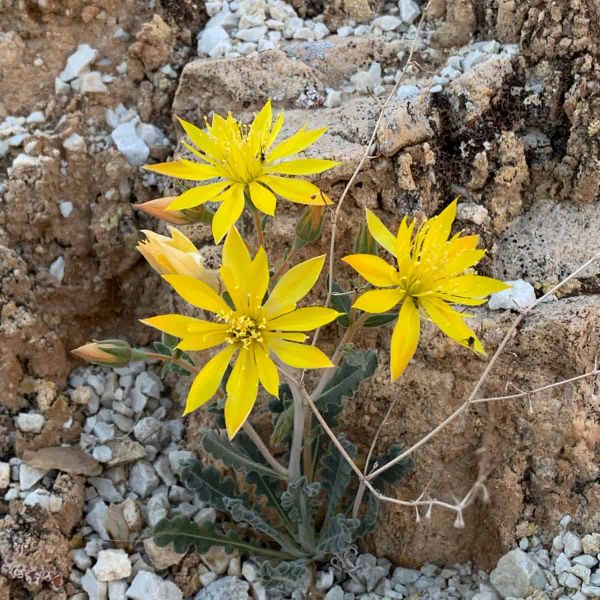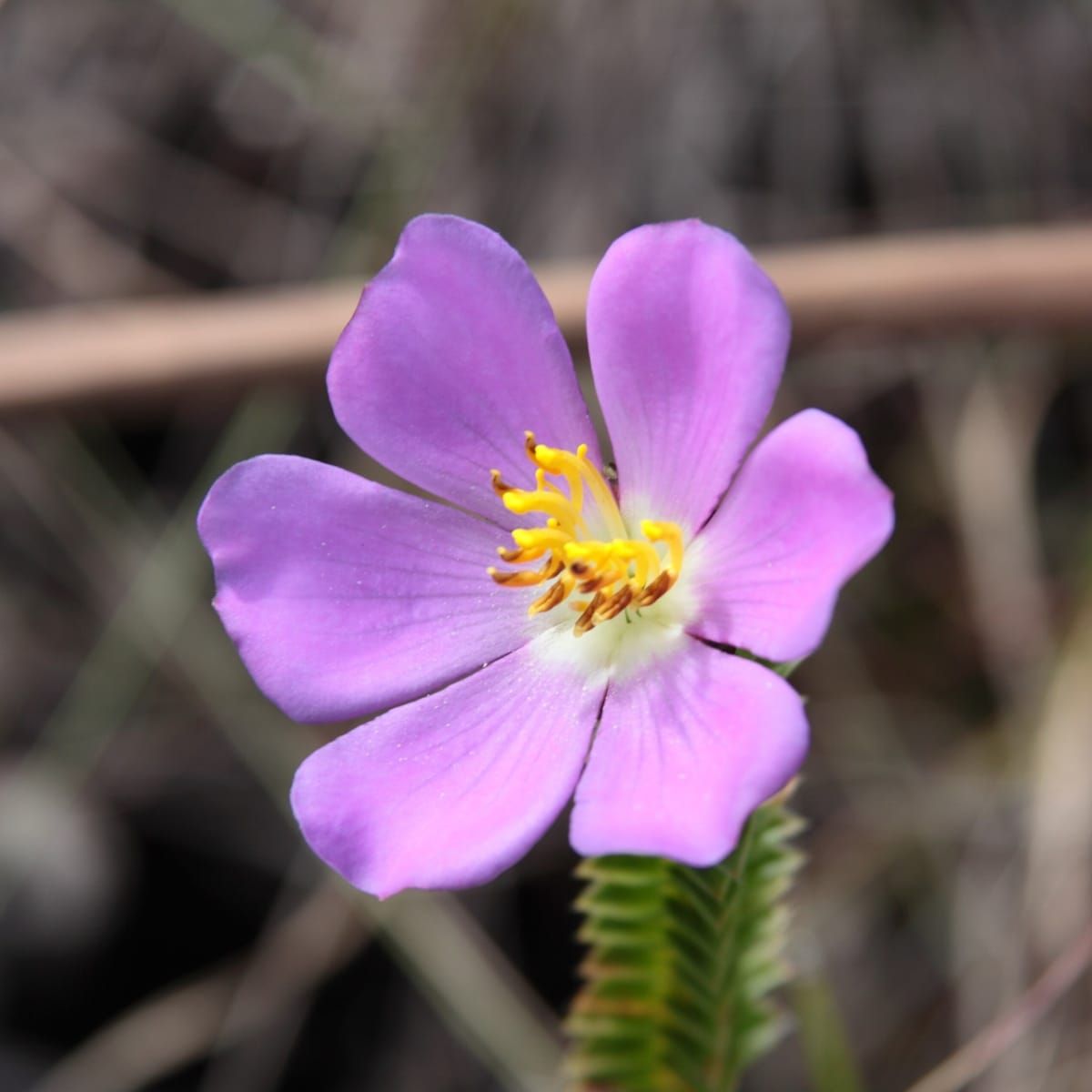

We are all captivated by flowers. Their shapes, colours and intricate structures, along with the life that gathers around them, can stop even the least observant passer-by in their tracks. Yet we rarely stop to think about what it costs a plant to build and maintain something so elaborate.
One way to think about plants is as businesses with limited budgets. Any carbon or water invested in one structure cannot be spent elsewhere. Over time, this has led plants to evolve different ecological strategies for using their resources. These strategies are especially well studied in leaves. Some plants are fast spenders, producing large, flimsy leaves that capture as much light as possible, quickly but not for long. Others take a more conservative approach, building smaller, tougher leaves that last longer and keep working over time. But do flowers follow similar rules?
Although flowers are central to plant reproduction, scientists still know far less about how they manage water and carbon than they do about leaves. That gap caught the attention of Brazilian researcher Dr Dario C. Paiva. In an interview with Botany One, he said the project grew from the idea that if one organ in a plant follows a particular resource-use strategy, other organs might do the same. Leaves and flowers perform different jobs—one is designed for photosynthesis, while the other is involved in attracting pollinators and enabling reproduction—yet they also share important features. Both develop from the same growing tissues, and both are exposed to many of the same environmental conditions.
That question led Paiva to pursue a PhD at Florida International University on the ecology and evolution of flower traits, under the supervision of Professor Adam B. Roddy, who shares a similar interest in the strategies behind flower construction. In an earlier chapter of Paiva’s thesis, the pair showed that in the Brazilian campo rupestre, longer-lived flowers tended to have thicker petals, suggesting that floral longevity comes at a construction cost. In their latest paper, published in Functional Ecology, they show that this pattern may not be limited to that habitat, but could instead reflect a broader link between flowers and the rest of the plant.
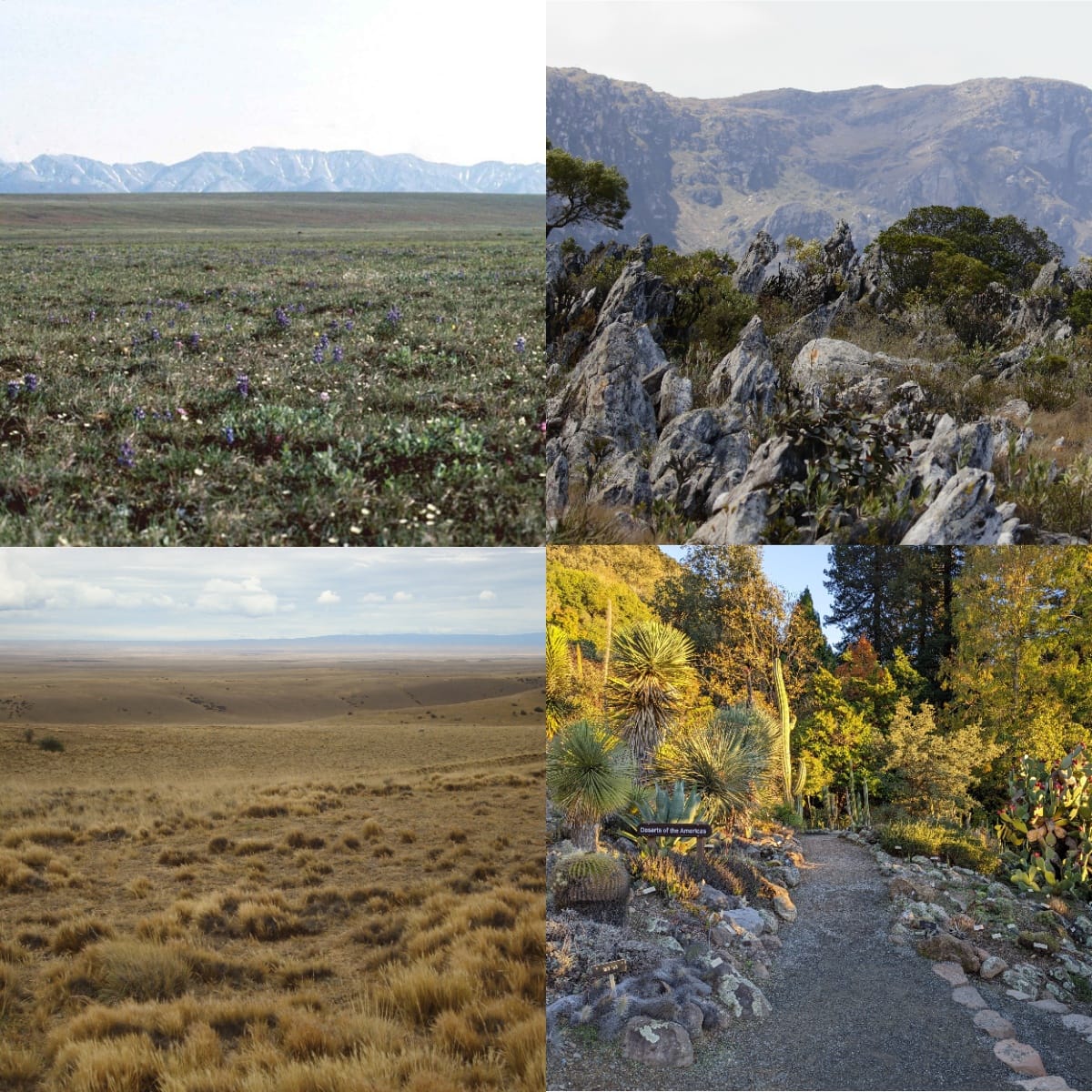
To test that idea, they measured flowers and leaves from 245 plant species drawn from four very different settings: Arctic tundra in Alaska, campo rupestre in Brazil, the Patagonian steppe in Argentina, and the University of California Botanical Gardens in California. For each species, they collected newly opened flowers and fully developed leaves. They then measured seven matching traits in each organ, including size, thickness, dry mass, water content, how quickly water would be used up, and the minimum rate at which water could still escape through the surface.
What those measurements revealed was a surprisingly clear pattern. The way flowers are built is not random, but falls along a continuum of water-use strategies across species. At one end are larger flowers with thicker petals and longer water residence times, meaning they hold on to water for longer and appear to invest more in durable tissues. At the other end are smaller, thinner flowers that lose water more quickly and seem built for faster turnover.
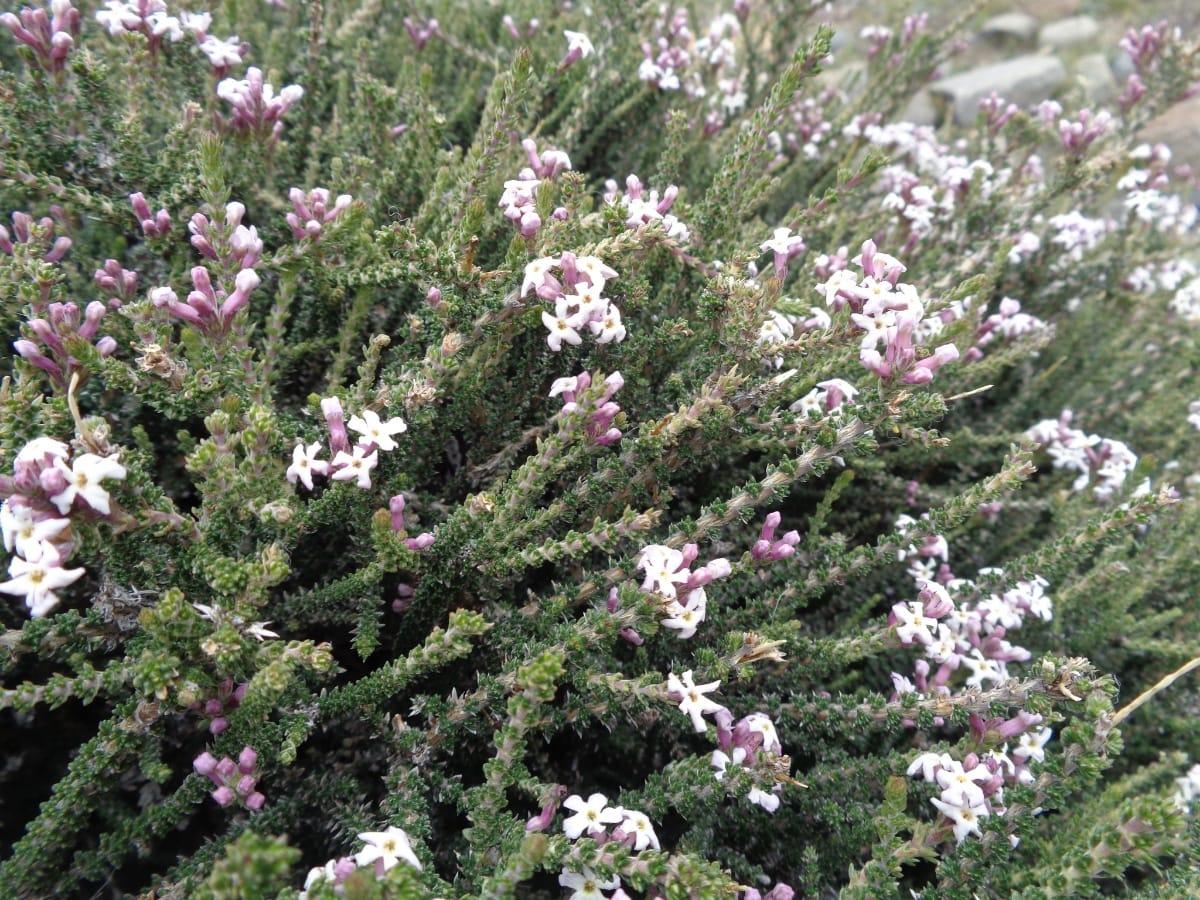
Leaves showed similar patterns. Traits linked to water storage, thickness and water loss were connected in leaves much as they were in flowers. That suggests the researchers were not just picking up isolated quirks of floral design, but a broader pattern in how whole plants are built. Species with a more conservative way of using water in their leaves often showed a similar pattern in their flowers. The same was true for size: plants with larger leaves also tended to have larger flowers.
Overall, Paiva and Roddy’s study suggests that flowers are not simply ornamental extras added on top of plants, but part of the same resource-balancing system. Like leaves, they are shaped by the pressures of water supply, heat and construction costs. As Paiva told Botany One:
“I think people have difficulty understanding that plants are organisms that constantly undergo selection, and that different species have different ecological strategies. And when we talk specifically about flowers, I think the same argument applies. People tend to think that flowers are simply there to be beautiful and attract pollinators. But in reality, we are now discovering that flowers from different plant species can have completely different strategies. Some species require far more resources than others, and this has important implications for the cost of producing and maintaining flowers.”
Taken together, this means ecologists may miss an important part of the story if they focus only on leaves when trying to understand how plants respond to drought, warming or other stresses. By bringing flowers into the picture, this research offers a fuller view of plant function—one that connects physiology, reproduction and environment, and may help scientists predict which plants will bloom, and which may wilt, as climates continue to change.
READ THE ARTICLE:
Paiva DC, Roddy AB. 2026. Extending plant water‐use strategies to flowers: Evidence from trait correlations across plant organs. Functional Ecology. https://doi.org/10.1111/1365-2435.70293
Cover picture: A Lavoisiera flower, a species from Brazilian campo rupestre. Photo by Leonardo Ré-Jorge (Wikimedia Commons).