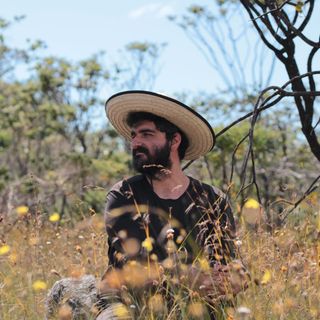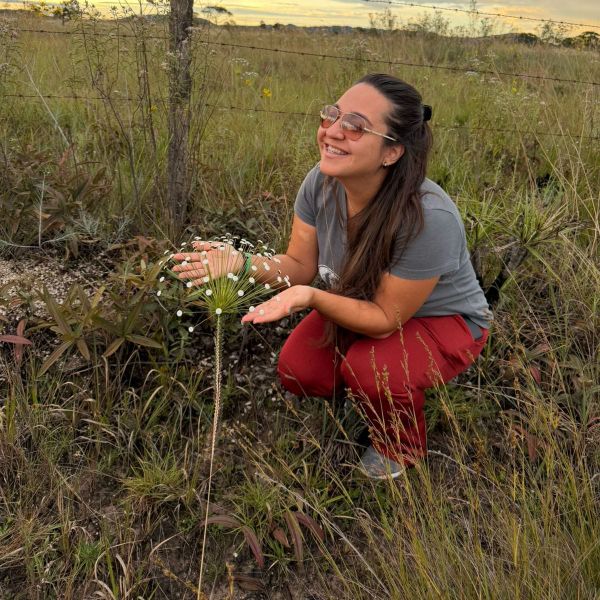

Plants are incredibly diverse, and so are botanists! In its mission to spread fascinating stories about the plant world, Botany One also introduces you to the scientists behind these great stories.
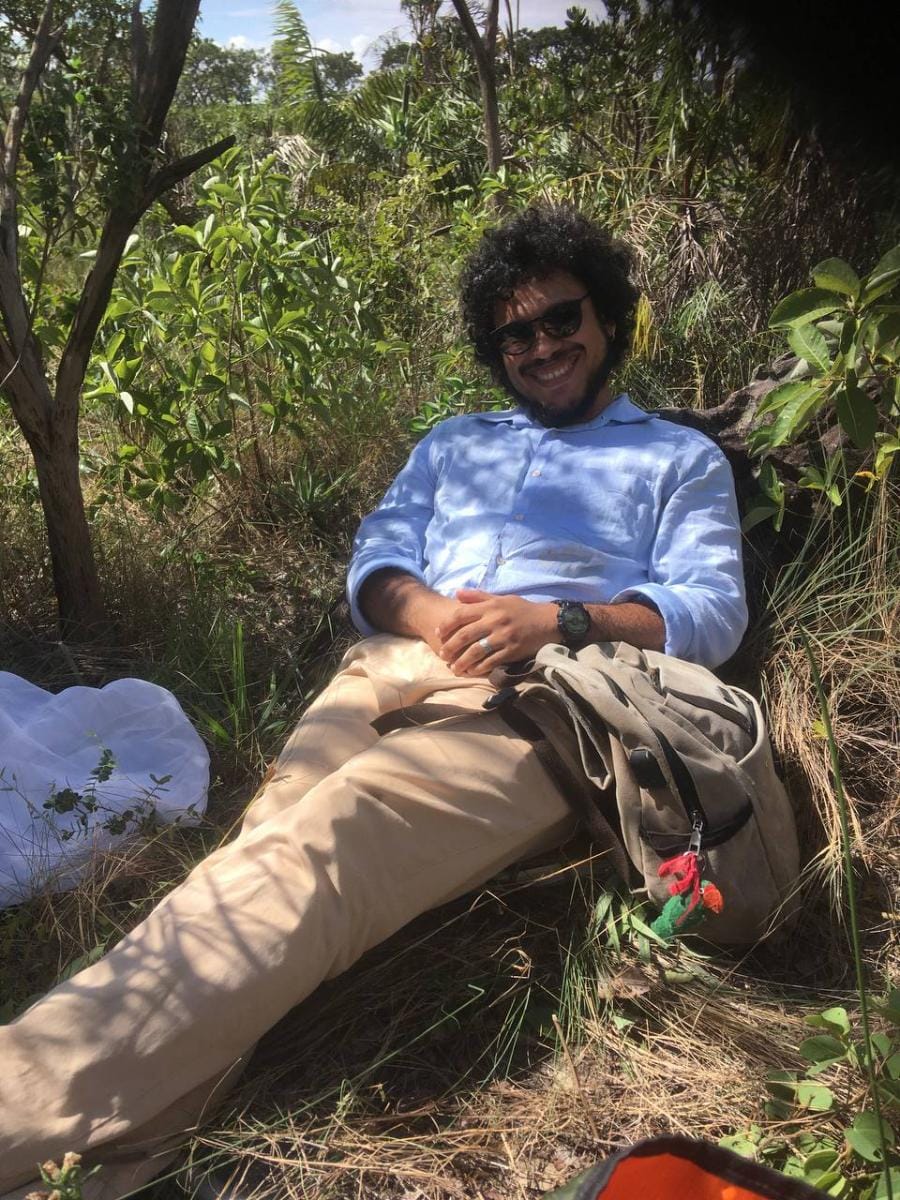
Today, we have Yago Barros-Souza, a PhD candidate in Comparative Biology at the Universidade de São Paulo, Brazil, with a focus on plant biogeography and macroevolution. His research integrates phylogenetic community ecology and phylogenetic comparative methods to investigate the origins of biodiversity within a spatial context. In his thesis, Barros-Souza uncovers patterns and drivers of lineage diversification, spatial turnover, and community structure.
While much of his research centres on ancient Neotropical mountains (the campos rupestres) and their adjacent biomes, Barros-Souza has recently become involved in studies of Mediterranean-type ecosystems and mountain systems more broadly.
You can learn more about this work on Bluesky, GitHub and ResearchGate.
What made you become interested in plants?
It’s hard to pinpoint a single event. Like many people, I used to perceive plants as little more than the background of natural landscapes. In a sense, they seem to conceal their complexity from casual observation. My perception changed during my undergraduate studies, when I was first formally introduced to botany.
I quickly became fascinated by how plants–quietly, yet profoundly–shape life on Earth. Their ability to navigate the environmental maze, while remaining rooted in place, struck me as particularly remarkable. Through modular growth and expansion, they construct dynamic, ever-changing mosaics across landscapes. This combination of apparent stillness and underlying dynamism is what first captured my attention and continues to inspire me not only as a researcher, but as a person as well.
What motivated you to pursue your current area of research?
My interest in plants was consolidated through biogeography, which ultimately motivated me to pursue a research career. I became particularly intrigued by questions such as: why plants occur where they do, and at specific moments in time? To what extent do their distributions reflect interactions with environmental conditions? How do extrinsic and intrinsic factors interact to shape plant success across different “evolutionary arenas”? These are questions that continue to drive my work.
This line of inquiry has deep roots. Early naturalists such as Alexander von Humboldt sought to understand why some regions harbour disproportionately high plant diversity while others remain comparatively depauperate. What motivates me is the opportunity to contribute to this enduring question using modern tools and data to investigate how plant diversity is assembled and structured across space and time. It is a stimulating inquiry that is constantly evolving, opening space for new and increasingly integrative questions.
What is your favourite part of your work related to plants?
Most of my daily work involves validating data, running endless lines of code, and interpreting results. Don’t get me wrong: I enjoy leveraging the power of computational tools to reconstruct spatial biodiversity patterns in the present and glance at the hidden past of the natural world.
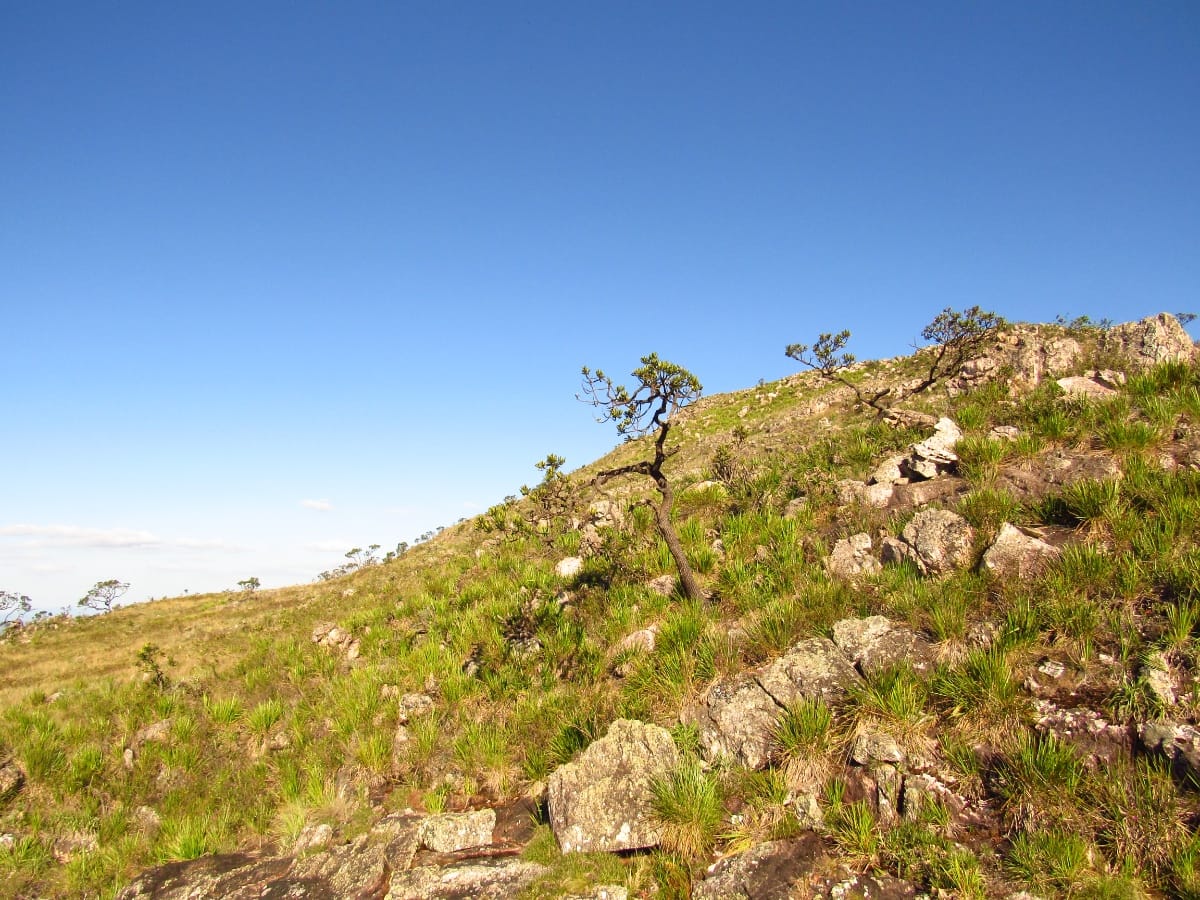
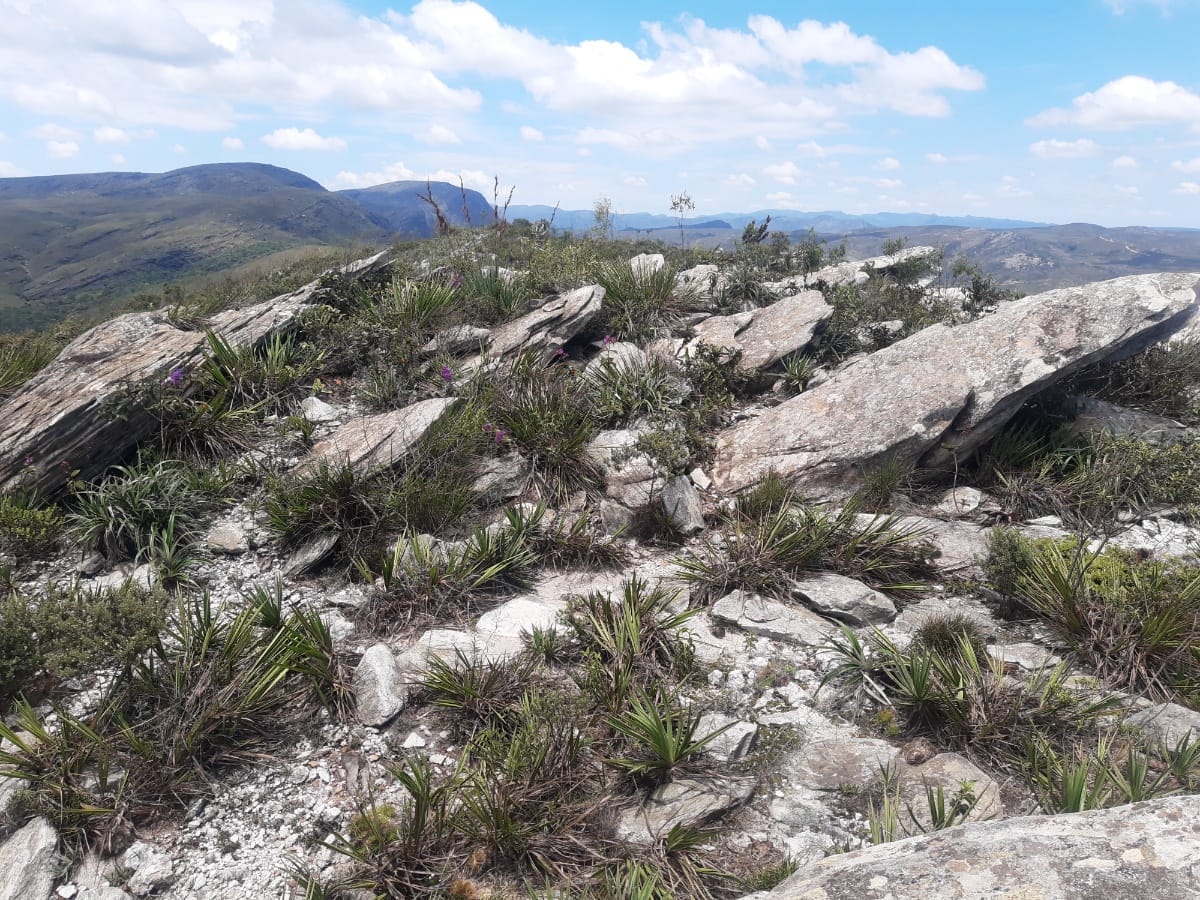
That said, nothing compares to the feeling of getting out there to experience the plant world in all its astonishing presence and beauty. Although my field experience is relatively limited, visiting natural landscapes is highly inspiring and motivating. In the campos rupestres, for instance, I encounter a dynamic and intricate ecosystem that embodies many of the questions I seek to answer.
The contrast between analytical abstraction and contemplation in the field is particularly stimulating. Being in the field brings a tangible dimension to otherwise abstract patterns and concepts, and the combination of intellectual challenge with the striking beauty and diversity of plant life is, for me, the most rewarding aspect of working with plants.
Are any specific plants or species that have intrigued or inspired your research? If so, what are they and why?
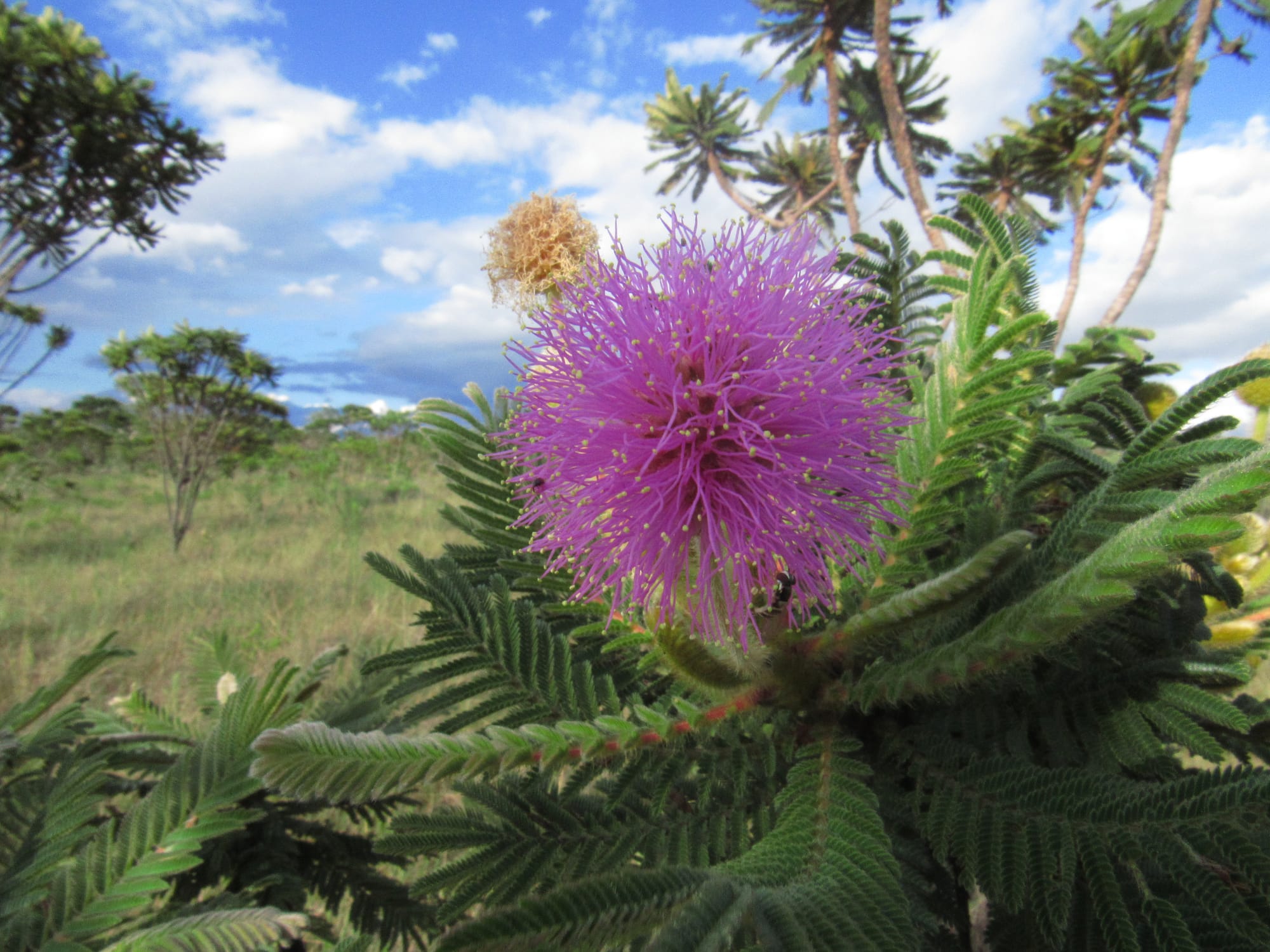
Although my research leverages data from multiple plant groups, Mimosa species–the sensitive plants, such as touch-me-not–have always been particularly intriguing to me. Mimosa was particularly successful in diversifying into an astonishing number of species and forms that are key components of Neotropical landscapes. How have they done that? Uncovering Mimosa’s secrets provides insights that extend well beyond the genus itself.
Researchers have widely used Mimosa as a model group to investigate the origins and evolutionary dynamics of major biodiversity hotspots, such as the Brazilian Cerrado. In my own work, Mimosa is a major plant group I use to explore the evolutionary history of the campos rupestres and their connections with adjacent biomes.
But it is not only me that Mimosa inspires. Within my research group in Brazil, Mimosa is a central study system, and several of my colleagues work on different aspects of its evolution and taxonomy. Together, we uncover tales such as the origins of its relatively uniform floral morphology, the drivers of its lineage and morphological diversification, and the processes underlying its expansion across the Neotropics.
Could you share an experience or anecdote from your work that has marked your career and reaffirmed your fascination with plants?
Recently, during a workshop at my university, we organized a short field excursion with undergraduate biology students to a nearby Cerrado area. I began with a lecture on the origins of the Cerrado, and then we moved to the field. As we walked through the landscape, we stopped frequently to discuss usual plant features, such as twisted branches, thick bark, sclerophyllous leaves, and leaf clustering at branch apices.
These features were not new to me, and familiarity can sometimes dull our sense of wonder. However, what marked that experience was observing the students’ reactions. As I explained how plants colonized those fire-prone environments over millions of years, evolving strategies to cope with a harsh environment, I could see genuine curiosity and amazement in their responses.
That moment had an unexpected effect on me. Seeing the system through their eyes renewed my own sense of fascination. Experiences like this not only reaffirm my interest in plants but also reinforce my motivation to continue in this career and to help cultivate that same sense of curiosity and appreciation in others.
What advice would you give young scientists considering a career in plant biology?
Go for it! There are many mysteries waiting to be uncovered in the plant world, especially for those willing to look beyond the surface. In their seemingly silent existence, they structure whole ecosystems, regulate climate, and sustain life on the planet we live in.
We are living in a time of profound political and environmental uncertainty, often driven by short-sighted decisions and disproportionate human impact. In this context, plants have much to teach us about resilience, balance, coexistence, and, after all, humanity. Studying them is not just a scientific career pursuit, but also an opportunity to better understand our place in the natural world and the responsibilities that come with it.
At the same time, it is essential to build a strong and versatile toolkit. Developing programming skills, particularly in languages such as R or Python, is increasingly indispensable, and allows to handle complex data and explore questions that would otherwise remain inaccessible. Although this may seem challenging at first, it is one of the most empowering investments you can make as a young scientist, and it has been central to my own work.
What do people usually get wrong about plants?
Because plants do not move in ways that are immediately visible to us, they are often perceived as static organisms. In reality, they are anything but static! Although individual plants are rooted in place, plant lineages have repeatedly spread across vast regions of the globe over evolutionary time, with even cross-continental dispersal being more common than it might first appear.
Their movements simply occur at spatial and temporal scales that are less perceptible in everyday observation. Ecology and biogeography show us that plants are highly dynamic: they explore their environment through adjustable growth and rely on abiotic and biotic vectors to disperse their offspring, often across considerable distances.
While their strategies unfold differently from those of animals, they are no less complex. In many ways, plants operate according to a completely different logic–one that requires closer attention and sustained observation to be fully appreciated.
Cover picture by Yago Barros-Souza.