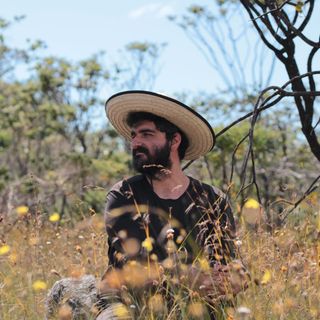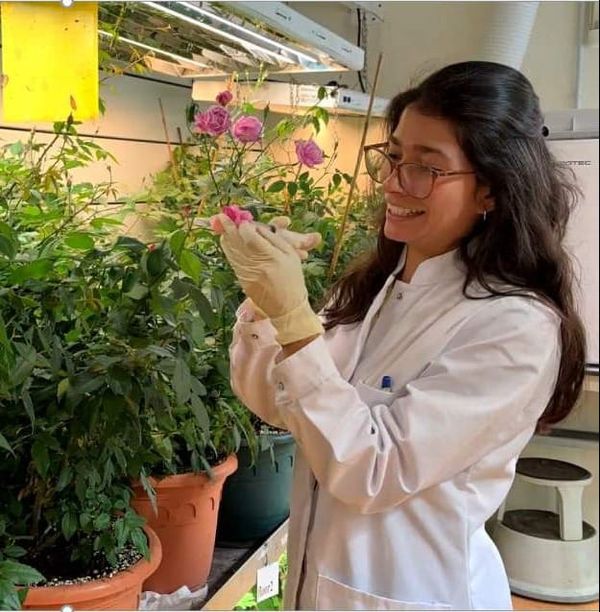

Plants are incredibly diverse, and so are botanists! In its mission to spread fascinating stories about the plant world, Botany One also introduces you to the scientists behind these great stories.
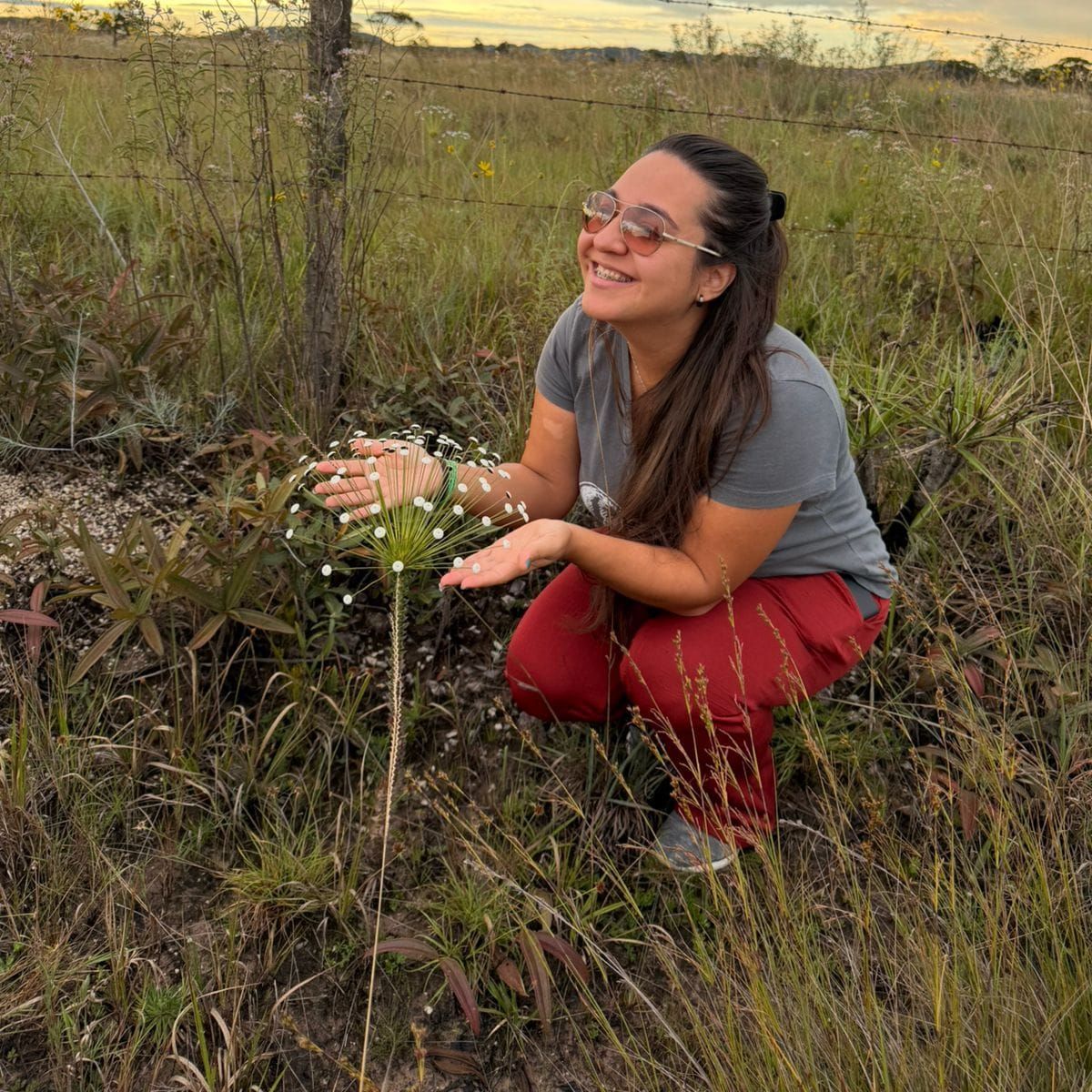
Today, we have Dr Heloiza L. Zirondi, a postdoctoral researcher with a PhD in Ecology, Evolution and Biodiversity from Universidade Estadual Paulista (UNESP), Brazil. Her research focuses on plant ecology, seed ecology, and the effects of fire on plant regeneration in tropical savannas, particularly the Brazilian Cerrado. Throughout her career, Zirondi has investigated how fire-related cues such as heat and smoke influence seed germination, how fire season affects flowering phenology, and how species differ in their regeneration strategies. More recently, her work has expanded to explore the combined impacts of climate change and fire on seed traits and germination responses, aiming to better understand how native plant communities may respond to future environmental changes.
Zirondi is especially interested in the diversity of regeneration strategies found in the Cerrado and in using plant functional traits to understand the ecological processes that shape species persistence in fire-prone ecosystems. By integrating plant traits with seed ecology and fire ecology, she aims to improve our understanding of the mechanisms of plant responses to fire regimes and contribute to the conservation and management of fire-prone ecosystems. You can follow her work on ResearchGate and Bluesky
What made you become interested in plants?
From a young age, I was always intrigued by nature—how living things are connected to one another and how they function. I grew up surrounded by plants, largely thanks to my grandmother, who loved gardening and shared her appreciation for the natural world with me. Spending time with her sparked my curiosity and taught me to observe plants closely, even before I realised they could become the focus of my career. My mother also noticed my fascination with nature when I was a child. I was constantly asking questions about animals and plants and loved being outdoors. She often told me that one day I could become a biologist, and although I didn't fully understand what that meant at the time, her encouragement stayed with me.
Later, I decided to study Biological Sciences, where I became fascinated by scientific research, especially plant biology. The more I learned, the more I realized that plants are far from passive organisms. They have evolved remarkable strategies to survive, reproduce, and respond to environmental challenges. This fascination grew even stronger when I started working in the Brazilian Cerrado. Seeing landscapes that appeared completely burned transform into vibrant communities full of new growth and flowers completely changed the way I thought about disturbance. It showed me that fire, rather than being only destructive, can be an essential ecological process that shapes biodiversity and drives regeneration. That experience ultimately led me to focus my research on plant regeneration, seed ecology, and fire ecology.
What motivated you to pursue your current area of research?
Interestingly, my journey into seed ecology began with a suggestion from my supervisor. At the time, she encouraged me to explore seeds as a research topic, and I decided to give it a try without realising how much it would shape my career. As I became involved in the research, I quickly fell in love with the field. I was fascinated by the fact that such a small structure can determine the future of plant populations and entire ecosystems.
I was also fortunate to be part of a research group whose work inspired me. Seeing the interesting questions being explored by my colleagues motivated me to keep learning and to develop my own research ideas. As my research progressed, I became increasingly interested in how seeds respond to fire and other environmental cues. Working in the Brazilian Cerrado—an incredibly diverse and fire-prone ecosystem—showed me how fascinating plant responses to fire can be and provided the perfect natural laboratory to investigate these questions.
What is your favourite part of your work related to plants?
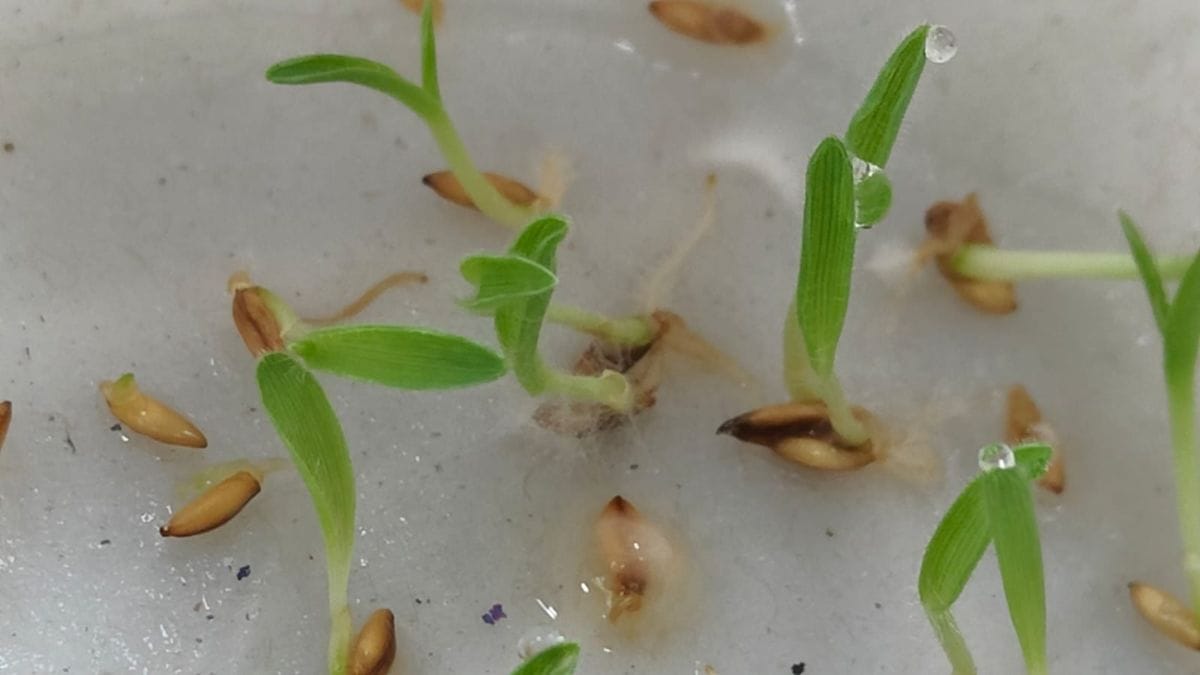
My favourite part is conducting experiments and seeing how different species respond in completely different ways to the same environmental cue. It is always exciting because plants constantly challenge our expectations. Two species growing side by side may have entirely different germination responses to heat or smoke, reflecting distinct survival strategies.
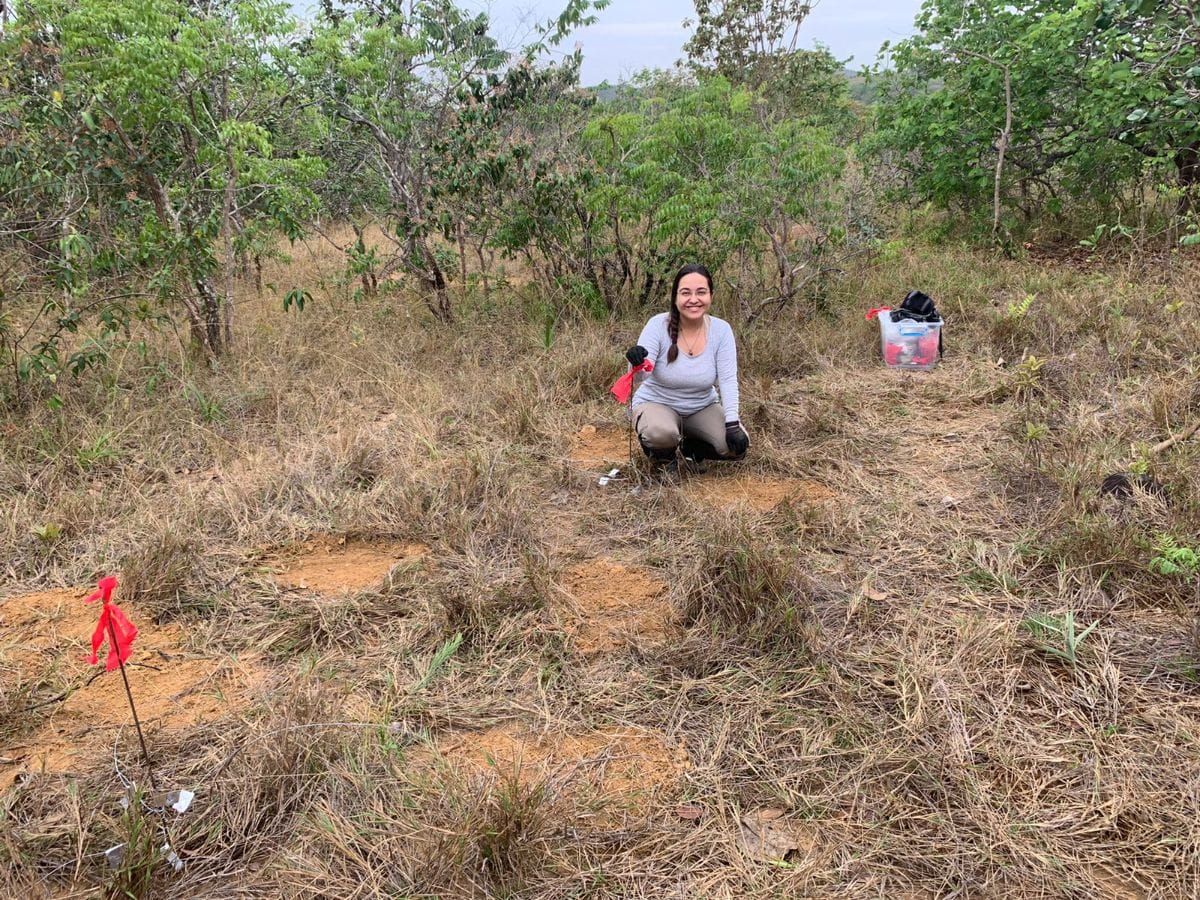
I also enjoy fieldwork in the Cerrado. There is something unique about returning to an area after a fire and observing the rapid recovery of vegetation. Watching seeds germinate, plants resprout, and flowering begin shortly after fire is a powerful reminder of how dynamic these ecosystems are.
Finally, I enjoy connecting experimental results with broader ecological questions. Understanding how individual species respond to fire helps explain larger patterns of community assembly, biodiversity maintenance, and ecosystem resilience.
Are any specific plants or species that have intrigued or inspired your research? If so, what are they and why?
Rather than a single species, I have always been fascinated by the extraordinary diversity of Cerrado plants. One of the most exciting aspects of my research is discovering how species growing side by side can respond in completely different ways to living in a fire-prone environment.
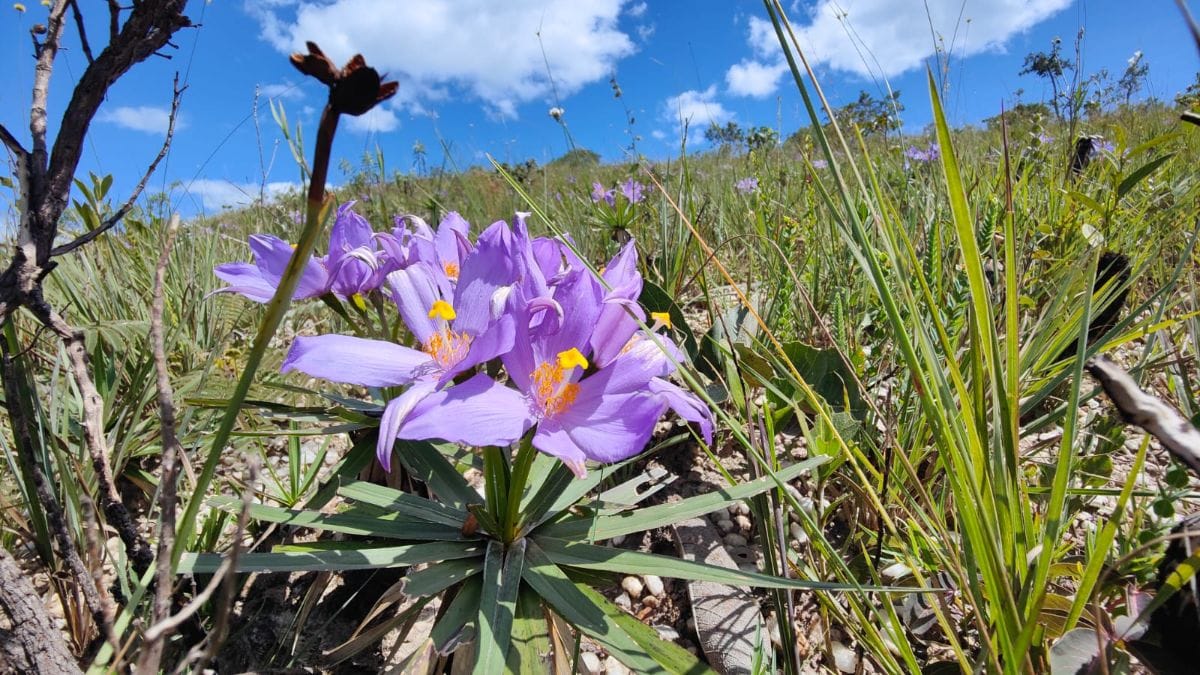
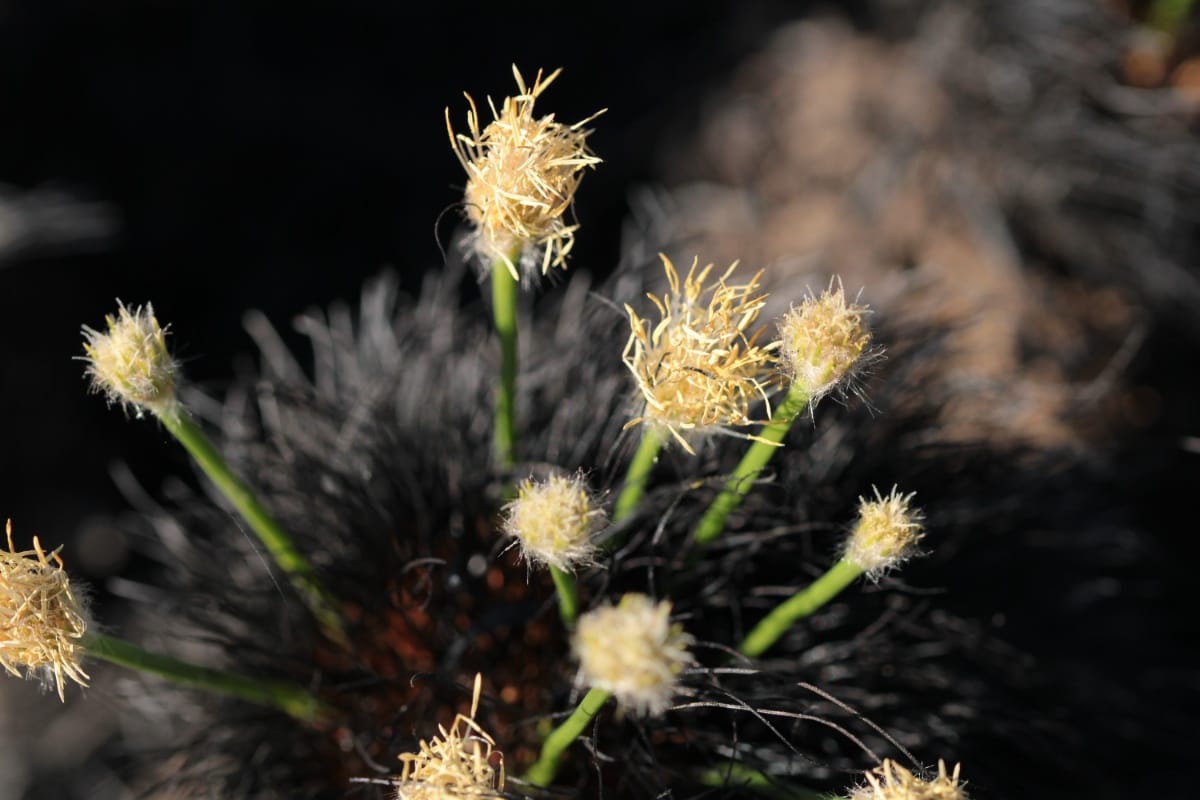
One of my favourite moments in the field is visiting the Cerrado after a fire. What initially appears to be a burned landscape quickly transforms into a colorful mosaic of flowering plants. The post-fire flowering display is truly spectacular and never ceases to amaze me. Some species have left a lasting impression on me, such as Asemeia marquesiana, Crumenaria choretroides, Lippia horridula, Dalechampia linearis, and Bulbostylis paradoxa. Watching these species flower soon after fire and studying their different regeneration strategies has been both scientifically inspiring and personally rewarding.
Could you share an experience or anecdote from your work that has marked your career and reaffirmed your fascination with plants?
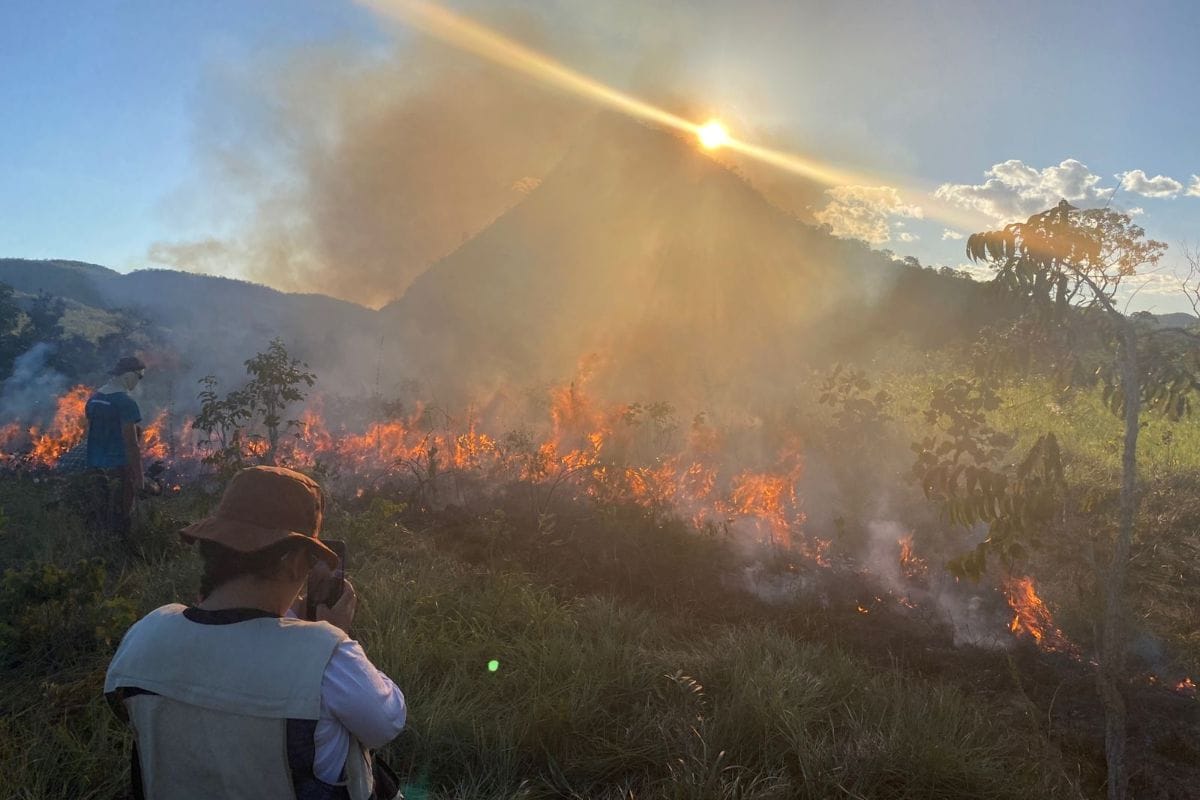
One experience that has stayed with me was seeing a Cerrado area during and immediately after a burn. At first, the landscape looked almost lifeless, covered in black ash. However, only a few weeks later, the same area had transformed completely.
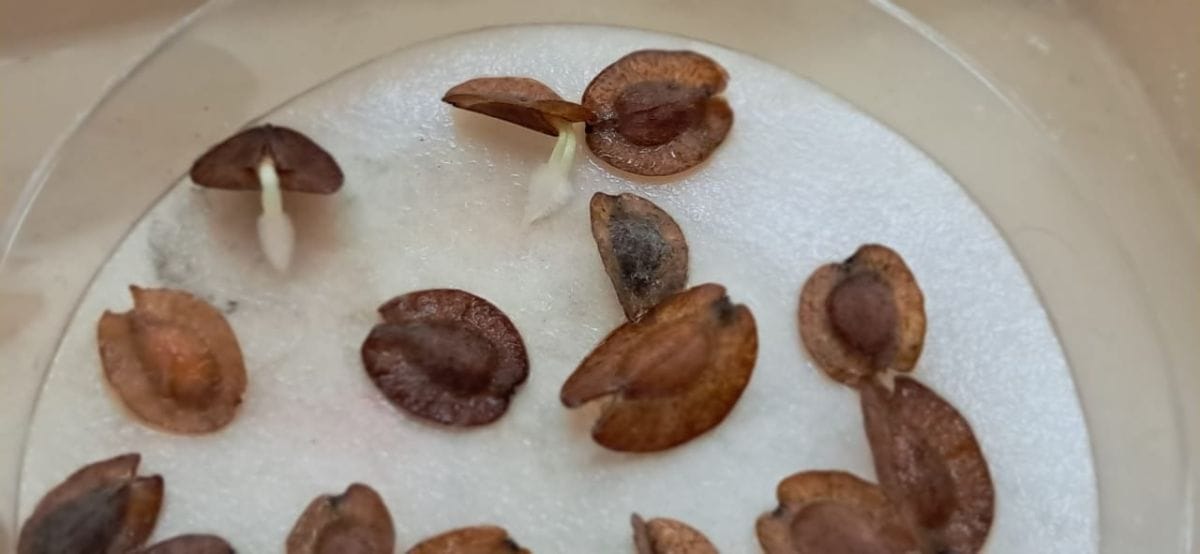
What impressed me even more was witnessing plants flower just within two days after the fire. Seeing such a rapid response completely changed my perception of how resilient these species are. Another unforgettable moment came in the laboratory, when seeds that had been exposed to high temperatures—or were even covered with fungi—still managed to germinate. Those moments reminded me that plants and seeds are often far more resilient than we expect.
Witnessing these transformations firsthand changed my perspective on fire forever. Before working in the Cerrado, it was easy to think of fire only as a destructive force. Instead, I learned that, in many ecosystems, fire is also a powerful driver of regeneration and biodiversity. These experiences continue to inspire my research and reinforce how much there is still to learn about the adaptations that allow plants to survive and thrive in fire-prone ecosystems.
What advice would you give young scientists considering a career in plant biology?
Stay curious and spend as much time as possible observing plants in their natural environments. Many of the most interesting research questions arise from simple observations made in the field. I would also encourage young scientists to develop strong quantitative and analytical skills while maintaining a solid understanding of ecology. Science nowadays could benefit from combining expertise in experiments, statistics, modelling, and interdisciplinary approaches, but careful field observations remain equally important.
Finally, don't be discouraged if experiments do not work as expected. Research often involves unexpected results, especially when studying ecological systems. Some of my most interesting findings came from results that initially seemed surprising. Science advances not only by confirming our hypotheses but also by challenging them.
What do people usually get wrong about plants?
I think many people underestimate how dynamic and responsive plants are. Because they cannot move, plants are often viewed as passive organisms that simply react to whatever happens around them. In reality, they continuously sense environmental changes and have evolved strategies to cope with stress, competition, herbivory, drought, and fire.
Another common misconception is that fire is always harmful to plants. Although extreme or inappropriate fire regimes can certainly threaten biodiversity, many ecosystems—including the Cerrado—have evolved with recurrent fire over millions of years. Numerous plant species actually depend on fire-related cues for successful reproduction, flowering, or regeneration.