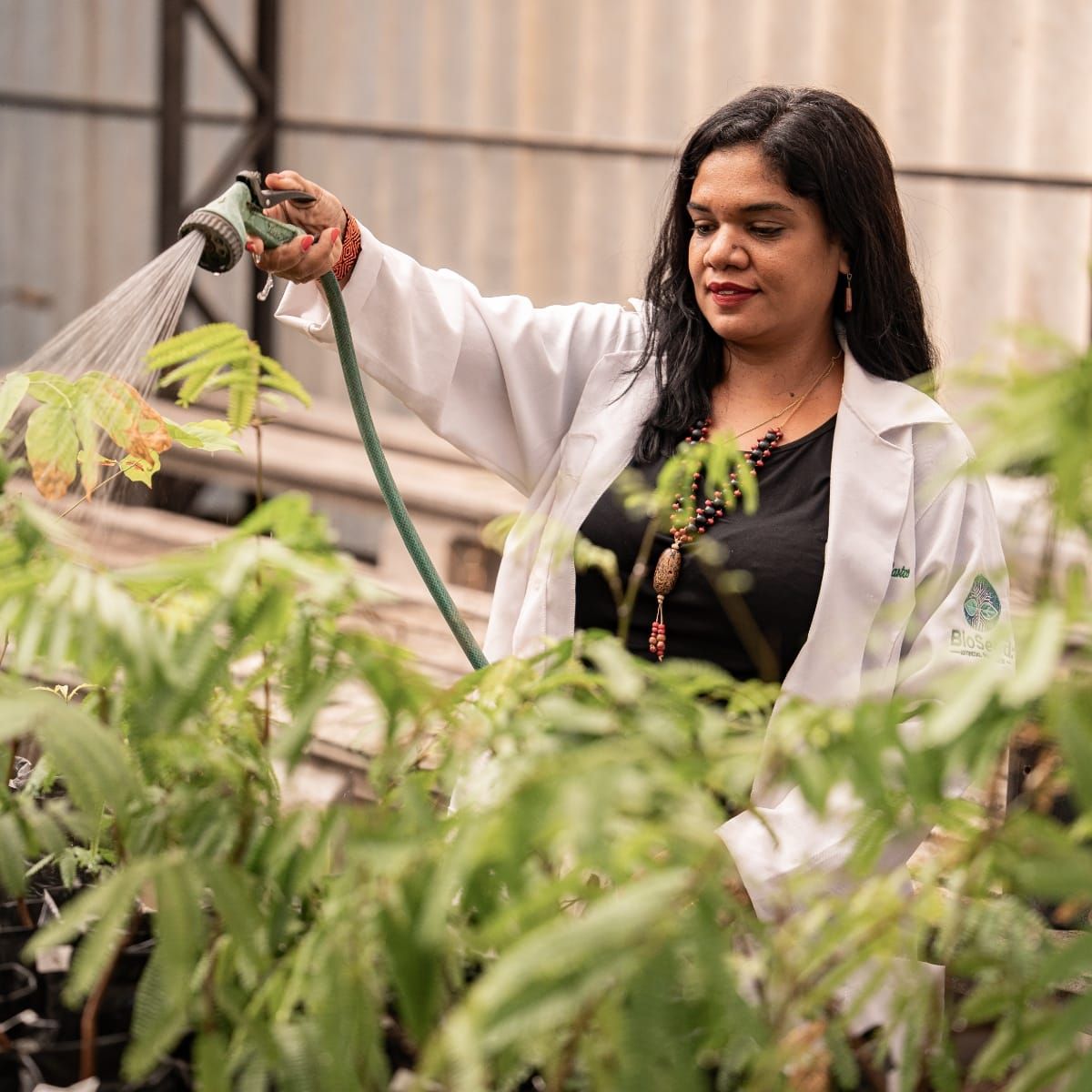

Plants are incredibly diverse, and so are botanists! In its mission to spread fascinating stories about the plant world, Botany One also introduces you to the scientists behind these great stories.
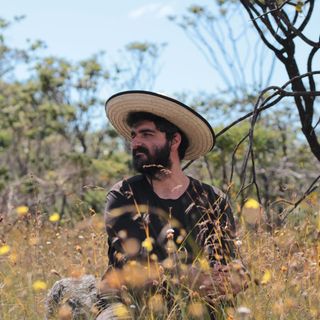
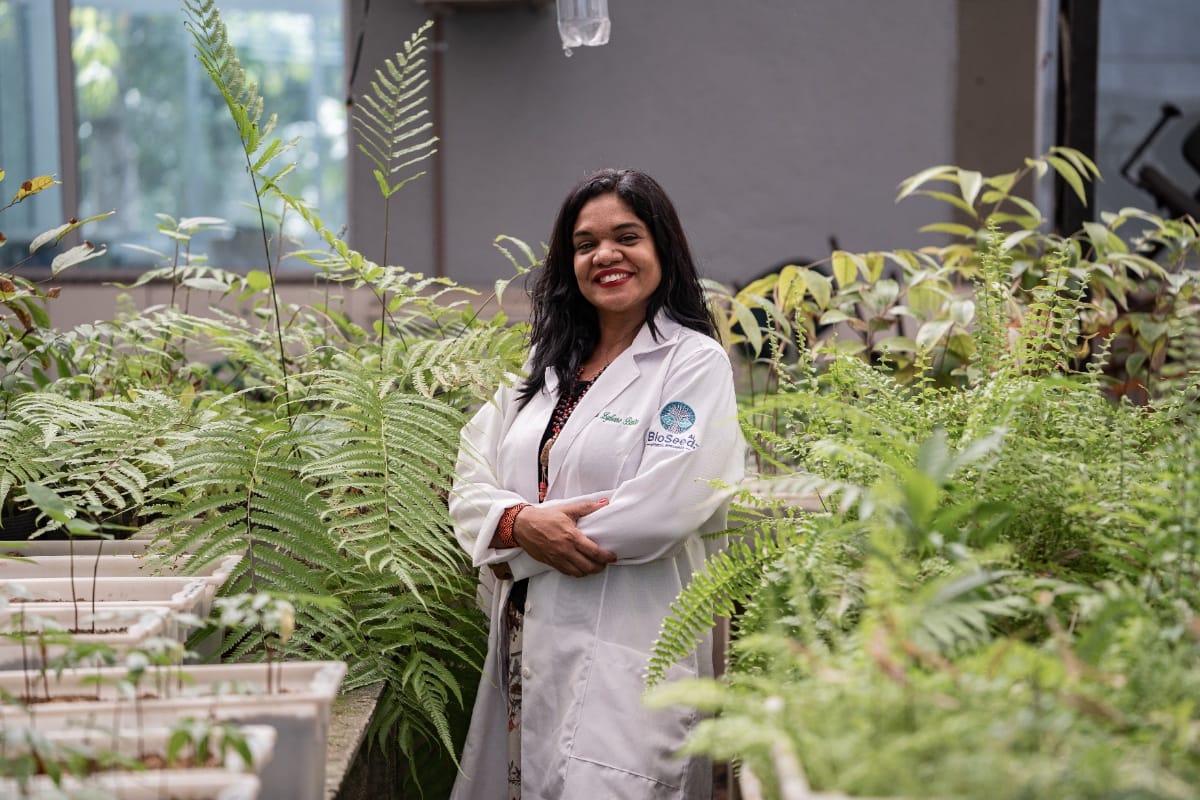
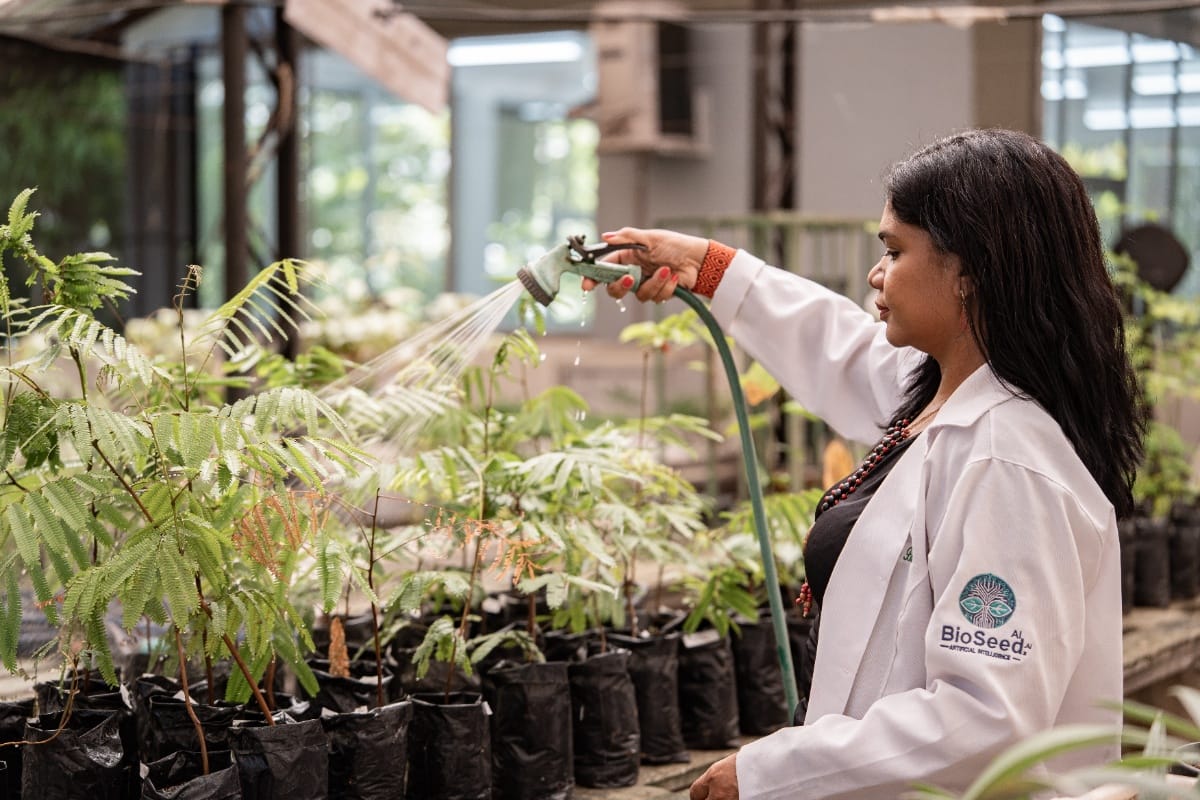
Today, we have Dr Lydiane Lucia de Sousa Bastos, a Brazilian forest engineer and researcher at the National Institute for Amazonian Research (INPA), in Manaus, Brazil. Bastos holds a PhD in Forest Science from the Federal University of Viçosa (UFV), and her research focuses on the physiology, morphology, viability, and conservation of seeds from native Amazonian forest species
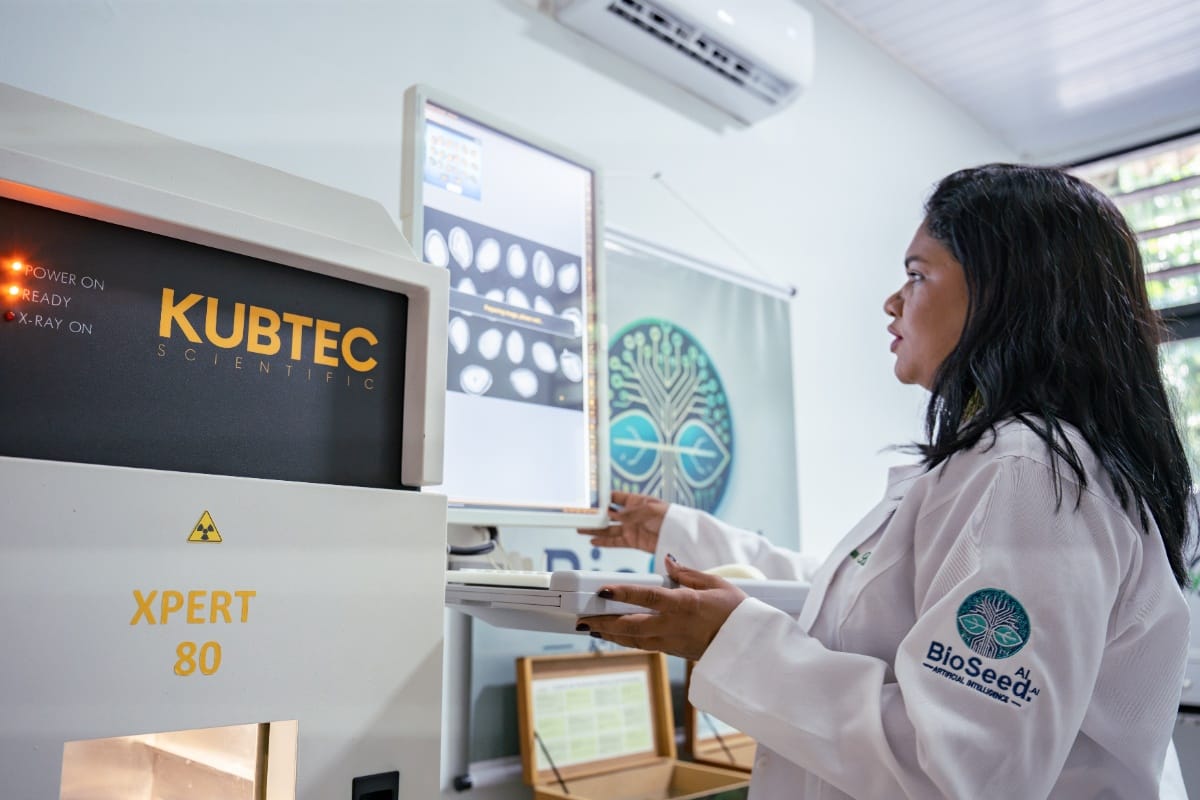
For over twelve years, she has been investigating how environmental factors such as water availability, temperature, and fire affect seed quality, germination, and regeneration. More recently, Bastos has incorporated artificial intelligence, digital image analysis, and X-ray technology into her research to develop innovative approaches for assessing seed quality and viability.
Bastos coordinates research activities that bring together seed biology, technology, and ecological restoration, working with researchers, universities, and local seed collectors. Her main goal is to contribute to the conservation of Amazonian biodiversity and to make the restoration of tropical forests more efficient by improving our understanding of native seeds.
What made you become interested in plants?
Growing up in Manaus, in the heart of the Brazilian Amazon, certainly influenced my relationship with nature. The forest is not something distant or abstract here; it is part of the landscape, culture, and everyday life. However, my interest in plants became a professional passion when I began studying Forest Engineering.
During my undergraduate studies, I became fascinated by the complexity of forest ecosystems and the extraordinary diversity of plant species in the Amazon. I gradually realised that understanding how forests regenerate is just as important as understanding how they grow. This led me to seeds, which I now see as one of the most fascinating and underestimated components of forest ecosystems.
A seed may look small and simple, but it carries an enormous amount of biological information and the potential to generate an entire tree. The idea that something so small can hold the future of a forest is what continues to inspire me.
What motivated you to pursue your current area of research?
My motivation comes from recognising that the conservation and restoration of Amazonian forests depend not only on protecting existing trees, but also on understanding how new generations of trees can establish themselves. Seeds are the starting point of forest regeneration, yet we still know relatively little about the biology, storage behaviour, and germination requirements of many native Amazonian species.
Over the years, working with native seeds and local seed collectors has made me realize that scientific knowledge needs to be translated into practical solutions. I became particularly interested in how artificial intelligence and image analysis could help address these challenges while also improving the working conditions of seed collectors.
Sometimes, collectors spend hours walking through the forest searching for seeds, only to discover later that some of them are empty, damaged, or non-viable. Our goal is to develop an AI-based tool capable of analyzing X-ray and digital images and providing an assessment of seed quality in as little as 40 seconds. This could help collectors optimize their collection routes, identify and map mother trees producing healthy seeds, and avoid wasting time and effort collecting unsuitable material.
For me, this research is about bringing together scientific innovation, forest restoration, and the people who make the collection and conservation of native seeds possible.
What is your favourite part of your work related to plants?
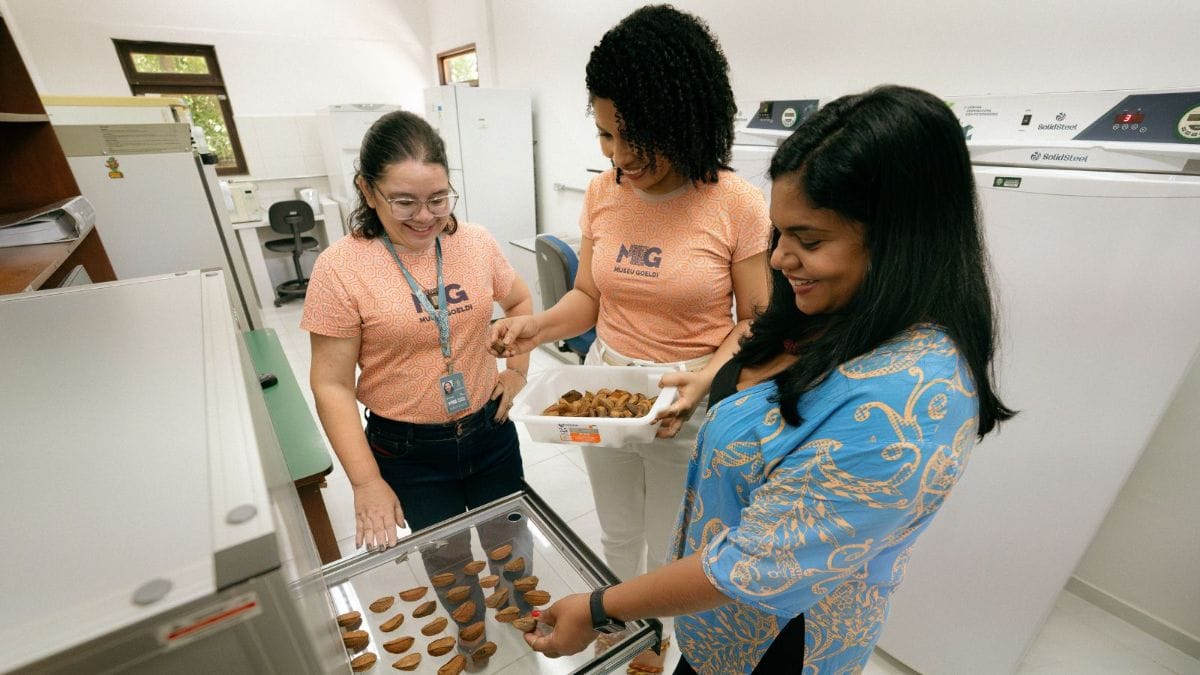
My favourite part is discovering what happens inside a seed and understanding the biological processes that determine whether it can develop into a healthy plant. There is something fascinating about observing a seed that looks perfectly normal externally but may contain an undeveloped embryo, damaged tissues, or other characteristics that affect its germination.
I particularly enjoy combining traditional seed physiology techniques with new technologies, such as X-ray imaging, digital scanners, and artificial intelligence. Seeing how these tools reveal details that cannot be observed with the naked eye is incredibly rewarding.
I also love the connection between research and people. Working with seed collectors and local communities reminds me that scientific discoveries have a much broader purpose. Our research can improve seed collection, storage, commercialization, and restoration practices.
For me, the most rewarding moment is when scientific knowledge becomes a practical tool that helps people and contributes to the recovery of forests.
Are any specific plants or species that have intrigued or inspired your research? If so, what are they and why?
What fascinates me most is not just a particular species, but the extraordinary diversity of Amazonian plants and the challenges of studying seeds from species growing in such different ecosystems. The Amazon is not a homogeneous forest. It includes terra firme forests, seasonally flooded várzea and igapó forests, campinaranas, and savanna-like environments, each with distinct environmental conditions that influence plant development, seed production, and regeneration.
Working with seeds from these different ecosystems means dealing with an enormous diversity of shapes, sizes, structures, and physiological behaviors. Some species produce seeds that tolerate drying and long-term storage, while others are highly sensitive to water loss and temperature changes. Germination requirements and dormancy mechanisms also vary considerably.
This diversity makes it difficult to develop standardized methods for seed collection, quality assessment, storage, and propagation. It also makes research particularly exciting because each species presents a different scientific question.
I am especially interested in understanding how environmental conditions shape seed characteristics and viability across Amazonian ecosystems. I believe that investigating this diversity is essential to developing reliable technologies and strategies for conserving native species and restoring different types of Amazonian forests.
Could you share an experience or anecdote from your work that has marked your career and reaffirmed your fascination with plants?
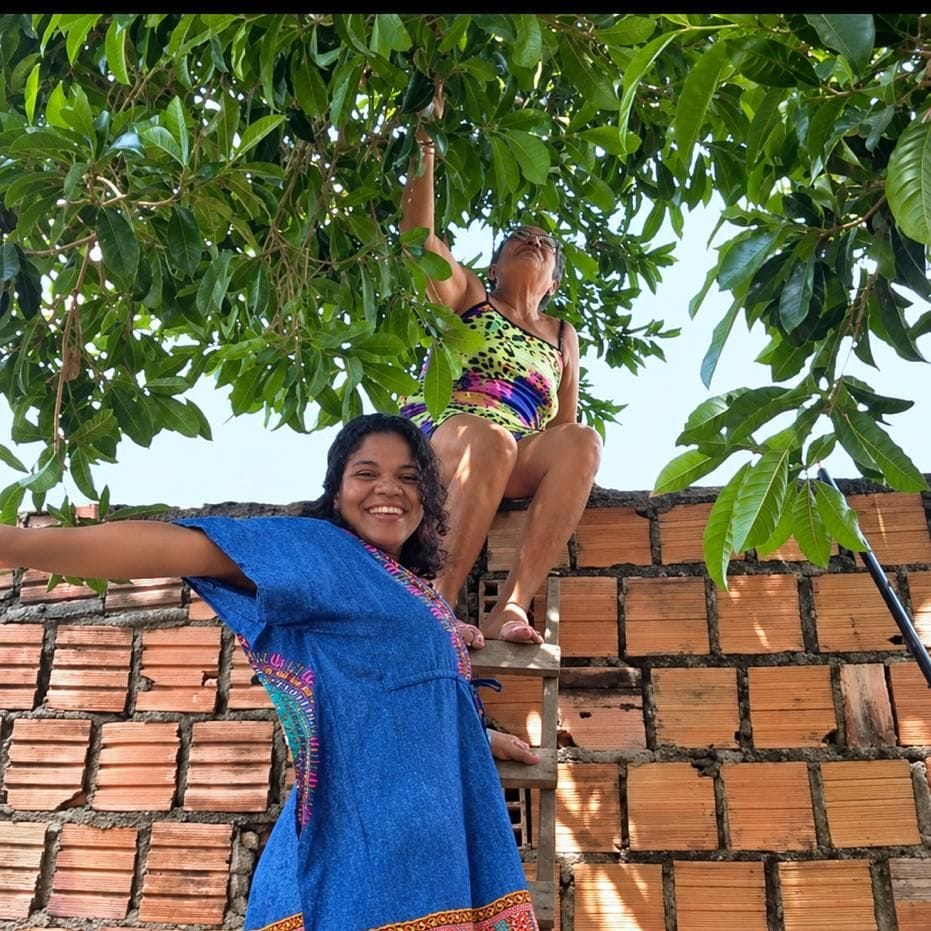
One of the experiences that has shaped my relationship with plants goes back to my childhood. I remember thinking it was amazing how my grandmother could distinguish a guava tree from a mango tree, an inga tree, or a rose apple tree. At the time, I was fascinated by her ability to recognise them so easily. Today, after years of studying forest species, I understand much better just how different each of these trees really is.
Over time, my way of looking at the forest has matured. I have learned to recognize that every individual and every species is unique, with its own characteristics, rhythms, and ways of interacting with the environment. What fascinates me is this apparent paradox: the forest is made up of an extraordinary diversity of different individuals and species, yet they are all part of one interconnected living system.
This beauty of being heterogeneous and, at the same time, belonging together is what inspires me to continue studying seeds and trees. The more I learn about them, the more I realize how much there is still to discover. In many ways, my scientific journey continues the curiosity I had as a child, when I watched my grandmother identify the trees around us.
What advice would you give young scientists considering a career in plant biology?
My first advice would be: stay curious and do not underestimate the value of asking simple questions. Plant biology is an incredibly broad field, and some of the most relevant discoveries begin with observations that may initially seem small or insignificant.
I would also encourage young scientists to explore interdisciplinary approaches. Today, understanding plants increasingly involves combining biology with technology, data science, remote sensing, artificial intelligence, and social sciences. Do not be afraid to learn something outside your original academic background.
Another important point is to build connections with people and institutions beyond your own laboratory. In biodiversity-rich regions such as the Amazon, working alongside local communities, seed collectors, and researchers from different disciplines is essential.
Finally, be patient and persistent. Research does not always produce the results we expect, but every experiment teaches us something. And remember that science is not only about publishing papers; it is also about generating knowledge that can make a positive difference in the world.
What do people usually get wrong about plants?
I think one of the biggest misconceptions is that plants are passive organisms that simply respond to their surroundings. In reality, plants are extraordinarily complex living systems. They constantly interact with their environment, perceive changes in temperature, light, and water availability, and activate sophisticated physiological and biochemical mechanisms to survive.
Another common misconception is that all seeds can be stored in the same way or that every seed will germinate if given enough water and suitable conditions. This is far from true. Different species have very distinct seed characteristics, dormancy mechanisms, storage requirements, and environmental responses. Some seeds tolerate drying and freezing, while others are highly sensitive to these conditions.
I also think people underestimate the importance of seeds in forest conservation and restoration. A forest is not just a collection of trees; it is a dynamic system that depends on successful regeneration. Understanding seeds means understanding how forests persist, adapt, and recover. In the Amazon, this knowledge is fundamental to ensuring the future of our forests.
Cover picture by Aline Fidelix.