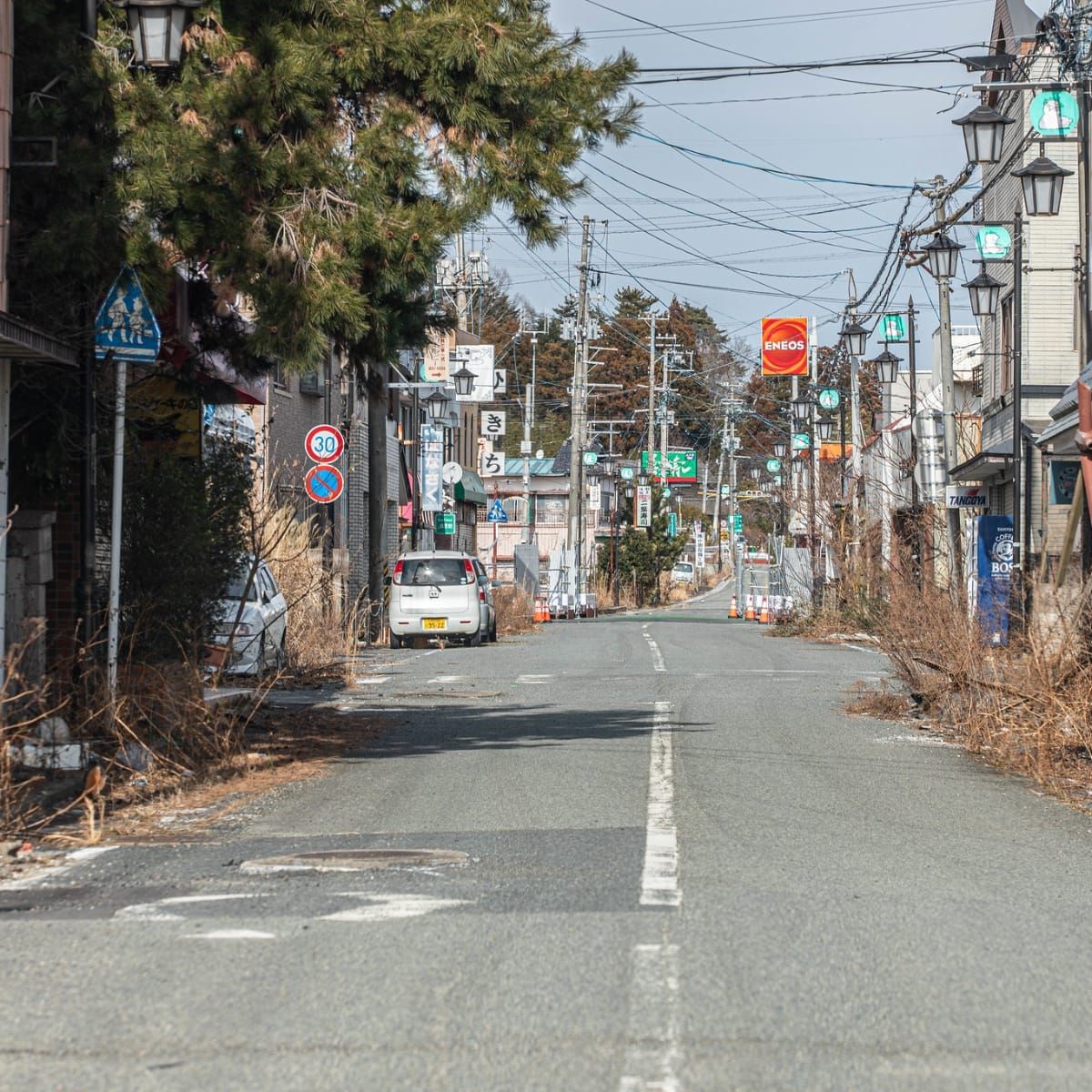

On March 11, 2011, a massive earthquake struck northeastern Japan, triggering a tsunami and a nuclear accident at the Fukushima Daiichi power plant. Radioactive contamination forced thousands of people to leave their homes, leaving entire communities and vast areas of farmland behind.
But while people disappeared, wildlife remained. As fields were no longer cultivated and gardens were abandoned, wild vegetation began to spread, transforming the landscape. This process, known as rewilding, can create new habitats for wildlife. But does allowing nature to take over always benefit biodiversity?
For wild bees, the answer is not so simple. Abandoned farmland can offer more flowers and nesting sites, while reducing exposure to agricultural pesticides. Yet, as vegetation becomes denser, species that depend on open habitats may lose suitable places to live. So, what happens to bee communities when human activity disappears? And what happens when people return?
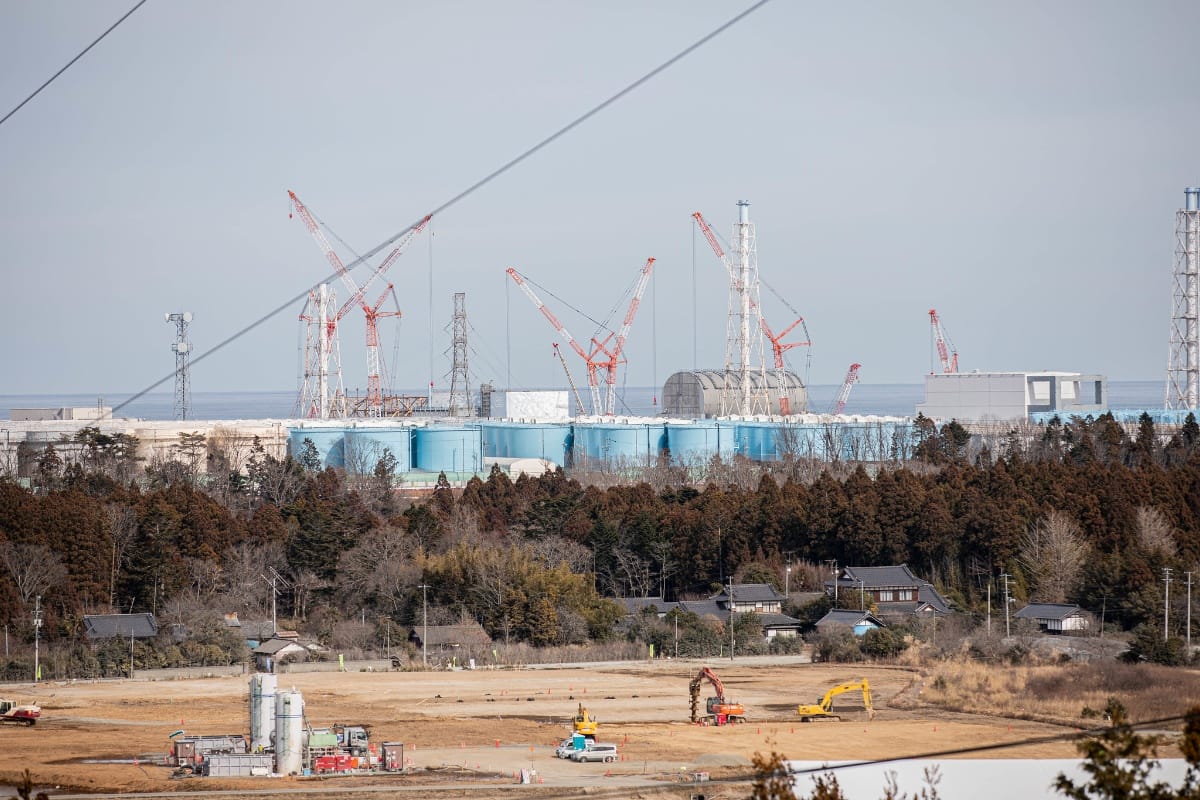
To investigate this, Akira Yoshioka and his team monitored 57 sites across Fukushima between 2015 and 2022, comparing bee communities in areas still under evacuation, areas where residents had been allowed to return, and places that had never been evacuated. But they did more than simply count bees. They examined how many species were present, how related they were, and how much they differed in traits such as body size, tongue length and nesting habits, all of which can influence how bees interact with flowers.
They found that bee abundance and bee diversity were higher in areas affected by the Fukushima evacuation than in places where people had continued living. The biggest differences appeared among long-tongued bees, a group that includes bumblebees and honeybees. Furthermore, these areas supported greater evolutionary diversity, meaning that their bee communities included species from a wider range of evolutionary lineages.
One possible explanation is that, without regular farming, wild vegetation had more room to grow. Plants such as Miscanthus sinensis and Solidago altissima became dominant in abandoned fields, providing floral resources and nesting materials for some bee species. Reduced agricultural activity may also have meant less exposure to insecticides.
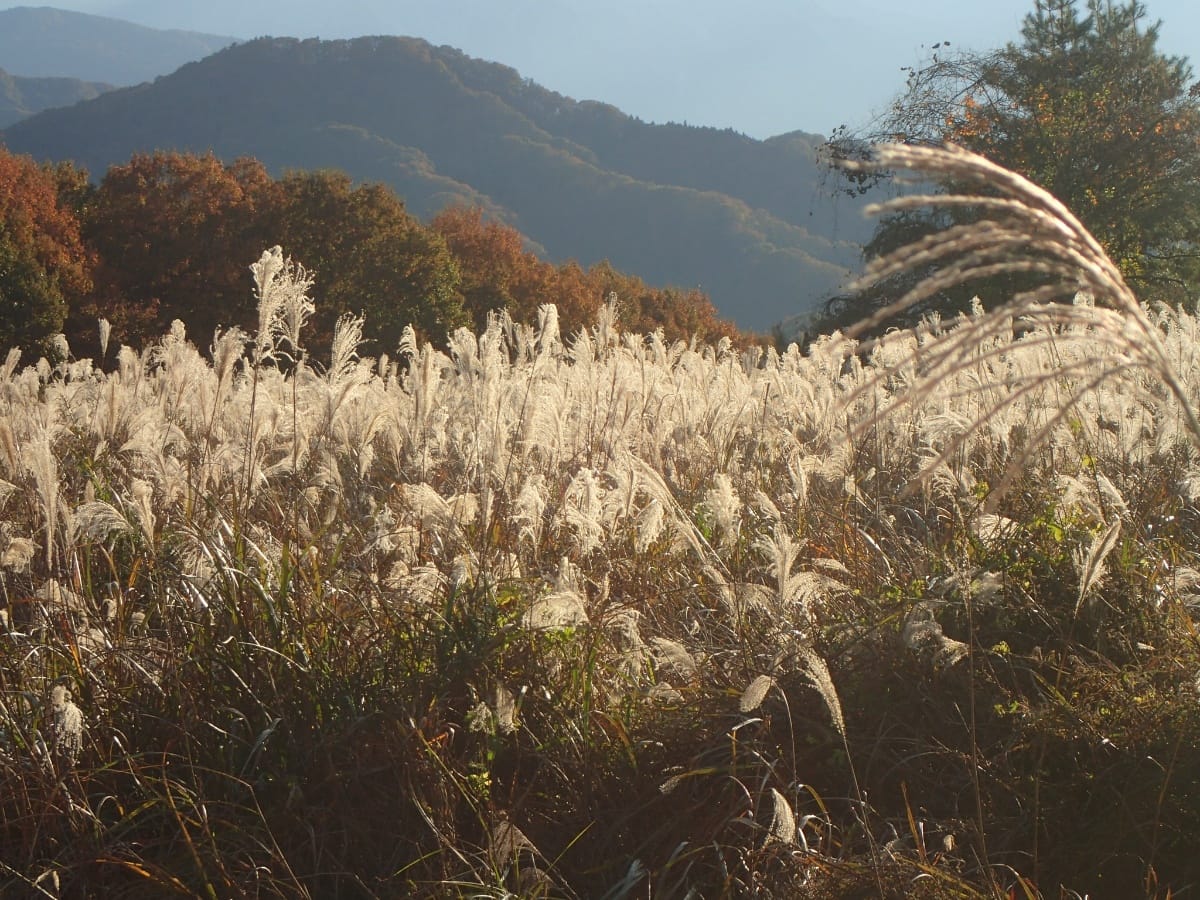
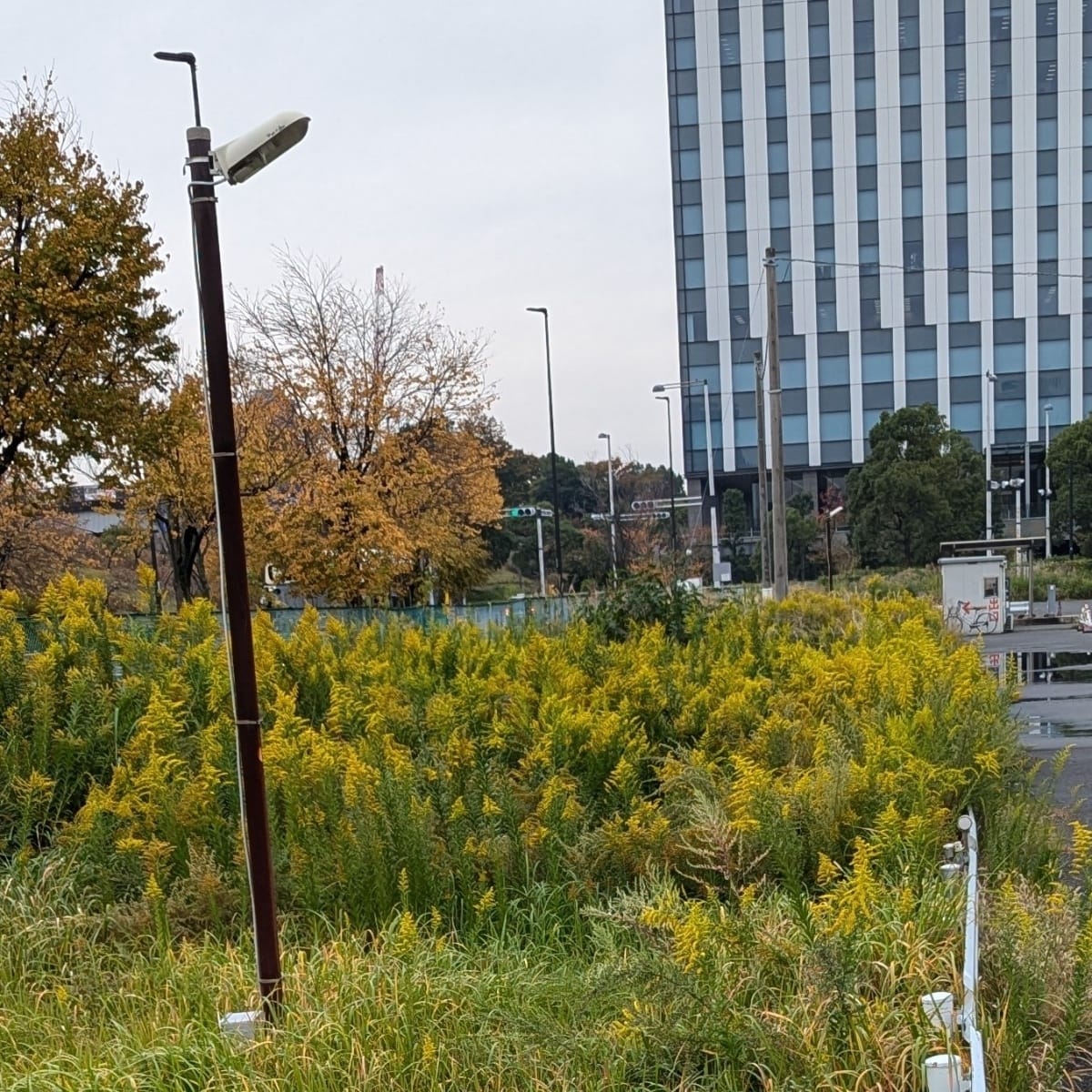
Miscanthus sinensis (Photo by renshuchu via iNaturalist, CC0 1.0) and Solidago altissima (Photo by funnieanimals via iNaturalist, CC0 1.0)
However, not all bees benefited equally. Some species associated with open habitats became more abundant after farming resumed, while others were more common in abandoned areas. Short-tongued bees, for example, increased after evacuation orders were lifted, particularly Halictus aerarius. The return of human activity therefore brought benefits for some species, even as others responded more positively to abandoned landscapes.
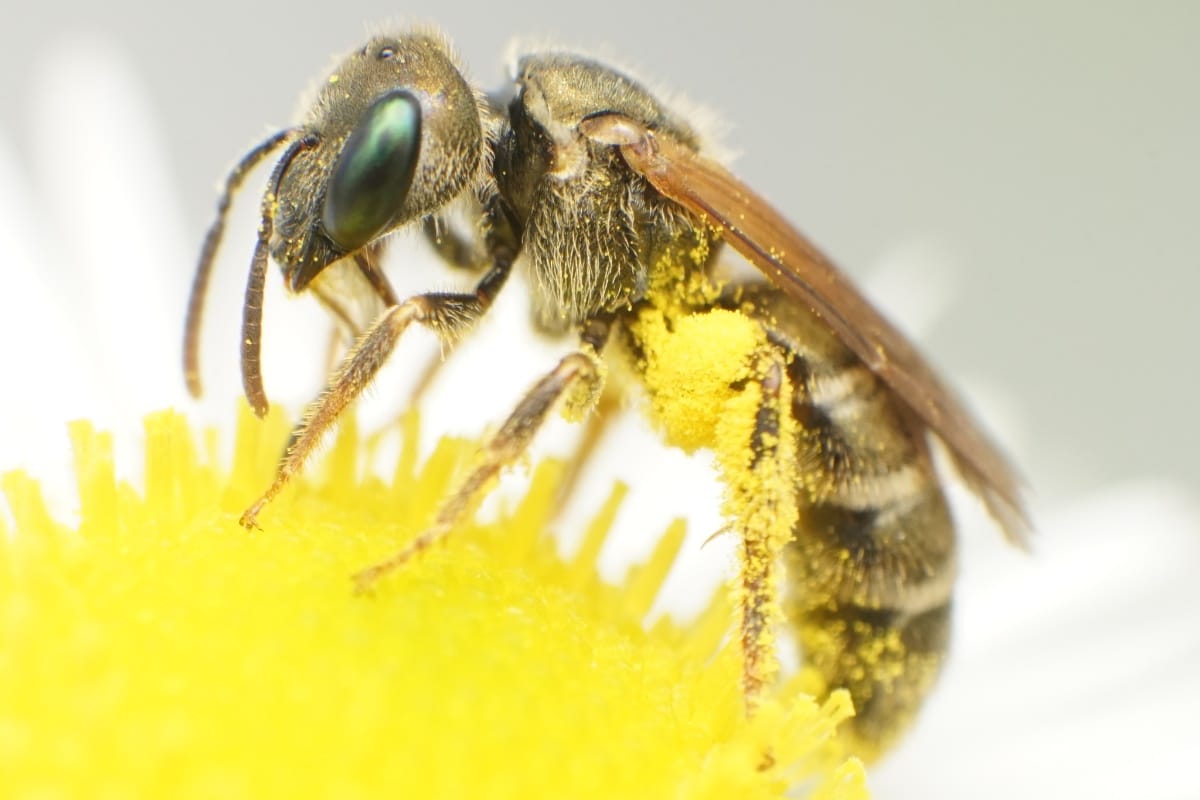
Overall, Fukushima's unexpected natural experiment offer to us an important ecological lesson: neither complete farmland abandonment nor intensive agriculture is necessarily the best solution for bee conservation. Different species respond to different habitat conditions; so, a combination of natural regeneration and carefully managed farming may provide a better balance of habitats for different bee species. This matters because protecting bee diversity means safeguarding pollination, one of the most important ecosystem services that supports both natural ecosystems and food production.
READ THE ARTICLE:
Yoshioka A, Fukasawa K, Kumada N, Ogawa Y, Nishimori T. 2026. Enriched flower-visiting bee communities in evacuation and ex-evacuation zones after the Fukushima nuclear accident. Biodiversity and Conservation 35. https://doi.org/10.1007/s10531-026-03497-4
Portuguese translation by Victor H. D. Silva
Cover picture: “Abandoned shopping street seen at Fukushima exclusion zone”. Photo by Jussi Toivanen (CC BY-NC-ND 2.0).