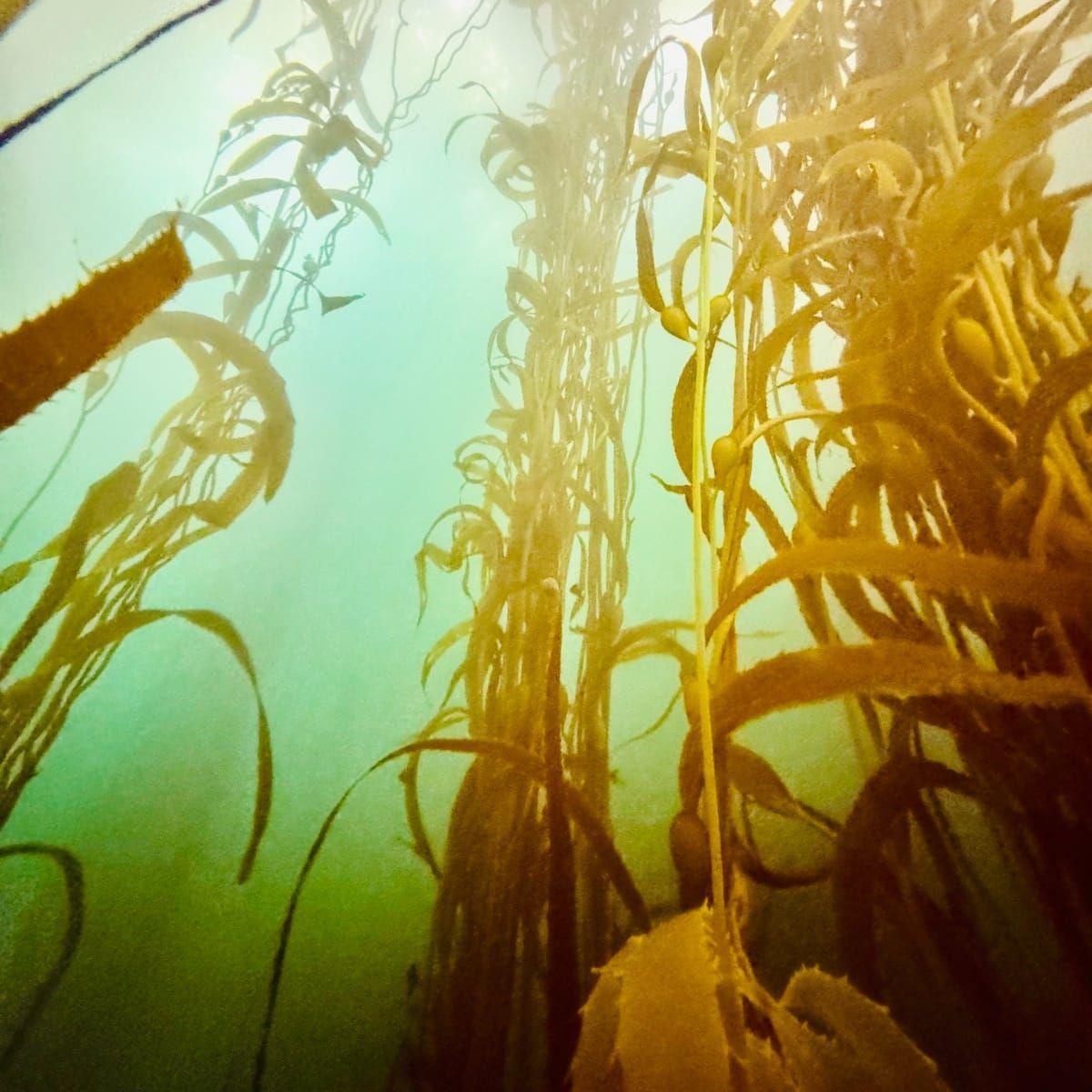

When we talk about forests, we usually have tropical rainforests or centuries-old trees on land in mind. However, some fascinating botanical ecosystems are found under the ocean’s surface, such as the giant kelp (Macrocystis pyrifera) forests. This impressive brown macroalgae can grow to over 30 meters in height, creating underwater sanctuaries for marine biodiversity.
However, these marine forests are facing a dramatic collapse under the pressure of climate change. A study published by Dr Scott Bennett and his colleagues in the journal Annals of Botany analysed three decades of scuba diving records (1991–2021) from the Tasman Peninsula in southeastern Tasmania. An analysis of nearly 50,000 dives revealed how marine heatwaves have progressively devastated the presence of this species.
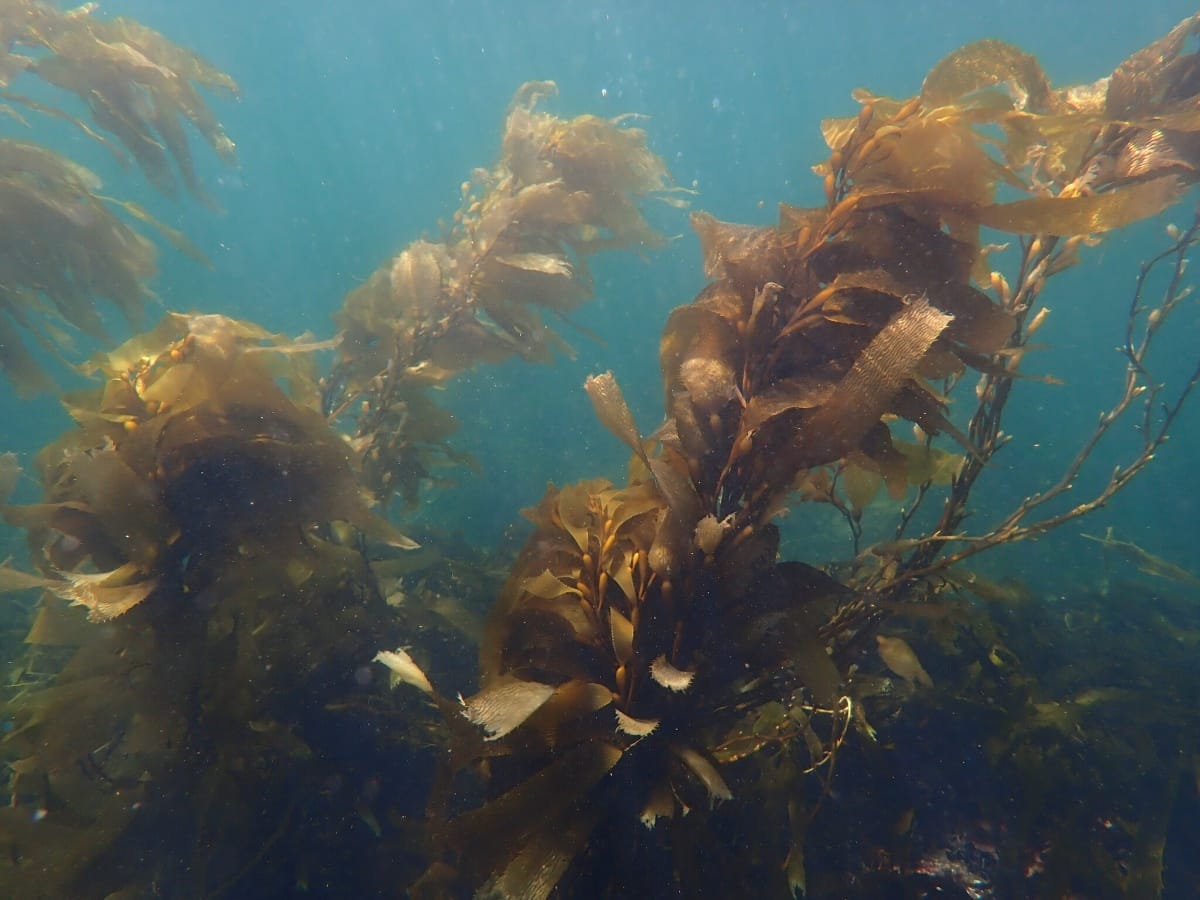
In the 1990s and 2000s, diving in kelp forests increased, reaching its peak in 2010. However, warming waters driven by the Eastern Australian Current and events such as El Niño triggered extreme heatwaves. In 2016, a Category 2 heatwave persisted for 73 days, reaching temperatures 2.8 °C above the climatological summer average.
As a result, a migration of kelp toward the South Pole was observed, in search of cooler waters. The kelp forests gradually disappeared from the northernmost locations and shifted southward, passing through Waterfall Bay and Fortescue Bay all the way to Munro Bight. For local diving operators, this shift meant travelling an additional 44 kilometres by boat to find the forests, increasing fuel costs and reducing the profit margin per trip by about 15%.
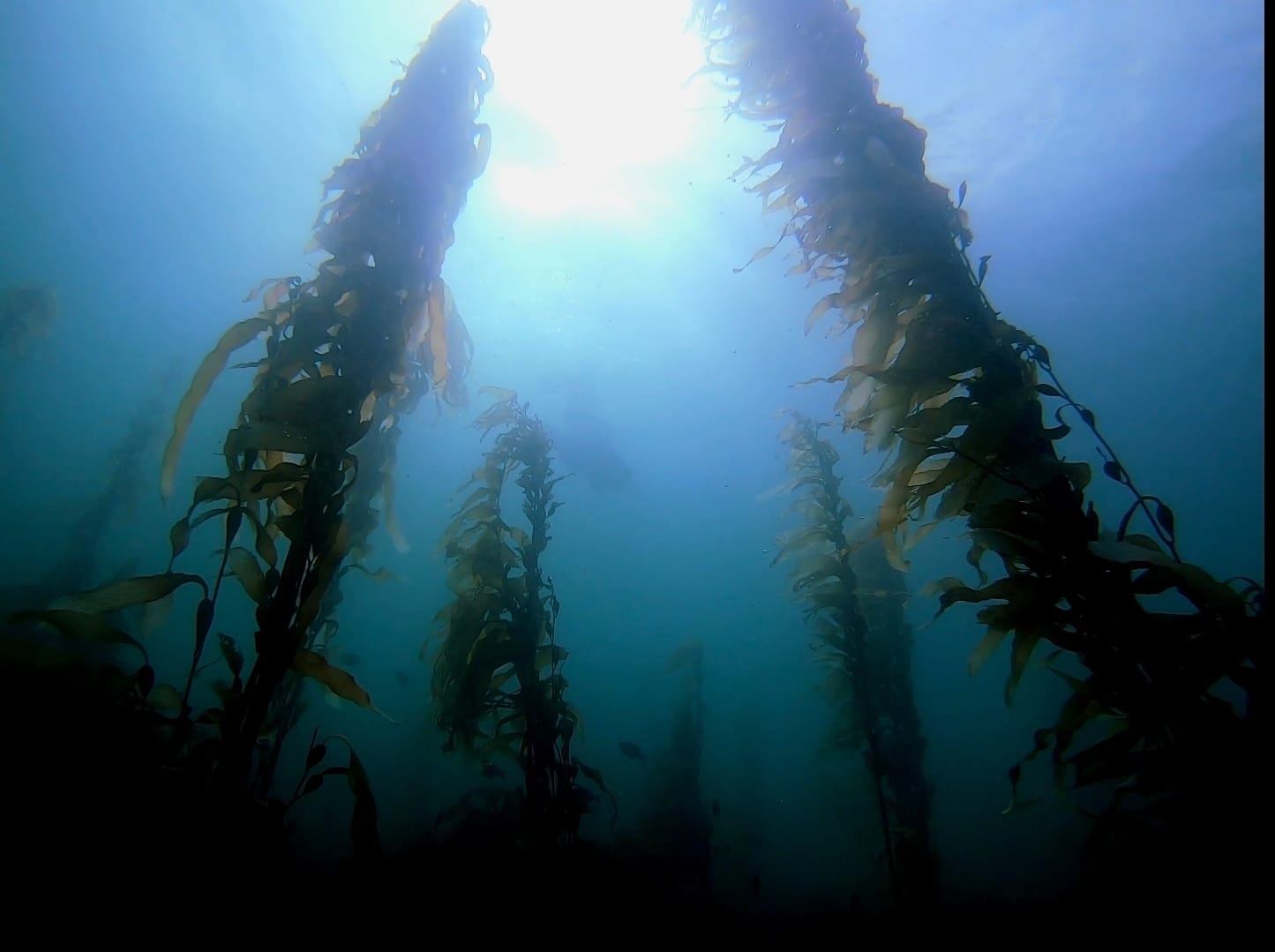
The economic impacts were severe and immediate. Following the 2010 heatwave, the gross margin from kelp dives fell by 255% the following year. In 2017, following the 2016 event, diving tourism focused on giant kelp collapsing entirely in the region, as the species disappeared completely from the area. This event reflects a devastating loss of about 95% of the giant kelp in Tasmania since the mid-20th century, making it the first marine ecological community classified as threatened in Australia.
The history of kelp in Tasmania alerts us to the fragility of macroalgal ecosystems. The destruction of these forests not only affects marine botany but also impacts the biodiversity associated with it and eliminates the cultural, recreational, and economic benefits that sustain coastal communities. Today, there are innovative ecological restoration initiatives, such as kelp replanting and grafting, which open up new prospects for conservation and sustainable ecotourism.
READ THE ARTICLE:
Bennett, S.; Currie, N.E.; Layton, C.; Rust, S.; Strain, E.; Baron, M.; Gowlett-Holmes, K.; Ling, S.; Butler, C. 2026 Impacts of climate-driven loss of giant kelp forests on local dive tourism, Annals of Botany, mcag284, https://doi.org/10.1093/aob/mcag284
Portuguese translation by Giovana O. Reis
Cover Picture by brock (iNaturalist, CC BY-NC 4.0).