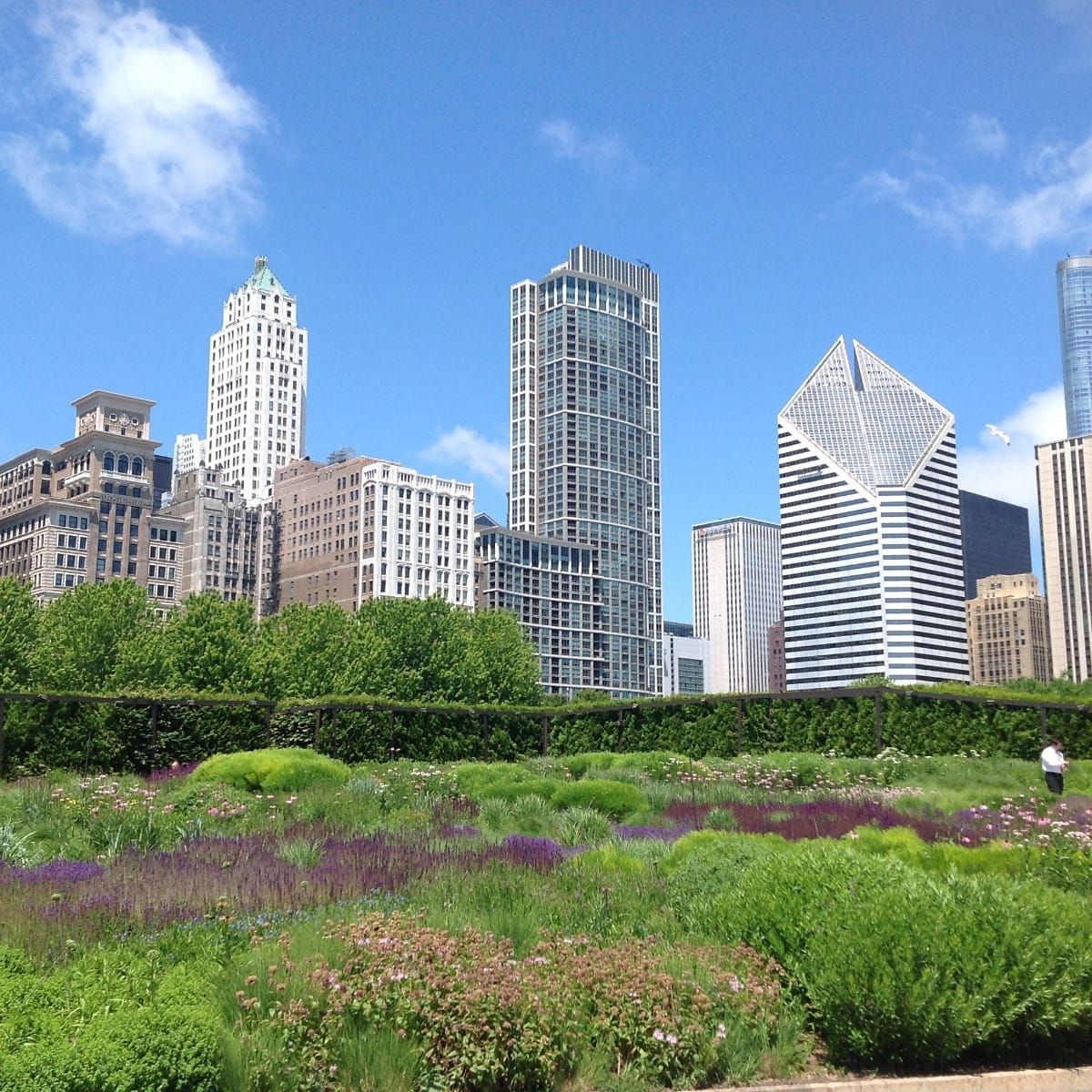

Cities are a new kind of environment. As they expand, buildings, roads, and other impermeable surfaces replace natural habitats, changing temperatures, water availability, and soils. These changes create conditions that many species have never experienced before.
At the same time, people have increasingly valued urban green spaces. Parks, gardens, and other planted areas can provide important habitat for wildlife and contribute to our well-being. But these spaces are rarely left to the mercy of nature. Most are managed by gardeners, who have to decide which plants should stay, which should go, and which may need a helping hand.
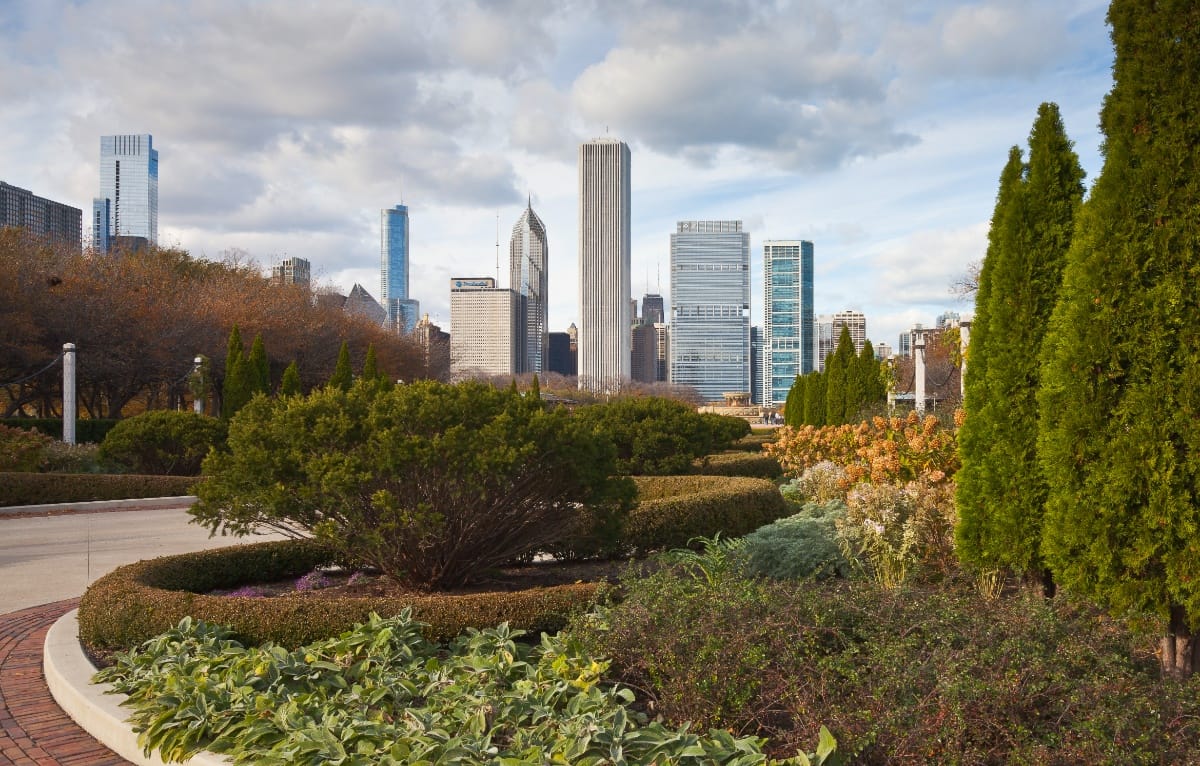
These decisions are not easy and are more than keeping a garden looking nice. They have ecological consequences, shaping which species can live in cities, how communities change, and how much biodiversity urban green spaces can support. Furthermore, they come with practical questions: how should we respond when the environment is changing? Should we try to prevent change? Should we accept it and let nature take its course? Or should we actively guide change according to a desired outcome?
These questions are the heart of the Resist, Accept, and Direct framework (RAD) and in a recent study, Professor Françoise Cardou from Université de Sherbrooke, Canada, explains more about this framework, showing us how these different choices can shape urban environments.
The first part of this framework is to “resist”. Resist means to maintain the historical composition of a space. This can involve removing non-native plants and helping native ones to regenerate. In Toronto and Chicago, for example, controlled fires are used to maintain prairie and savannah ecosystems with important ecological and cultural histories. Without those fires, these habitats would gradually change into forests. The intervention therefore protects biodiversity, but only because people keep intervening.
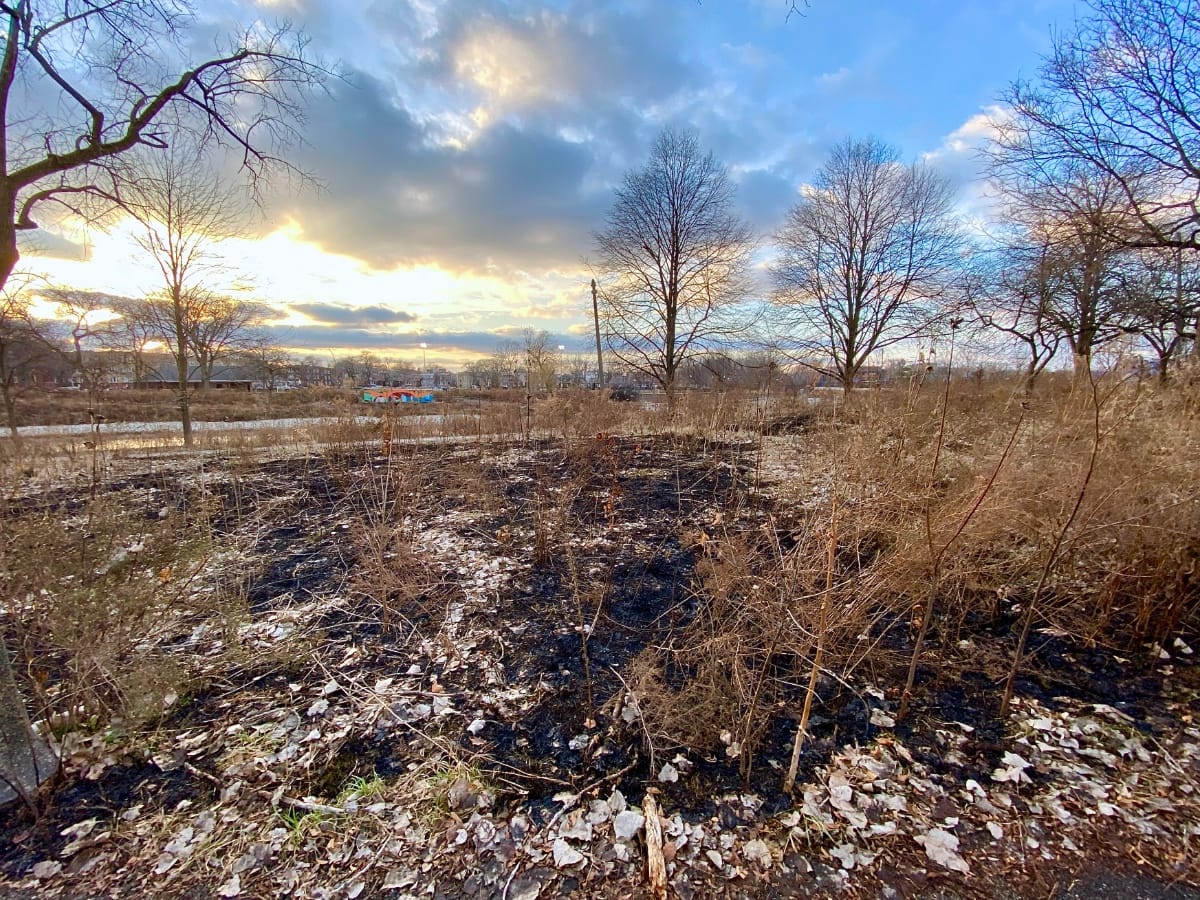
The problem with this strategy is that it involves time, money, and may conflict with people’s expectations of what an urban green space should look like. Additionally, as environmental conditions continue to change, maintaining the same community can become even more difficult. So, we have two more options: accept or direct.
Accept means recognising that some transformations may be unavoidable, or may even produce functioning communities under new environmental conditions. Some species may disappear, while others may arrive or become more common, creating a new community that is able to function under the new conditions. For example, instead of replacing plants that struggle with increasing drought, managers may allow more drought-tolerant species to naturally establish and become part of the community.
Direct, in contrast, means guiding biodiversity towards a desired future. This could mean planting species that are expected to cope well with drought, providing shade, producing fruit, stabilising soils, or simply making a place more attractive to people. In this case, managers are not simply allowing the community to change; they are driving how and for what this community changes.
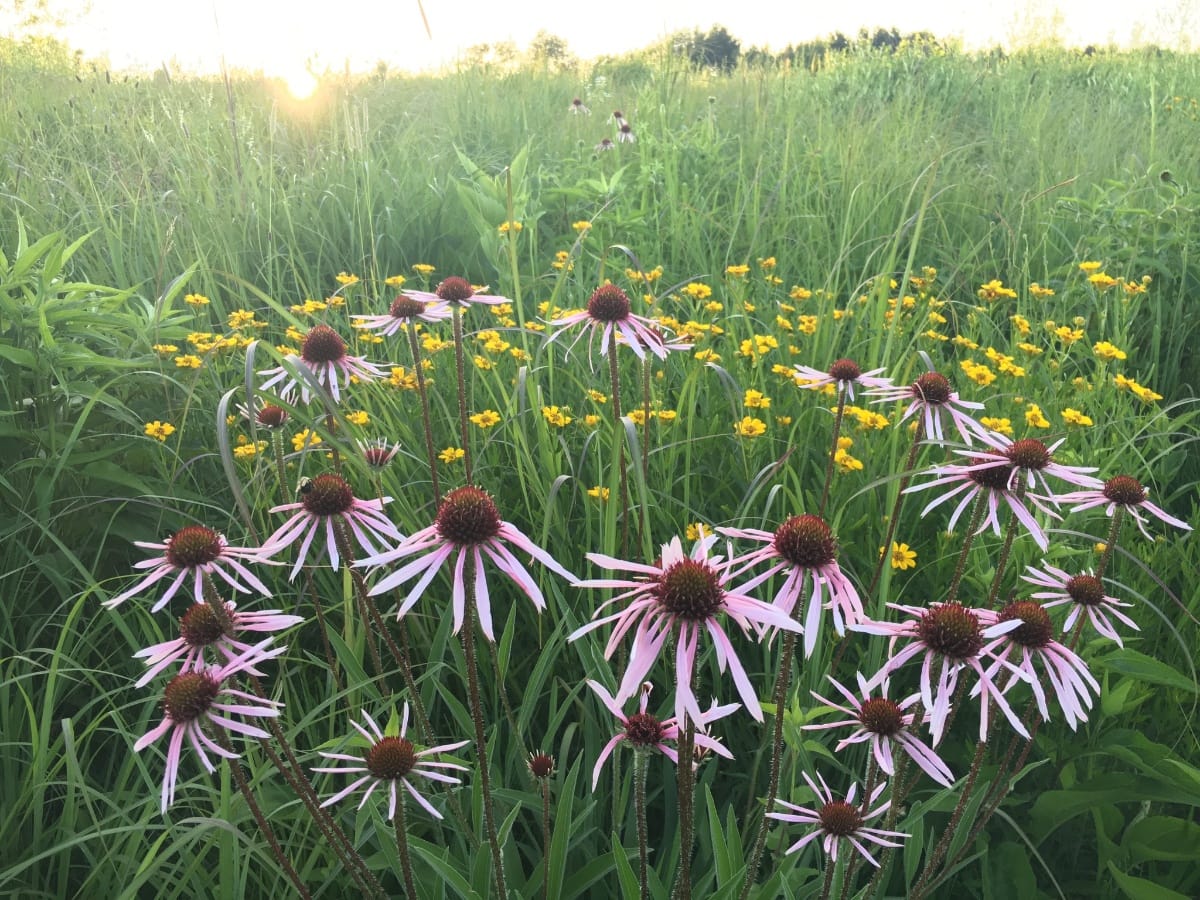
In the end, the important point here is that none of these strategies is the best or neutral. Each of them has important implications. Resisting change can protect historically important ecosystems, but it can be expensive and difficult. Accepting change may allow communities to adjust naturally, but could mean losing species or ecosystems that people value. Directing change could help cities prepare for future conditions, but requires us to predict which species will thrive and whether the benefits justify the effort.
So, rather than asking whether we can keep urban nature exactly as it was, we should ask what kind of urban nature do we want to create for the future, and how can ecological knowledge help us get there. The answer to this question will help us decide whether cities will be true refuges only for us, or for biodiversity as a whole.
READ THE ARTICLE:
Cardou, F. (2026). The gardener's dilemma: Biodiversity change in cities and what we can do about it. American Journal of Botany, 113(8), e70250. https://doi.org/10.1002/ajb2.70250
Portuguese translation by Victor H. D. Silva
Cover picture by Theresamcgee (Pixabay).



.jpg?ref=botany.one#/media/File:Prescribed_Prairie_Burn,_River_Park,_Chicago,_IL_(51762583464).jpg)