
Dearest TWiB Readers,
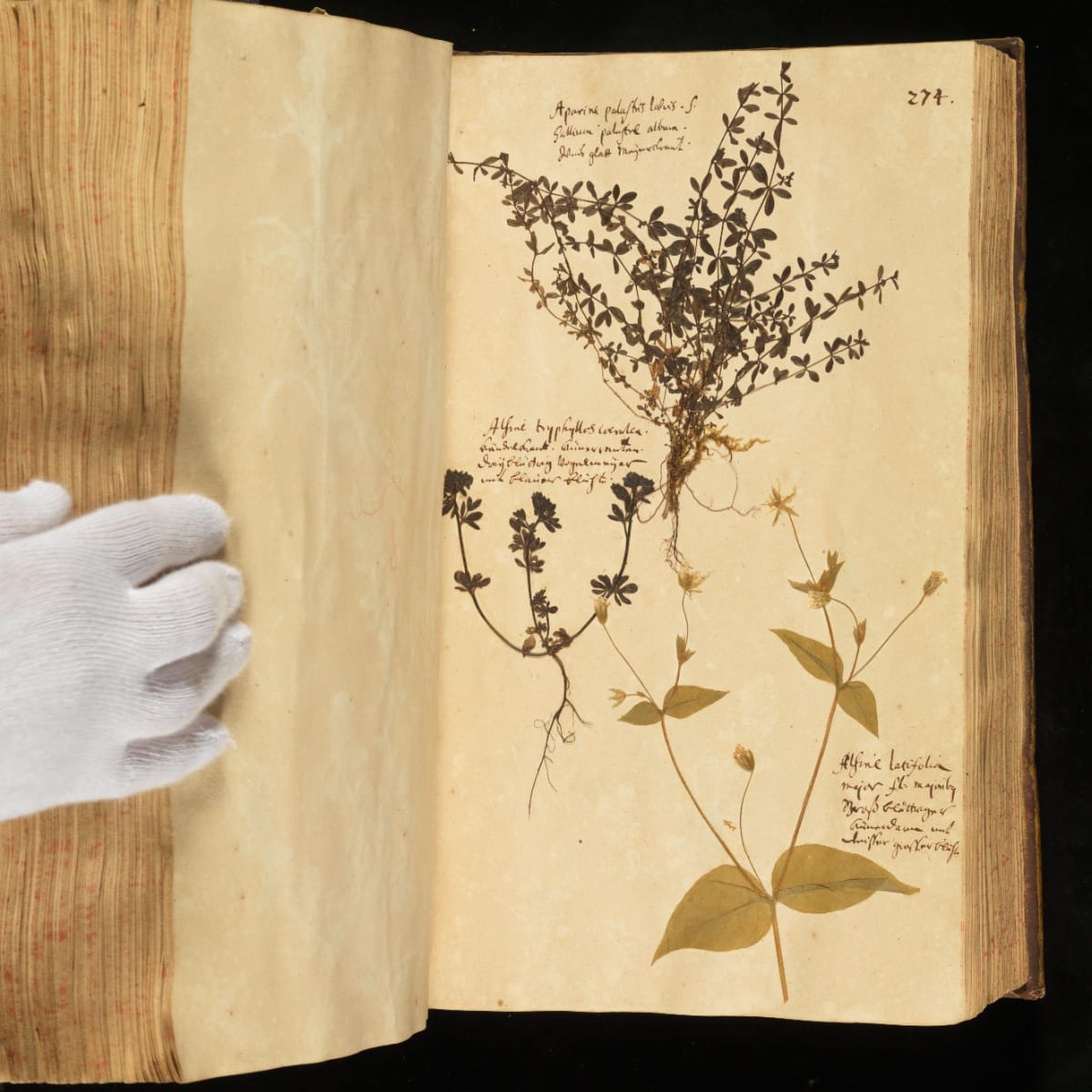
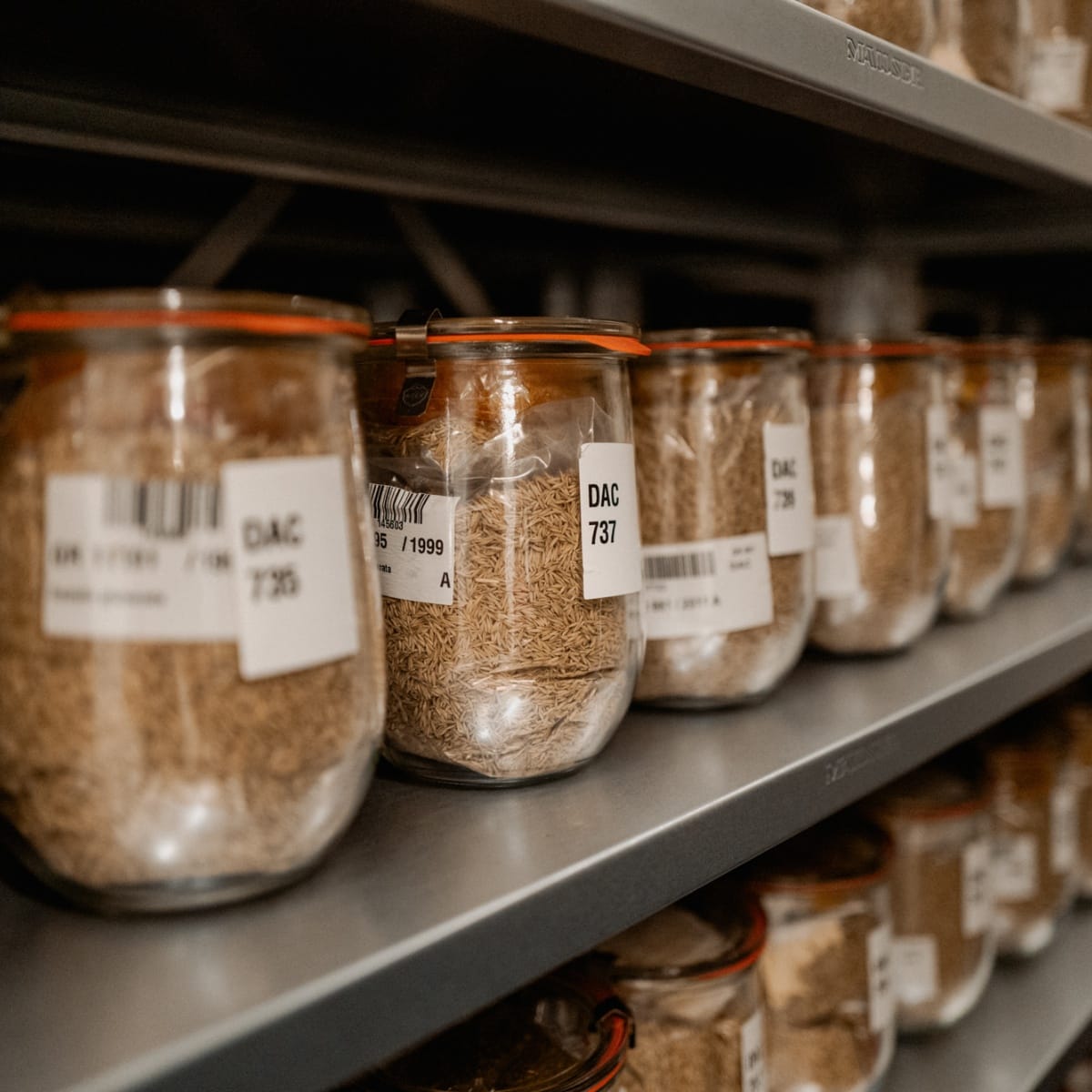
This week brings us an exciting first – a Botany One Focus Issue. The topic is Digital Botany and throughout June we are publishing three articles a week about how researchers are using digitisation to tap into the vast and rich specimen collections held around the world.
What hidden stories do these collections tell? What scientific advances can be made? Juniper Kiss, our guest editor, and her group of authors explore these questions in four main themes: Week 1, How Plants Become Data; Week 2, The Craft of Digitisation; Week 3, Hidden Stories in Collections; Week 4, From Digital Collections to Decisions.
So let us open the cabinets and bring these historical collections into a modern light and see what we can learn.
As Juniper writes: "Digital botany is not about replacing the wonder of plants and fungi with data. At its best, it helps us share that wonder more widely, connect knowledge more fairly, and make better decisions for this beautiful planet of ours."
Below, we also share the latest botanical news from Mastodon and Bluesky as well as career postings.
Until next time,
Sarah and Carlos (webmaster@botany.one)
On Botany One
Digital Botany Focus Issue:
 Juniper Kiss
 Ana Valladares
 Guest Author
 Ben Carson
Featured articles:
- The Fragrant Library: Can a Perfume Bottle Save a Rainforest?
- Lichens and Bryophytes Reveal the Effects of Urban Heat
Plant of the Week:
Carlos A. Ordóñez-Parra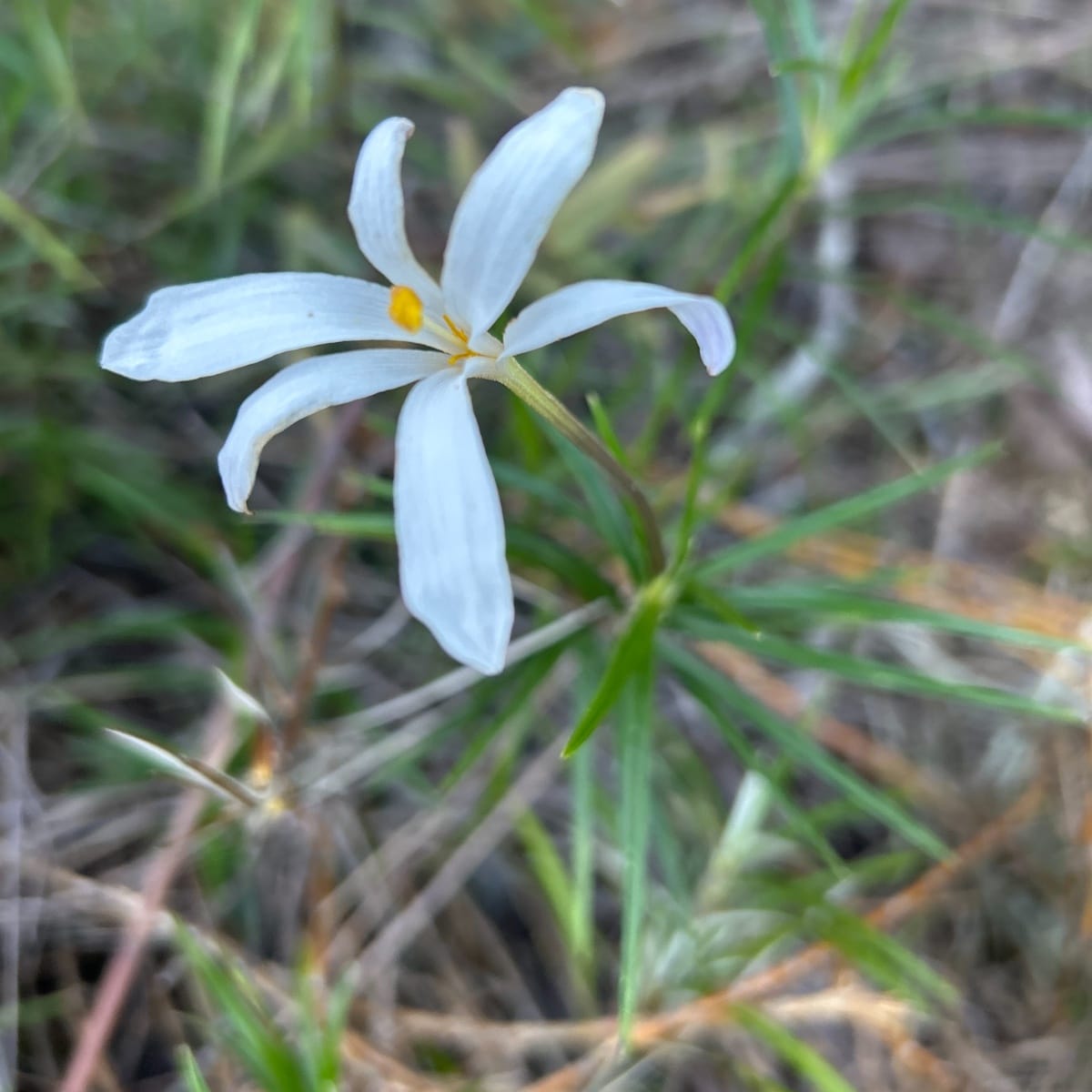
There was also last week's Week in Botany, with Martian sweet potatoes, floral snouts, and a researcher working on nature-based solutions for controlling nematodes.
In AoBC Publications
- An introduction to the fundamentals of root systems research in cultivated plants 🆓
- Does fire-induced bud mortality reduce phenotypic variability? 🆓
- Contrasting responses of pollen and fruit to whole-tree heating in two tropical savannah species 🆓
News & Views
 The Guardian
 BBC News
Science Shared
Three botany papers widely shared on Bluesky this past week were:
- The controls that got out of control 🆓
Schneider, A. · EMBO Reports - Melatonin seed priming: A climate‐smart, green strategy to enhance abiotic stress tolerance in plants 🆓
Raza, A. et al. · Journal of Integrative Plant Biology - Anticipate, acclimate, recuperate and remember: How spatiotemporal signal integration controls flooding stress resilience in plants 💰
Rodriguez-Cisneros, C. et al. · Journal of Experimental Botany
You can see the top 20 with more details at Science Shared: June 6.
Careers on Bluesky
Please note these are not jobs I am offering. Nor can I help you with any visa requirements. At time of writing there are around 100 other jobs posted at Botany One.
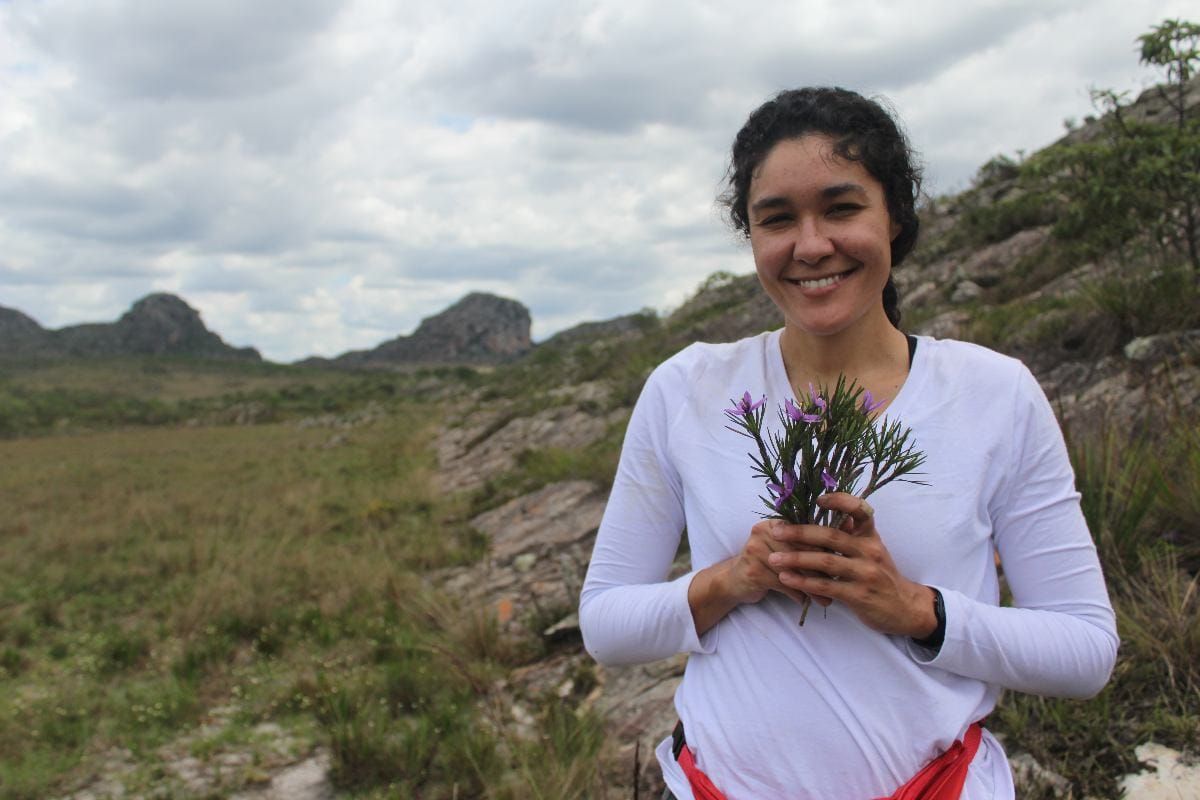
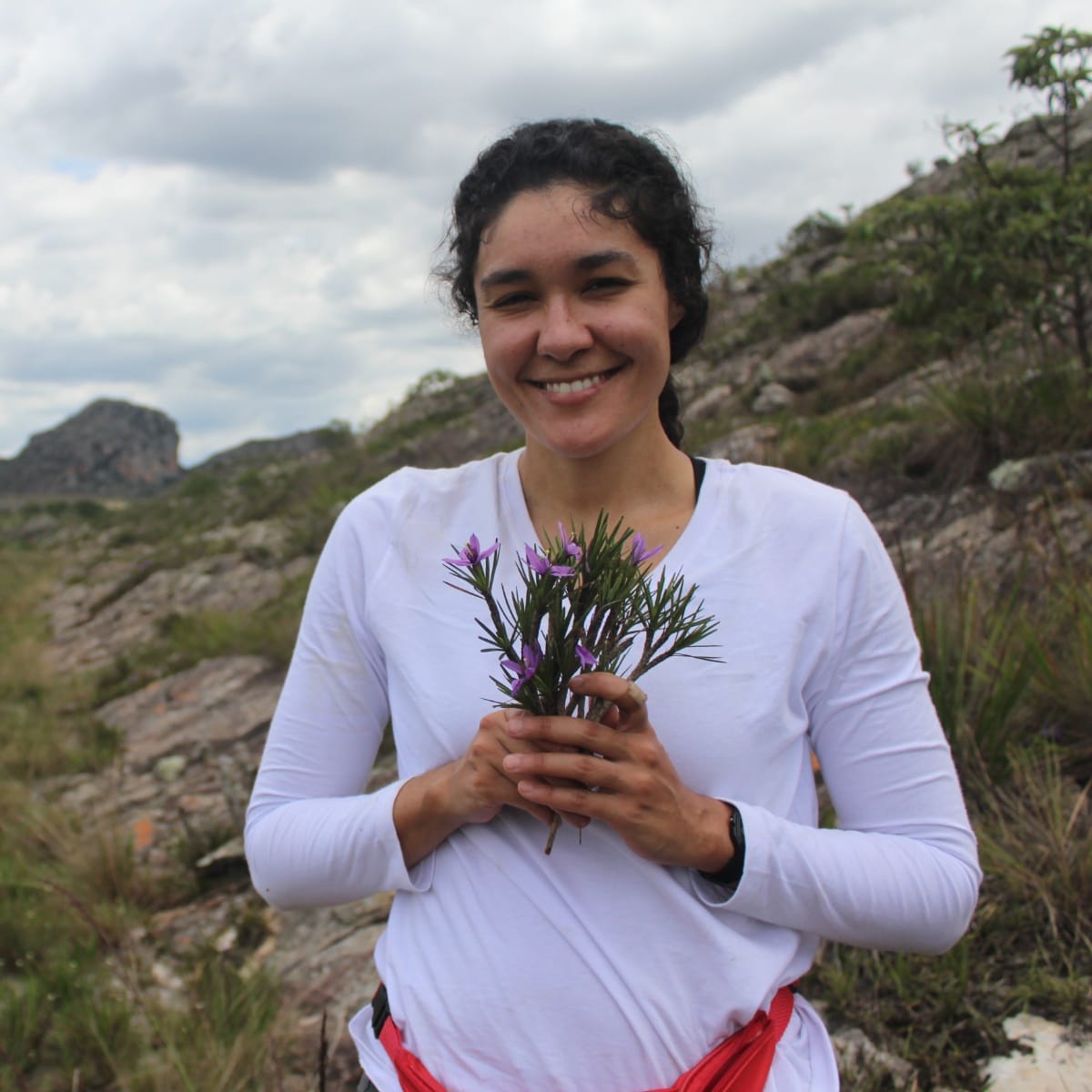
Cover image: Dr. Jenifer C. Lopes holding a Vellozia specimen at Minas Gerais, Brazil. Photo by Jenifer C. Lopes.