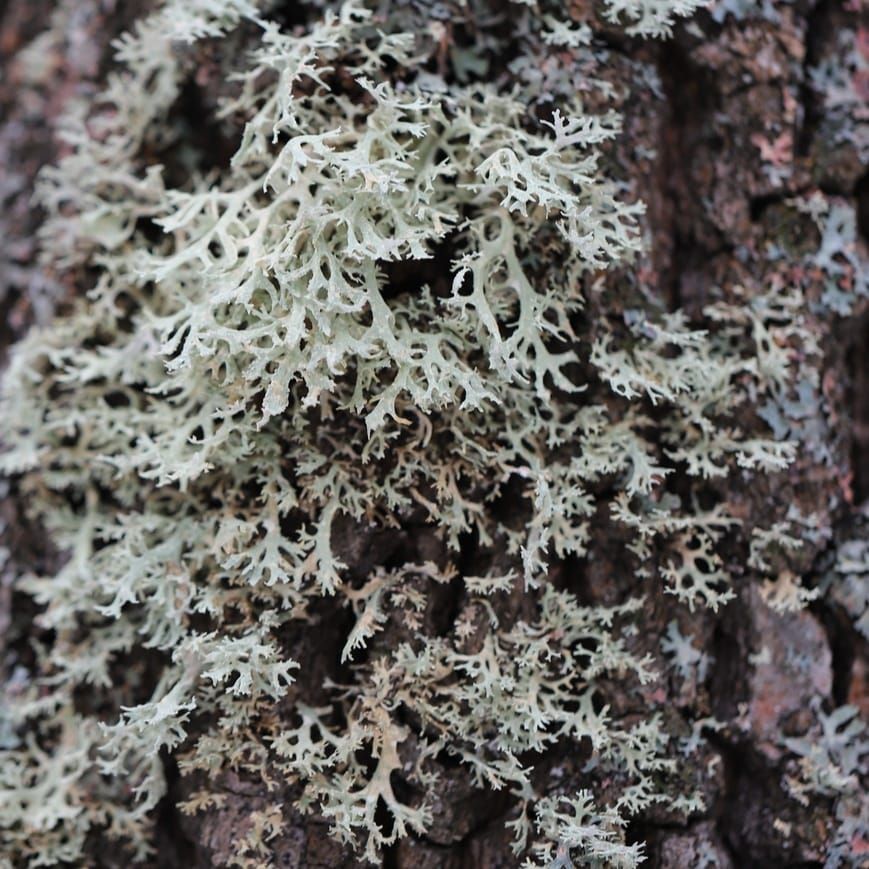

Urban warming is increasingly altering environmental conditions in cities. One major driver is the urban heat island effect, where buildings, roads and other artificial surfaces absorb and retain heat, making cities warmer than their surrounding rural areas. While the effects of this warming on trees, birds and people are widely discussed, smaller and often overlooked organisms are also responding strongly. A new study by Tim Claerhout and colleagues shows that epiphytic lichens and bryophytes, organisms highly sensitive to temperature, moisture and light, can reveal how the urban heat island quietly reshapes urban biodiversity.
The study examined lichen and bryophyte communities growing on linden trees (Tilia) in three Dutch cities. Rather than focusing only on broad contrasts between urban and rural areas, the researchers combined biodiversity data with microclimatic measurements taken directly from tree trunks. This approach made it possible to observe environmental conditions as they are actually experienced by the organisms themselves.
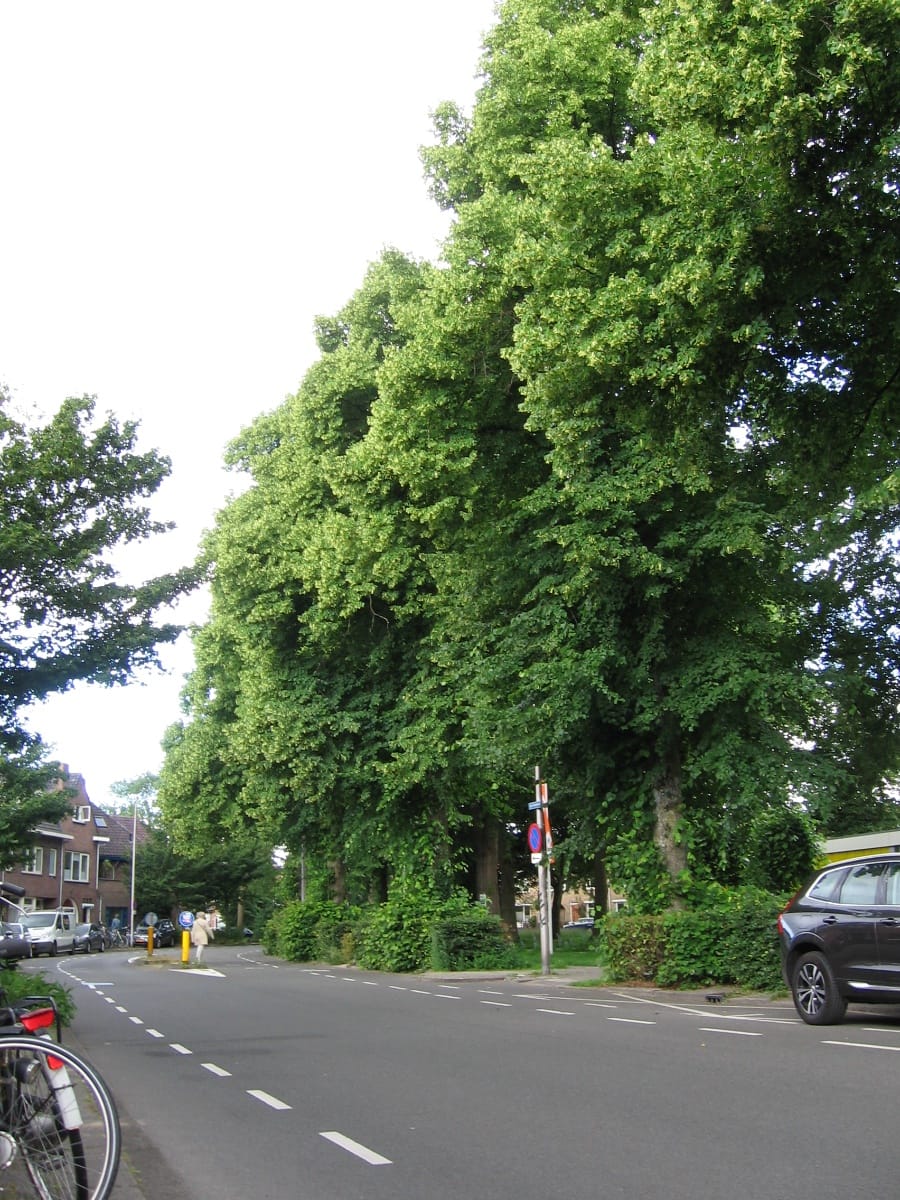
In total, 107 species were recorded across 303 sampled trees, including lichens and bryophytes with different ecological preferences. The results showed that biodiversity does not respond to urban warming in a simple linear way. Lichens were most diverse at intermediate levels of urban heat island intensity, whereas both very cool and very hot areas supported fewer species. Bryophytes, however, followed a different pattern: their diversity increased gradually along the thermal gradient, suggesting distinct ecological responses between the two groups that are often studied together.
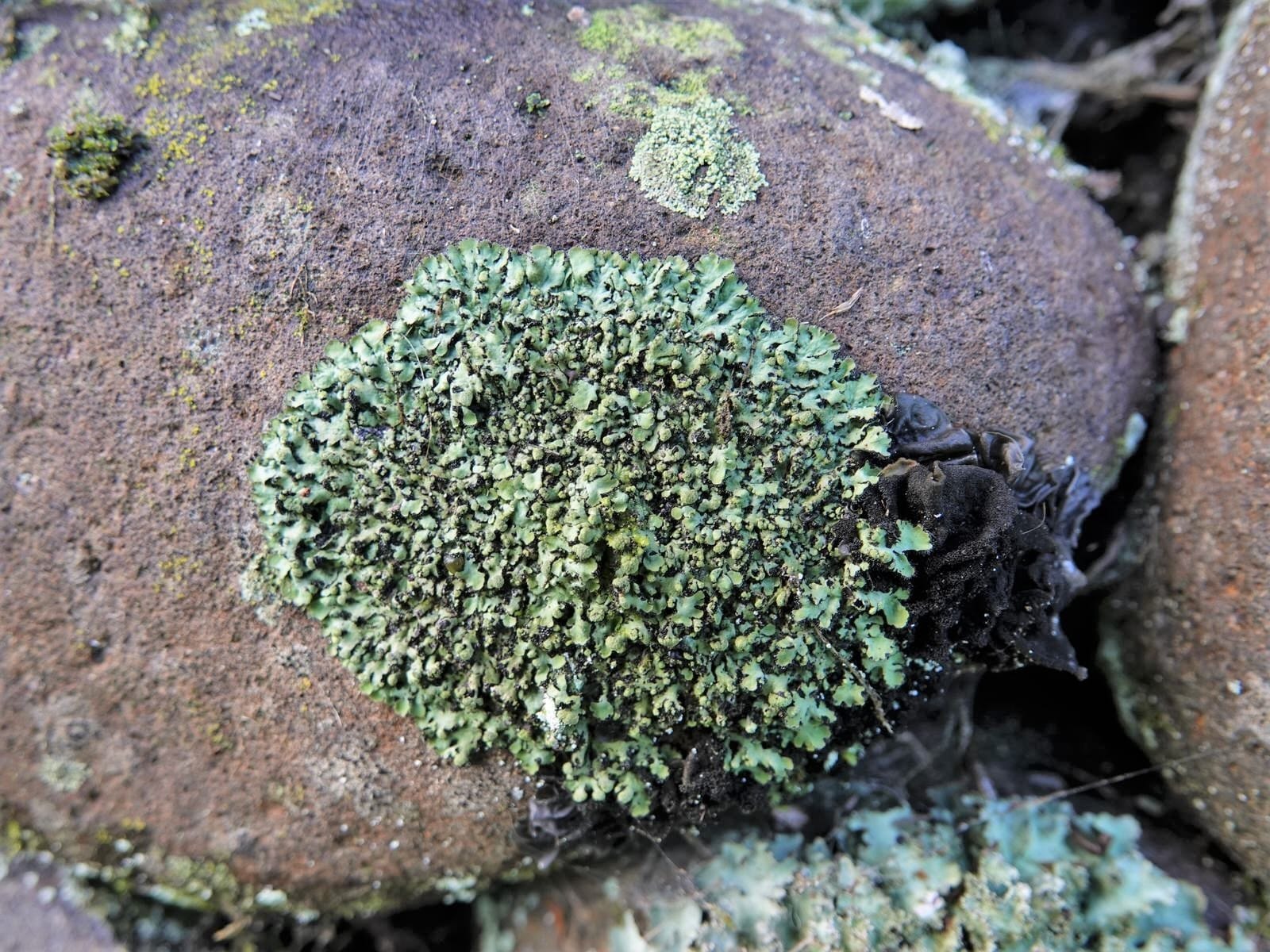
Beyond changing species numbers, urban warming also reshaped community composition. Urban areas were mainly dominated by xerophytic, photophilic and nitrophytic species; in other words, organisms adapted to drier, brighter and nitrogen-rich environments, all typical features of modern cities. At the same time, species associated with moister and shadier conditions became less frequent as the intensity of the urban heat island increased.
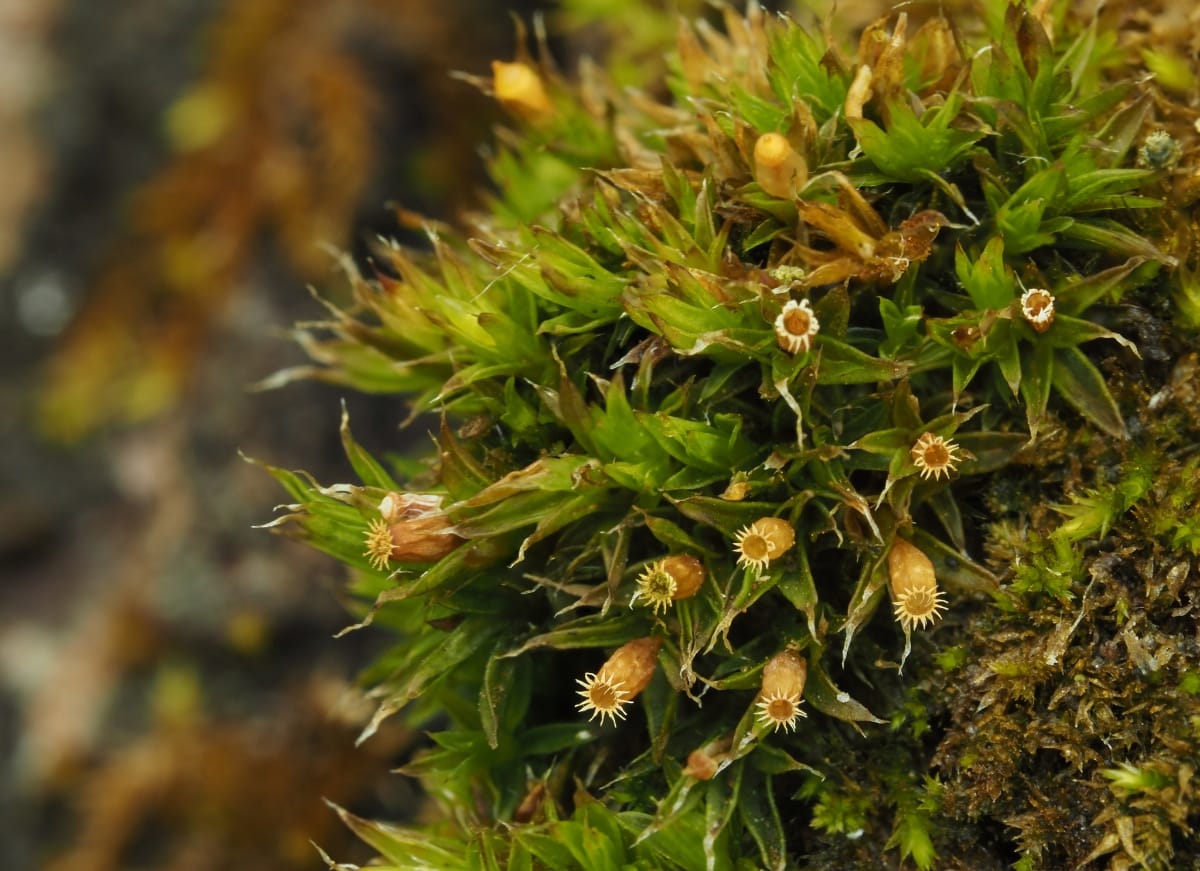
The researchers also identified 23 potential bioindicators of the urban heat island, including individual species and species associations that reflect different levels of warming in cities. The warmest areas were mainly characterised by acrocarpous mosses adapted to desiccation and high light exposure, such as Orthotrichum diaphanum, while species linked to moister habitats became less common. These patterns underline the potential of epiphytic communities as tools for urban biomonitoring, capable of detecting microclimatic changes in a sensitive and integrated way without relying solely on meteorological sensors.
One of the most interesting aspects of the study was its demonstration that the microclimate perceived by organisms can differ from the broader climatic measurements usually used in urban studies. Sensors placed directly on tree trunks showed that, during summer, mean and minimum temperatures, as well as air dryness, increased in areas with stronger heat island effects, while relative humidity decreased. In winter, the differences were subtler, suggesting that urbanisation effects vary seasonally and interact with factors such as solar radiation, vegetation cover and shading.
The authors also observed that larger trees supported more diverse communities, suggesting that structural features of urban vegetation may partially buffer the effects of warming. At the same time, intermediate areas along the urban gradient tended to host more balanced communities, possibly because these sites were environmentally more heterogeneous.
Overall, the study shows that the urban heat island does more than raise city temperatures: it also changes which species can persist there. As urban warming continues to intensify, lichens and bryophytes may become valuable allies for understanding how cities are changing and for tracking which species can keep pace with these silent transformations.
READ THE ARTICLE
Claerhout, T., Sparrius, L., Keßler, P., and Stech, M. (2026) Urban heat Islands shape epiphytic communities of lichens and bryophytes. Urban Ecosystems, 29(2). Available at: https://doi.org/10.1007/s11252-026-01930-8.
Portuguese translation by Pablo O. Santos.
Cover Picture: Evernia prunastri is a lichen from less urbanised environments. Photo by Ryzhkov Oleg (iNaturalist, CC BY-NC 4.0).


_-_Ingenhouszstraat,_Majoor_Bosshardtplantsoen,_Utrecht_-_13_juni_2022.jpg?ref=botany.one#/media/File:Zwarte_linde_(Tilia_x_europaea_'Pallida')_-_Ingenhouszstraat,_Majoor_Bosshardtplantsoen,_Utrecht_-_13_juni_2022.jpg)