
A few weeks ago, one of the most talked-about stories about Lionel Messi had nothing to do with a goal, his farewell from the pitch, or football in general. It was about a plant – a new species of Salvia, whose sky-blue and white flowers bring to mind the colors of Argentina’s national team jersey. The news spread far beyond botanical circles, which is rare for a plant.
But what is the story behind this species? And how did it go viral, being, as far as we know, the only plant named after an athlete?
To find out, Botany One spoke with Rolando Uría, who has been studying the genus Salvia in the South American Andes since 2015. He dedicates himself to the exploration, identification, domestication and conservation of wild species of this genus as well as to breeding and developing new ornamental hybrids. In the last 11 years, along with his Argentine collaborator, Salvia nursery worker Francisco Javier Lozano, Uría has described seven new Salvia species in Latin America and the Caribbean.
Here, he tells us the story behind the identification of Salvia messii.
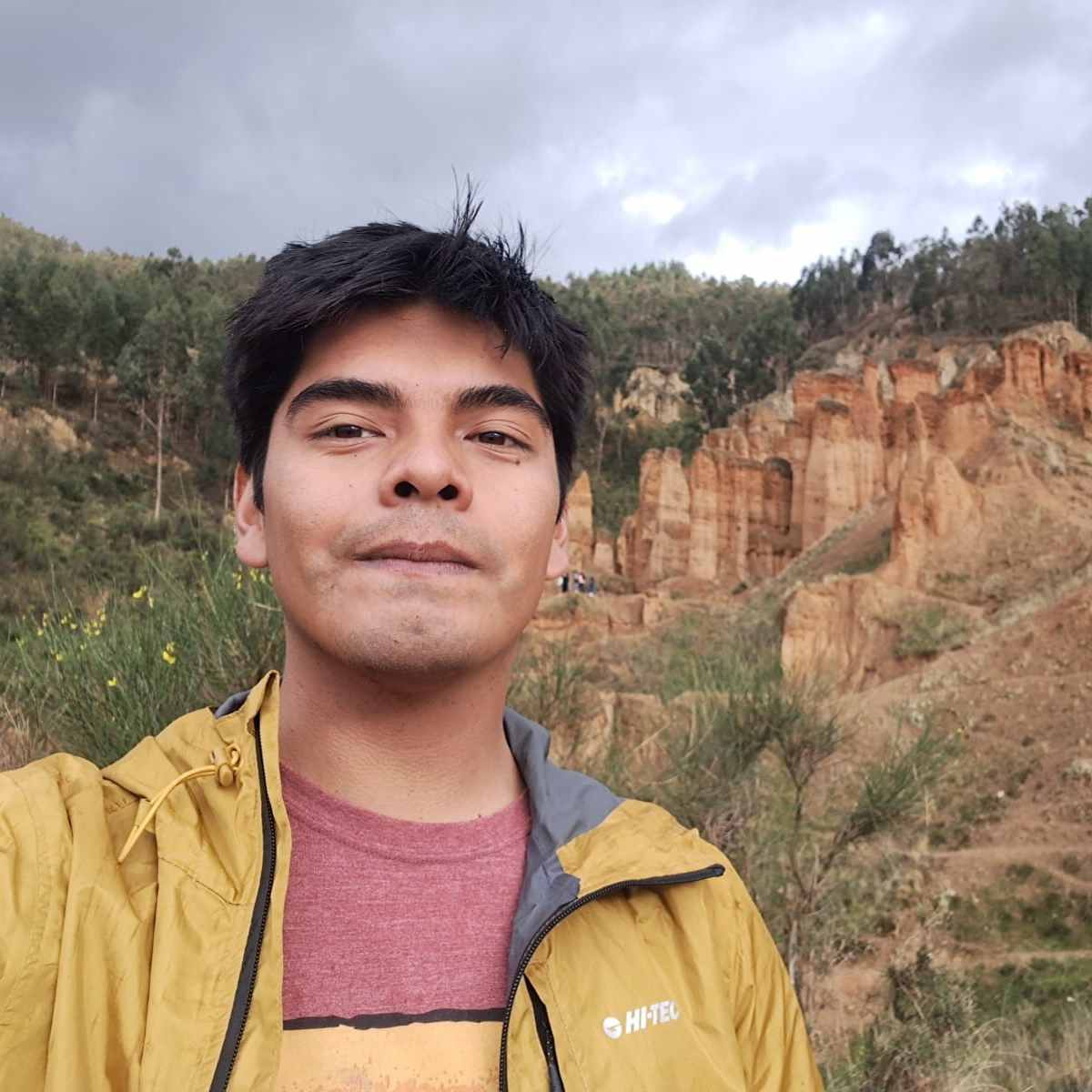
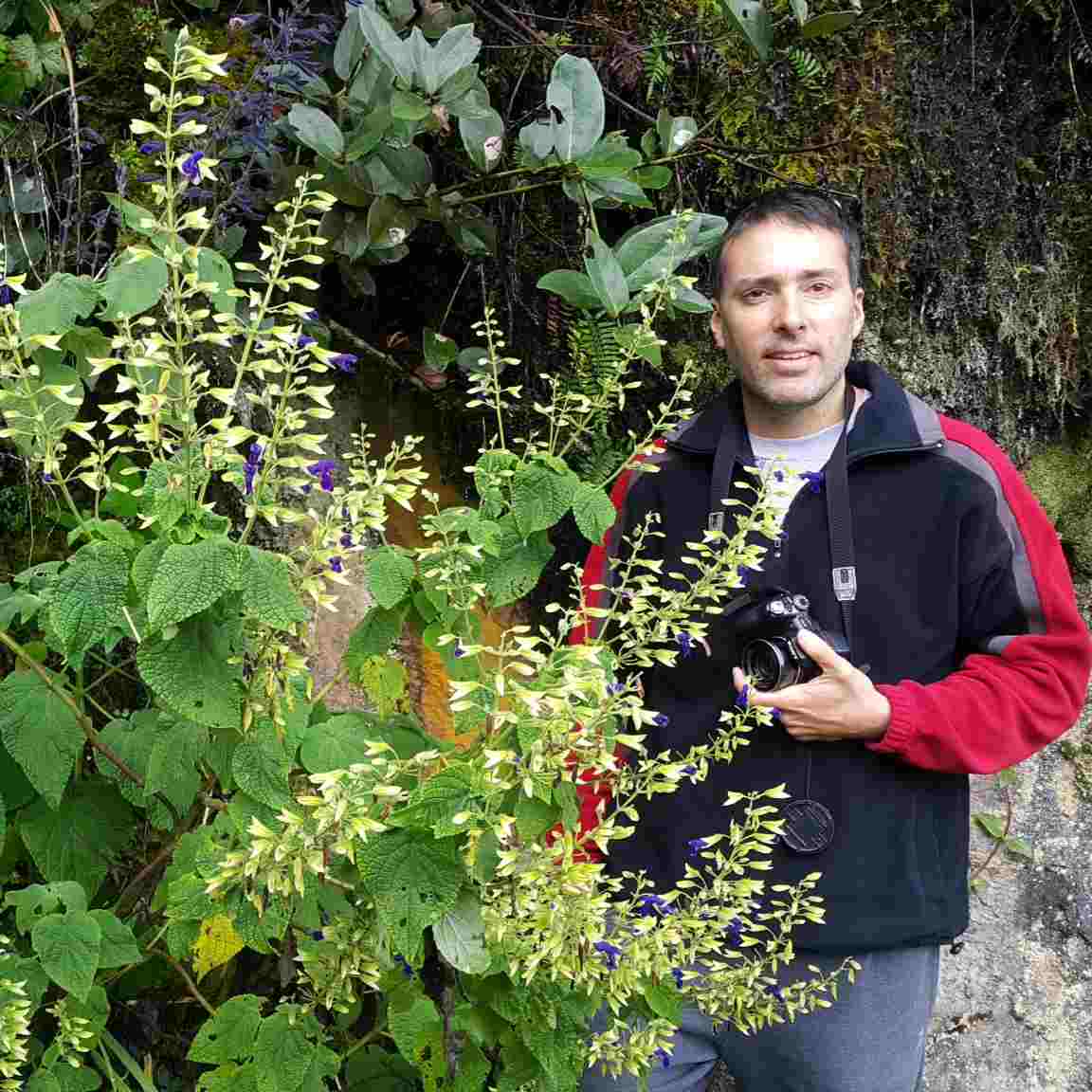

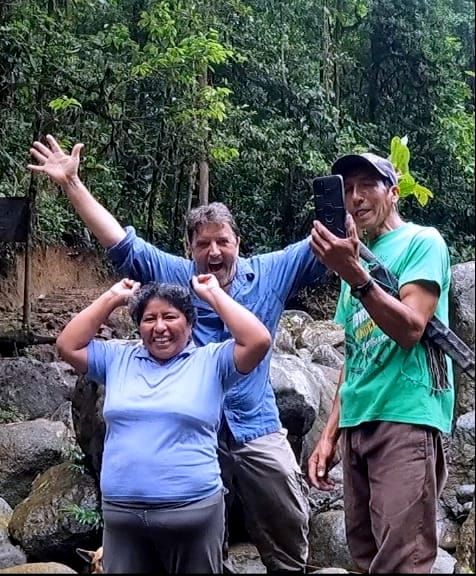
The international team that came together to identify Salvia messii, from left to right: Jean Capcha-Ramos, Peruvian biologist and representative of the Huarango Nature association; Rolando Uría, Argentine researcher and our interviewee; Paúl Gonzáles Arce, researcher at the Department of Dicotyledons, Universidad Nacional Mayor de San Marcos (UNMSM), Peru. Photo credit: Rolando Uría.
How did the collaboration with the Peruvian researchers begin?
This particular collaboration began on iNaturalist, the citizen science platform where researchers and naturalists from around the world share observations. There, Uría regularly helps identify Salvia species, his specialty within the mint family (Lamiaceae). A photograph first uploaded by Jean Capcha-Ramos, whom Uría had never worked with, and later shared by Paúl Gonzáles Arce, with whom he had only interacted a few times, caught his eye.
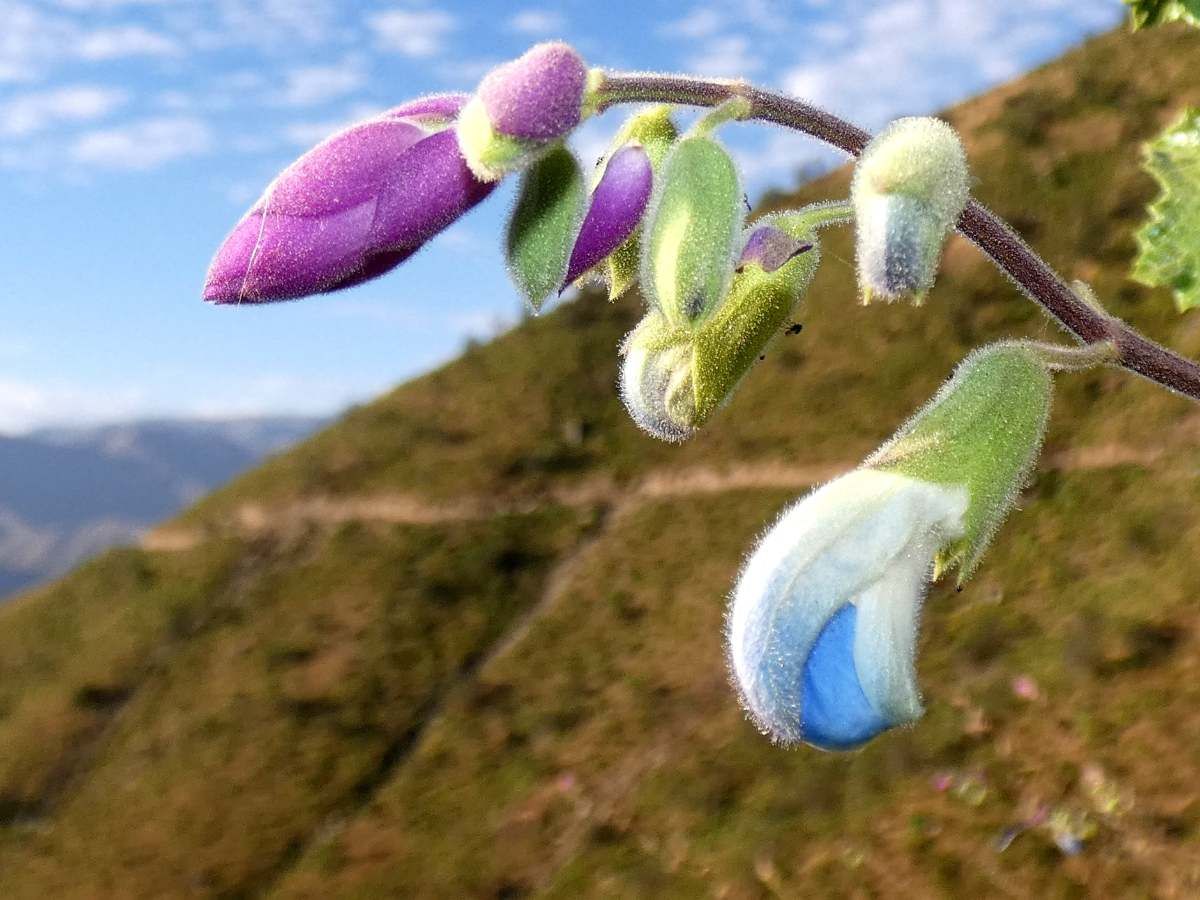
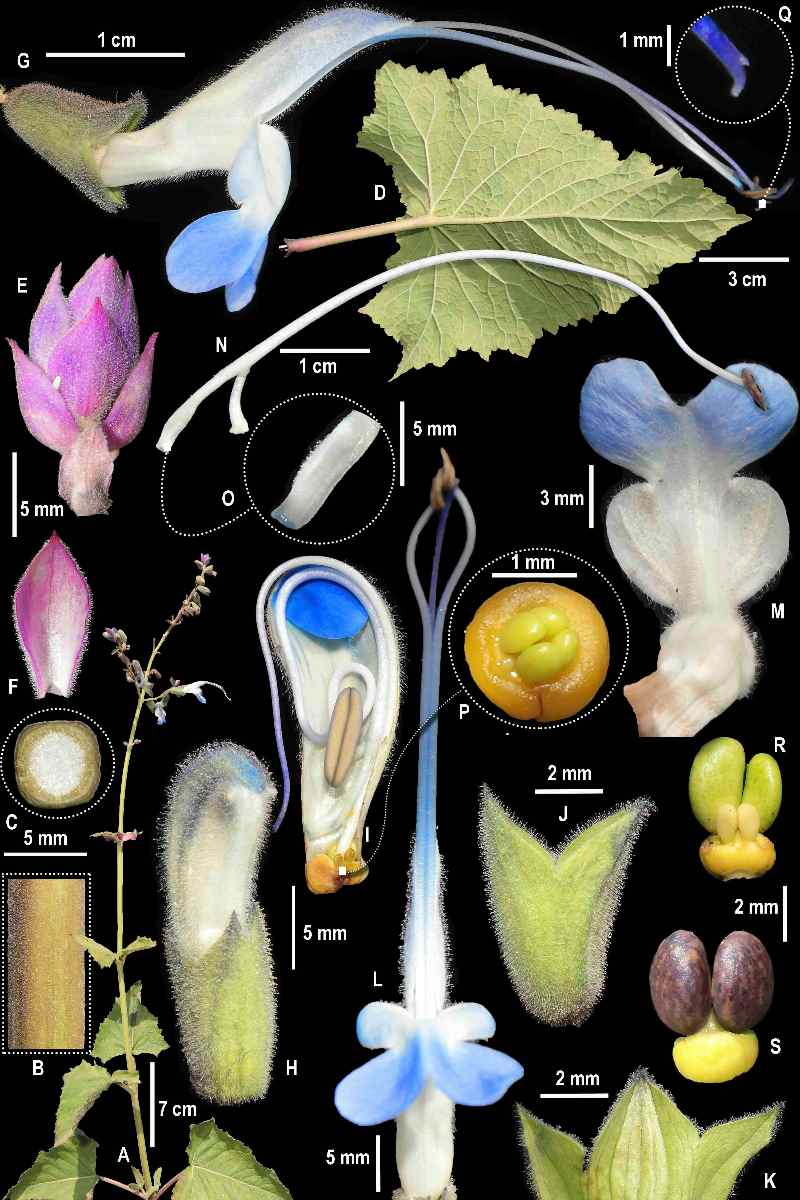
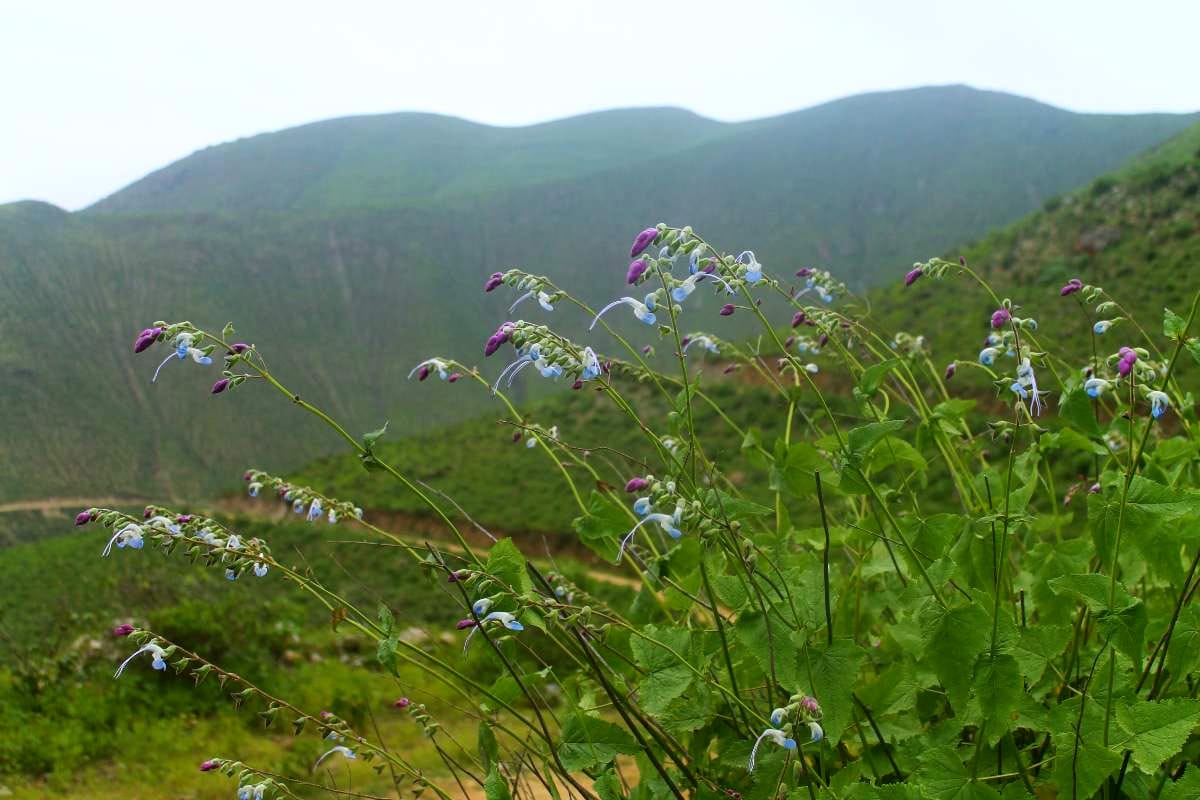
“As soon as I saw the photograph of this Salvia, I suspected it might be a different species, probably related to Salvia macrophylla, a fairly common species in Peru and Ecuador. It shared some similarities with it, but it also had very distinctive features: its pink bracts, the noticeably protruding stamens, the two-colored corolla and the shape of its leaves. My hypothesis was that we were looking at a species new to science,” says Uría.
Then, how was the new species identified?
First, he contacted Gonzáles, a Peruvian botanist with extensive fieldwork experience who has taken part in describing numerous new species. There was already a clue in the archives at the herbarium of the Universidad Nacional Mayor de San Marcos: a specimen of this plant had been collected in 1987 by Peruvian botanist Asunción Cano, but it had remained unidentified for decades. Gonzáles returned to the site of the photograph and collected fresh material for the herbarium.
“From there, a joint effort began, although much of the later research was led by Paúl [Gonzáles Arce], especially the study of the specimens kept at the herbarium of the Universidad Nacional Mayor de San Marcos. Since Salvia is not his specific area of expertise, I guided him on possible taxonomic affinities and the sections where it might belong. We worked together analyzing its differences from the closest species, until we could finally confirm it was a new species.”
The research began in 2024, and the scientific article was published in October 2026. The two scientists had only worked remotely until this year, when Uría traveled to Peru for fieldwork and they finally met in Lima.
“It was a very emotional meeting after working together remotely for so long,” Uría recalls.
Who named the species, and did they know from the start it would honor Messi?
It wasn’t Uría, despite what many people assume because he is from Argentina.
“Before I could even suggest a name, Paúl already had the idea very clear: Salvia messii, in honor of Lionel Messi,” he explains. Gonzáles is a big football fan and an admirer of Messi, so the idea was entirely his.
Uría remembers joking with him: “I hope you don’t get in trouble with Peruvian footballers, because you, a Peruvian, are naming a Peruvian species after an Argentine player!”
Beyond the personal tribute, the team saw a chance to bring botany closer to the general public and to draw attention to a little-known species with conservation problems.
So far, nobody knows whether Messi has heard the news. Uría shared it on the page of Messi’s foundation, which is run by the player’s brother, but received no reply. “Still, I’m almost sure he must have heard about this tribute. I hope so,” says Uría.
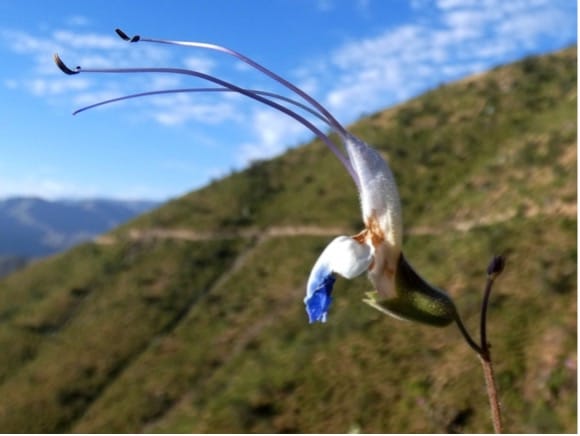

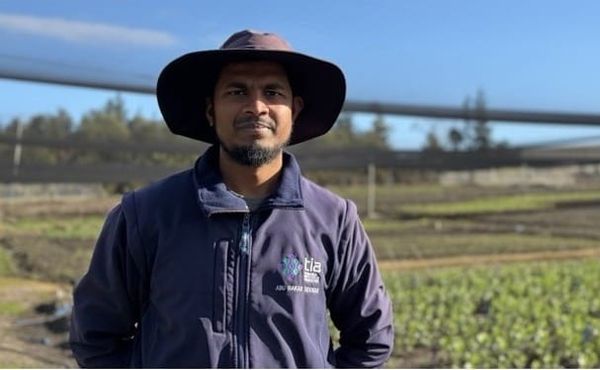
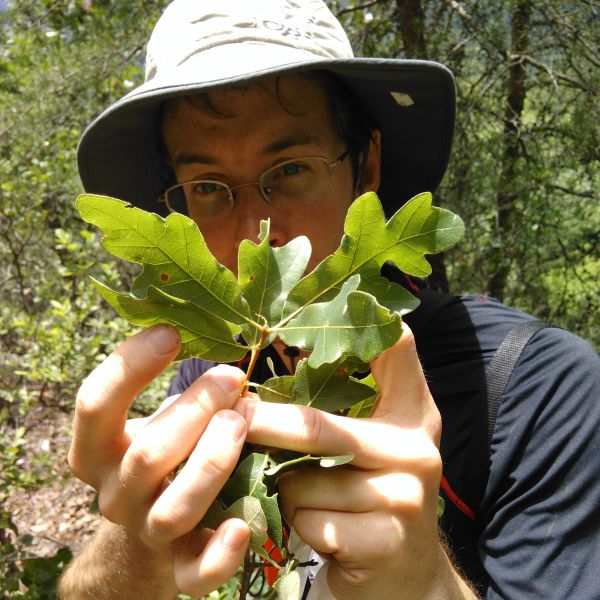
Salvia messii was named to pay tribute to Lionel Messi because its sky-blue and white floral coloring echoes the Argentine national football jersey. Photo credit: Right, Jean Capcha Ramos via iNaturalist CC BY 4.0 and Left, Bryan Berlin, WikiPortraits, CC BY-SA 4.0.
Can a famous name fight “plant blindness”?
Uría thinks so.
“The names of such important figures can draw the general public toward topics that, at first, are not related to their usual interests. In this case, a plant,” the researcher points out.
He notes that Messi already has several organisms named after him, but never before had one reached this level of attention. Several factors came together: the flower shows the colors of Argentina’s national team, which was one of the finalists of the 2026 World Cup, and the species was announced during Messi’s last international match that marked Messi’s farewell from international football.
Still, the public reaction caught the team completely by surprise. “We never imagined the news would spread this far,” says Uría. They had to organize themselves and split up the interviews to keep up with the media.
“What truly matters is that we achieved our goal: to use that attention to highlight the fragility of ecosystems and the need to conserve our planet’s plant resources, which are in an extremely vulnerable situation.”
Why is this species so vulnerable?
Beyond the fame, Salvia messii has a precarious existence. It lives in a very narrow ecological band, a transition zone associated with communities of herbs and shrubs, at roughly 2,000 to 2,400 meters above sea level on the slopes of the Western Cordillera of the Andes. It is known from very few localities, and its populations are small and highly localized. Its Andean habitat faces many human pressures, including mining, agricultural expansion, overgrazing and deforestation.
“One of the most important messages we want to convey through this work is the need to raise awareness about the importance of conserving plant biodiversity. The conservation of these ecosystems should be an absolute priority for all governments,” says Uría.
What’s next?
“Our work in the Peruvian Andes continues. We are currently studying some Salvia species from Ecuador that we may be able to describe as new to science next year. The idea is to keep working, exploring and contributing to knowledge of the extraordinary diversity of this genus in South America,” Uría explains.
A sage with sky-blue and white flowers, a photo on a citizen science platform, an international team of researchers, a specimen forgotten in a herbarium since 1987 and a passion for a football legend: Salvia messii shows that a good story can make the whole world notice a new plant species. Now comes the most important part: protecting this species and others like it. That path can begin with outreach, information and, why not, the hook of a famous name.
READ THE ARTICLE:
GONZÁLES, P., URÍA, R., and CAPCHA-RAMOS, J.(2026) A remarkable new Salvia (Lamiaceae) from the ecotonal vegetation surrounding the western Andean relict forests of Peru. Phytotaxa, 777(3), pp. 272-282. Available at: https://doi.org/10.11646/phytotaxa.777.3.5.
Cover Image: Salvia by Jean Capcha Ramos in Ica, Perú via iNaturalist CC BY 4.0. Capcha Ramos is a co-discoverer of the new Salvia messii species. At time of publication, the image shown was identified on iNaturalist to genus level only.