
Everyone is talking about the thrilling discovery of the new feline species in Los Yungas de Bolivia, Leopardus tilcayan. It is incredibly exciting news for wildlife enthusiasts. But did you know that the plant kingdom has equally mind-blowing discoveries happening every single day? Plants might not be as cute as the cat or have fur, but their survival stories are just as wild. Just look at Centinela, Ecuador.
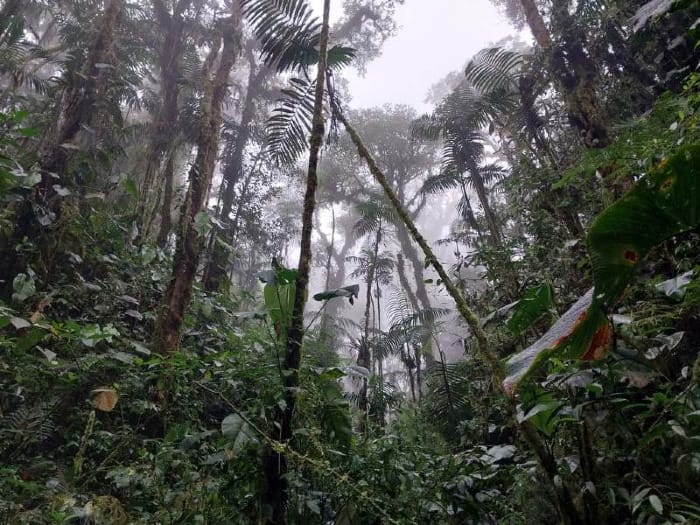
Centinela is located on the western Andean slopes of northern Ecuador, right next to Santo Domingo de los Tsáchilas. Sitting below 1,500 meters, this area is a critical extension of the hyper-diverse Chocó Biogeographic region. Today, it consists of at least 19 fragmented forest patches (ranging from just 8 to 144 hectares) acting as isolated green islands surrounded by an agricultural landscape. Decades ago, extensive deforestation led famous biologist Edward O. Wilson to coin the term “Centinelan extinction” to describe the tragic phenomenon of unique plants vanishing before science could even describe them in this region.
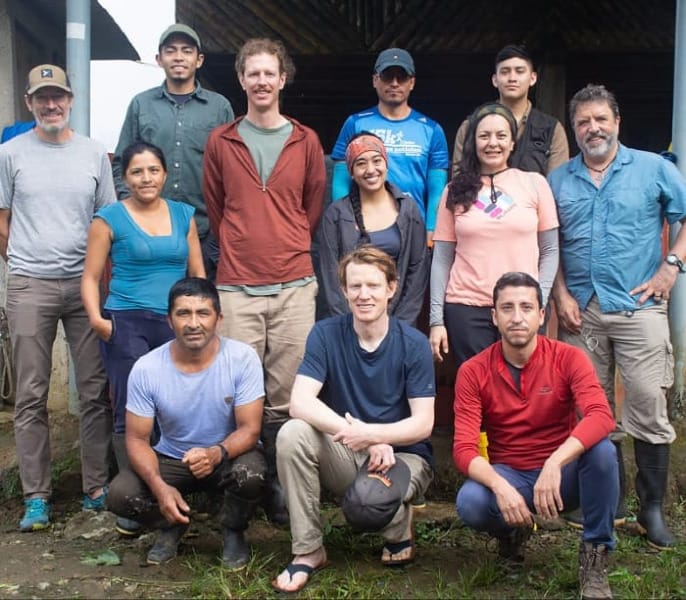
But the Centinela forest is far from extinct and still has surprises to share. That's what Dr. John L. Clark, a Research Botanist from the Marie Selby Botanical Gardens (Florida, USA) specializing in the plant diversity of Ecuador’s Chocó forests, told Botany One during a recent interview. He shared how a dedicated team of researchers braved the 2021–2023 expeditions to prove that life is still holding on in these tiny forest fragments, harboring both species feared extinct and others completely new to science.
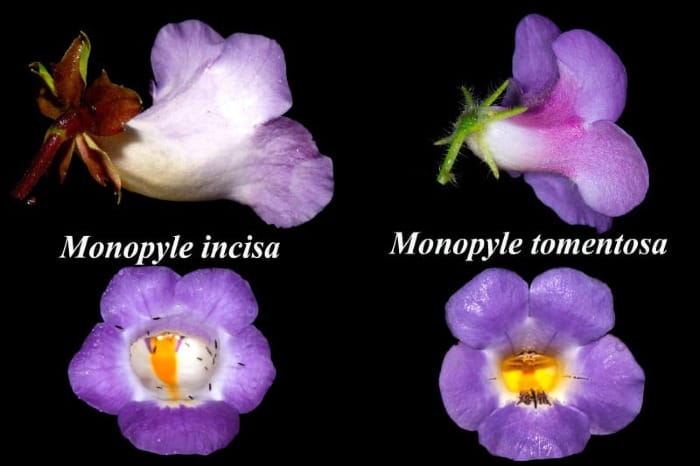
A nice example is the genus Monopyle, a member of the African violet family (Gesneriaceae) that is especially diverse in the tropical forests of Central and South America. Clark and his colleagues recently published a major update in the Harvard Papers in Botany describing two brand-new Monopyle species that his team discovered growing side by side in the region: M. incisa and M. tomentosa. These newly identified species belong to a large family of over 4,000 species and 150 genera recognizable by their highly unequal opposite leaves, charismatic tubular white-and-purple flowers, and velcro-like bristly hairs.
The new addition of M. incisa and M. tomentosa brings the total species diversity of the genus to 27, globally. To distinguish between them, M. incisa is strictly endemic to the Centinela region. It lives only in tiny wet forest fragments at 500–1000 m elevation, and its name incisa comes from its calyx lobes which are also apically incised, giving them a distinctive toothed appearance. M. tomentosa is slightly more widespread, found at 400–1000 m in Pichincha, Santo Domingo de los Tsáchilas, and Esmeraldas, and it gets its name from the dense, velvet-like covering of hairs on its stems.
But the discoveries did not stop with this one genus.
Over the course of the expeditions, this intrepid team documented 49 other species of the same family (Gesneriaceae), including Gasteranthus extinctus (a plant presumed entirely extinct after 1980s deforestation until it was miraculously rediscovered in 2021), Gasteranthus atratus (unseen in Ecuador since the '70s), Gasteranthus macrocalyx (missing for two decades until documented in 2023) and Gasteranthus acuticarinatus (first population documented outside its original type locality).
“On one trip, we walked between Cascada Escondida and Bosque y Cascadas Las Rocas, two properties near Polanco. In just two days, we documented 27 species of Gesneriaceae!” said Clark.
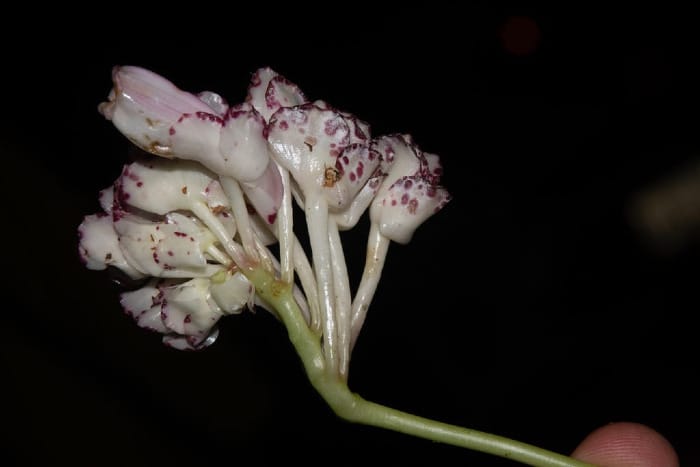
According to Dr. Clark, identifying new species is pure detective work, and not a quick one, as it can take years to compare specimens with described ones, examine historical collections, revisit material and literature. It is just upon closer inspection that a plant can reveal subtle morphological traits to differentiate from another one. This means a new species is rarely "discovered" in the field. Botanical exploration starts with the specimen collection but then herbaria are needed, to house countless species that have yet to be formally recognized. Often, the real discovery isn't finding a plant that no one has ever seen, but rather unlocking the significance of one that has been overlooked for years. That is exactly the story behind M. tomentosa.
“I have encountered Monopyle tomentosa regularly since 1994, when I was a U.S. Peace Corps volunteer working at the Bilsa Biological Station, and again during more recent expeditions to the forests around Mashpi and Fundación para la Conservación de los Andes Tropicales (FCAT). It is deeply satisfying to finally give a name to a plant that I have known in the field for more than 30 years,” said Clark.
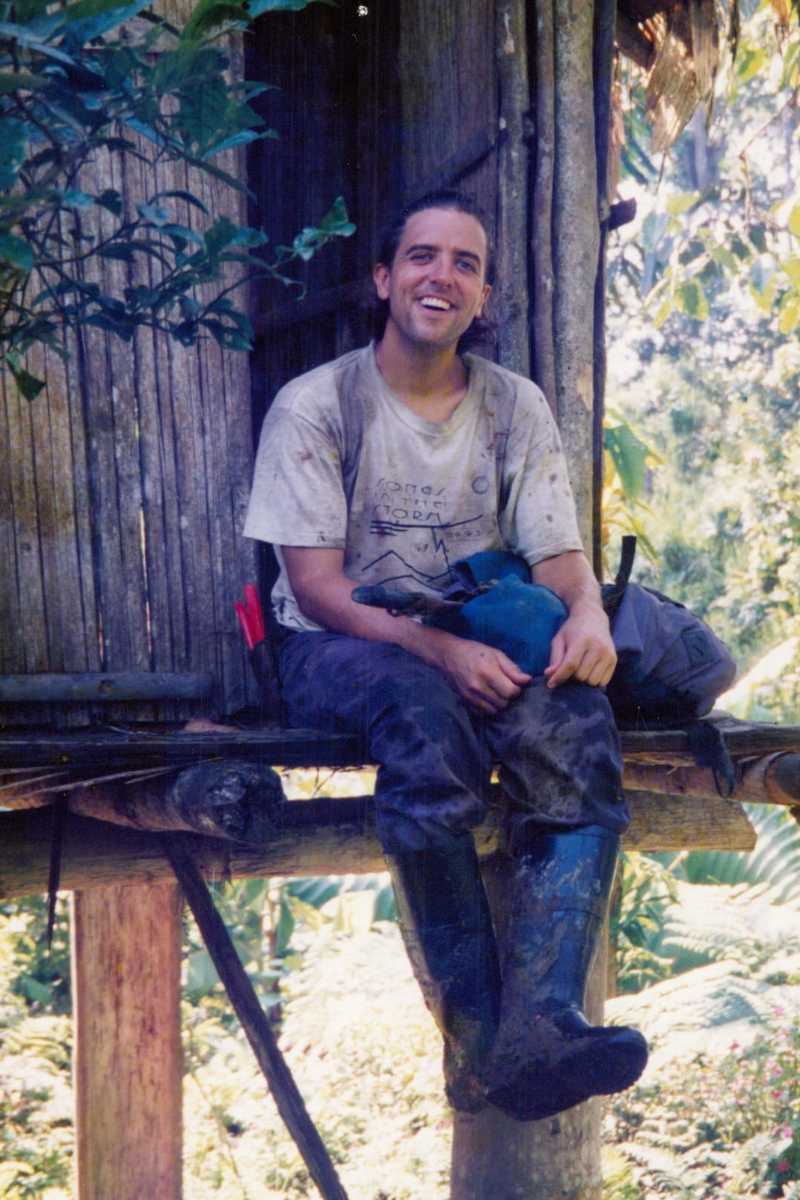
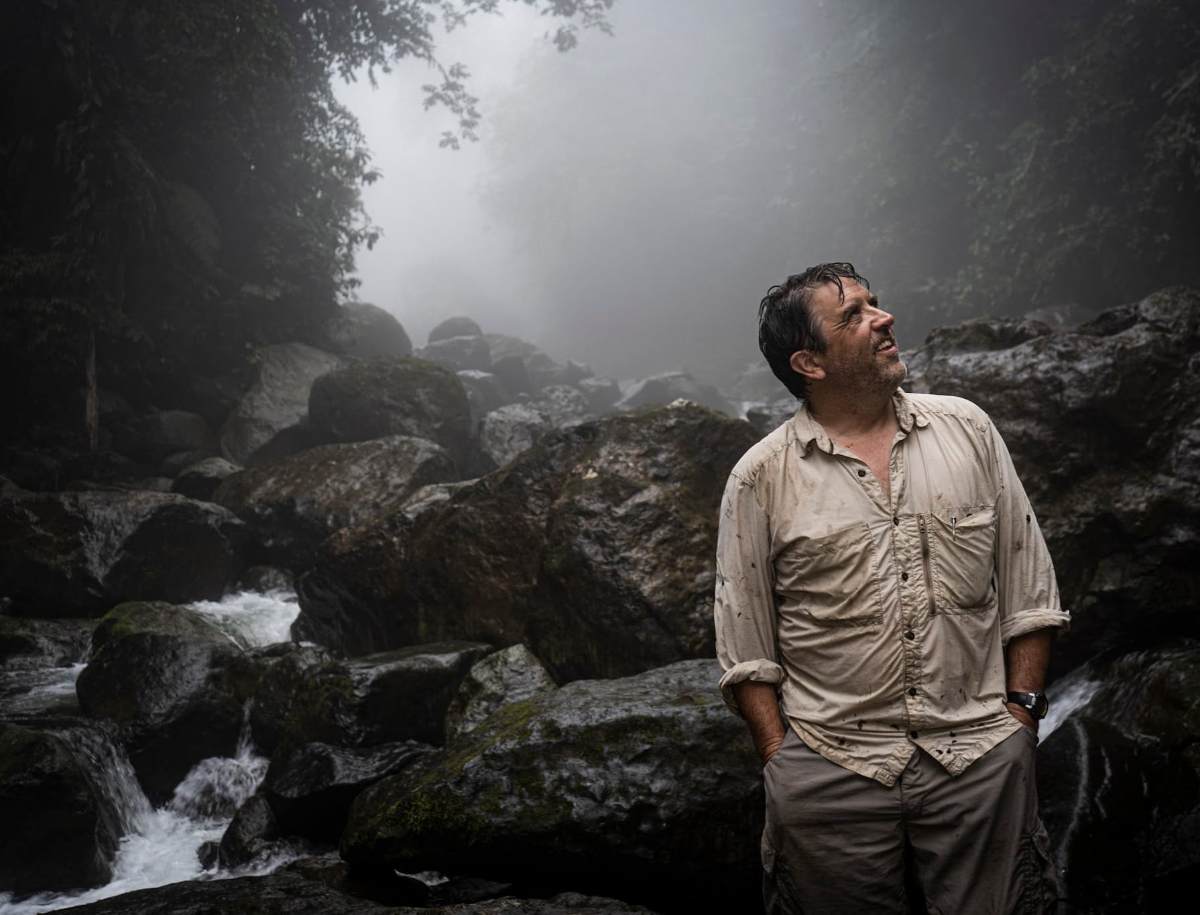
A 30-year journey of discovery: Monopyle tomentosa and Dr. John L. Clark. Left: Clark in 1994, serving as a U.S. Peace Corps Volunteer when he encountered the species for the very first time. Right: Clark during his 2022 expedition to Centinela, when he collected the specimen now recognized as a new Monopyle species. Photo credit: Dr. John L. Clark and Camilo Restrepo-Villarroel.
Publishing a new species and giving it a scientific identity is just the start, as more fieldwork is needed to get its geographic distribution, assess its conservation status, and communicate its significance to conservation organizations, land managers, and policymakers. In this case, based on the IUCN guidelines, M. incisa has been preliminarily assessed as Endangered (EN) and M. tomentosa as Vulnerable (VU).
“Ultimately, discovering and naming a new species is an exciting scientific achievement, but ensuring that it survives for future generations is an even greater responsibility,” said Clark.
Clark emphasizes that “especially in the Neotropics, where deforestation, agricultural expansion, and habitat fragmentation continue to threaten extraordinary concentrations of biodiversity, collaborating and building long-term relationships with botanists, universities, natural museums with herbaria, and conservation organizations is essential to protect life.”
But institutions do not act alone. Clark says that we must recognize the true heroes of Centinela's incredible survival: the local landowners. These vibrant forest islands survive simply because individual farmers choose not to cut them down, showing extraordinary commitment with almost no funding or government support.
Across the globe, whether in the cloud forests of Ecuador or the highlands of Bolivia, thousands of plants, animals, insects, and fungi still await formal recognition. This is why collaboration and taxonomy are important keys to conservation. As Clark and Nogales-Ascarrunz (the biologist who recently described Bolivia's new wild cat species) have expressed: We cannot protect biodiversity if we do not even know it exists.
REFERENCES:
Clark, J.L., D.W. White, J.N. Zapata & J. Keene. (2026). Two new species of Monopyle (Gesneriaceae) from the Chocó Biogeographic Region of Western Ecuador. Harvard Papers in Botany 30(2).
Clark, J. L. (2024). Gesneriads from Centinela – a legendary biodiversity hotspot on the western Andean slopes of northern Ecuador. Gesneriads: The Journal for Gesneriad Growers, 74(1), 5–20.
Bittel, Jason (2026). Meet the First New Cat Species Discovered in 100 Years. National Geographic. Archived from the original on September 17, 2026. Retrieved September 17, 2026 at https://www.nationalgeographic.com/animals/article/meet-the-first-new-cat-species-discovered-in-100-years
White, D., Pitman, N., Feeley, K., Rivas-Torres, G., Bravo-Sánchez, S., Sánchez-Parrales, F., Clark, J., Ulloa Ulloa, C., Cornejo, X., Couvreur, T., Peñafiel, M., Benavides, G., Bonifaz, C., Cerón, J., Fernández, A., Fortier, R., Navas-Muñoz, D., Rojas M, V., Zapata, J., Williams, J., and Guevara-Andino, J. (2024) Refuting the hypothesis of Centinelan extinction at its place of origin. Nature Plants, 10(11), pp. 1627-1634. Available at: https://doi.org/10.1038/s41477-024-01832-7.
Wilson, E. O. (1992). The Diversity of Life. Belknap Press of Harvard University Press. Available at : https://books.google.mg/books?id=ZSqehqH-qTYC&hl=es&source=gbs_navlinks_s
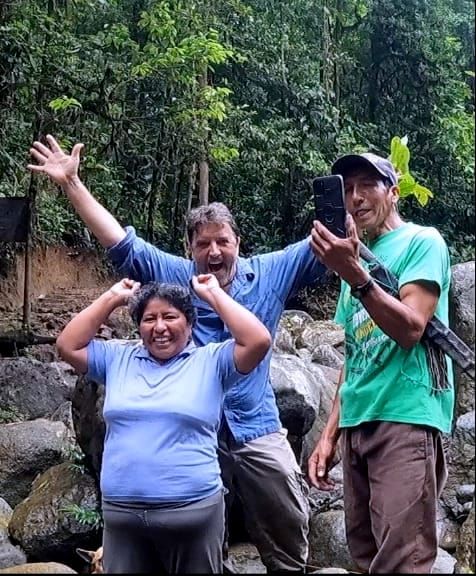
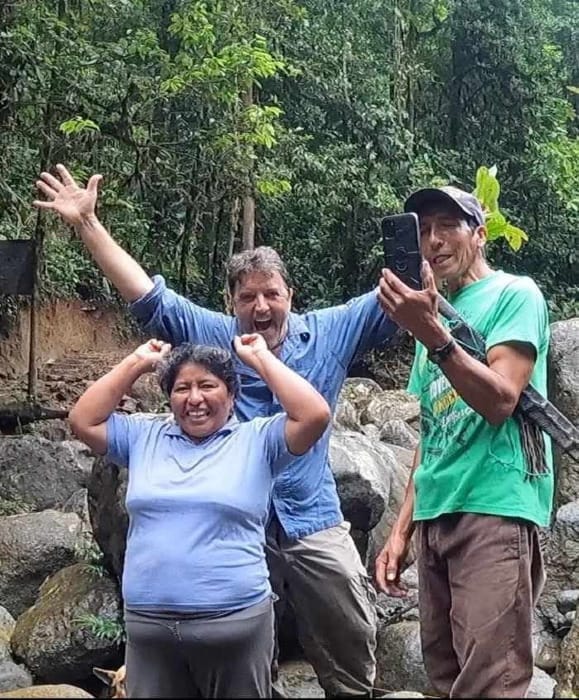
Cover: Dr. Clark with the landowners of Cascada La Escondida, Felipe Lliuipuma and Elsa Simbaña, who allowed him and his crew to study the plant diversity on their properties. Photo credit: Dr. John L. Clark.