


When you think of plants, is there a particular scent that springs to mind? Perhaps freshly brewed coffee in the morning, lavender in your soap or the citrus burst left on your hands after squeezing lemons for your favourite drinks. These smells come from small molecules called volatile organic compounds, produced by plants to attract, repel or communicate with other organisms, which often become part of our everyday experiences.
In cities, however, the air is far from a simple blend of those pleasant, natural scents. Depending on your area, the air you breathe may be full of pollutants from traffic and industry linked to severe health conditions. As a result, what we smell in cities can be more stressful, even harmful, than pleasant.
In a recent study, researchers from the University of Oxford and the Royal Botanic Gardens, Kew, evaluated the mixture of volatile compounds in the air of six public green spaces in Oxford, located at varying distances from the city centre, from the Botanic Garden to Wytham Woods. To do this, they used a small pump placed at the height of a person’s nose to “bottle” the air from these areas. Back in the lab, the team used a technique called gas chromatography–mass spectrometry, which separates mixtures of airborne chemicals and identifies each component.
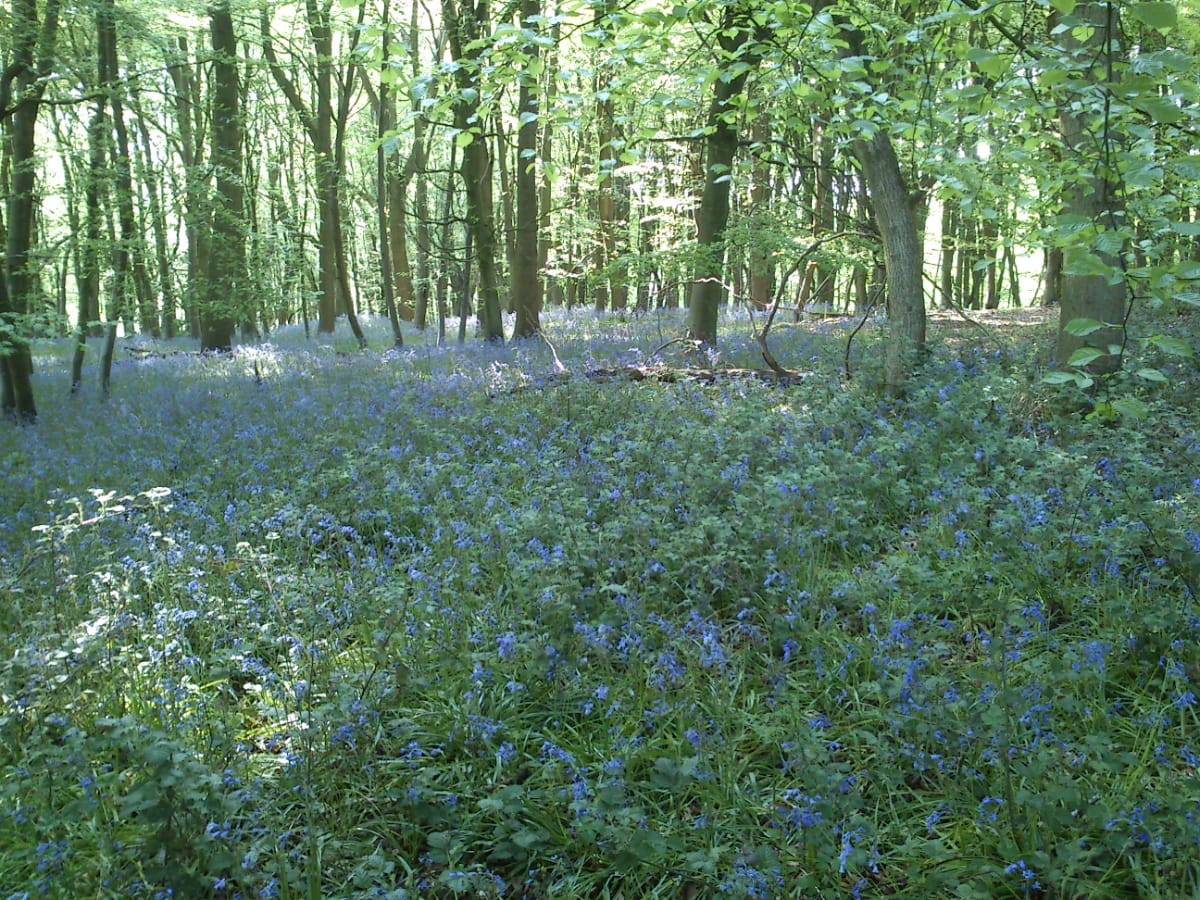
In total, the researchers identified 245 unique compounds. Each site had its own chemical “fingerprint”, shaped by a mix of plant scents and human pollution. Areas closer to busy roads contained high levels of traffic-related chemicals such as benzene and toluene, which are linked to respiratory and cardiovascular diseases. Yet even within the same park, a short walk into denser vegetation might be enough to reduce exposure to these compounds. More open areas tended to show stronger signals of urban pollution, whereas tree-rich spots had a greater presence of plant compounds, suggesting that vegetation and soils may help filter or break them down.
Alongside these pollutants, the team detected dozens of plant-derived compounds, particularly terpenes, the molecules responsible for the scent of pine, eucalyptus and lavender. These substances have been linked to benefits such as reduced stress, improved mood and better immune responses. And while all of the studied sites contained at least some of these potentially beneficial compounds, their abundance varied widely. Enclosed, plant-rich environments such as glasshouses stood out, showing especially high levels of these “good” volatiles and relatively low pollution.
To understand how scents change over time, the team also returned to the Botanical Garden outdoors, the site where they found the highest richness of plant-derived compounds, repeatedly over a year, sampling under different weather conditions. Crucially, these airborne mixtures are not fixed, and weather plays a major role in shaping what we breathe. Warmer and more humid conditions increased the release of beneficial plant compounds, while rain triggered short bursts of scent from soils and leaves. Wind, meanwhile, often carried pollution from elsewhere. In practice, this means that the air in a green space can change from hour to hour. A warm, humid day in a leafy park, especially in spring or summer, may offer more of the compounds linked to wellbeing than a breezy afternoon near traffic.
Together, these findings suggest that greener, more sheltered spaces and the right environmental conditions may expose you to more airborne chemicals that enhance the health benefits of time spent outdoors. While turning these scentscapes into clear health recommendations will require longer-term studies, the research shows that not all urban green spaces offer the same experience, opening opportunities to design greener, healthier spaces for the people who live in them. In the end, this study offers a fresh way of thinking about urban nature: not just as something we see, but as something we breathe.
READ THE ARTICLE:
Kay WT, Battle AL, Humberstone M, et al.. 2026. A walk in the park—Identifying healthy greenspaces using scents. Plants, People, Planet. https://doi.org/10.1002/ppp3.70191
Spanish and Portuguese translation by Erika Alejandra Chaves-Diaz.
Cover picture by WolfBlur (Pixabay).


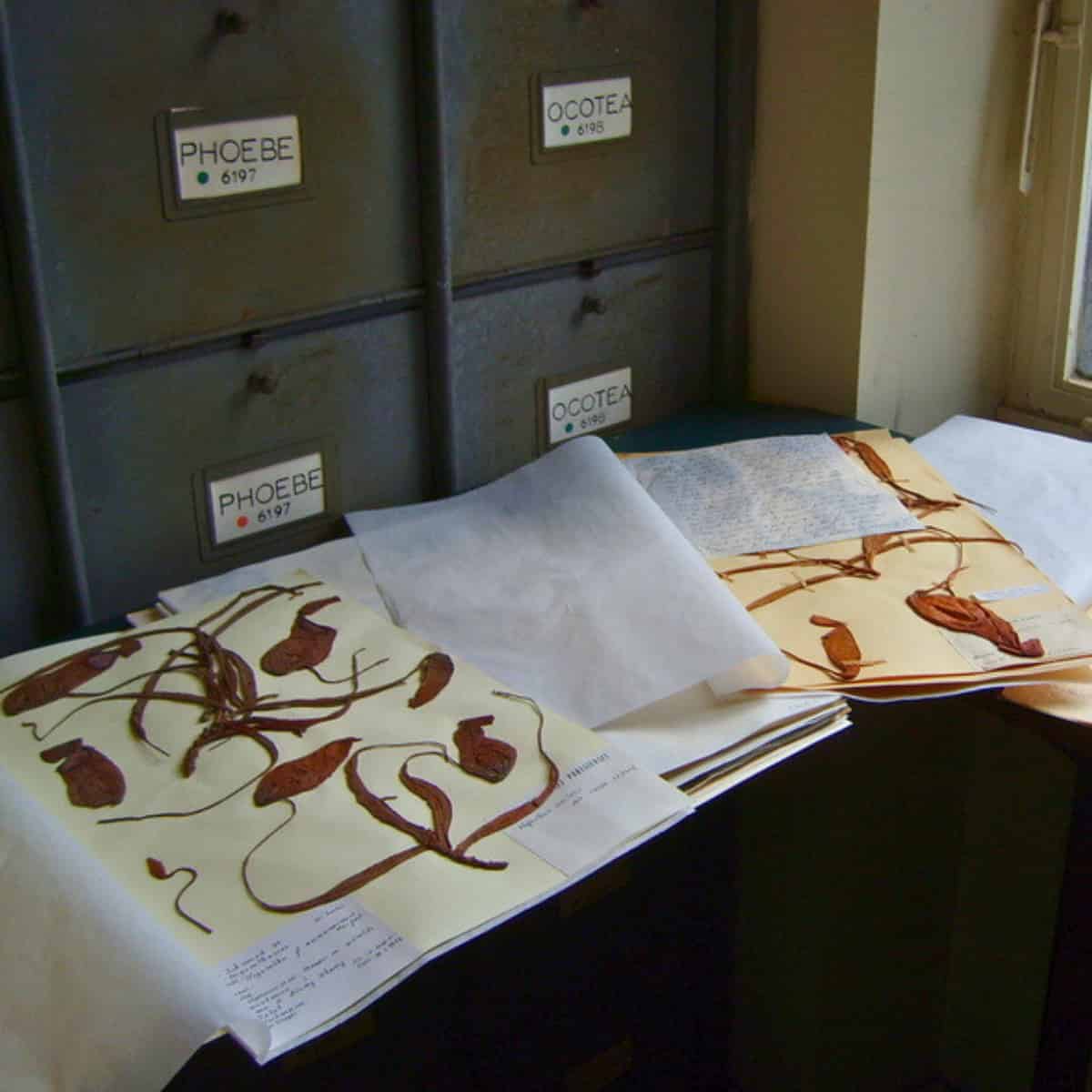

.jpg?ref=botany.one#/media/File:Bluebells_in_Wytham_Woods_(32972052672).jpg)