annals-of-botany
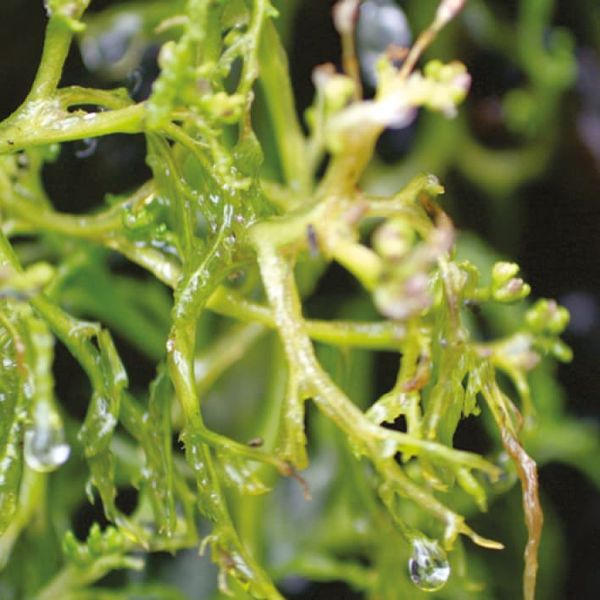
Diversity of silica bodies in Podostemaceae
Silica bodies are inorganic compounds deposited in the vegetative and/or reproductive tissues of many angiosperm families, including the aquatic plant family Podostemaceae. Costa et al.

annals-of-botany
Silica bodies are inorganic compounds deposited in the vegetative and/or reproductive tissues of many angiosperm families, including the aquatic plant family Podostemaceae. Costa et al.
AoB PLANTS
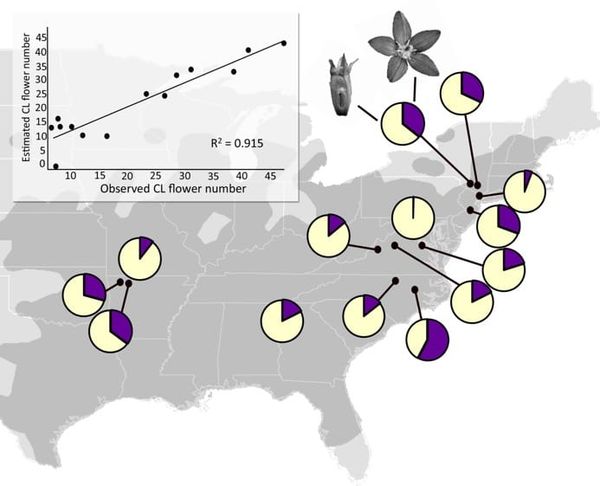
The role of environmental factors in driving phenotypic trait variation among populations is a central focus in ecology and evolutionary biology. Such phenotypic variation includes variation
annals-of-botany
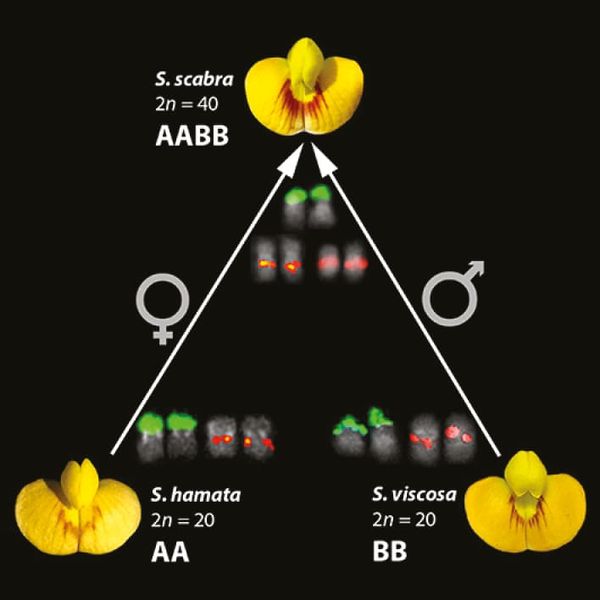
The genus Stylosanthes includes nitrogen-fixing and drought-tolerant species of considerable economic importance for perennial pasture, green manure and land recovery. Stylosanthes scabra is adapted

featured
Discarded plastic* is a major source of this planet’s pollution (“the action or process of making land, water, air, etc., dirty and not safe or
annals-of-botany
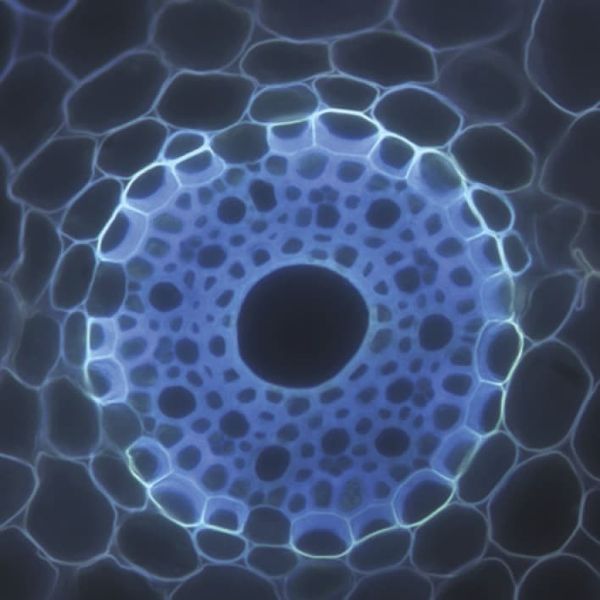
Limited supply of mineral nutrients such as potassium increases the root-to-shoot ratio. This also increases the ratio between water-absorbing and -losing plant surface.

featured
January 17 marks twelfth night in the Julian Calendar. It also marks the traditional night of wassailing, a ritual to drive evil spirits from the orchard.
annals-of-botany
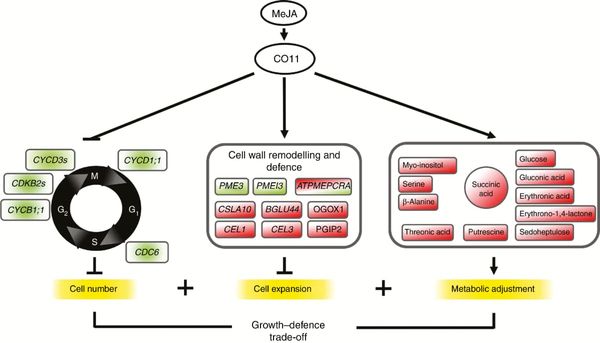
Plant cell suspensions provide a model to study the apoplast and to monitor metabolic and cell cycle-related changes. Bömer et al. frame a case study
in silico Plants
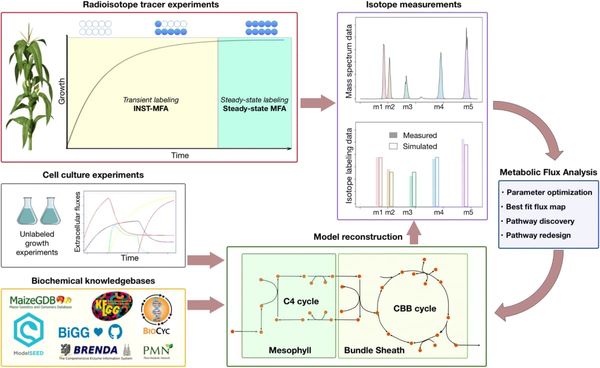
There were many great articles concerning cross-disciplinary research at the interface between plant biology, mathematics and computer science before the launch in silico Plants (isP). We are excited for isP to be home to these types of articles in the future.
annals-of-botany
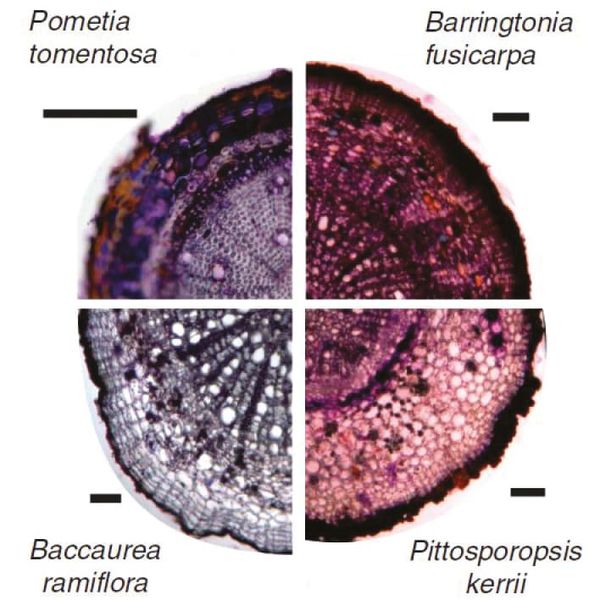
Root mechanical traits, including tensile strength (Tr), tensile strain (εr) and modulus of elasticity (Er), are key functional traits that help characterize plant anchorage and the
AoB PLANTS
Reproductive isolation is generally regarded as the essence of the speciation process. The evolution of reproductive isolation allows differentiation and permits local adaptations to become fixed
annals-of-botany
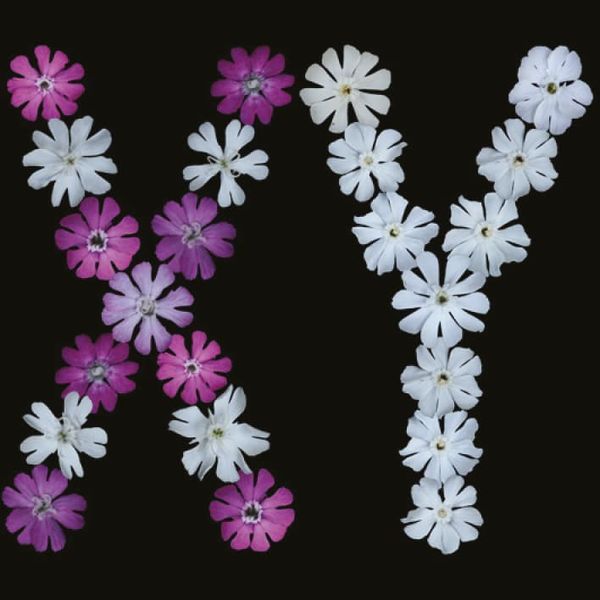
Separate sexes and sex chromosomes evolved independently many times in plants. As well as the XY system humans have, some plants have a ZW system. But
featured
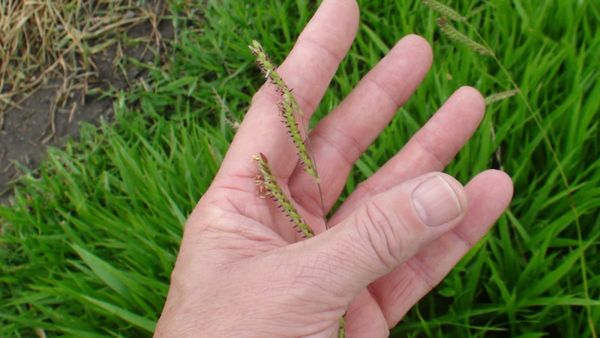
Pat Heslop-Harrison (with collaborators listed below) examines why it’s not just humans that need better crops.