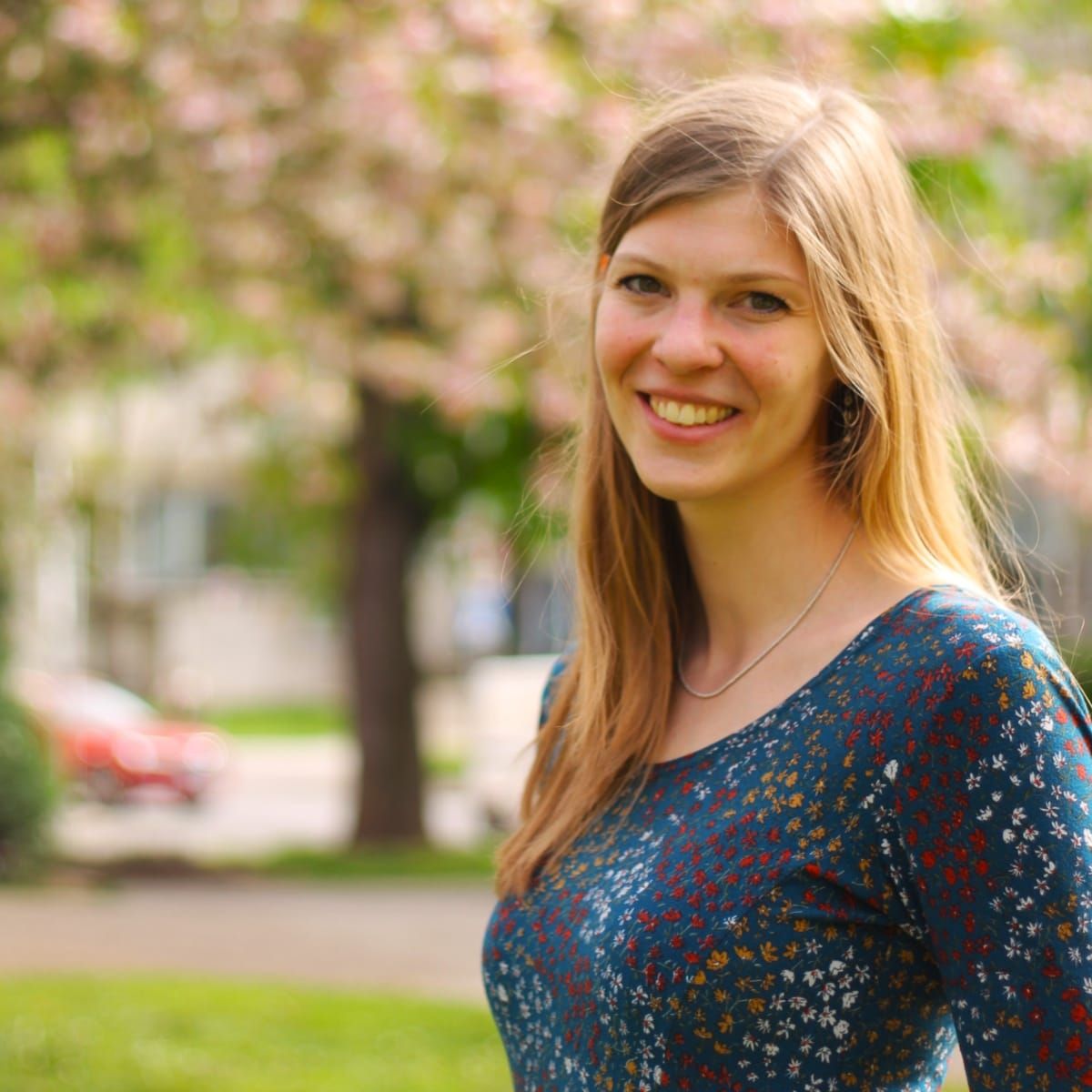

Plants are incredibly diverse, and so are botanists! In its mission to spread fascinating stories about the plant world, Botany One also introduces you to the scientists behind these great stories.
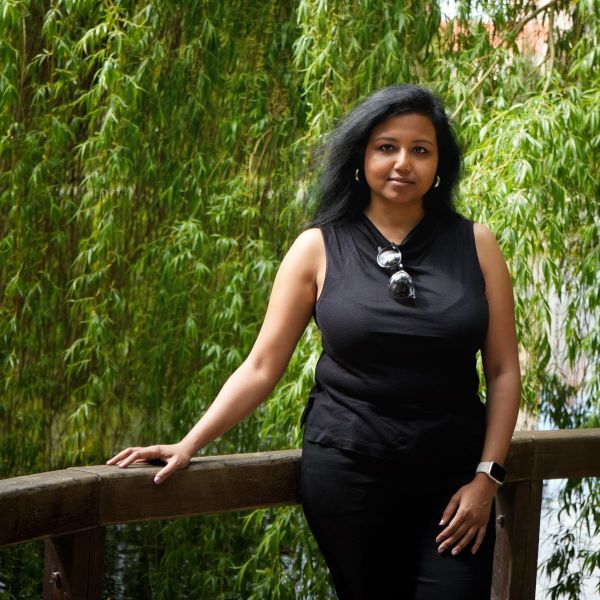
Today, we have Dr Nina Bziuk, a microbial ecologist focused on understanding the microbiome associated with plants and how it shapes plant health. During her PhD in Germany at the Federal Research Institute for Cultivated Plants, Bziuk studied the barley seed and rhizosphere microbiome. She was particularly excited that her team could show that a rhizosphere microbiome transplant could actually improve plant health. For instance, the increased belowground microbial diversity by the transplant led to barley’s aboveground resistance to powdery mildew. She also became deeply interested in the seed microbiome, investigating how plant genetics structure seed-associated microbial communities and how these microbes may contribute to plant health. She continued this work during her first postdoctoral position in Austria, where Bziuk explored how accelerated aging alters the seed microbiome.
Over time, her curiosity shifted more towards understanding the underlying mechanisms: how do plants and microbes actually communicate? How are these interactions established in the first place? This led Bziuk to her current work in Belgium with the liverwort Marchantia polymorpha, an evolutionary model system. Using its easy molecular toolkits, she investigates how specific plant metabolites shape microbial communities, influence individual microbes, and ultimately affect plant responses to abiotic and biotic stress. You can follow her work LinkedIn.
What made you become interested in plants?
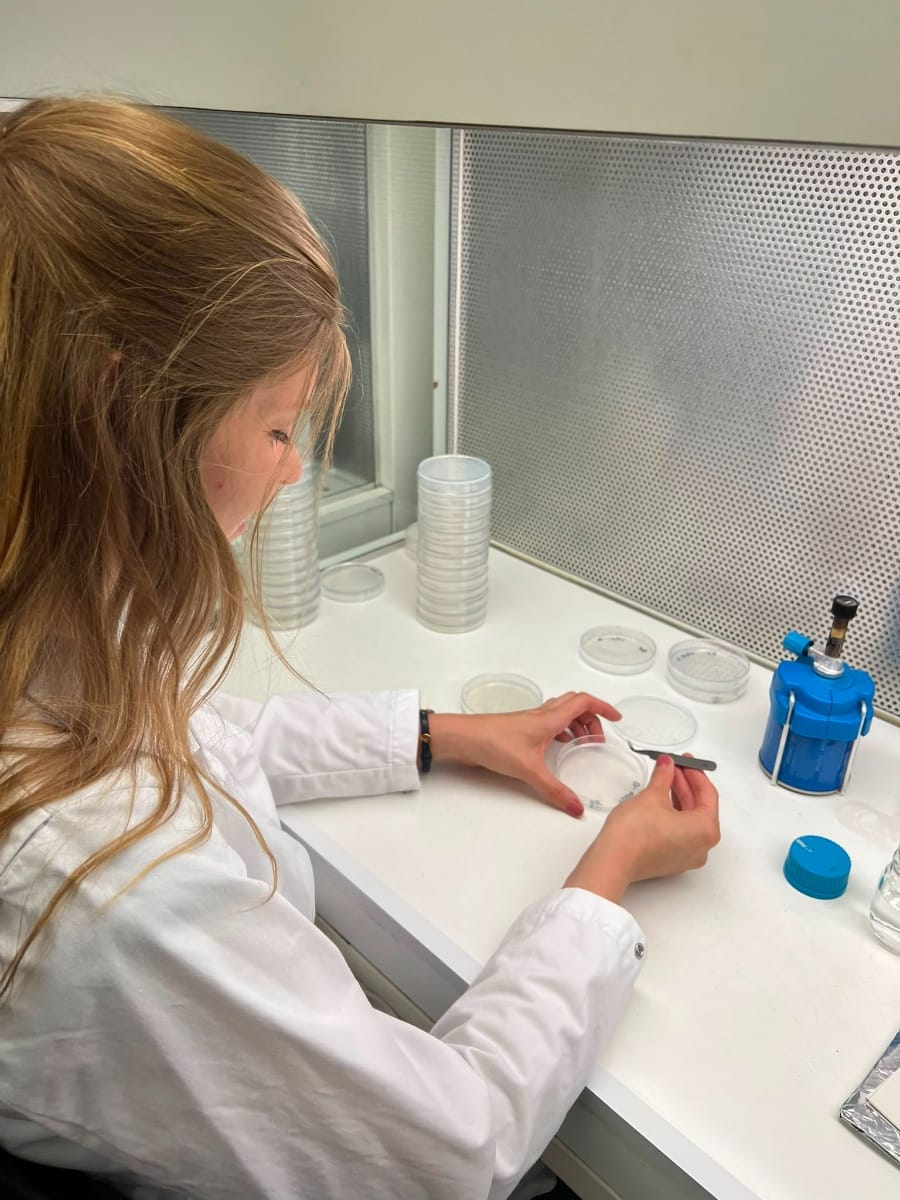
My curiosity about plants started early in childhood. Some time ago, I came across a photo of myself as a little child playing in the garden, making what you could call “plant extracts”, and it didn’t look that different from some of my days in the lab. During my master’s degree, I dived into plant-microbe interactions, which was really a turning point for me. I became genuinely fascinated by how plants communicate and live together with their associated microbes. That hidden world of interactions is something I find both beautiful and intriguing, and it’s what continues to inspire and drive my research today.
What motivated you to pursue your current area of research?
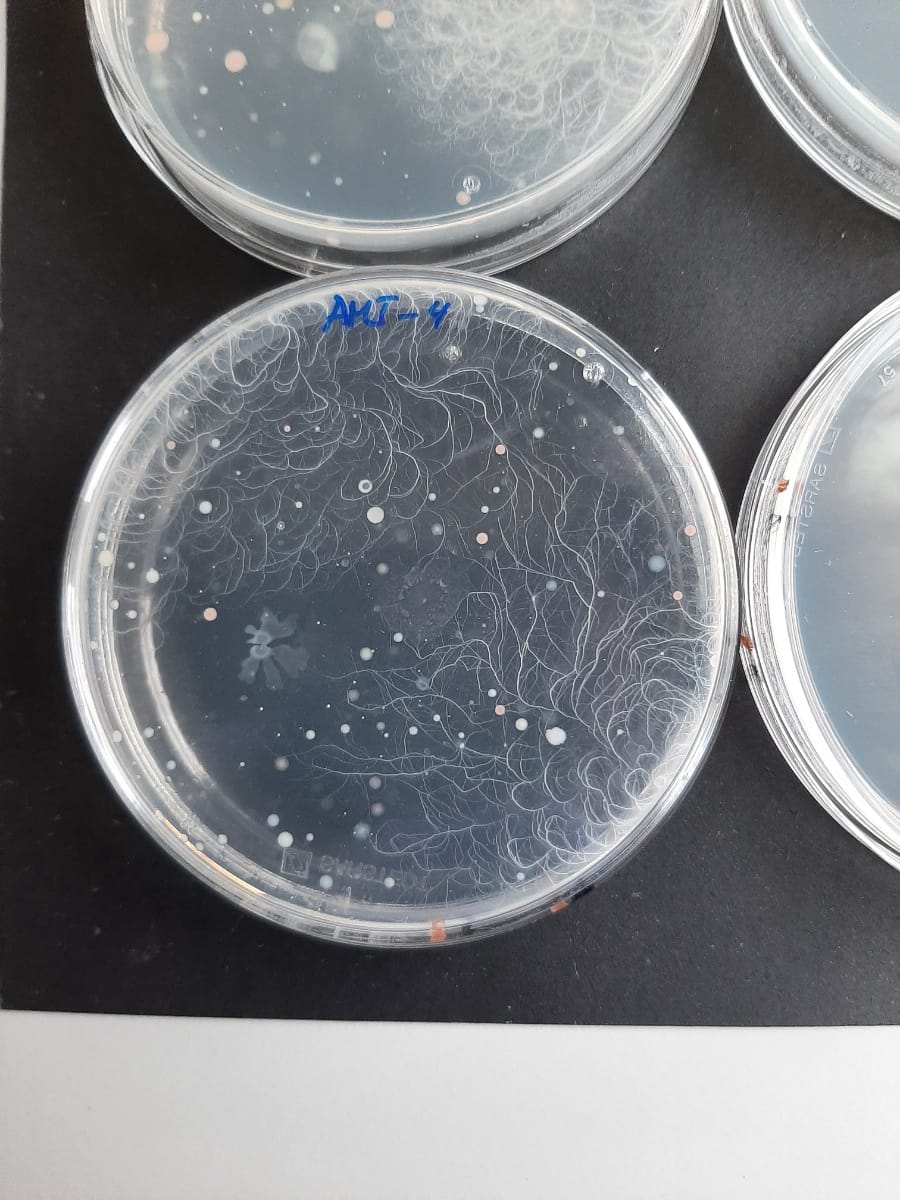
During my earlier work in agricultural microbiology, I became fascinated by the profound influence microbes can have on plant health. The relationship between plants and their associated microbes is highly dynamic, ranging from pathogenic to beneficial interactions and everything in between, and is shaped by a multitude of factors. This complexity motivated me to move beyond observation and gain a deeper understanding of the underlying mechanisms. This curiosity led me to my current project, where I develop knockout and overexpression lines to study how specific plant metabolites shape the microbiome and how individual microbes respond, uncovering their secret dialogue.
What is your favourite part of your work related to plants?
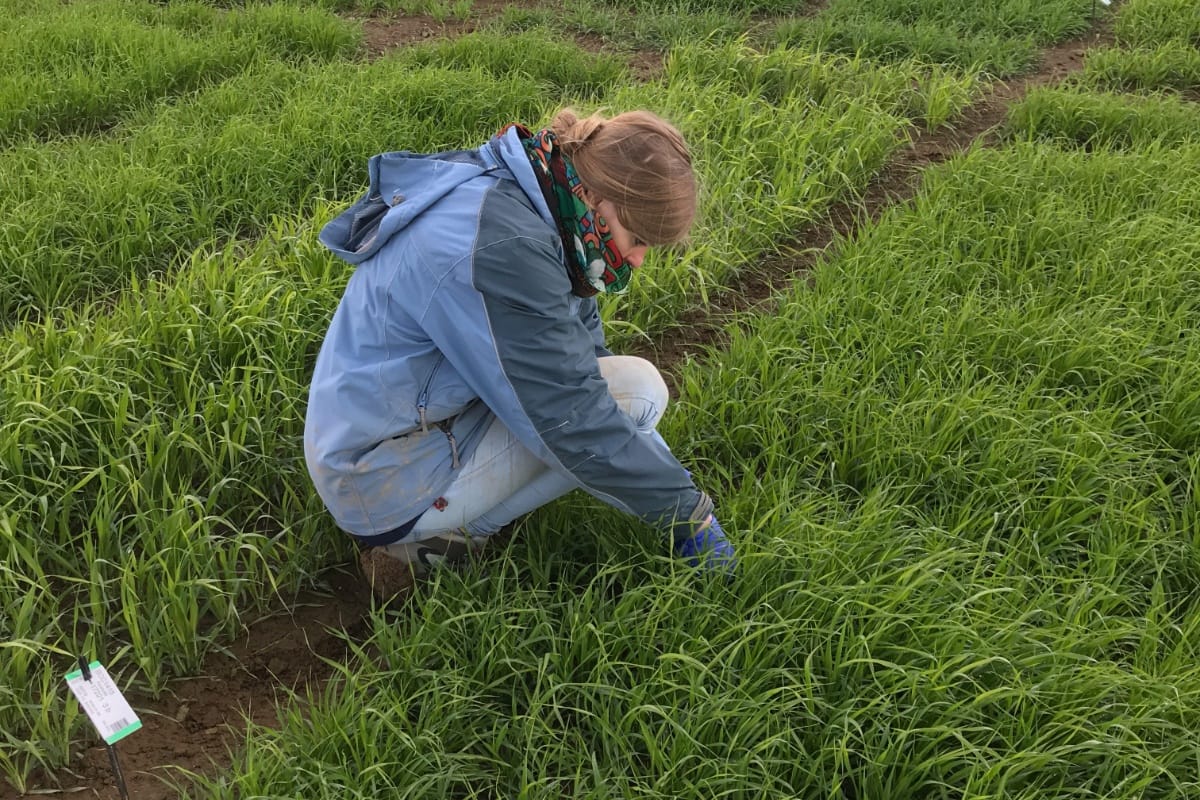
Even though it does not happen as often as I wish, I really enjoy working in the greenhouse, out in the field, or collecting samples in natural environments. There is something special about seeing the plants I study in diverse environments and how they respond and adapt to different (microbial) conditions. At the same time, I also love the more analytical side of my work. Diving deep into datasets, following small clues, and gradually piecing things together until something new emerges - that is something I enjoy a lot, and it sometimes makes me feel a bit like a detective.
Are any specific plants or species that have intrigued or inspired your research? If so, what are they and why?
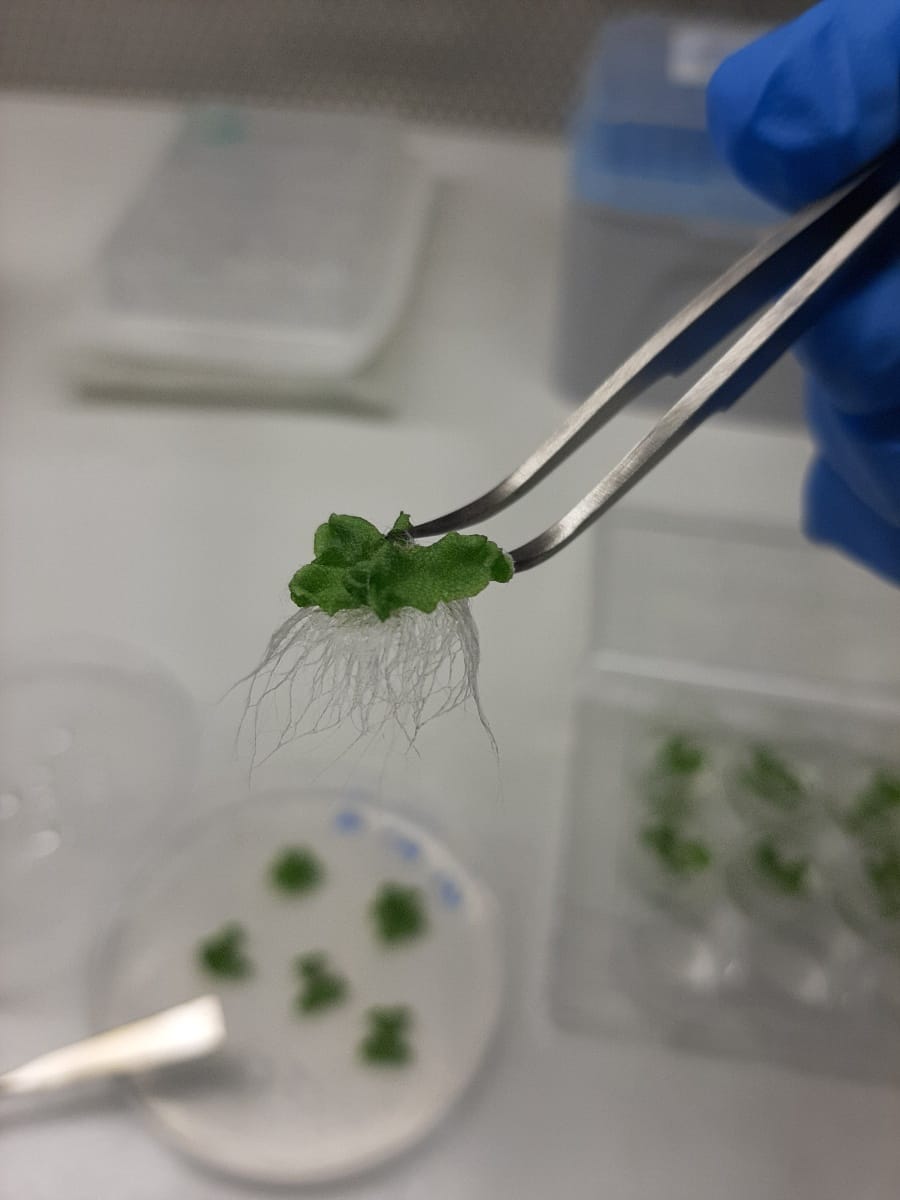
Plants come first in my work, though my true passion lies in microbial ecology. When I explore a microbiome dataset, I try to understand microbial communities as a whole. I am fascinated by how so many different species come together to form something complex, dynamic, and interconnected with the plant. Therefore, I would not say there is one specific plant that stands above the rest for me. I tend to become attached to whichever plant I am working with at the time – and their microbes! Right now, that is Marchantia polymorpha, and I still get excited whenever I spot this little liverwort in nature.
Could you share an experience or anecdote from your work that has marked your career and reaffirmed your fascination with plants?
A piece of advice that has really stayed with me comes from my PhD supervisor, who used to say that science should be a passion, never a burden. That mindset has strongly shaped how I approach my work and has reassured me that I chose the right path. Besides that, I am not sure if there has been a specific moment reaffirming my fascination with plants. However, I do recall my first greenhouse experiments, when I observed a clear effect of the inoculated bacteria. Seeing the plants visibly healthier made the whole process feel very real and rewarding.
What advice would you give young scientists considering a career in plant biology?
One of the most important things I have learned is not to get discouraged by setbacks or high variability in your data. My advice is to connect with your peers and talk openly about the challenges on your mind. You will see that many others share similar experiences. Most importantly, hold on to your curiosity, enthusiasm, and passion; there is always something new and fascinating to discover.
What do people usually get wrong about plants?
People often think plants are boring because they are sessile and don’t seem to do much, but in reality, they are incredibly dynamic. There is so much happening that we simply don’t see, from complex biochemical processes to constant interactions with their environment and associated microbes. When you take a closer look at the plant microbiome, it becomes truly fascinating how active and interconnected these plant-microbe interactions are and how essential the whole relationship is for plant health.
Cover picture by Valeria Castaldi.