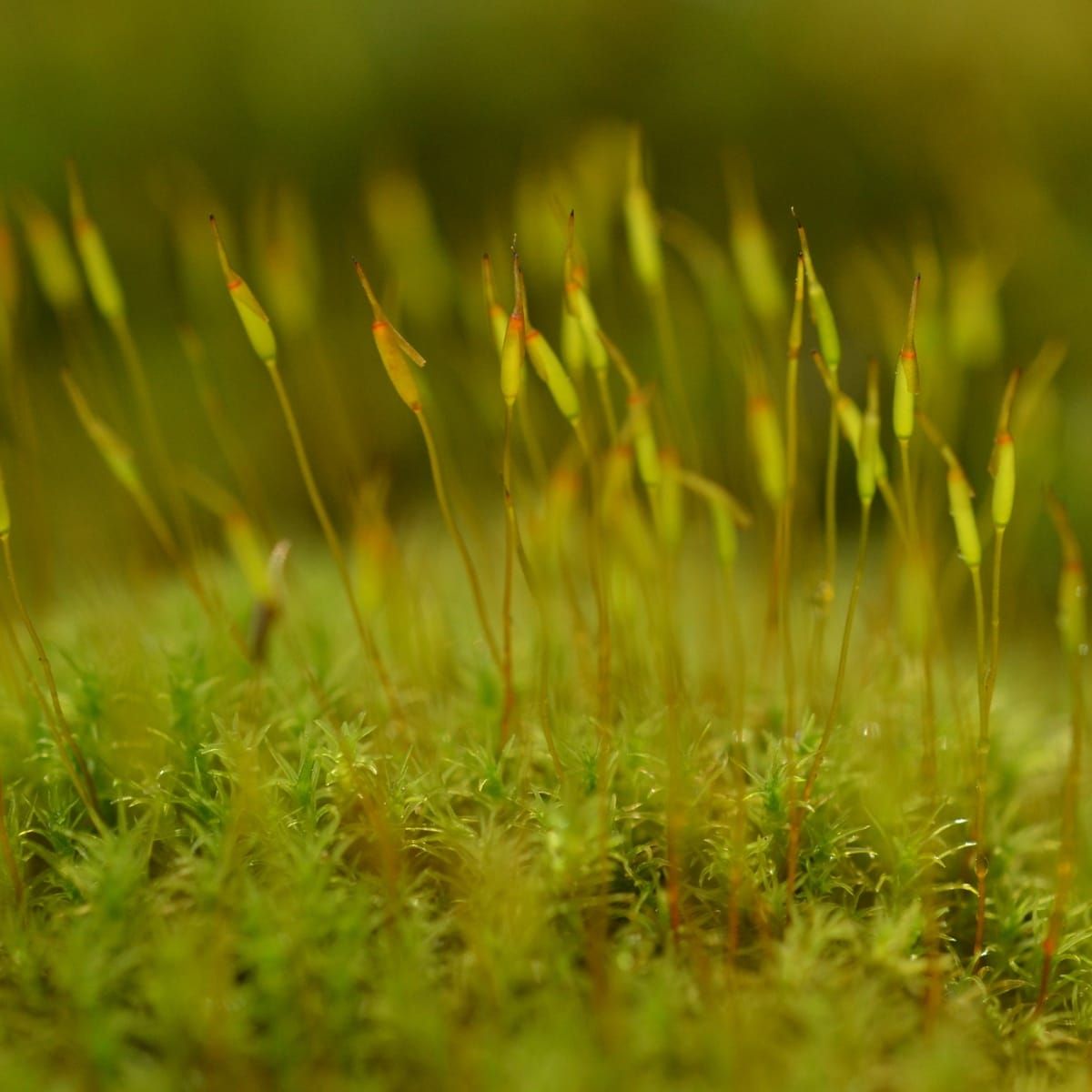

As you walk through alpine landscapes, mosses and liverworts often look like mere green carpets covering rocks and tree trunks. However, for the microfauna, these bryophytes function as complex forests in miniature, offering three-dimensional microhabitats permeated by fine layers of water.
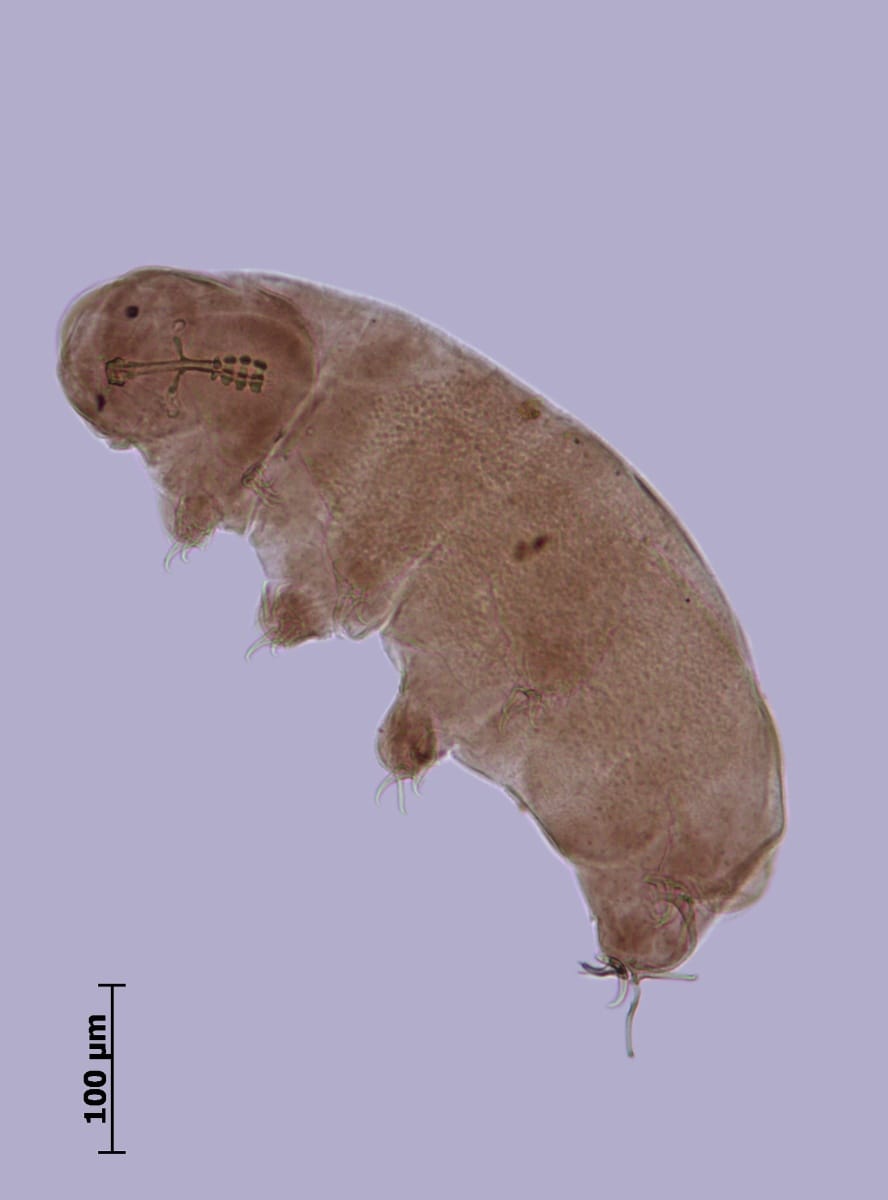
Among the most famous inhabitants of these structures are tardigrades, known as “water bears”, they are microscopic invertebrates that measure between 200 and 500 micrometers in length. In a study recently published by Yelyzaveta Matsko and colleagues in the journal Applied Soil Ecology, the researchers investigated how bryophyte microarchitecture influences the presence of pigmented ocelli—or “eyes”—in these animals' communities.
The presence or absence of visual structures in microscopic animals and their relationship to the microenvironment is still poorly understood. To investigate this interaction, the researchers analyzed 2,778 live tardigrades collected from 75 bryophyte samples in the Italian Alps. The scientists found that 88.5% of the tardigrades had eyes, while 11.5% lacked them.
In addition, the analyses found that eyeless tardigrades were relatively more common in bryophytes with more complex morphology and in species associated with high-light environments. At first glance, finding more blind tardigrades in bryophytes that prefer sunny locations may not make sense, but the explanation lies in the plant’s botanical architecture.
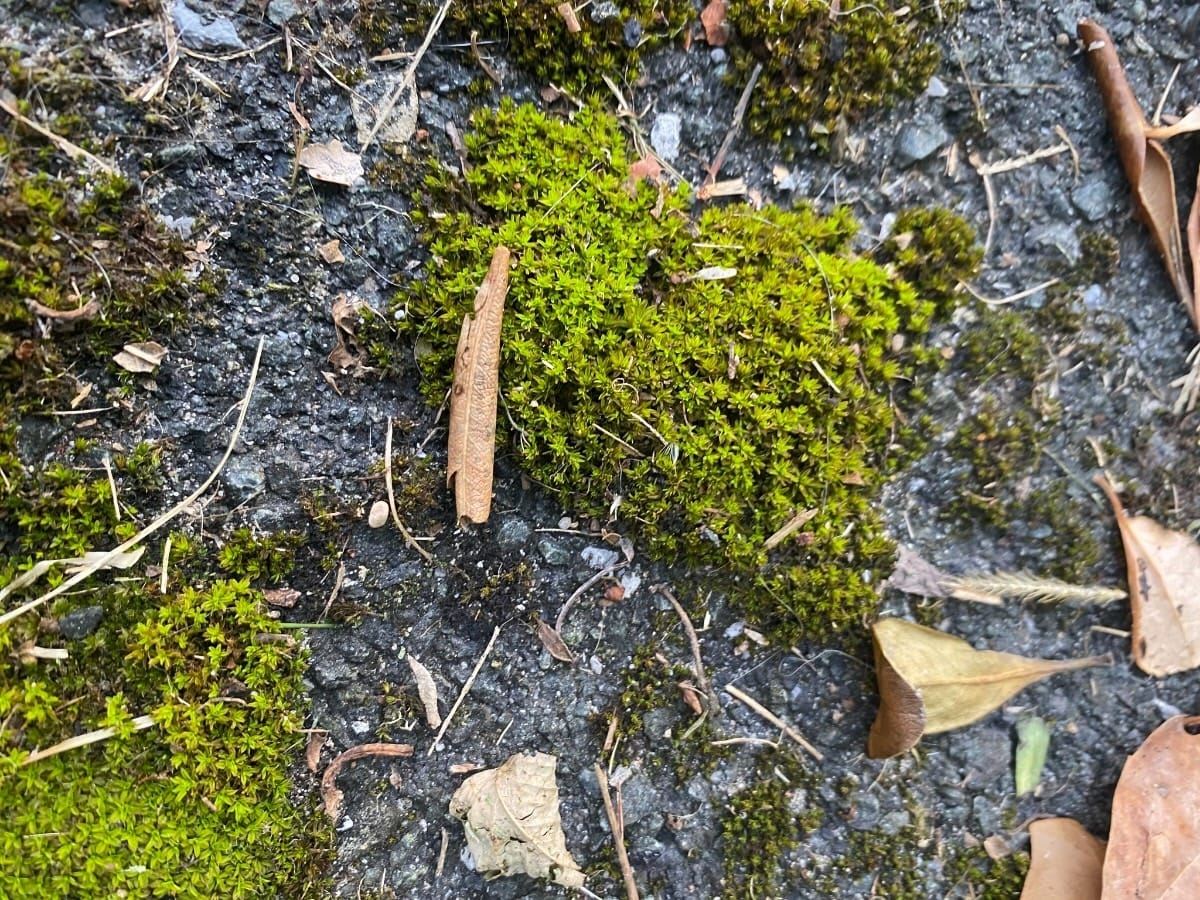
Mosses adapted to open, sunny environments generally grow in small, low, and dense tufts. Bryophytes with more complex structures, on the other hand, tend to form larger, branched clusters organized in multiple layers, resembling a small forest. Both growth strategies drastically reduce the penetration of sunlight into the interior of the moss. Since tardigrades move exclusively within the inner water film and not on the outer surface, they inhabit an environment where light is extremely scarce. In these shaded areas, visual stimuli become irrelevant, reducing the evolutionary advantage of having eyes and favoring eyeless individuals.
The study by Matsko and colleagues also revealed strong spatial aggregation, with more than 70% of eyeless tardigrades concentrated in just 20% of the samples. Although aggregation influences these communities, the study demonstrates that the physical structure of bryophytes serves as an important environmental filter at the microscopic scale.
So, the next time you see a clump of moss, remember that its plant architecture creates a hidden world that even shapes how its inhabitants perceive their environment.
READ THE ARTICLE:
Matsko, Y.; Miler, K.; Poprawa, I.; Stec, D. Microhabitat structure predicts eye presence in bryophyte-dwelling tardigrade communities, Applied Soil Ecology, 226. https://doi.org/10.1016/j.apsoil.2026.107308
Portuguese translation by Giovana O. Reis
Cover Picture by petit_bonnier (iNaturalist, CC BY-NC 4.0).