
I’ve been testing the new web design this week, checking to see if Hot Botany, the page that predicts things to see near you, works. I tested it with a few locations and found something odd in Central Park, New York. Monotropa uniflora, the Ghost Pipe, is the most spotted plant in the past two weeks, but there’s no record of them being spotted at this time of year from 2020 to 2025. What’s going on?
Well first, there’s a sampling error, there are no Ghost Pipes in Central Park, as far as I know.* The default search radius is 50km, when you focus closer at 25km or 10km, the Ghost Pipes disappear. But still, there are actual Ghost Pipe observations relatively close to New York. One cluster appears to be near Rockaway, New Jersey, about an hour west of New York, and another has been spotted by Farmingdale, Long Island, a similar distance to the east. And these Ghost Pipes have not been recorded in the past seven years till now.
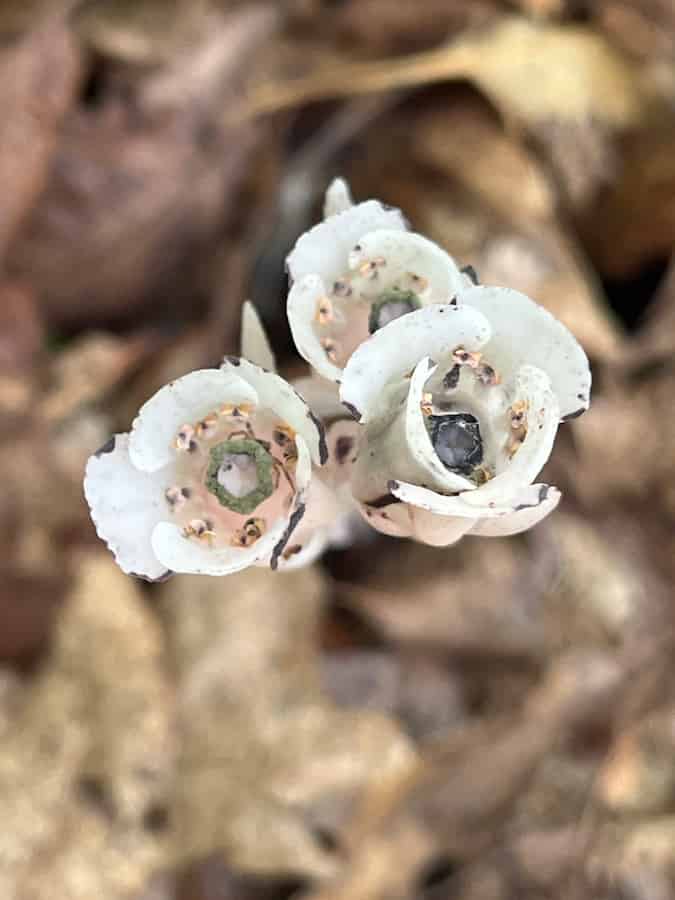
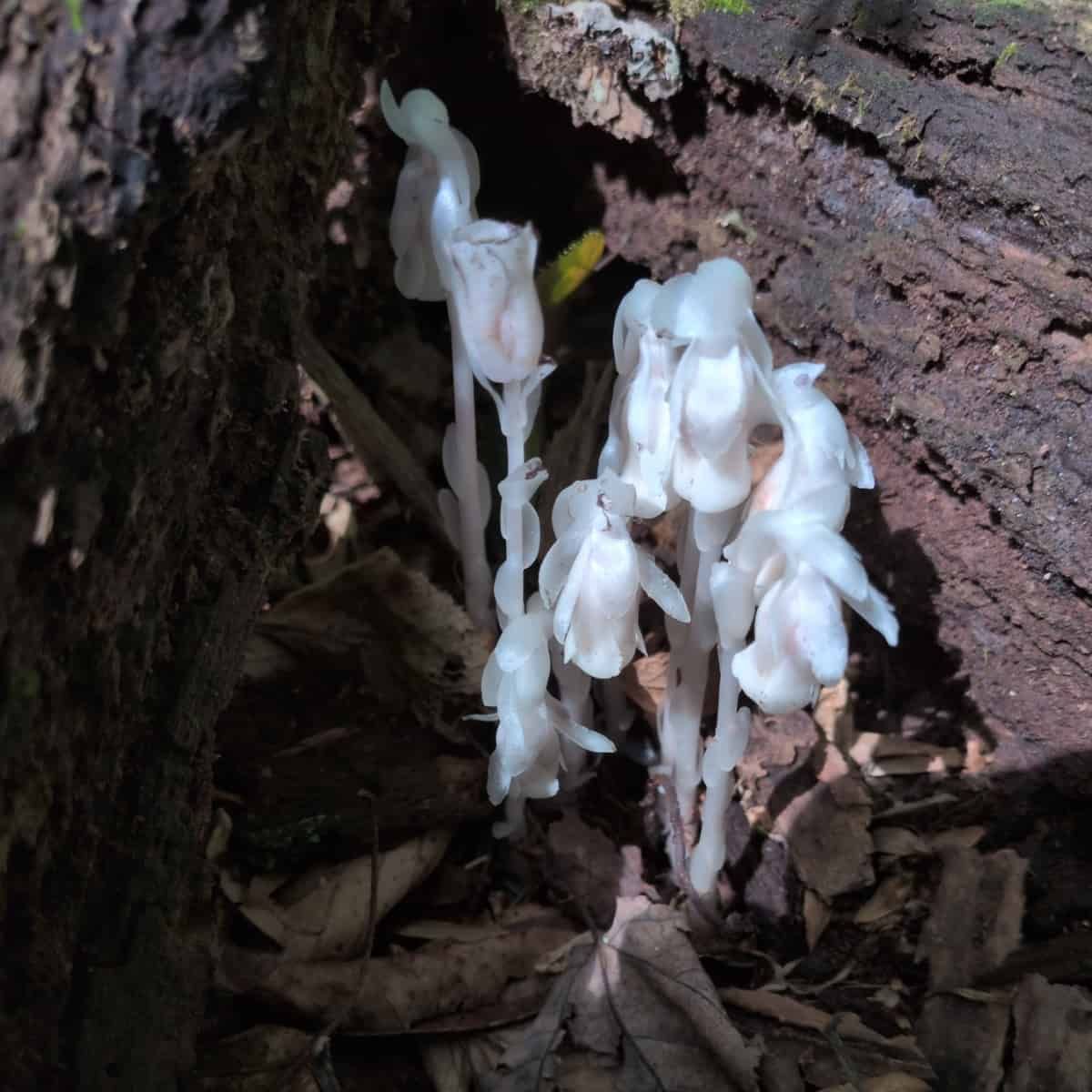
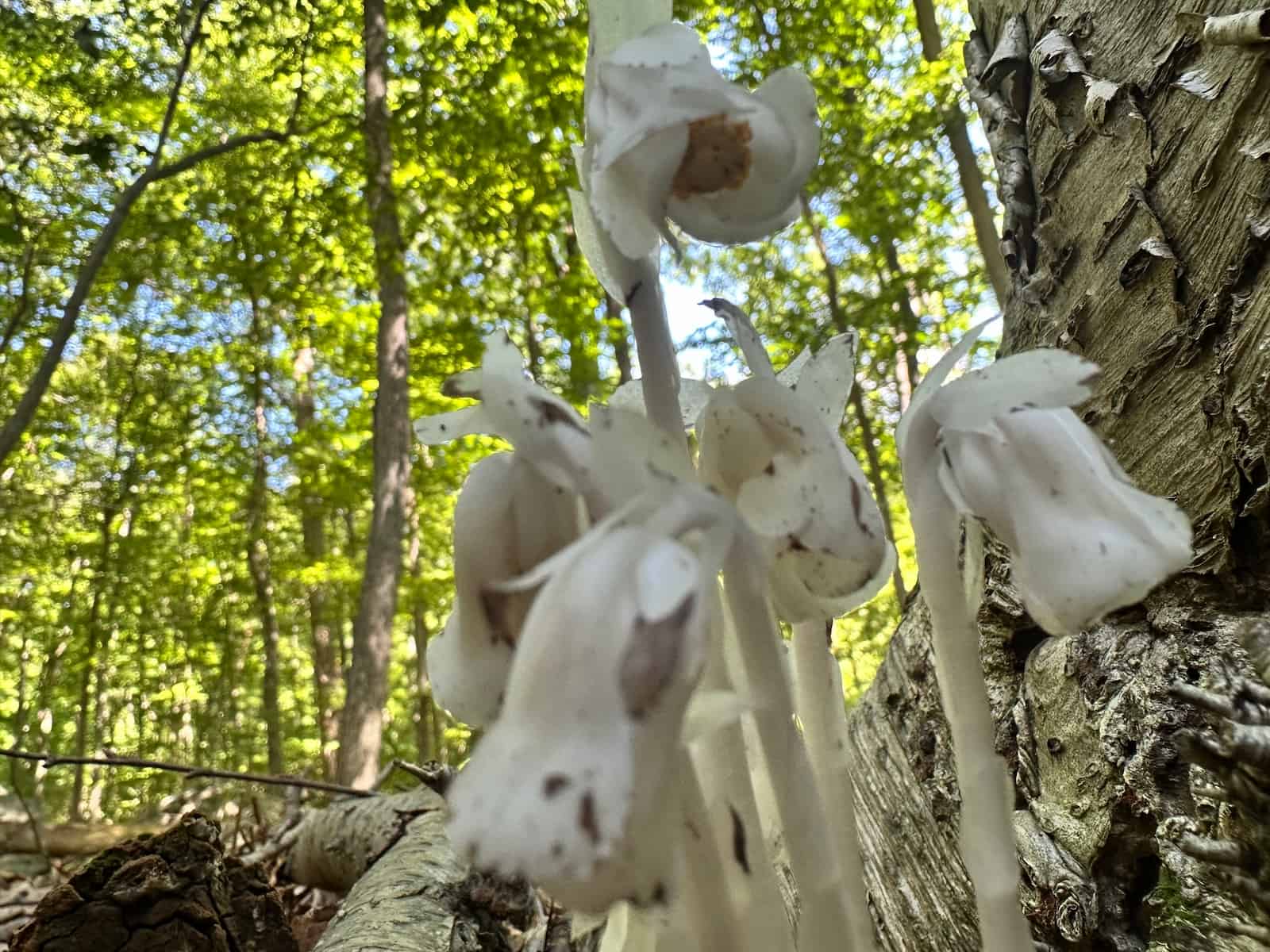
A Ghost Pipe is a member of the Ericaceae, the heather family. It’s not just heathers you find in the family, there’s also cranberries and blueberries among other things, but the Ghost Pipe is weird. It gets it name from its colour, or rather its eerie lack of colour. A Ghost Pipe is white. Not white flowers, or white berries, but white, shading to pink or purple. The crucial element is there’s no green, and that’s because unlike most plants, Ghost Pipes don’t waste their time photosynthesising.
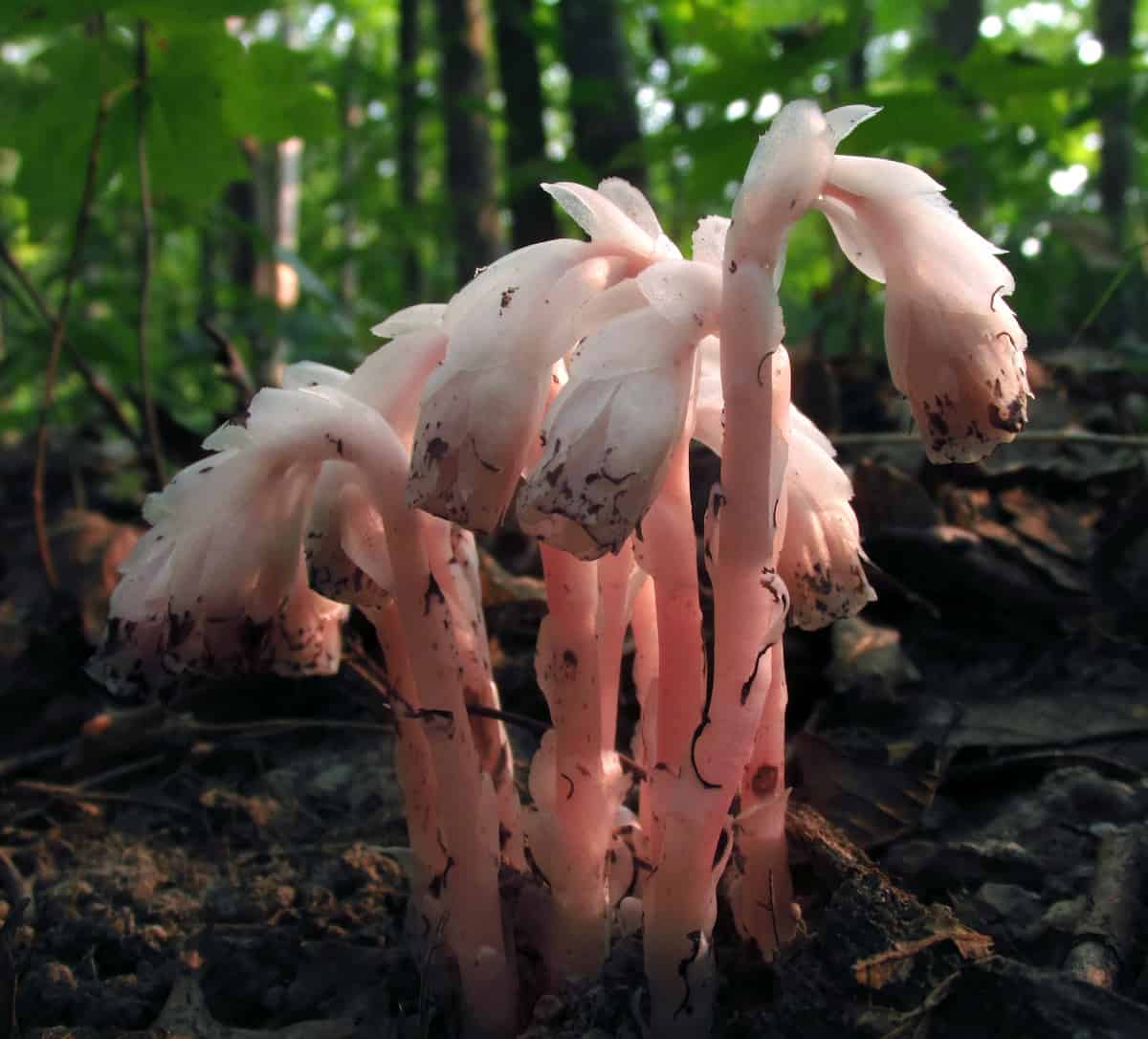
Instead of making their own food, Ghost Pipes steal it by tapping into fungi, who are connected to other plants. This secures them the carbohydrates and other nutrients that the plant needs to grow. Despite stealing its food, the plant still makes leaves that serve no purpose, because the genes that make the all important flower for pollination are compelled to make leaves as well.
There are three broad clusters of Monotropa uniflora around the world. They’re found in North America, Central America and, oddly, halfway around the world in Asia. It’s typically found in shaded forests, because the dark isn’t a problem when you’re not photosynthesising. Hiding in the dark might well be a good idea for the plant in the future, as it seems it’s getting adopted as a medicinal plant. One person’s medicine is another’s poison, so I wouldn’t suggest mucking around with it experimentally, even touching it may cause discomfort.
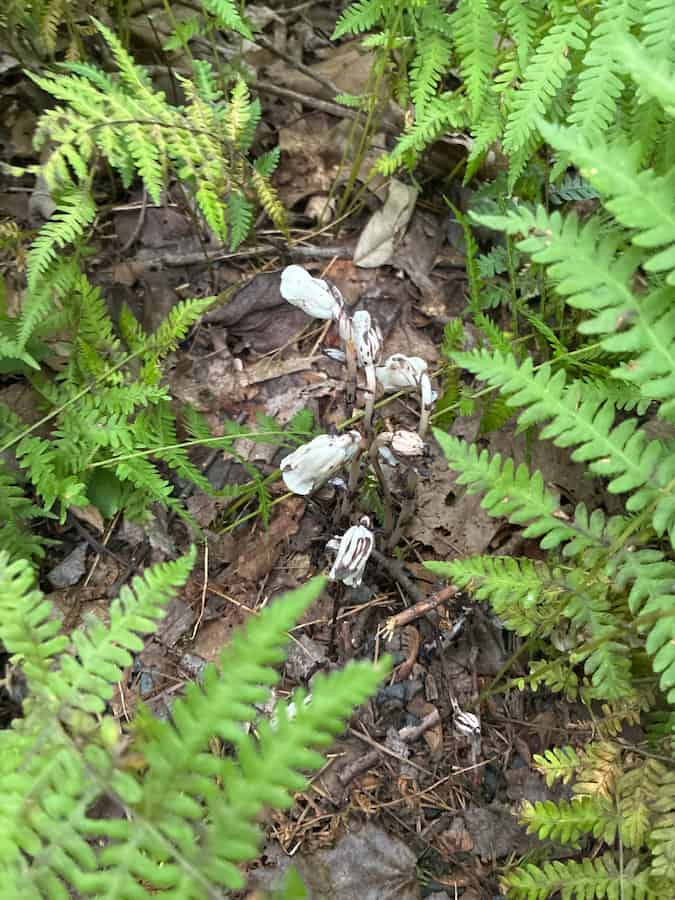
As to why now why there's a rise in records of Ghost Pipe sightings compared to previous years, I’ve no idea. It's such a common plant that it must have a social explanation, rather than a biological explanation. For example, maybe there are a few more people using iNaturalist and the observations are more a measurement about how active users are, rather than the plant. But I also think that the limited searching I’m doing with Hot Botany can make a small spike of observations look more significant than it is. This is not a rare plant, and you have a good change of finding it, if you live in the right area. If more people use apps like iNaturalist or Pl@ntNet, then we might get a better view of the data, and what’s going on in future years.
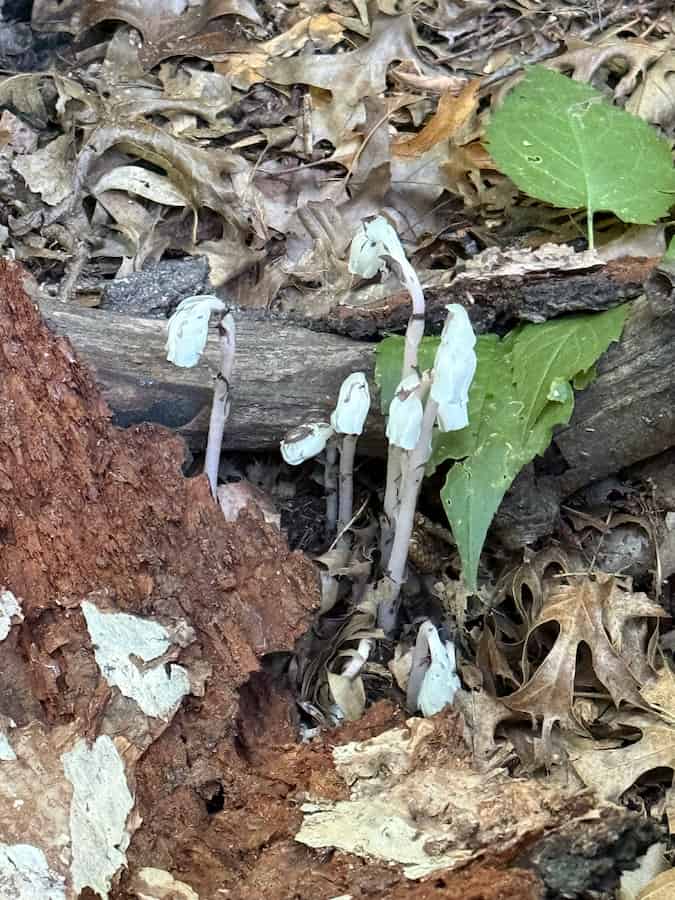
* And while finishing up adding photos for this, I found that Oliver Clarke has found a Ghost Pipe in Central Park. It’s slightly outside the two week window, but close enough. So, with a little patience, you can find them in the heart of New York.
Cover image: Monotropa uniflora by ct241 / iNaturalist CC BY-NC.