
Plants are incredibly diverse, and so are botanists! In its mission to spread fascinating stories about the plant world, Botany One also introduces you to the scientists behind these great stories.
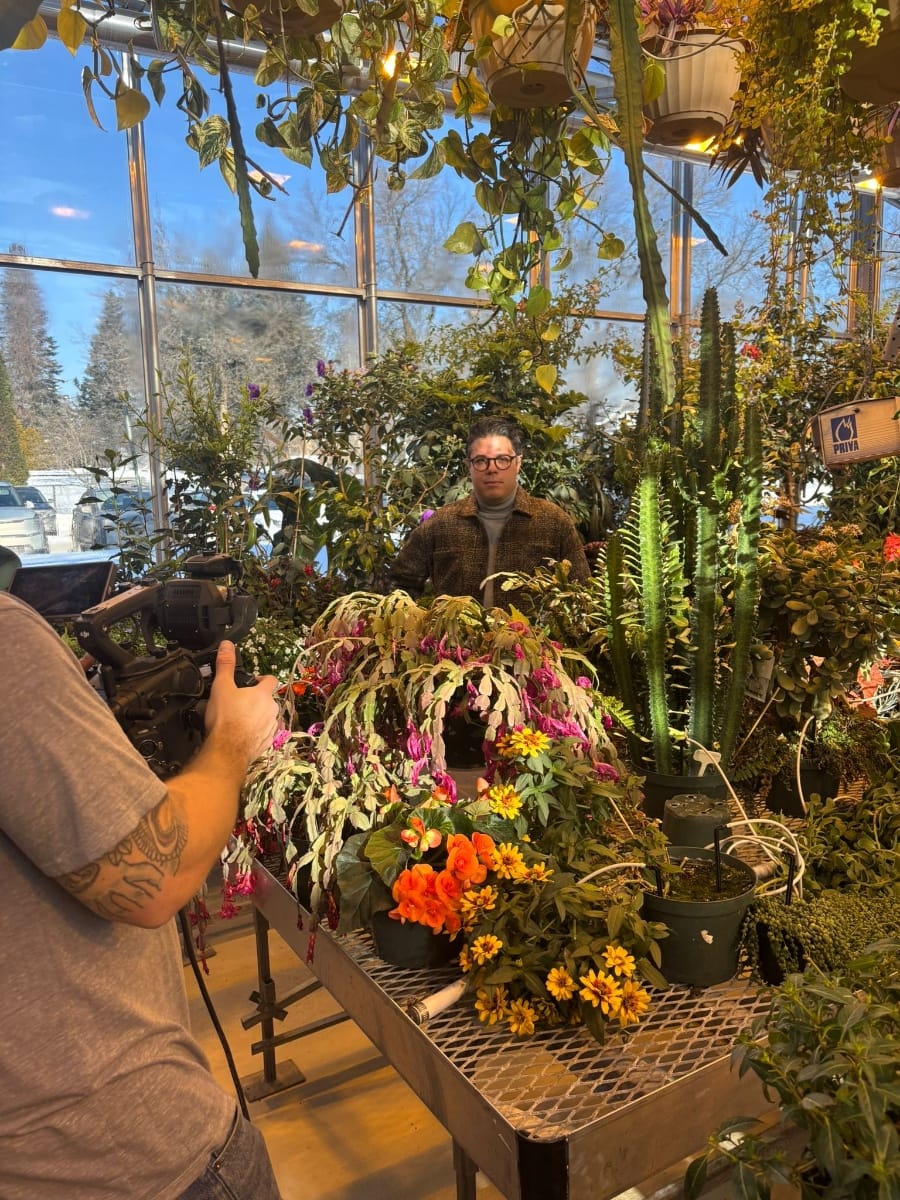
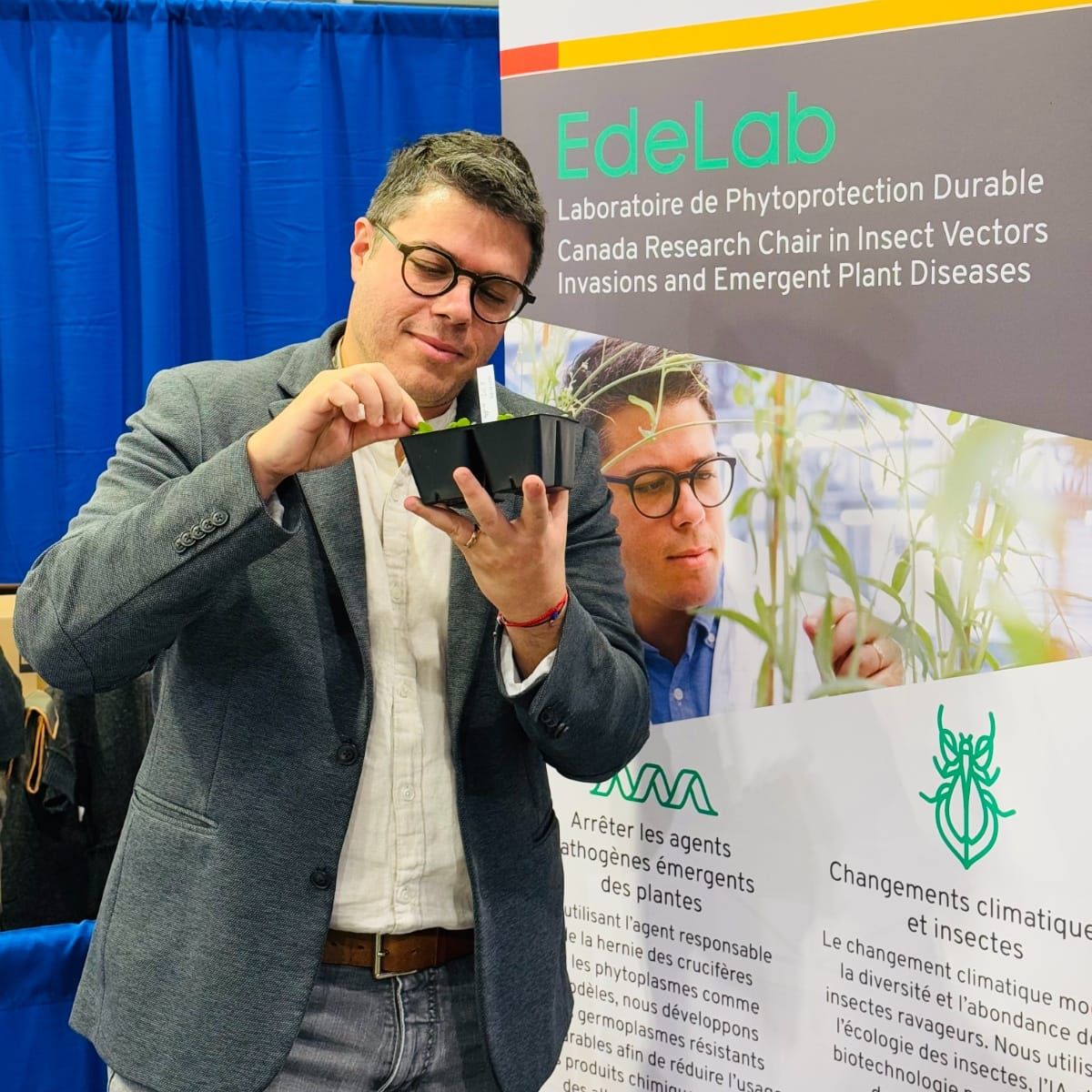
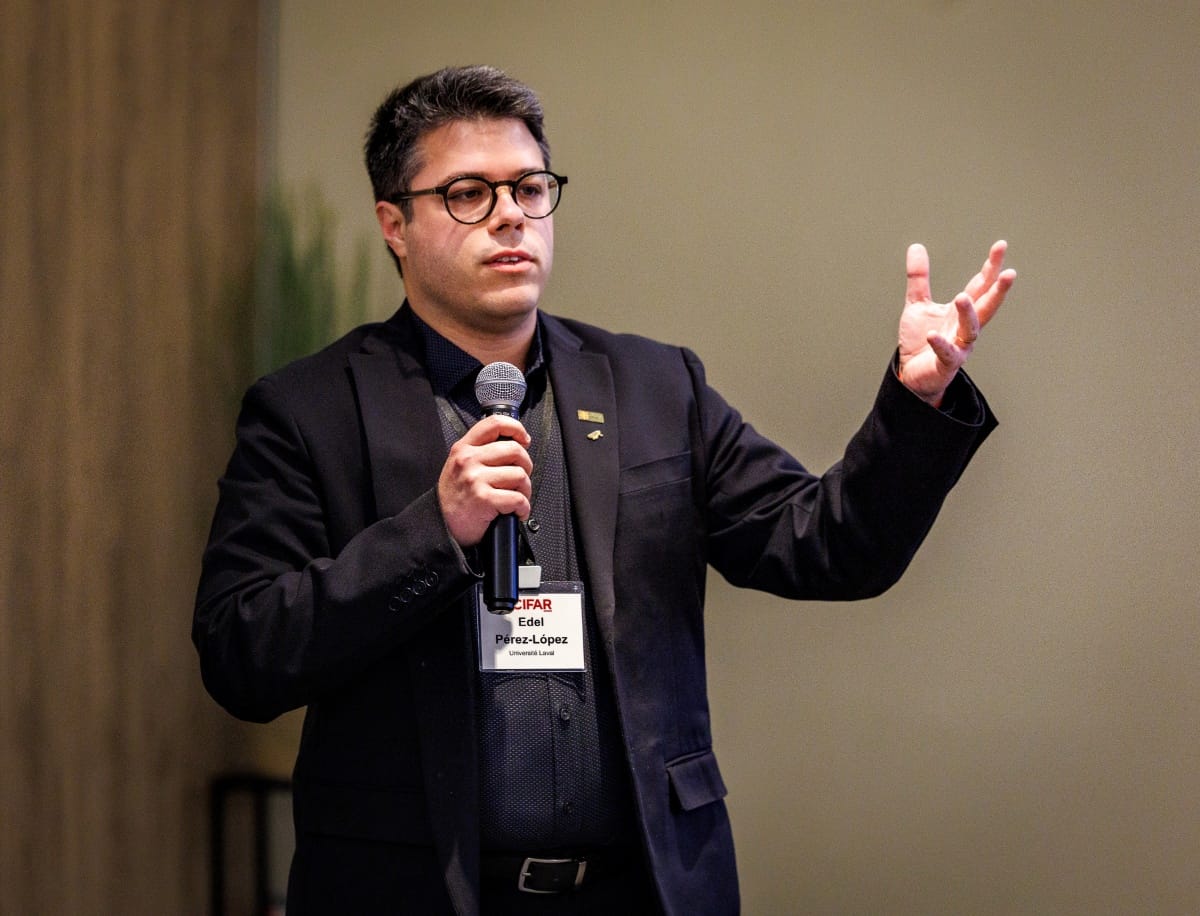
Today, we have Dr Edel Pérez-López, an Associate Professor and Canada Research Chair in insect vector invasions and emergent plant diseases at Université Laval, where he leads a research group focused on plant pathogens and their insect vectors. Pérez-López's work sits at the intersection of plant pathology, entomology, genomics, and artificial intelligence. Broadly, his group aims to understand how plant pathogens interact with their hosts and how insects contribute to the spread of these diseases.
Pérez-López's team currently focuses on two main research lines. The first centres on Plasmodiophora brassicae, the causal agent of clubroot disease in Brassica crops, such as cabbages, turnips and broccoli. They use genomics, AI, and functional biology to identify resistance genes and support the development of durable resistant varieties. The second line focuses on leafhoppers, which are key vectors of bacterial and viral plant diseases. Here, they study their ecology, migration patterns, and interactions with host plants under changing climates.
Across both lines, they integrate genomic tools, predictive modelling, and AI-driven approaches. Ultimately, Pérez-López's team's goal is to contribute to sustainable agriculture by reducing pesticide use while improving crop resilience. You can follow their work and updates through the lab’s social media and outreach platforms, where we regularly share research highlights and field experiences, including LinkedIn, Bluesky and Facebook.
What made you become interested in plants?
Funny enough, I was not particularly interested in plants during my early studies in biochemistry. In fact, plant morphology was one of the courses I found most challenging. Plants are far more complex than people tend to think, and their diversity is overwhelming; there is always an exception to every rule, which can be both frustrating and fascinating.
My perspective changed toward the end of my undergraduate degree, when I became intrigued by plant pathology. I had the opportunity to work in a plant bacteriology lab, and that experience completely shifted my mindset. What fascinated me was not only the pathogen itself but also the plant’s ability to respond to infection. Plants are incredibly dynamic systems, constantly sensing and reacting to their environment.
That was the moment when I realised that plants are not passive organisms; they are active, responsive, and highly sophisticated. The complexity of plant–microbe interactions, combined with their direct importance for food production and ecosystems, made the field intellectually exciting and meaningful. From that point on, I was hooked.
What motivated you to pursue your current area of research?
My path into research was not linear, which I think shaped my perspective in a very positive way. After completing my undergraduate degree in Cuba, I worked for two years in a research institute closely linked to the agricultural industry, particularly fruit and citrus production. This experience exposed me to real-world challenges faced by growers and the direct impact of plant diseases on livelihoods.
Working alongside producers, seeing the consequences of crop losses, and contributing to practical solutions gave me a strong sense of purpose. It was during this time that I became deeply motivated to continue in plant pathology, but with a stronger scientific foundation. That led me to pursue a PhD, supported by a scholarship from the Mexican government.
During my doctoral work, I focused on a major disease affecting maize in Latin America, working with native maize varieties in Mexico, the center of origin and domestication of this crop. This experience reinforced my interest in combining fundamental science with applied outcomes. It also highlighted how cultural, ecological, and agricultural contexts intersect, which continues to motivate my research today.
What is your favourite part of your work related to plants?
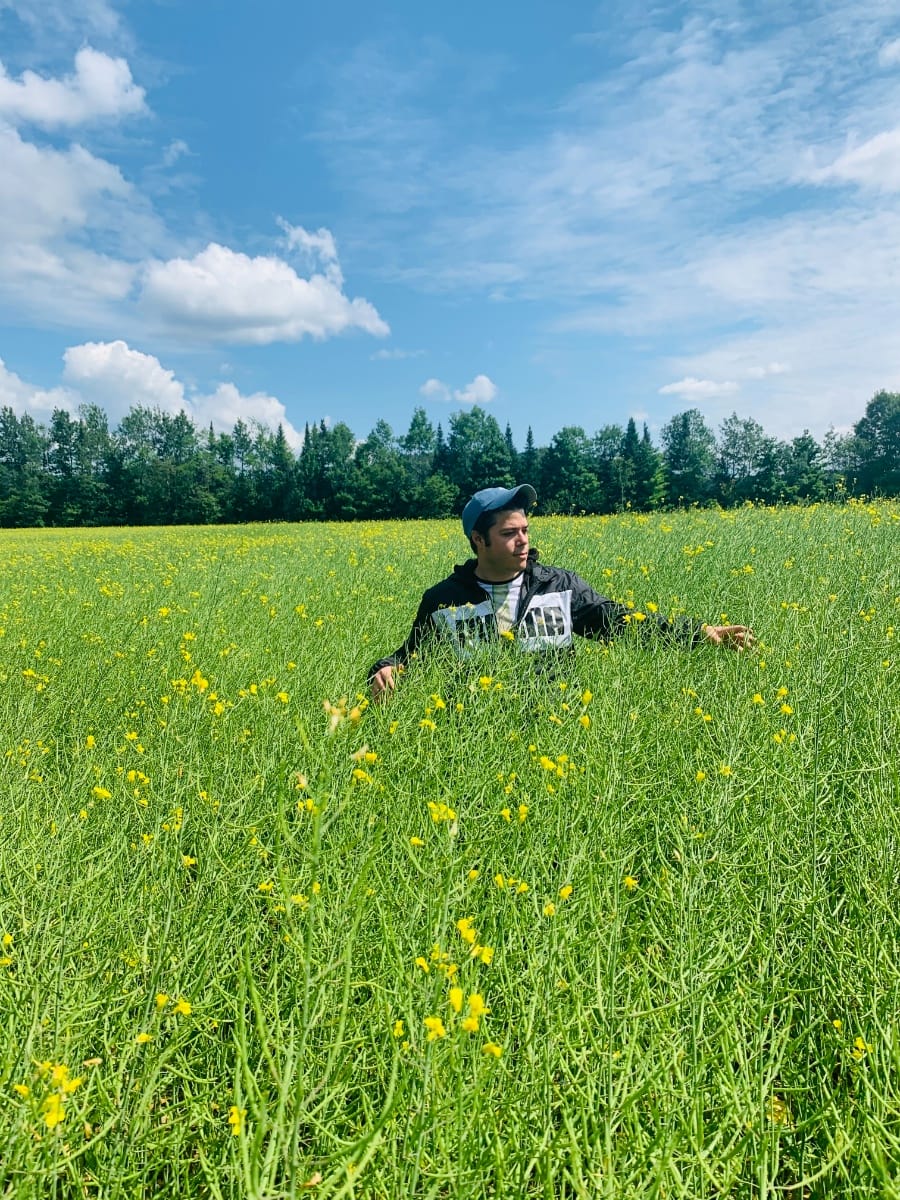
One of my favourite aspects of working with plants is the constant opportunity to discover something new. Watching plants grow, develop, and respond to different conditions, especially under disease pressure, is always fascinating. There is something uniquely rewarding about observing phenotypes that no one has seen before, particularly when working with new or engineered plant lines.
Plants also offer a remarkable experimental system. They allow us to test hypotheses at multiple levels, from molecular interactions to whole-organism responses. Seeing how small genetic or environmental changes translate into visible traits is incredibly satisfying.
Beyond the scientific aspect, there is also a deeper appreciation that comes from working with plants. They are the foundation of our food systems and ecosystems. Studying them connects directly to food security, sustainability, and human well-being.
Are any specific plants or species that have intrigued or inspired your research? If so, what are they and why?
Yes, interestingly, my fascination with plants began with mosses. During secondary school, I had a biology teacher who kept a small terrarium filled with mosses in her office. She used it to teach us about plant development and life cycles, and I remember being completely captivated by their structure and growth. Mosses may seem simple at first glance, but they are incredibly elegant systems. Their life cycle, their ability to thrive in humid environments, and their reproductive structures all fascinated me. That early exposure sparked my curiosity about plant biology.
Although my career did not ultimately focus on mosses, they are quite a niche field, I still feel a strong connection to them. Whenever I encounter mosses in nature, especially in humid forests or shaded environments, I always take a moment to observe them closely. It feels like reconnecting with the origin of my scientific curiosity.
Could you share an experience or anecdote from your work that has marked your career and reaffirmed your fascination with plants?
One of the most impactful experiences in my career has been working directly with farmers. During my PhD, I spent time in small agricultural communities in the mountains of southeastern Mexico. These were not large-scale industrial farms, but small family plots where agriculture is deeply tied to daily life.
I vividly remember watching farmers harvest maize by hand, clean it, and prepare it for consumption. Seeing the entire process, from plant to food, was incredibly powerful. It made me realise how disconnected many of us are from the origins of what we eat.
These moments were scientifically meaningful and deeply human. For these families, crops are not just commodities; they are central to their food security, culture, and economic stability. Witnessing this firsthand reinforced the importance of our work. It reminded me that plant science is not only about understanding biological systems but also about contributing to livelihoods and communities. That perspective continues to guide and motivate my research today.
What advice would you give young scientists considering a career in plant biology?
My main advice would be: be patient and stay curious. Plants are often underestimated; they are not “simple” organisms. On the contrary, they are incredibly complex and full of surprises. Progress in plant biology can sometimes feel slow, but persistence is key.
I would also encourage young scientists to embrace interdisciplinary approaches. Some of the most exciting advances in plant science today come from integrating genomics, ecology, computational tools, and even artificial intelligence. Being open to learning new methods and collaborating across fields can make a big difference.
Another important point is to connect your research to real-world challenges. Whether it is food security, climate change, or sustainable agriculture, plant biology has a direct impact on society. Keeping that perspective can be very motivating. Finally, don’t be afraid of non-linear paths. Careers in science are rarely straightforward, and diverse experiences, whether in industry, fieldwork, or different countries, can enrich your perspective and shape your research in meaningful ways.
What do people usually get wrong about plants?
One of the biggest misconceptions is that plants are simple or passive organisms. In reality, plants are incredibly sophisticated. They sense their environment, communicate chemically, and respond dynamically to stress, pathogens, and even neighbouring plants. Another common misunderstanding is that working with plants is “easy.” In fact, plant biology requires a great deal of patience. Experiments can take weeks or months, and variability is often high because plants respond to subtle environmental changes.
People also tend to underestimate the importance of plants in our daily lives. Beyond being food sources, they are central to ecosystems, climate regulation, and even human health. Without plants, life as we know it would not exist. So, if anything, plants deserve more recognition.