Cells, Genes & Molecules
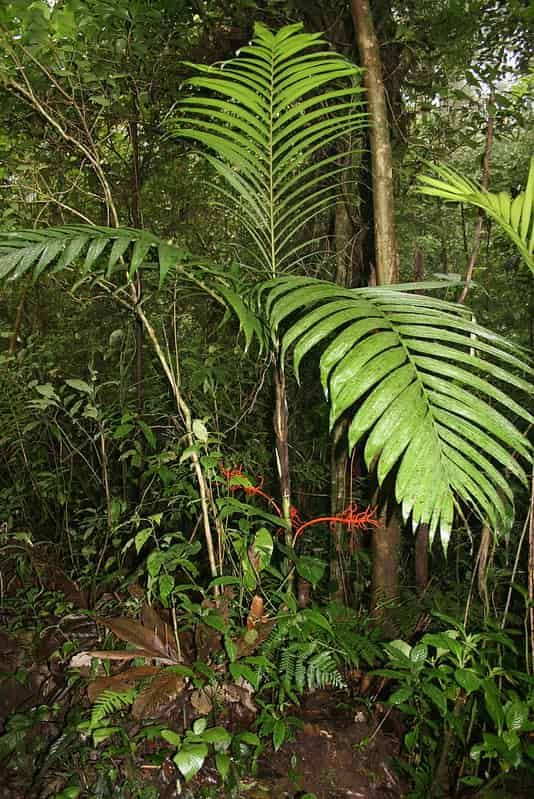
The travel of Costa Rican palms revealed by their genetic footprints
Genetic analysis of a popular Costa Rican palm suggests that its genetic diversity could suffer from human action.



Writer
Alun (he/him) is the Producer for Botany One. It's his job to keep the server running.
Cells, Genes & Molecules
Genetic analysis of a popular Costa Rican palm suggests that its genetic diversity could suffer from human action.
Cells, Genes & Molecules
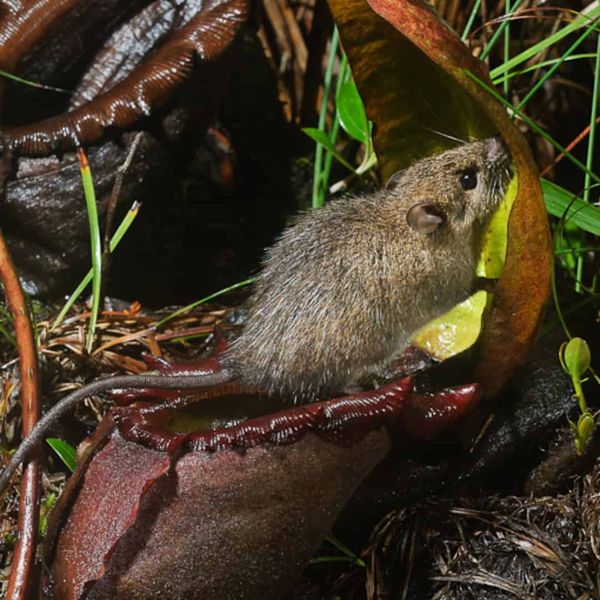
Hunting at high altitude, where the insects are few, can be difficult. Quite a few pitcher plants prefer to wait for a delivery.
Growth & Development
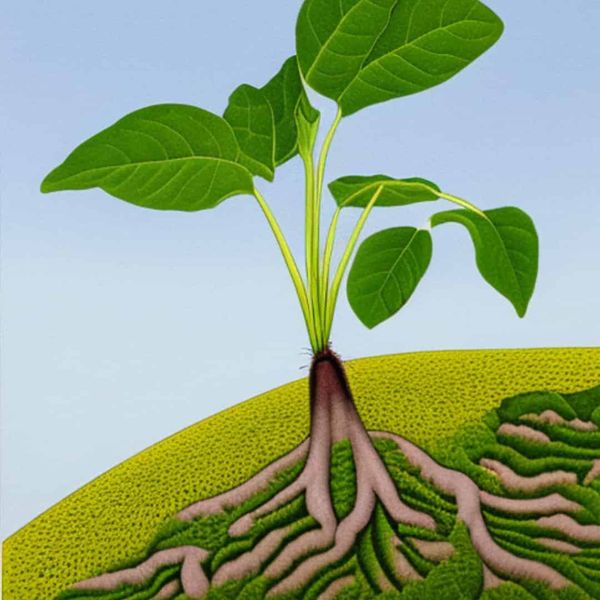
Do plants invest more in a live-fast and die-young strategy, or take it slow and steady? Botanists have found that the appearance above the ground might not reflect what’s happening in the roots.
Close Encounters
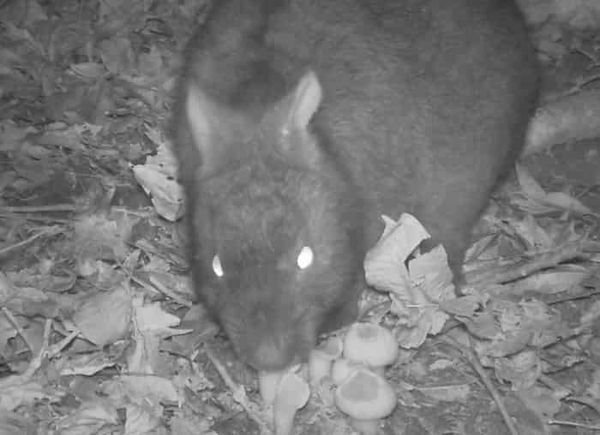
Rabbits tend to nibble on vegetation rather than dry fruits, but the black Amami rabbits of Japan seem to be eating the fruits and spreading the seeds of an unusual plant.

Ecosystems
Visscher and colleagues propose that global analyses of seed traits with evidence for geographical variation prioritize the generation of new data from tropical regions as well as multi-lingual searches to fill geographical and taxonomic gaps.

Growth & Development
Bilateral flowers tend to receive less pollen than radial flowers, so why would a plant want a bilateral flower?
Cells, Genes & Molecules
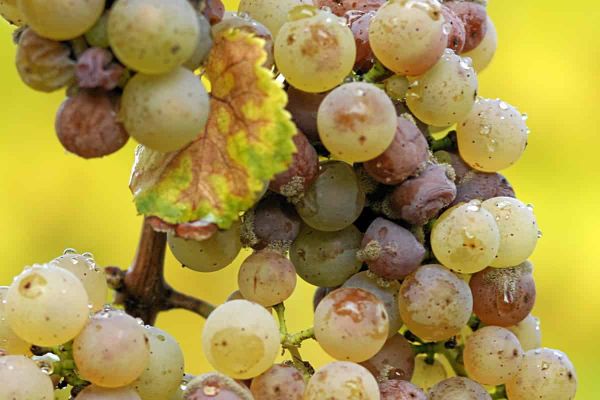
The fungus Botrytis cinerea can infect many plants, but how can it get past so many different defences? Does it have a variety of tools or one highly effective tool?
Close Encounters
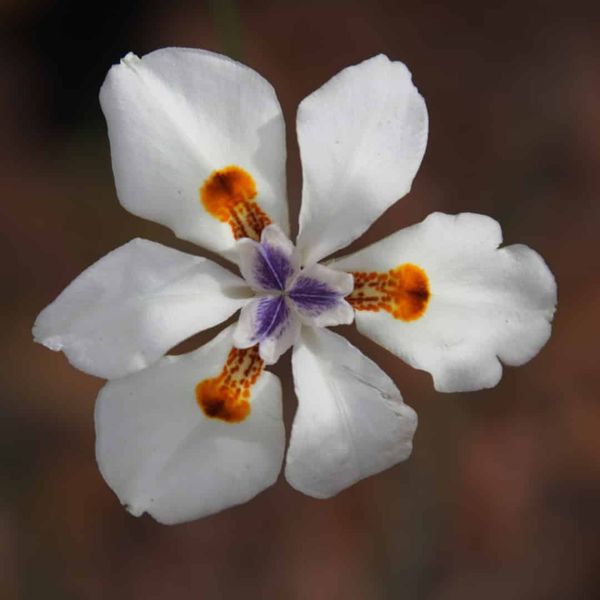
A bee can approach a flower from any direction, but markings on the flower help guide bees in the most effective way, like a natural air traffic control.
Close Encounters
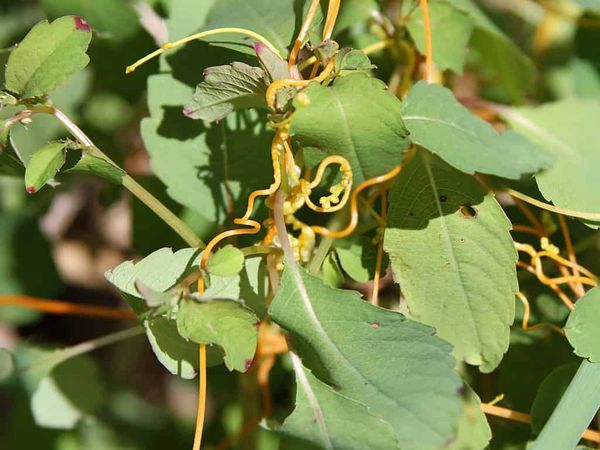
Scaldweed, Cuscuta grovonii, can prevent an invasive plant from using soil microbes to help invade territory – and the parasite can even become more vicious by using those same microbes against its invasive host.
Taxonomy & Evolution
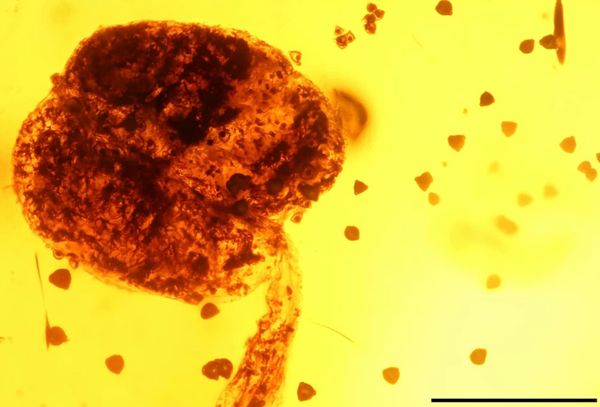
The flower, first discovered over 150 years ago, has yielded new clues from its pollen.
Cells, Genes & Molecules
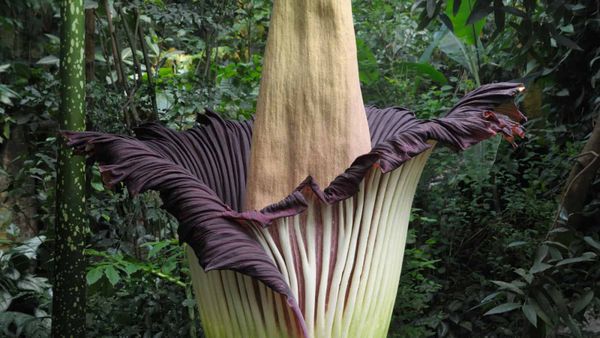
The Titan arum produces a smell like rotting flesh. Now botanists have analysed the chemicals and found that the smell changes over the two days that the plant flowers.
Growth & Development
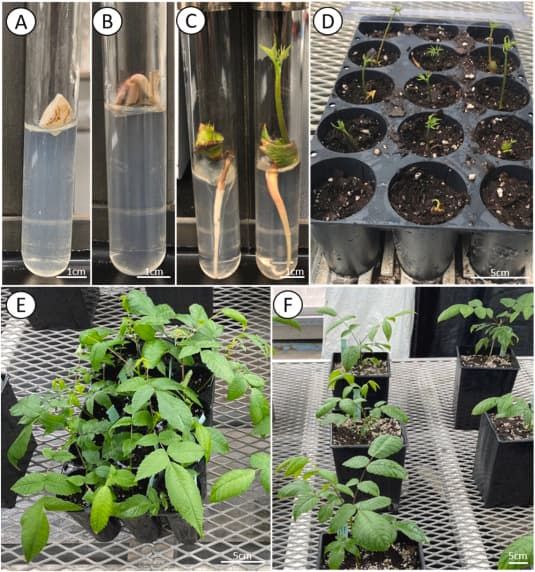
If you wonder how cool cool is, it’s at least -196 ℃ (-320 ℉).