Close Encounters
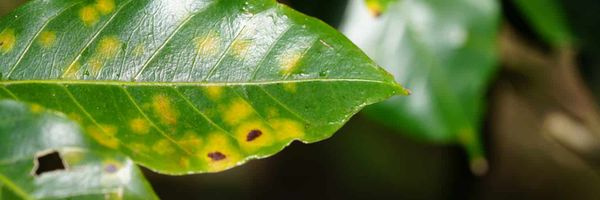
Coffee Plants Adapt Leaf Traits in Response to Fungal Disease, Study Finds
The study provides valuable insights into plant-pathogen interactions with implications for agriculture, ecology, and climate change resilience.



Writer
Alun (he/him) is the Producer for Botany One. It's his job to keep the server running.
Close Encounters
The study provides valuable insights into plant-pathogen interactions with implications for agriculture, ecology, and climate change resilience.
Growth & Development
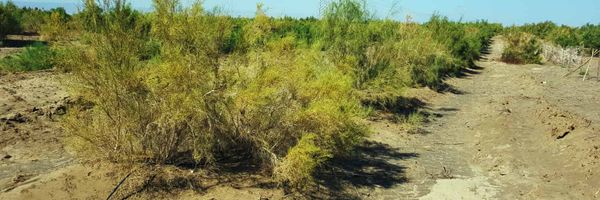
One way to preserve plants suffering from rising temperatures is to relocate them in new areas that have become suitable for them. But when a plant grows in the sands of a harsh desert, you don’t want that habitat to expand.
Ecosystems
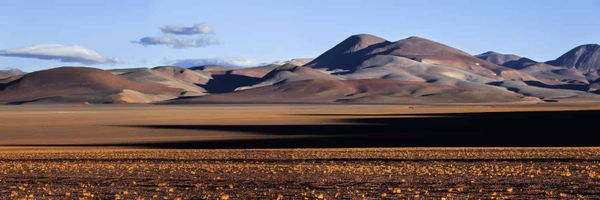
Rewilding – the practice of reintroducing wild flora and fauna into their natural habitats – is a conservation strategy gaining traction worldwide. Carlos Navarro and colleagues have examined

Close Encounters
Researchers reveal the delicate balance plants must maintain to maximize their pollen donation to pollinators.

Ecosystems
Phenocams, cameras that monitor leaf function, offer a promising new method to track and detect the impact of climate change on ecosystems, helping conservation efforts and ensuring long-term resilience.

Cells, Genes & Molecules
Warming temperatures and land reclamation are causing a significant increase in harmful greenhouse gas emissions from alpine meadows, intensifying the effects of climate change.
Ecosystems
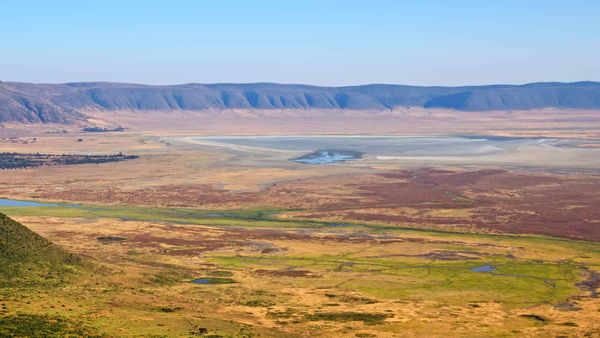
Researchers have found a more eco-friendly way to tackle a plant that’s replacing forage for the wildlife of Tanzania.
Close Encounters
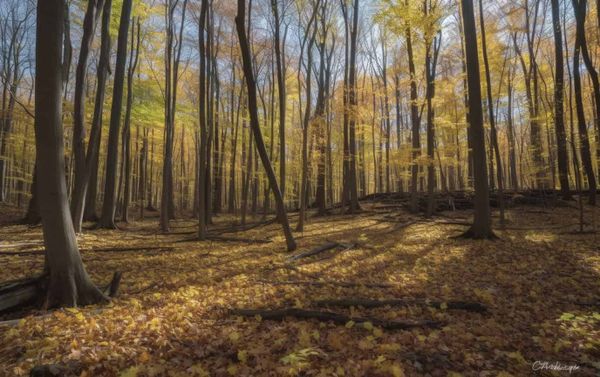
New research reveals that Beech Leaf Disease, which affects trees in the US and Canada, also impacts the vital relationship between trees and their root fungi, shedding light on the hidden consequences of this destructive disease.
Plants & People
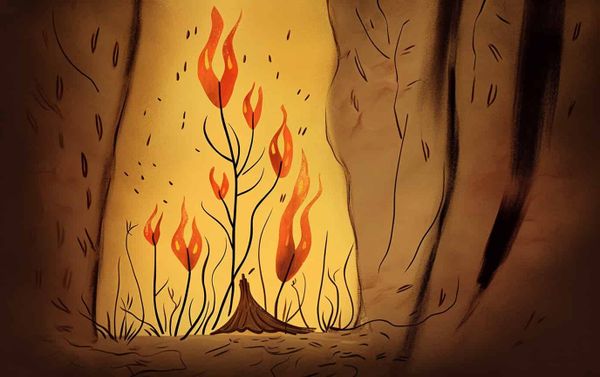
Prehistoric peoples moved in a world where intimate knowledge of plants would have been vital, so why don’t they appear in European Cave Art?
Growth & Development
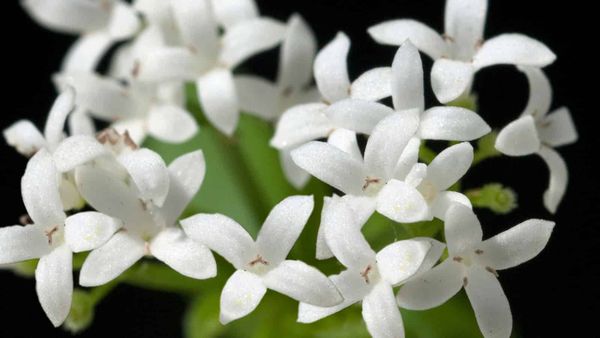
Forest herbs adapt to climate change by adjusting their growth patterns within individual plants, which helps them better capture light and conserve water in response to environmental challenges like drought and shading.
Growth & Development
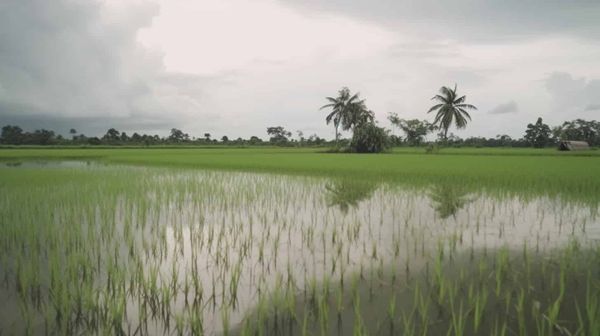
Scientists discover how deepwater rice thrives during floods, providing hope for a sustainable food supply in a changing climate.
Ecosystems
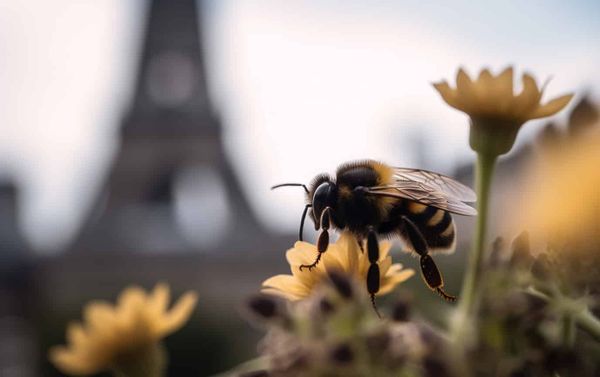
Study reveals effective strategies to promote pollinator diversity and function in dense urban environments like Paris.