
Imagine walking through a tropical forest and breathing in the fragrance of blooming flowers. To us, this scent may simply be pleasant. To a bee, a moth, or a beetle, however, it means much more. It serves as an important signal, guiding them to food sources and helping them identify which flowers are worth visiting.
Flowers do much more than produce nectar and pollen. They also release volatile organic compounds (VOCs), molecules that evaporate easily and disperse through the air. Each plant species produces a unique combination of these compounds, creating a kind of chemical identity. It varies among species, among individuals, and even throughout the lifespan of a single flower.
Over millions of years, plants and pollinators have evolved together, refining this invisible language that allows insects to locate flowers, recognise rewarding resources, and transfer pollen from one plant to another. This communication underpins pollination, a process that is essential for maintaining biodiversity and supporting food production. But this silent conversation may be changing.
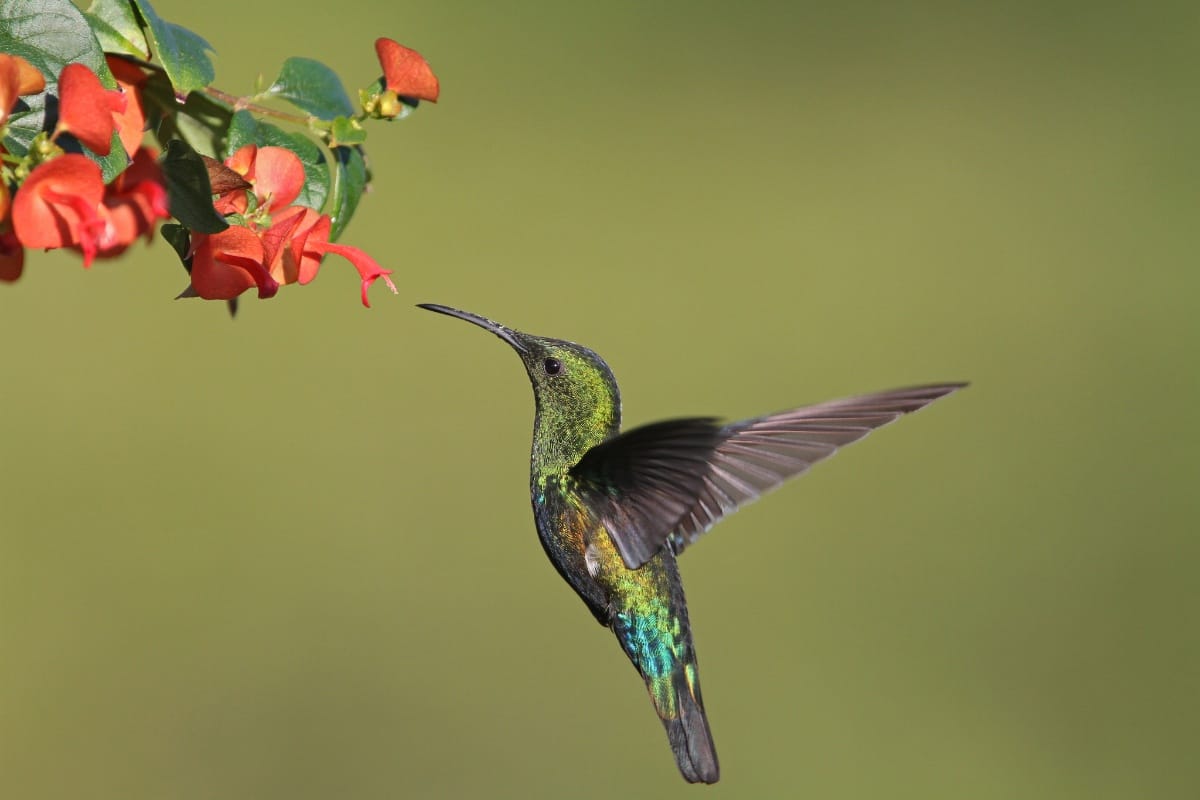
Climate change is real and commonly associated with rising temperatures, droughts, and extreme weather events. However, its impacts can be far more subtle. In a recent review, Ibrahim Salman and colleagues compiled studies showing that warming can also alter floral scents and the way pollinators respond to them. Although this topic has received increasing scientific attention, we still know little about what happens in tropical ecosystems, home to one of the greatest diversities of plants and pollinators on Earth.
According to the paper, rising temperatures have a direct impact on plant-pollinator interactions. The production of floral scents depends on plant metabolism, warming can alter both the amount and the composition of the compounds released by flowers. In some cases, scent emission increases; in others, it decreases or shifts to a different blend of compounds. As a result, flowers may no longer emit the same chemical signals to which their pollinators are adapted.
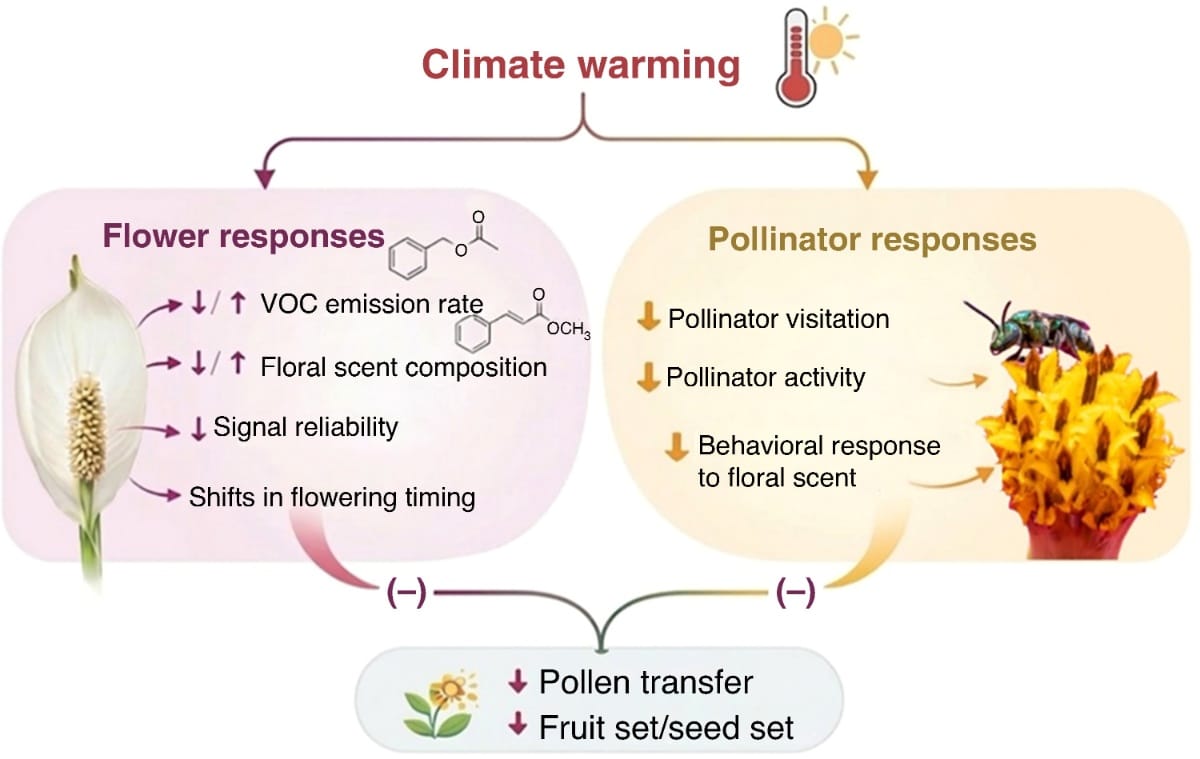
But the effects of warming are not limited to plants. Pollinators themselves also respond to changes in temperature. Bees, flies, and moths are ectothermic animals, meaning that they rely on environmental temperatures to regulate their activity. When temperatures exceed their thermal limits, energy demands increase, the time available for foraging decreases, and their ability to detect floral scents may be impaired. In this way, global warming can simultaneously affect both the sender of the message and the organism responsible for interpreting it.
This situation is particularly concerning in tropical ecosystems. Many tropical species live in environments where temperatures remain relatively stable throughout the year and already operate close to their thermal limits. In addition, many tropical plants depend on highly specialised relationships with their pollinators. When this communication is disrupted, pollination efficiency may decline, reducing fruit and seed production and ultimately affecting the functioning of the entire ecosystem.
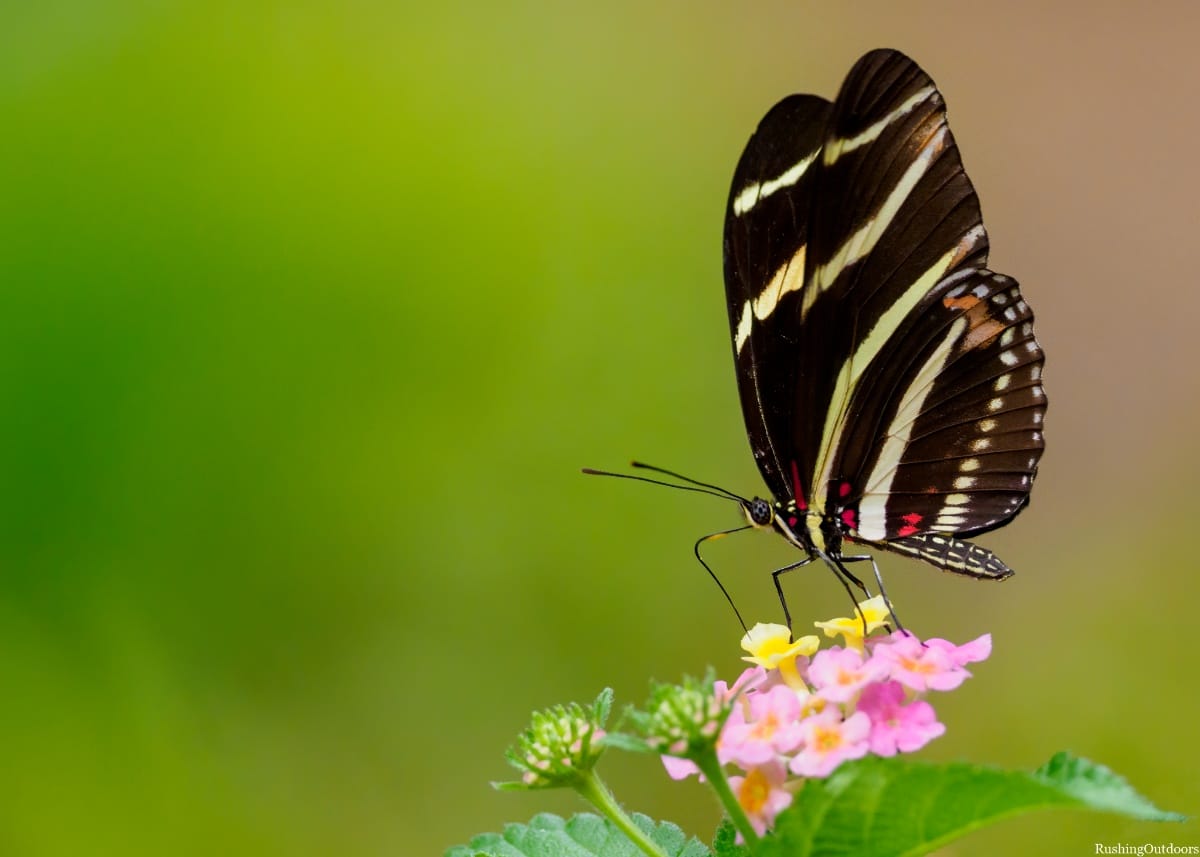
Despite the importance of this topic, many questions remain unanswered. The authors emphasise the need for long-term monitoring of flowering, further investigation into how floral scents respond to increasing temperatures, and a better understanding of how different pollinators perceive these changes. Such information will be essential for predicting how plant–pollinator interactions may change in the coming decades.
Overall, the study shows that climate change may affect nature in far subtler ways than we often imagine. Long before species disappear or a landscapes to be visibly transformed, an interaction shaped over millions of years may be lost. Almost imperceptible changes in floral scents can make it more difficult for plants and pollinators to find each other, disrupting a process that is fundamental to plant reproduction and biodiversity conservation. So, it is important to understand the effects of climate change on ecological processes that often go unnoticed. After all, the future of tropical forests may depend not only on the presence of flowers and pollinators, but also on the perfumed language that connects them.
READ THE ARTICLE:
Salman INA, Wcislo WT, Winter K, Slot M. 2026. Warming effects on floral volatile organic compounds and plant–pollinator interactions in tropical ecosystems. Annals of Botany 137: 2055-2071. https://doi.org/10.1093/aob/mcag075
Portuguese translation by Marcela Bastos.
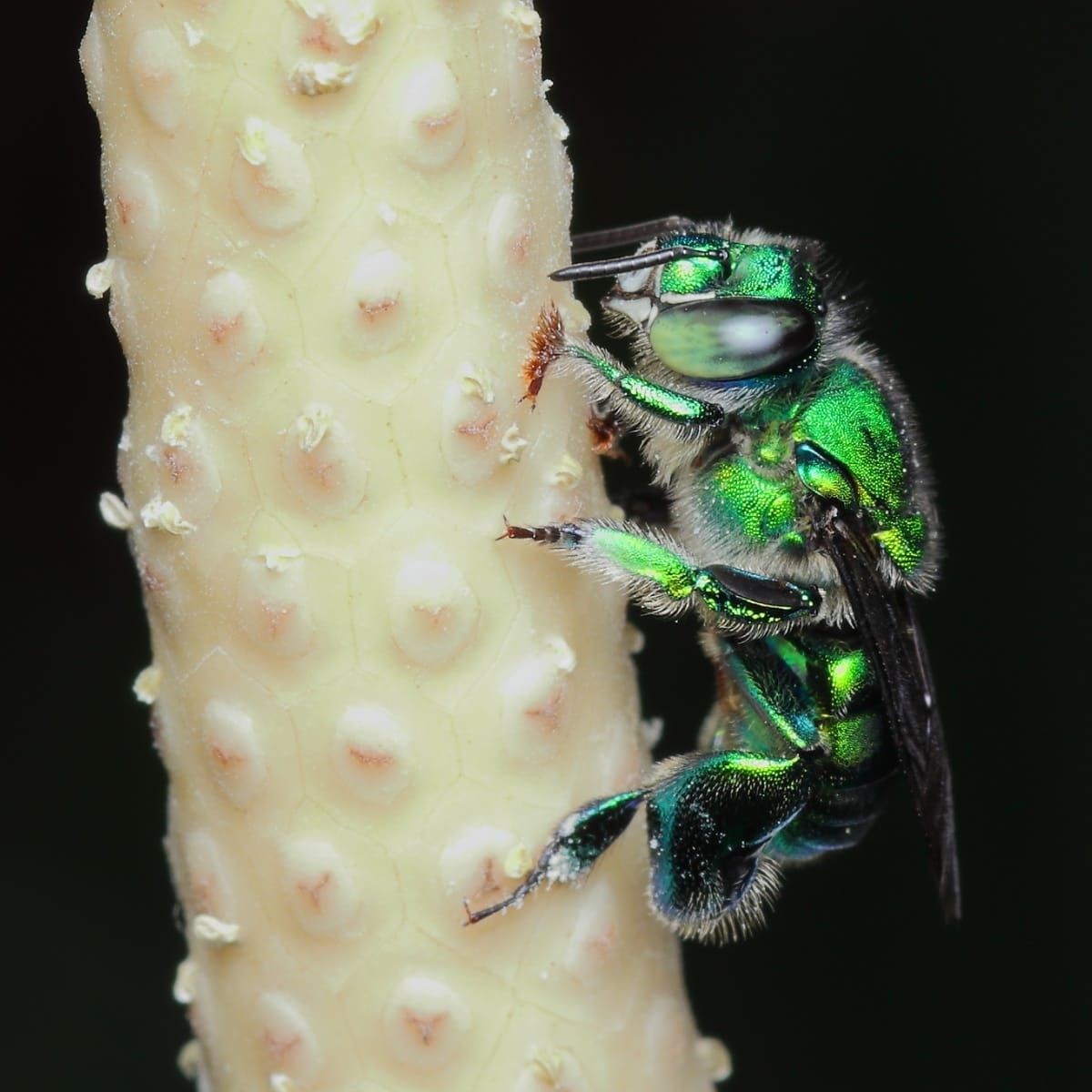
Cover picture: Euglossa truncata by Carlos Alexandre Mattos Raposo (iNaturalist, CC BY-SA 4.0).