
A leaf is valuable. There’s a lot of nutrients, particularly nitrogen in a leave. So, before a leaf dies, a plant wants to get out as much as it can. It breaks down the leaf's proteins and ships the nitrogen out to storage. Die too early, and that’s a lot of investment wasted.
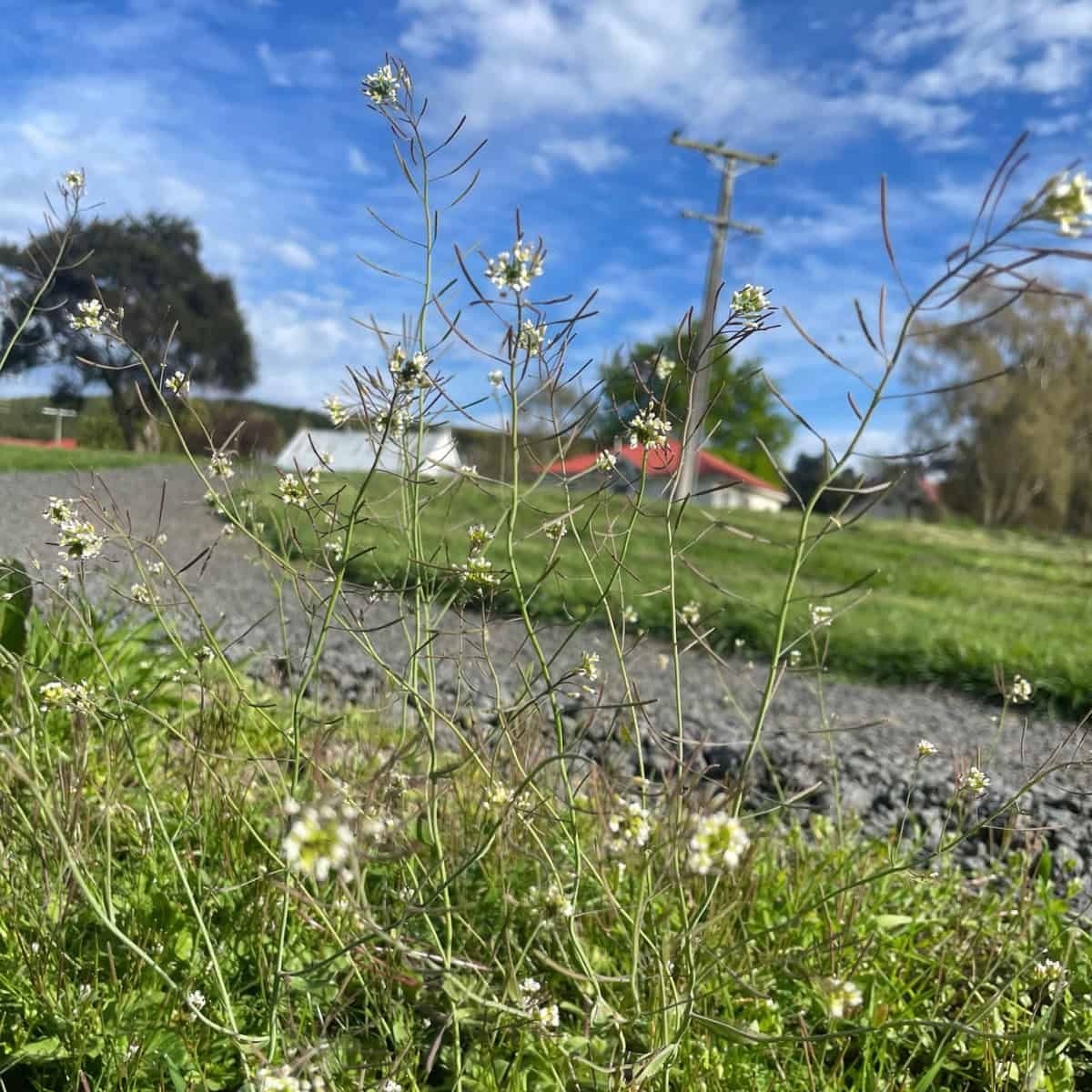
So something in the leaf must work out when the leaf is empty. A team in Sweden thinks they have a clue what that is, using Arabidopsis thaliana, thale cress, the botanist’s lab rat.
The clue is in amino acids, the building blocks of proteins. Shah Hussain and colleagues fed leaf discs one amino acid at a time, then left them in the dark for six days. Darkness makes leaves age fast. The acid arginine more than doubled the green the leaf kept. Almost every other amino acid did little.
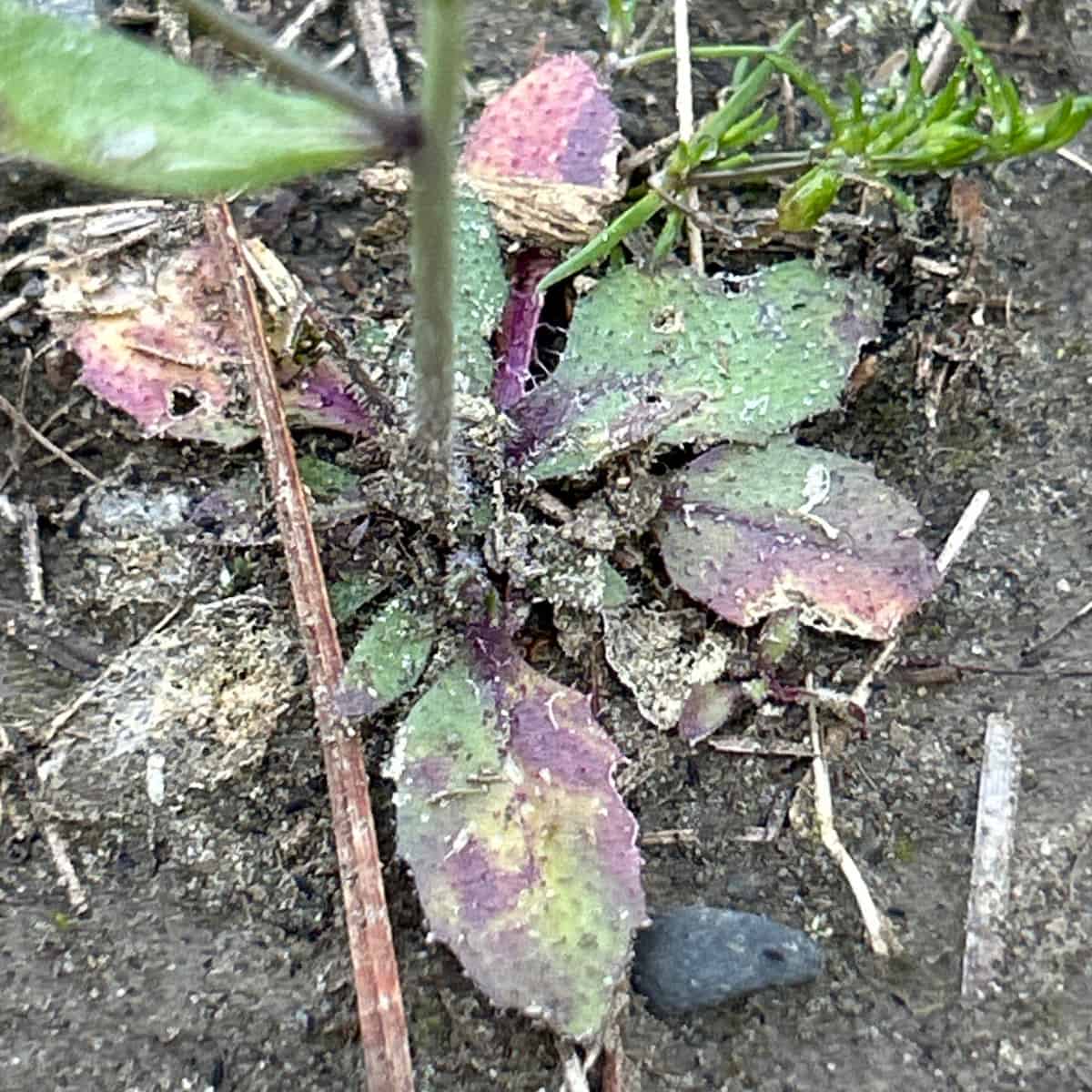
Then they looked at mutant plants. Normal leaves switch on genes that clear arginine away. Stay-green mutants don’t. Restore those genes in the mutants and leaves age again.
So the team thinks that arginine is a gauge. As long as it’s high, the leaf doesn’t die. Once the levels drop, the leaf is emptied.
This indicated that leaf ageing can be stopped, or even reversed. The authors suggest that, through targeted breeding in the future, this research could help rescue crops and trees under stress.
Uploaded as social media posts to Bluesky, Mastodon & YouTube.
READ THE ARTICLE
Hussain, S., Boussardon, C., and Keech, O. (2026) The progression of leaf senescence is gated by the cytosolic arginine pool. Nature Plants, 12(7), pp. 1325-1333. Available at: https://doi.org/10.1038/s41477-026-02328-2.
Cover image: Arabidopsis thaliana by Andrew Matheson CC BY-NC