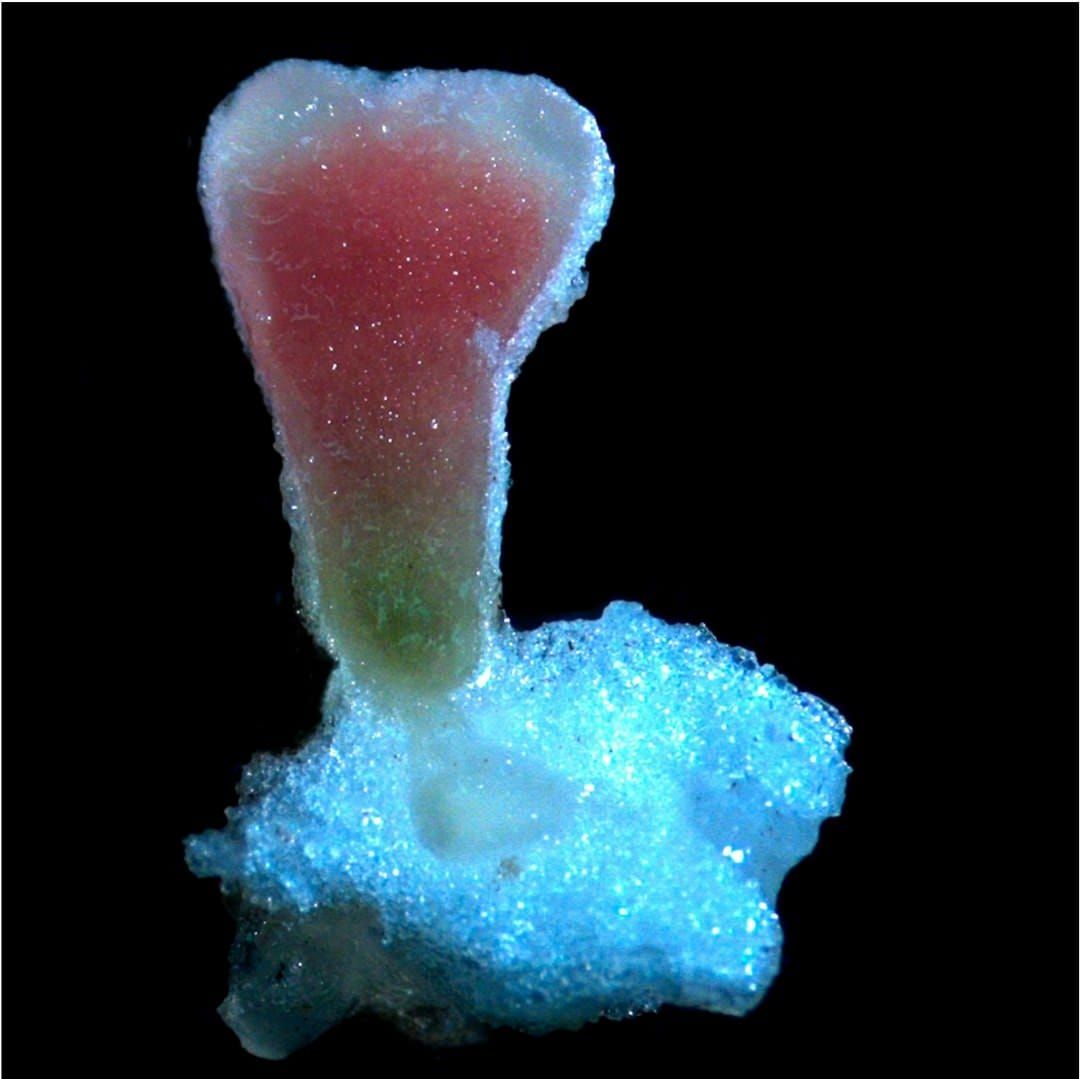
A cross section of a Melilotus siculus root
annals-of-botany

Waterlogging tolerance in the forage legume Melilotus siculus

https://www.botany.one/waterlogging-tolerance-in-the-forage-legume-melilotus-siculus/

Know someone who'd like this?

Messina (Melilotus siculus, Fabaceae) is a waterlogging-tolerant annual forage legume, but data were lacking for the effects of waterlogging on nodulated plants reliant on N2 fixation. Konnerup et al. find that plants inoculated with the appropriate rhizobia, Ensifer (syn. Sinorhizobium) medicae, formed nodules.
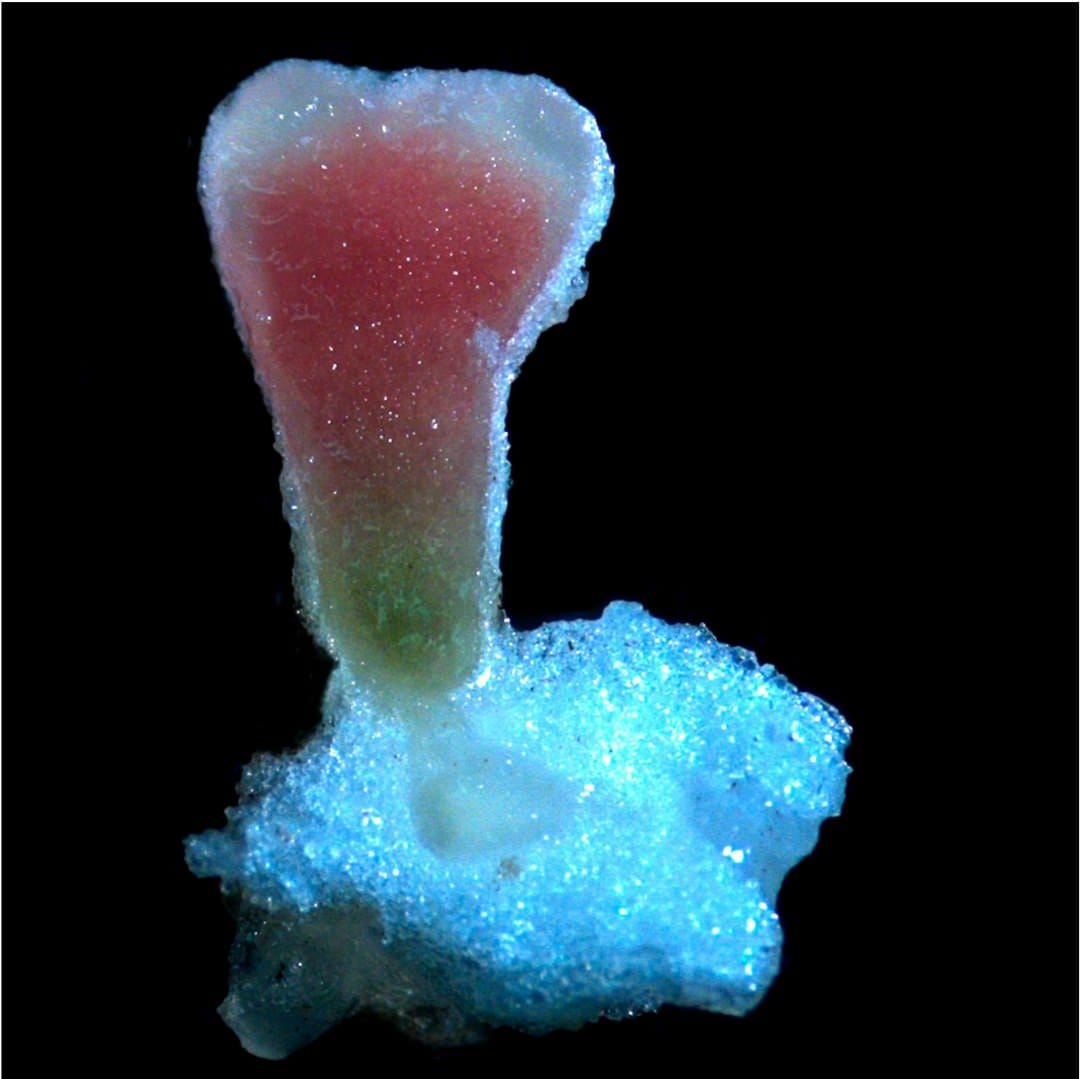
A cross section of a Melilotus siculus root
A cross section of a Melilotus siculus root with an attached nodule. Secondary aerenchyma (phellem) formed during waterlogging along basal root parts and a thin layer of this white, porous tissue also covered nodules, which together enhanced gas-phase diffusion of O2 to the nodules. Image © Dennis Konnerup.

Nodulated plants grew similarly well as plants fed NO3, both in drained and waterlogged conditions. In waterlogged conditions the relatively high respiration rates of nodules relied on O2 movement via the secondary aerenchyma (phellem) in hypocotyl, roots and the outer tissue layers of nodules, which we demonstrated using microelectrodes.

Liked this article?

Written by

botanyone

The Annals of Botany Office is based at the University of Oxford.

More from this writer

The nonprofit plant magazine

Lab science. Citizen science. Your source for plant science.