
American cranberry is a perennial trailing woody vine that produces large, tart red berries. You may have come across these berries in their dried, sweetened form or as a drink. But for a few weeks a year in North America, during October and November, they are sold fresh and ready to be cooked into sauces, jellies, and baked goods. I'll admit, it's a fruit I look forward to in the store when it appears. They are a sour, delicious treat!
Vaccinium macrocarpon is native to acidic, sandy bogs, marshes, swamps, streambanks and shorelines of eastern and central Canada, from Newfoundland to Ontario. It also grows across the northern United States and along the Appalachian mountain range down to North Carolina. The species is part of a widespread genus in the Ericaceae, which houses other edible berries such as blueberry, bilberry, lingonberry, and huckleberry. Along with two other cranberry species, it is a member of the Oxycoccus subgenus. Today, these shrubs are also grown commercially in wetlands.
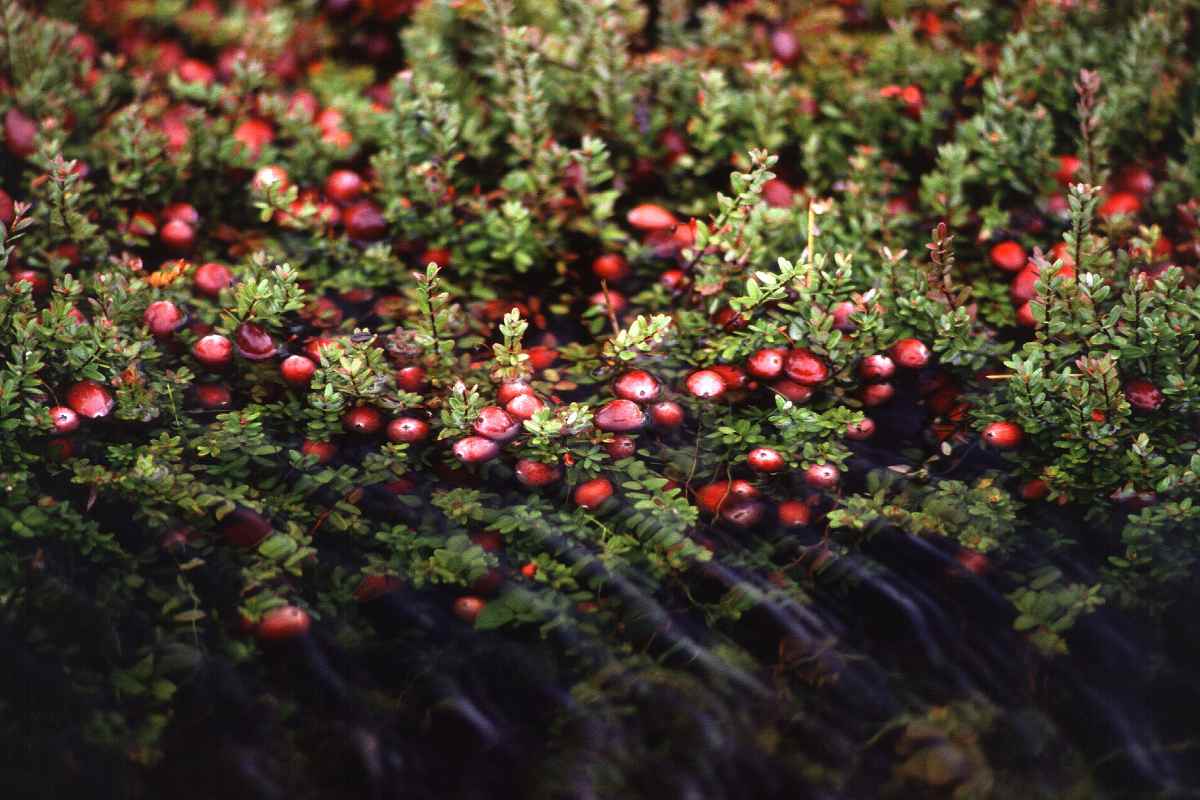
The name "cranberry" comes from European settlers who saw a similarity between the flower and the bill of a crane. These hermaphroditic, self-fertile flowers develop on short, upright shoots that sit above the mat of vines. The flowers bloom during June and July, and require insect pollinators to fertilize and fruit. In September, a tart red berry containing up to 35 tiny black seeds comes to maturity.
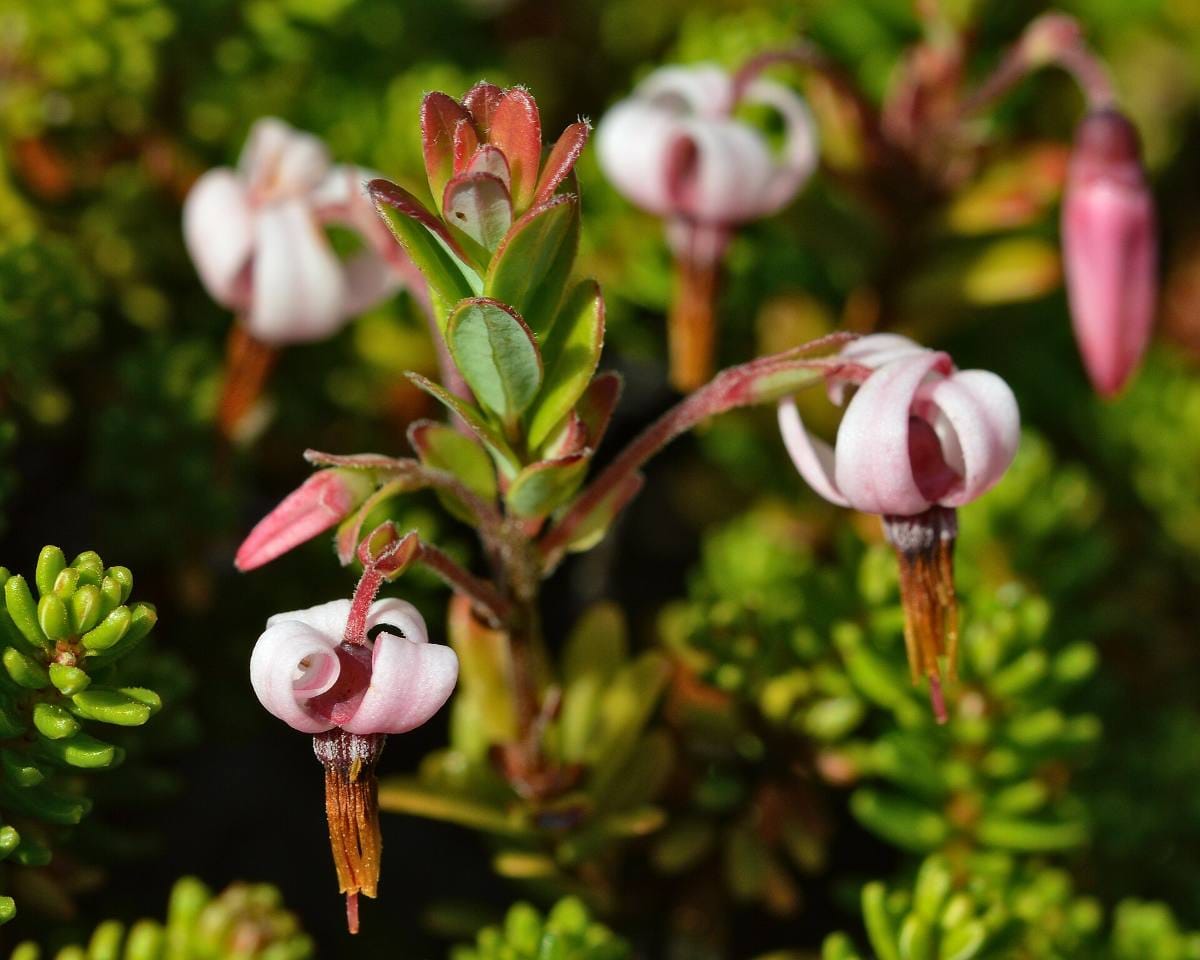
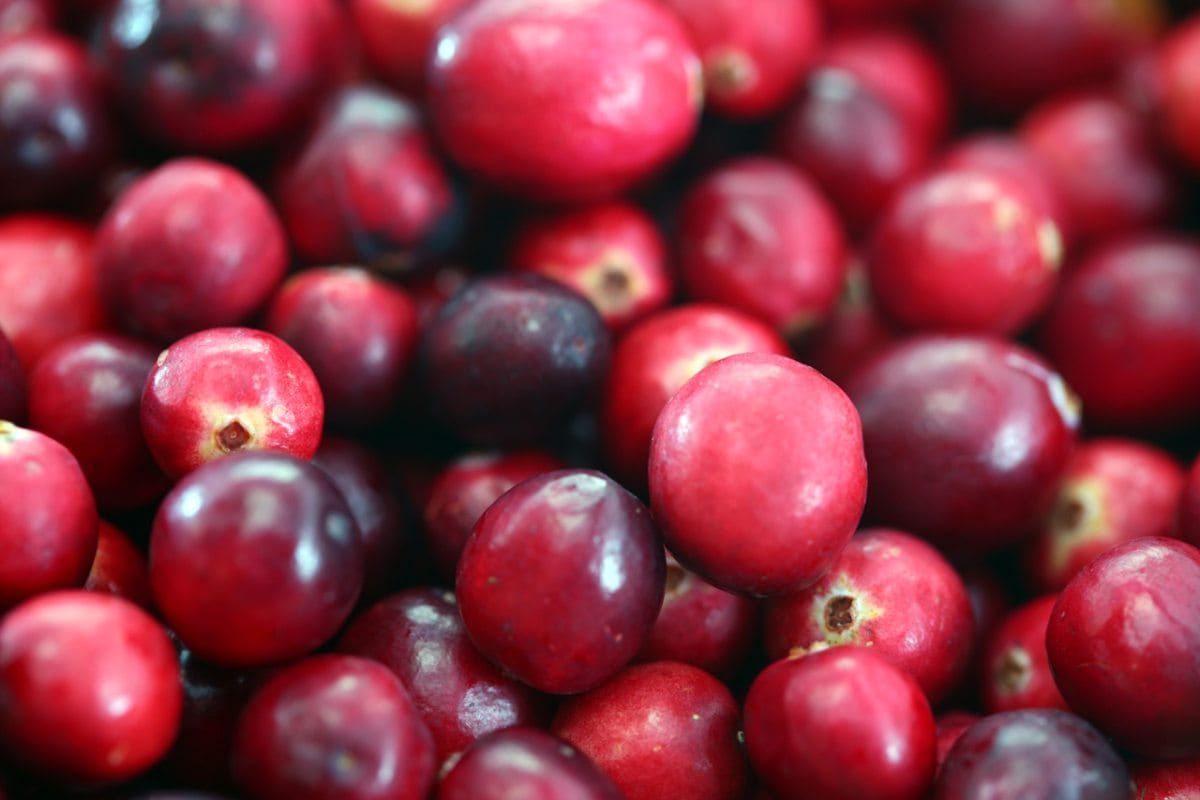
European settlers named cranberry after the crane because their flowers resembled the bird's bill. On the left: American Cranberry (Vaccinium macrocarpon) flowers in Tor Bay Provincial Park, Nova Scotia, Canada. Image Credit: Ryan Hodnett - Own work, CC BY-SA 4.0, https://commons.wikimedia.org/wiki/Special:Redirect/page/141604594 On the right: Cranberries grown and harvested in Massachusetts, USA. Image Credit: Cjboffoli - Own work, CC BY 3.0, https://commons.wikimedia.org/wiki/Special:Redirect/page/12468957
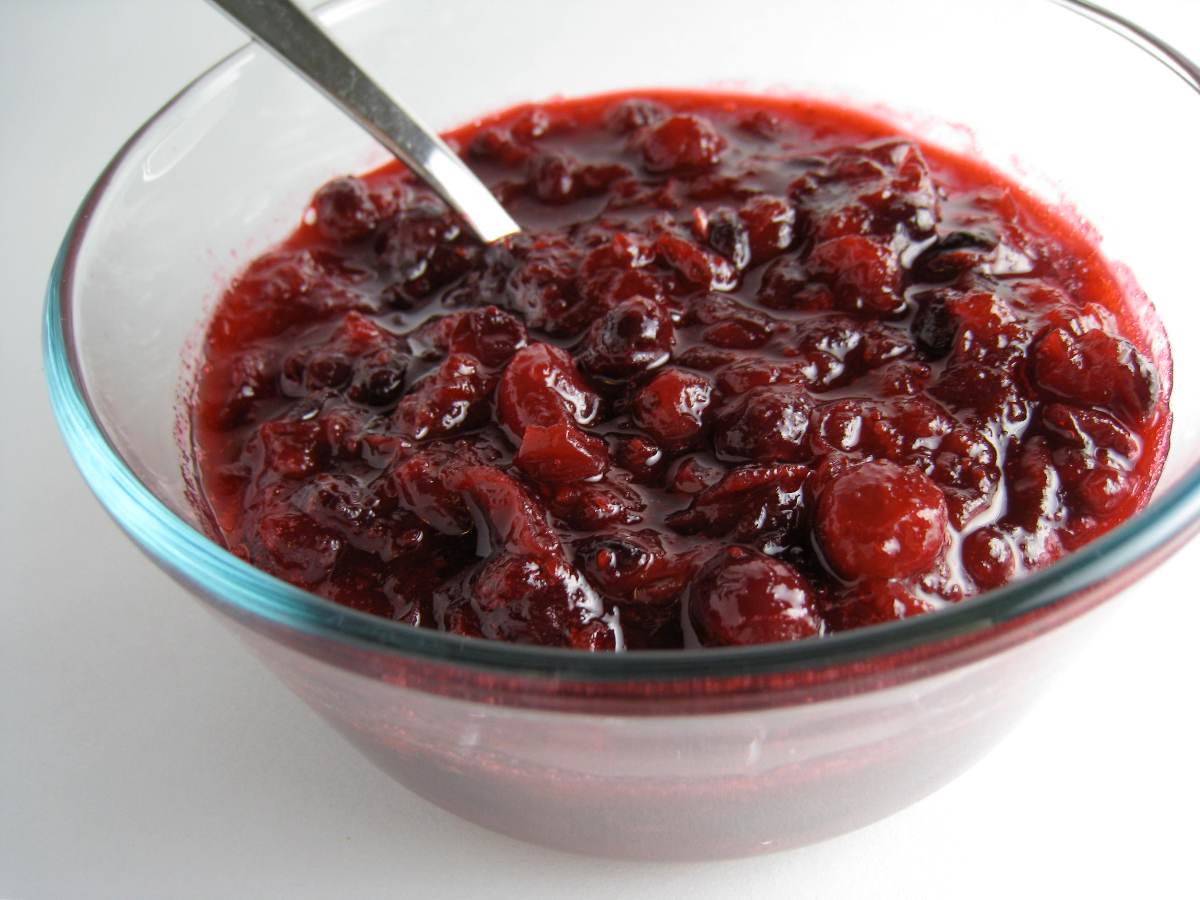
Cranberries have a long history of use by North American indigenous peoples. Wild berries were eaten raw, cooked into prepared foods, or used as a poultice on wounds. Additionally, the red juice was used to dye blankets and rugs. Today, the fruit is heavily associated with the American and Canadian Thanksgiving holiday, celebrated in November and October respectively, when cranberries are served as a sauce to accompany the traditional turkey meal. And even that use has a long history. In fact, historians agree that the first American Thanksgiving feast, held between English Pilgrims and the Wampanoag people in Plymouth Colony in 1621, likely featured cranberries as part of the meal. Indigenous peoples of the time cooked cranberries into a sweet sauce using maple sugar, similar to the sweetened cranberry sauces served today.
Cranberry was first cultivated in 1816 in Cape Code, Massachusetts by Henry Hall, an American Revolutionary War veteran. Hall noticed that cranberries in his area fruited well when they received regular dune sand driven by the northeast winds. He transplanted these high yielding plants onto a drained and sanded portion of his property – starting the first cranberry farm. By 1820, he had established production and domestic trade. Cranberry "yards" grew from there, with other people creating their own commercial ventures. Long distance shipping routes to Europe followed, as did expansion of domestic trade with the advent of the railroad system. The berries also found a market with sailors, who used the high vitamin C fruit to prevent scurvy.
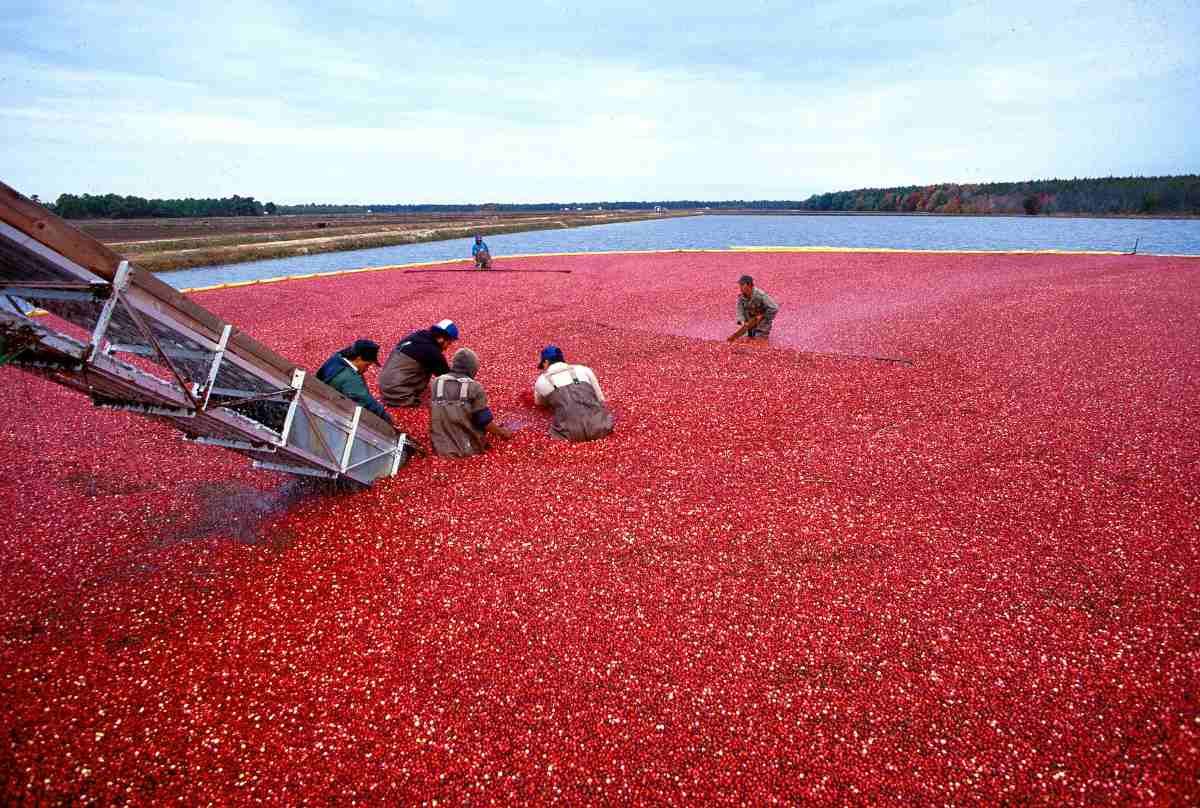
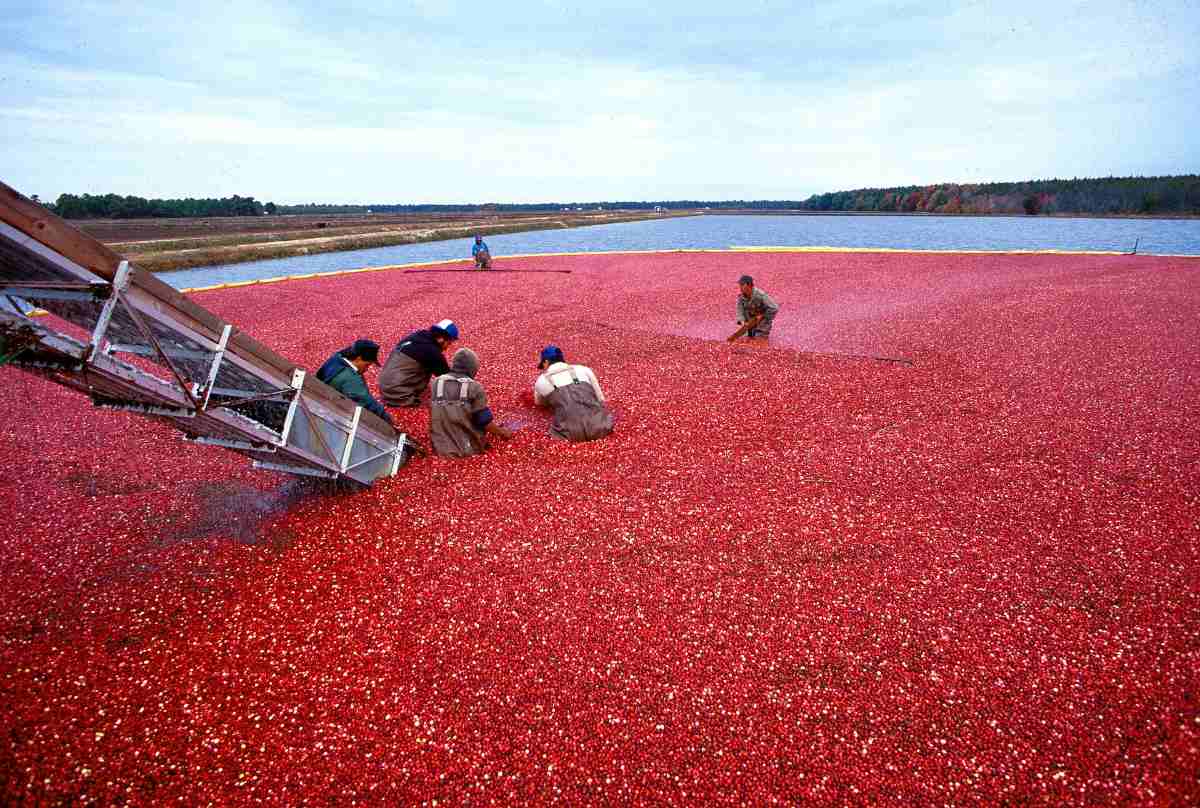
One of the most unique aspects of cranberry cultivation is the harvesting method. To gather the berries, farmers temporarily flood their fields. This shakes loose the berries, which are then free to float. Farmers then go out in waders to collect the berries by skimming them off the water's surface. The method works because the fruit consists of four locules that contain enough air for flotation.
So the next time you eat a cranberry or drink the juice, savor the tart flavour and know that this little fruit has a big history.
Cover picture: Cranberries are harvested by flooding the field. Floating berries are skimmed from the top of the water. Image credit: Keith Weller, USDA-ARS. This image was released by the Agricultural Research Service, the research agency of the United States Department of Agriculture, with the ID K4418-6 and is in the Public Domain. Cranberries are being harvested in New Jersey, U.S. Image source: Wikipedia