A pioneering redesign shows how museum gardens can help visitors understand evolution, biodiversity and the actions we can take for a healthier planet.
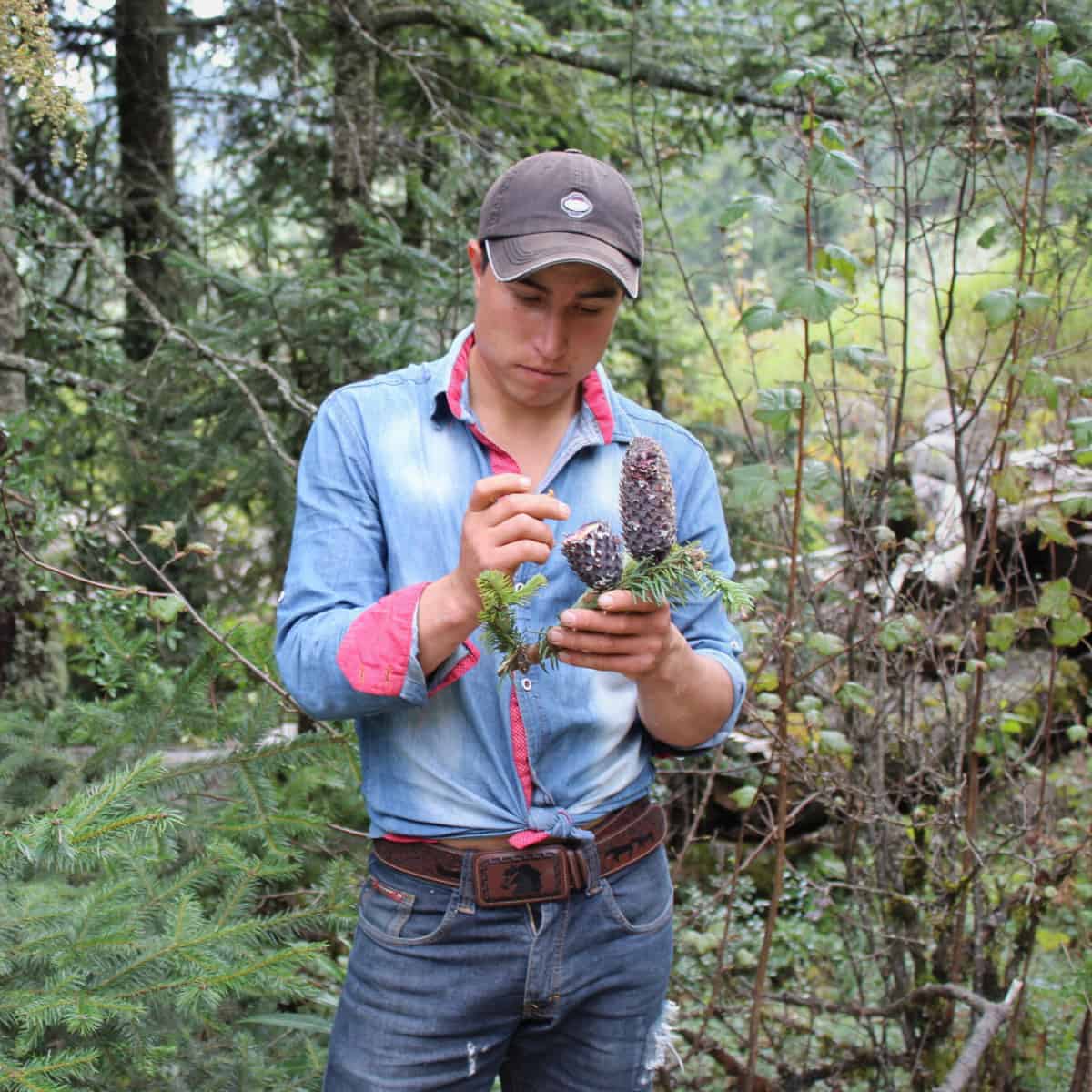
For 20 years, Mexican communities accidentally planted millions of endangered trees, while simultaneously logging thousands in their natural habitat, without knowing it.
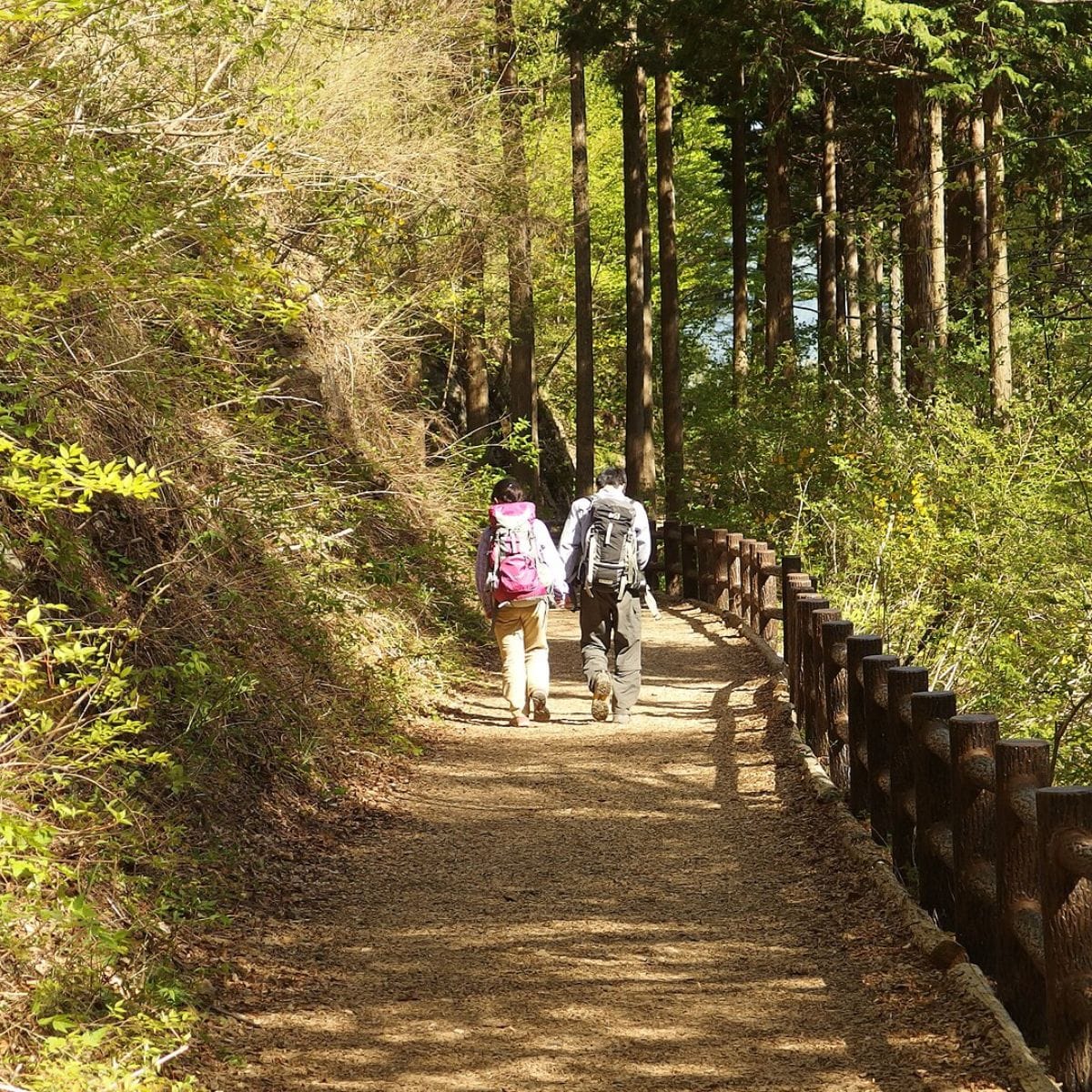
Long-term declines in nutrients, and soil damage, have been turbo-charged by the Russian invasion. But a new plan may help restore some of the world’s most fertile soils.
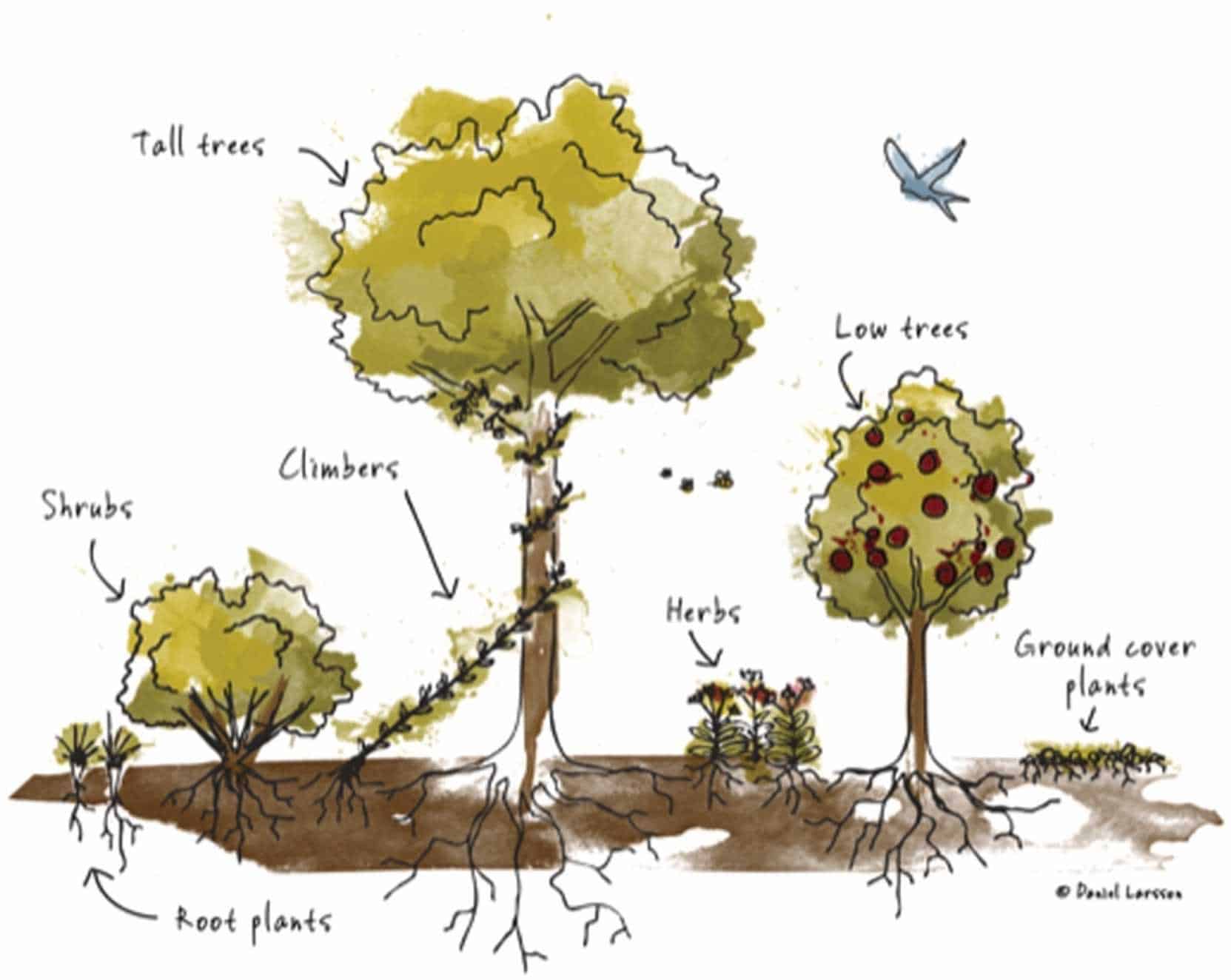
Swedish urban forest gardens, created for sustainable food, surprisingly became valued more for fostering community connections and social cohesion than producing crops.
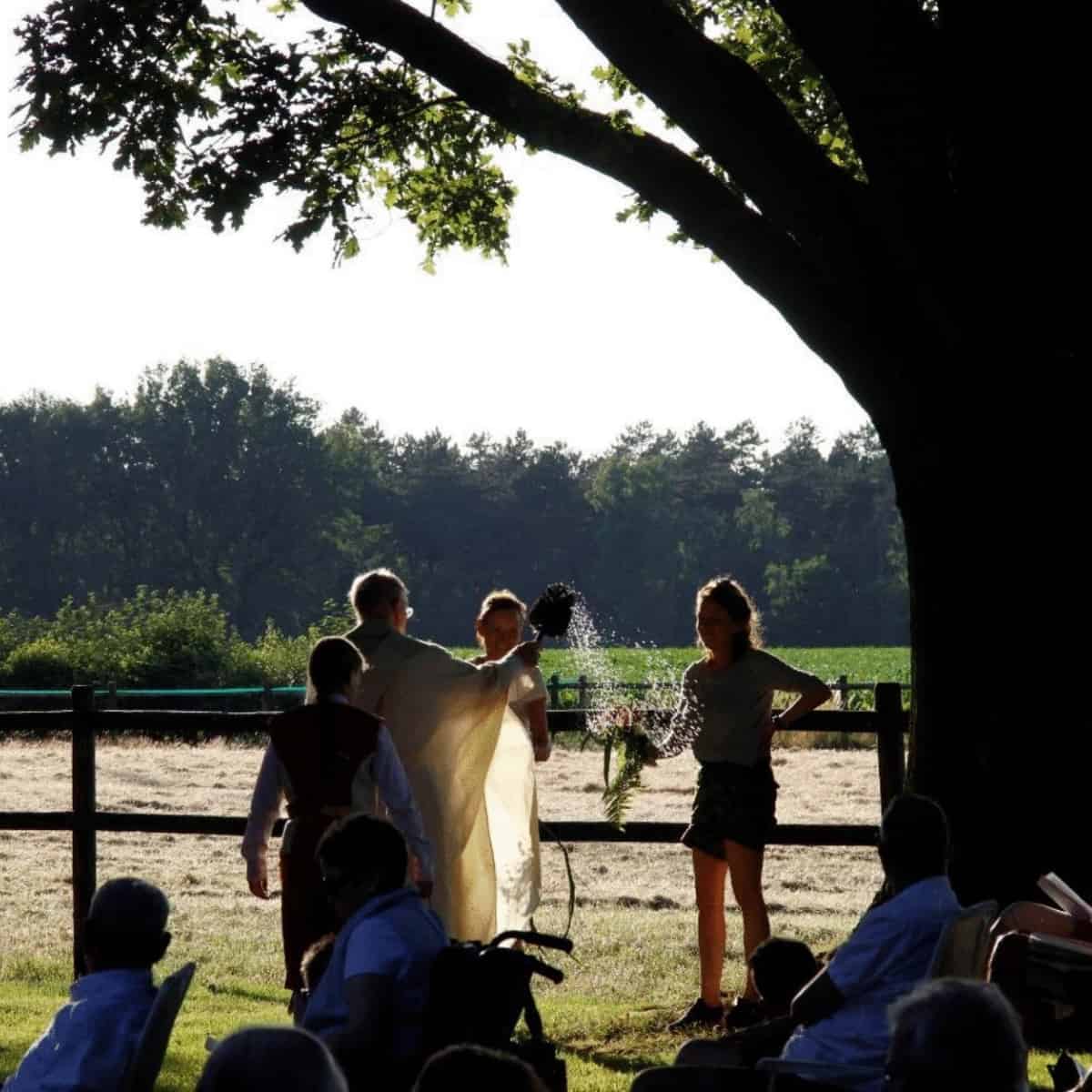
Some southern villages in the Netherlands continue the ancient practice of protecting their homes with St. John’s bouquets and wreaths. An ethnobotanical survey was recently conducted to understand the species composition and function of these blessed charms.
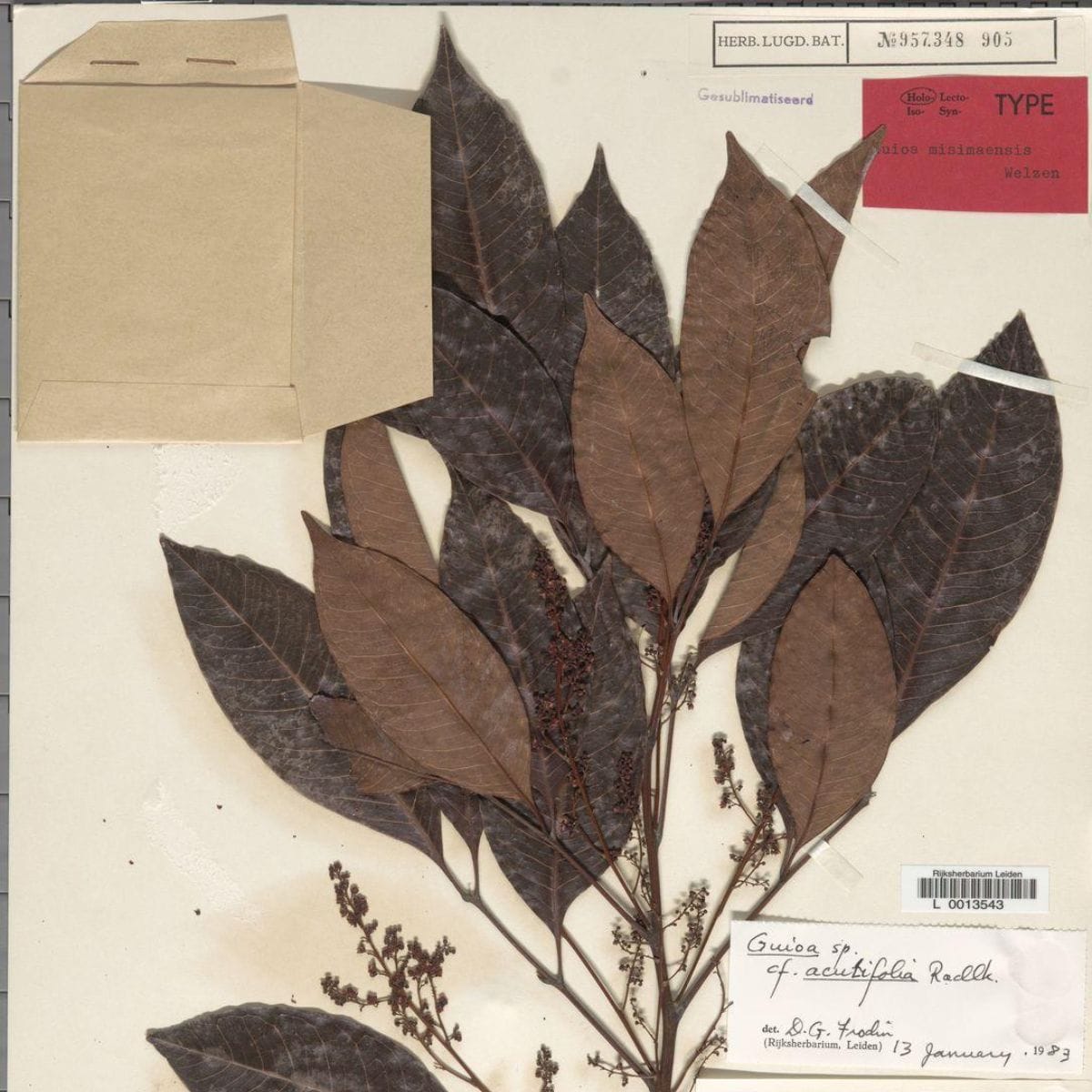
By tracing where the world’s most valuable specimens are stored, scientists uncover a story of colonial history and, hopefully, a more inclusive future for botany.
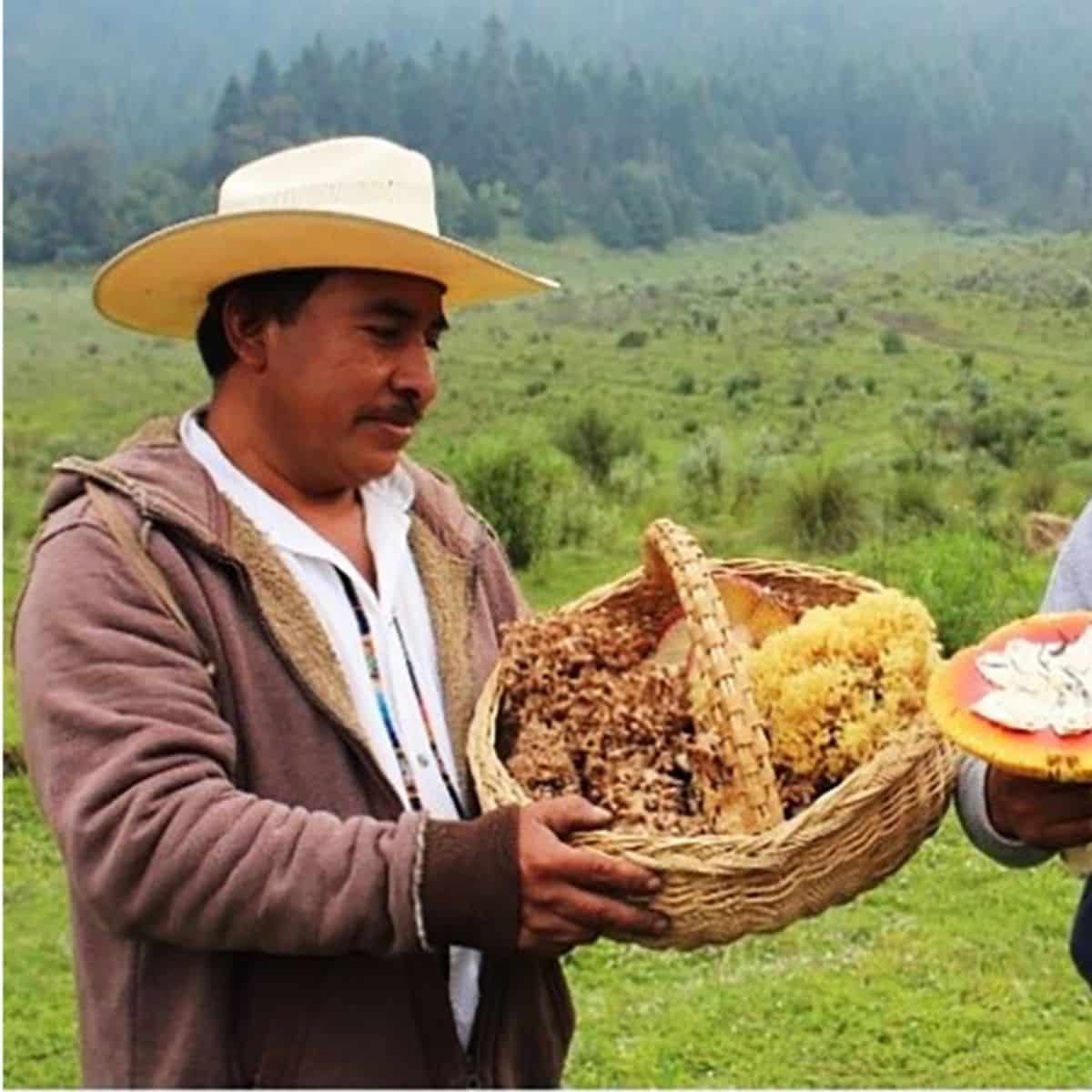
A decade-long collaboration reveals how an endangered Indigenous group holds unparalleled knowledge of wild fungi, and how they’re passing it on to future generations.