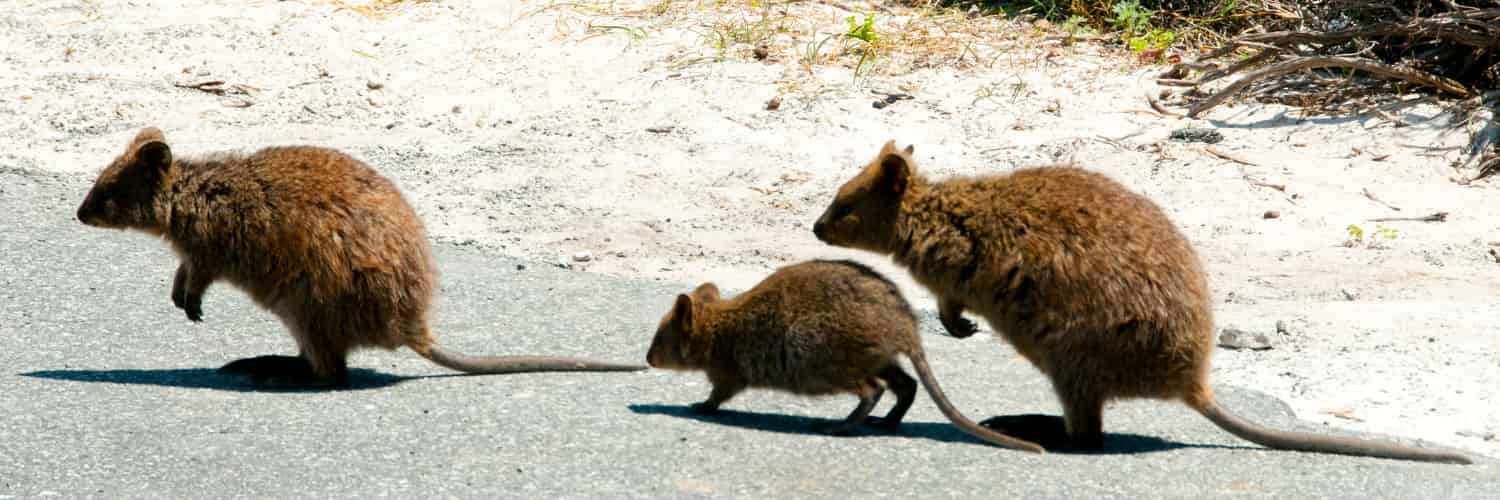
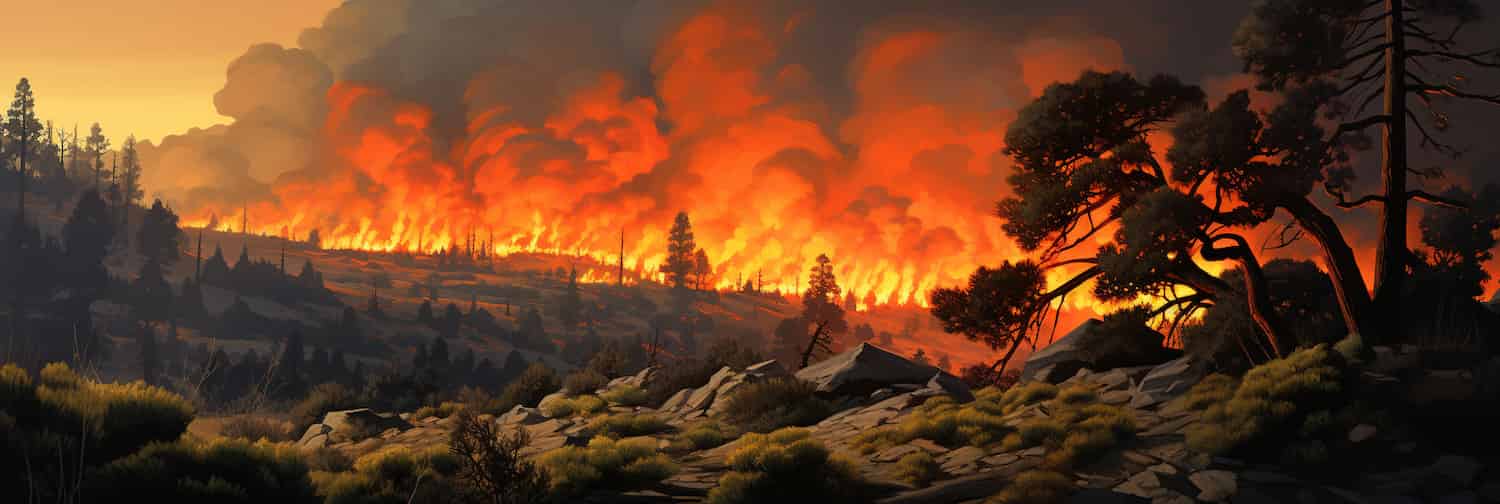
According to a recent study, vulnerable quokkas avoid prescribed burn areas for months, but unburned patches provide critical refuge for the displaced marsupials.
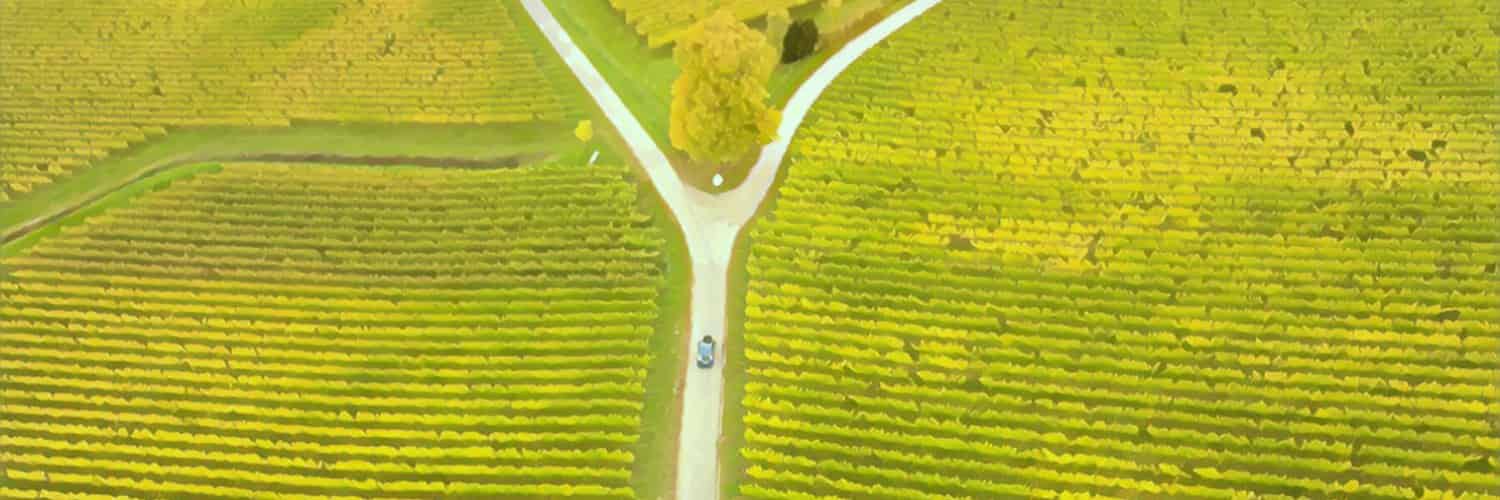
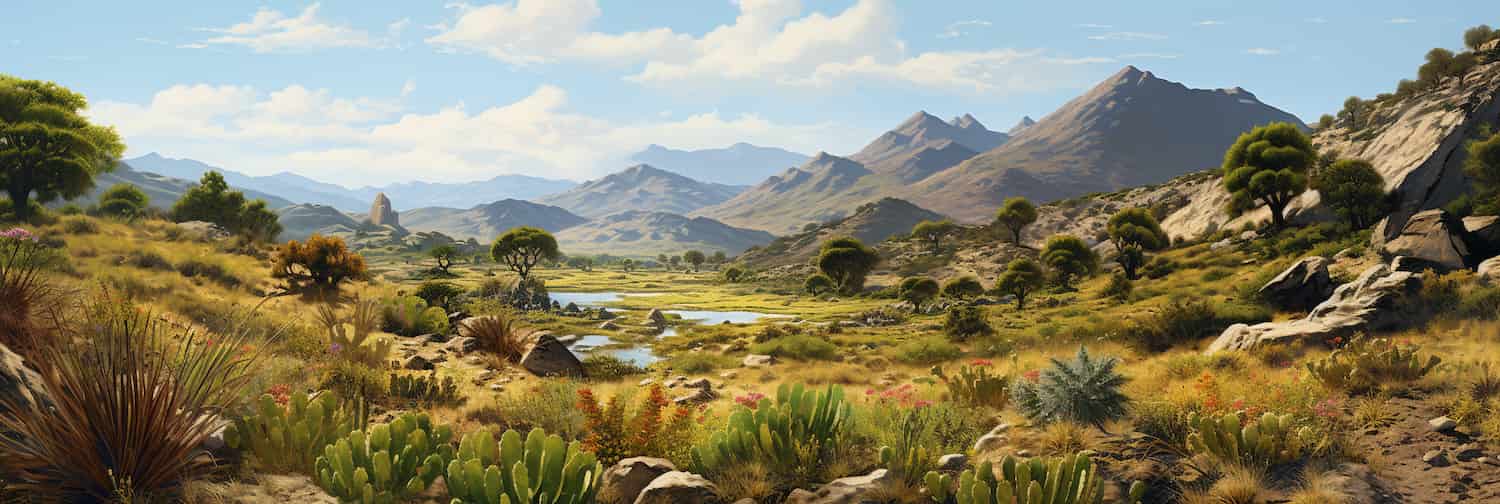
Most of the time, ecologists have studied interaction networks by considering a single sample, both in time and space. Recent research shows an innovative approach, highlighting the importance of understanding how such networks change between locations and over time.
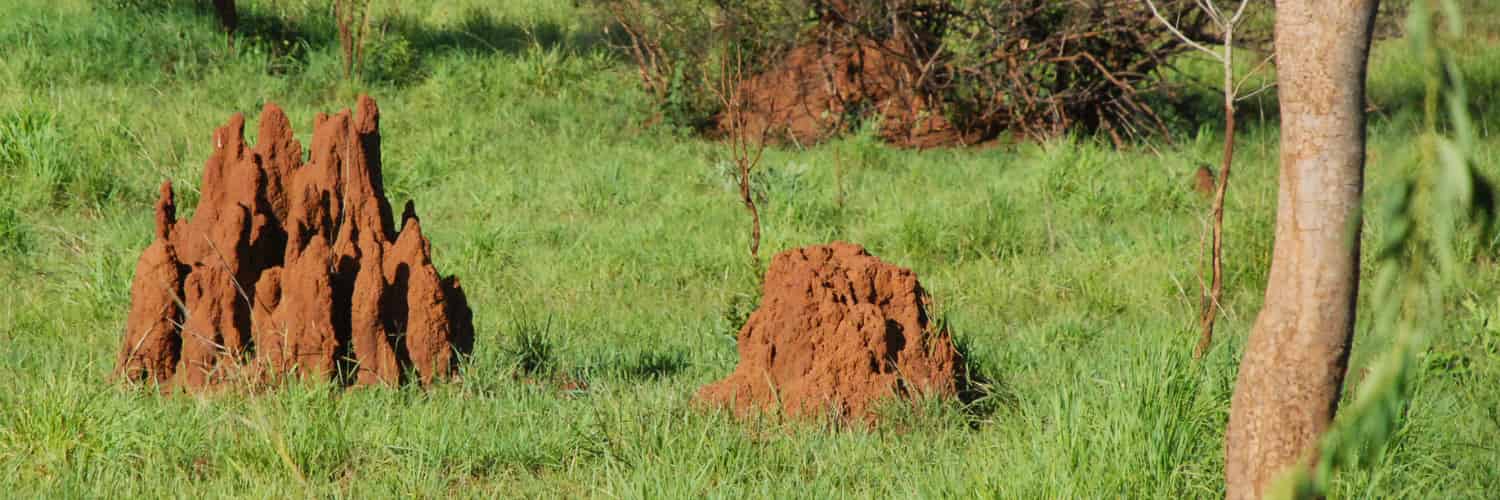
From the warmth of termites hastening wood decomposition to the surprising chill of fungi, our understanding of nature’s temperature regulation gets a shake-up.
Researchers found that plant species with certain traits, like longer bloom periods and efficient resource utilisation, are more likely to successfully thrive in foreign environments.
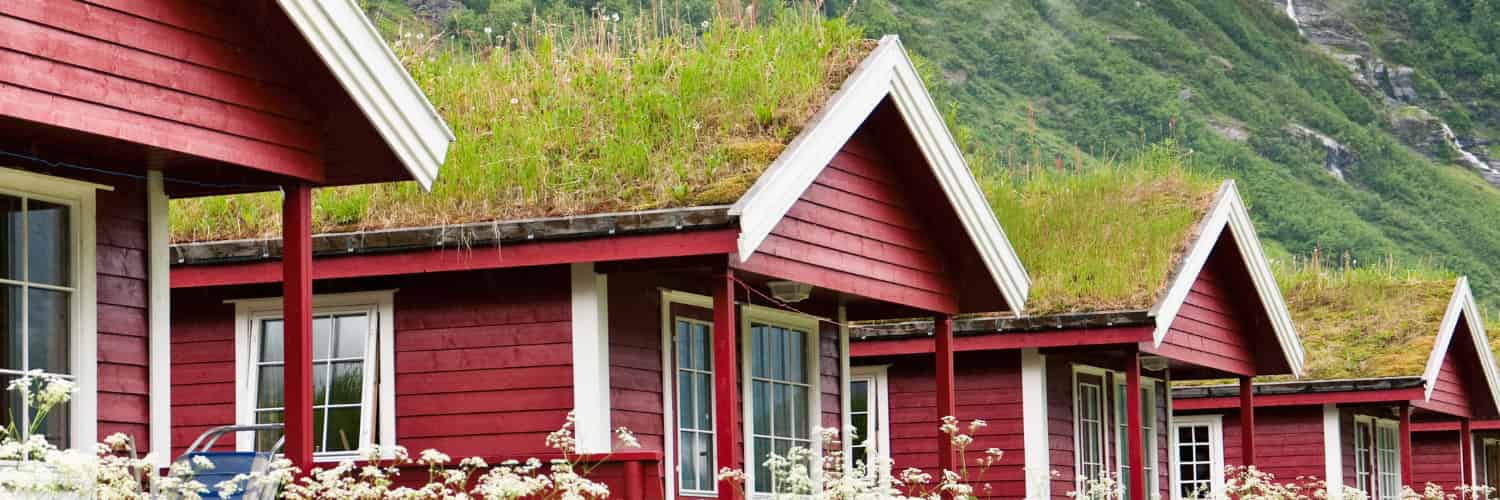
Research found that combining native prairie plants and Sedum species on green roofs enhances stormwater capture, cooling, and thermal insulation compared to using Sedum alone.
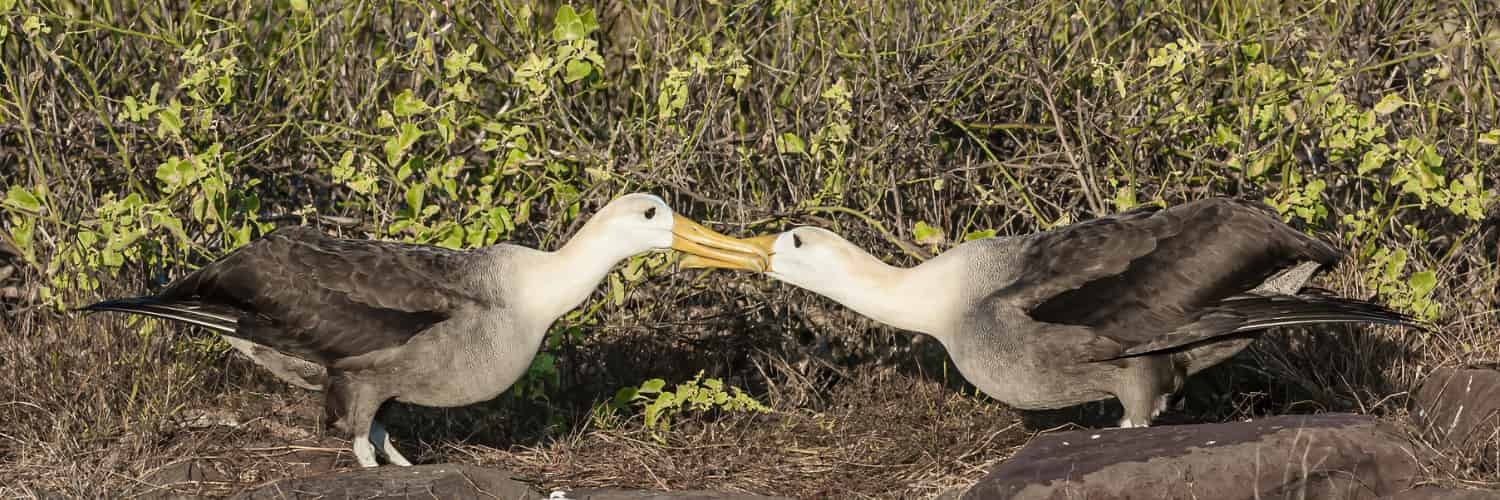
Giant tortoises reintroduced to Galapagos’ Española Island are engineering the ecosystem by reducing trees, aiding cactus regeneration, and creating nesting grounds for the waved albatross.