Cells, Genes & Molecules
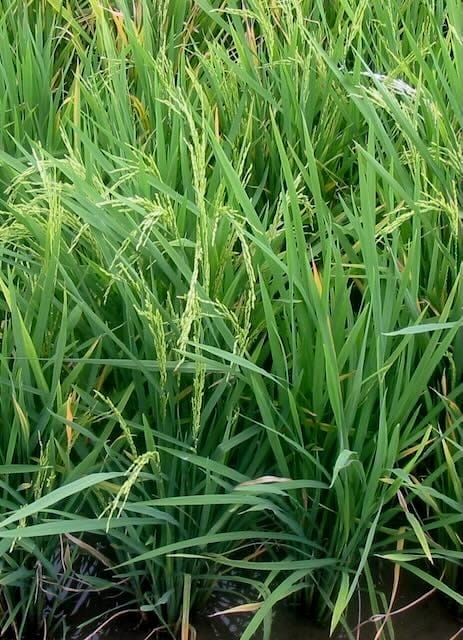
Can plants remember a stressful past?
Scientists find that rice can tell stories of a hard winter to future generations and prepare them for survival

Cells, Genes & Molecules
Scientists find that rice can tell stories of a hard winter to future generations and prepare them for survival
Cells, Genes & Molecules
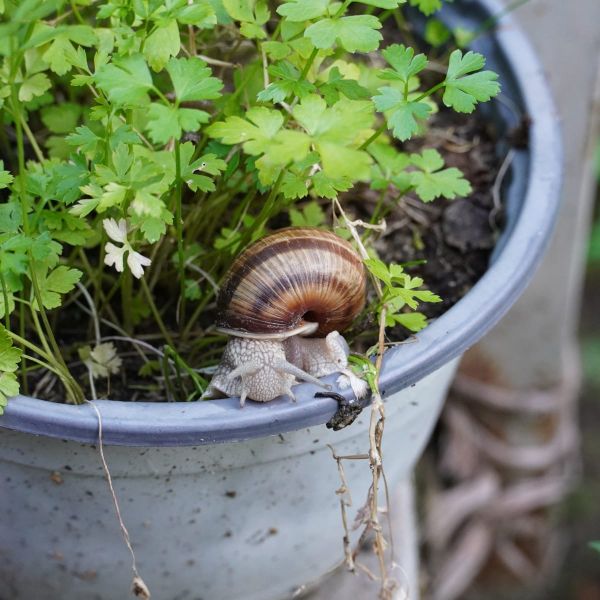
Bryophytes may hold natural compounds that keep hungry snails away from crops while avoiding the broader risks of conventional chemical controls.
Cells, Genes & Molecules
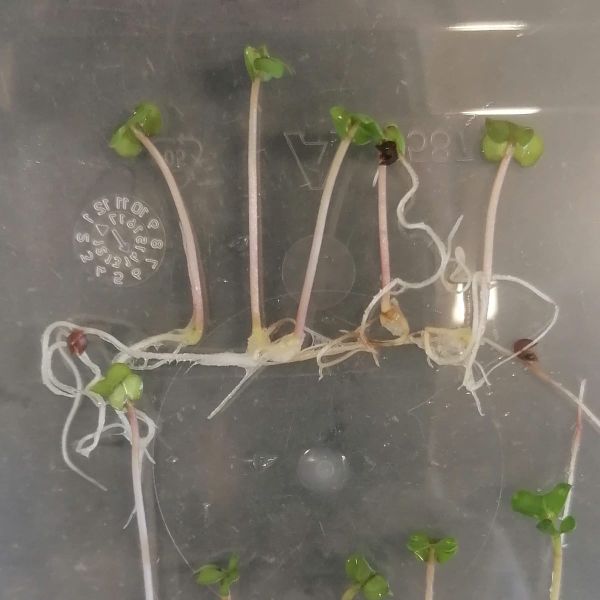
Researchers found that ageing Brassica napus seeds lose not only vigour, but also microbial diversity, raising new questions about how we store seeds for the future.
Cells, Genes & Molecules
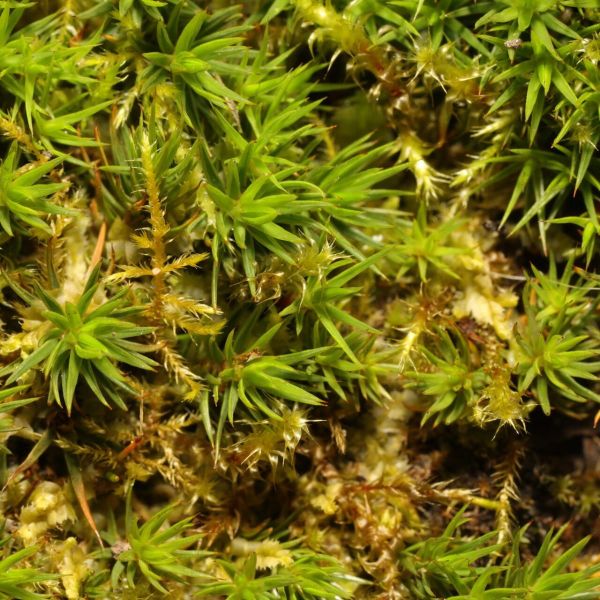
Mosses from Brazil's rocky savannas are quietly doing something we usually associate with shrubs and trees: taking up and safely storing aluminium from the soil.
Cells, Genes & Molecules
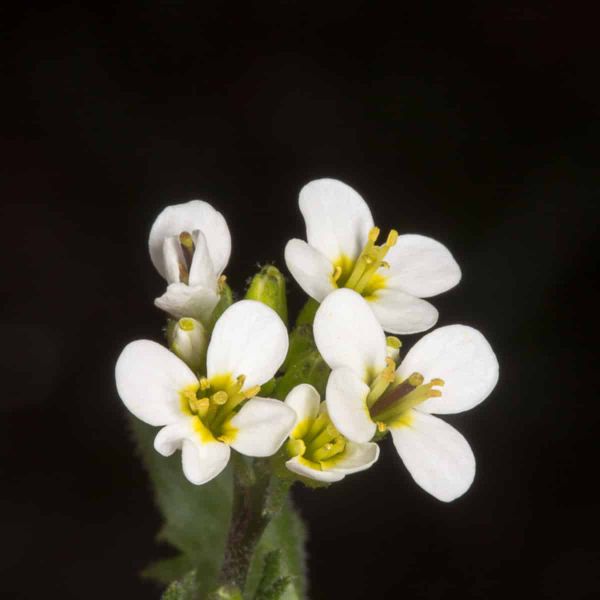
Two populations of the same plant, just 4 km apart in the Italian mountains, produce different perfumes and attract different pollinators. Why?
Cells, Genes & Molecules
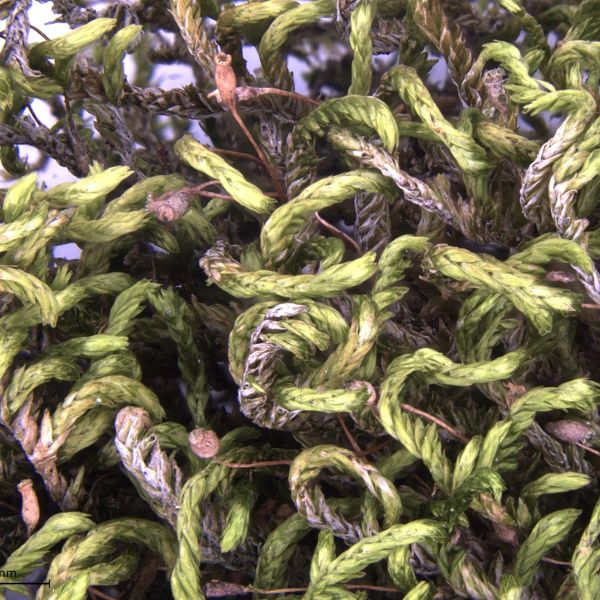
A tiny tropical moss defies expectations by suffering more cell damage during the rainy season than the dry. Now scientists think they know why.
Cells, Genes & Molecules
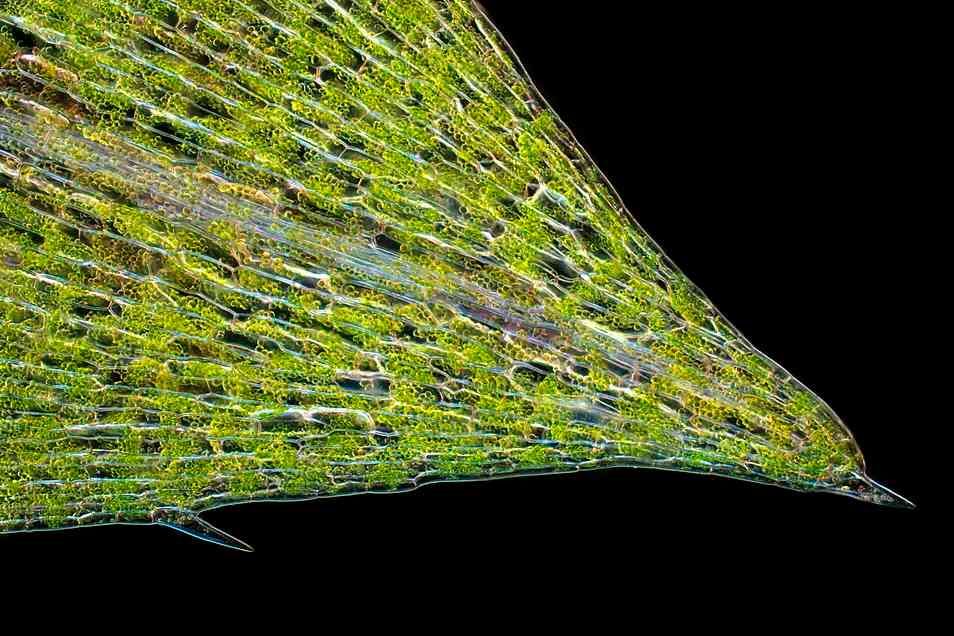
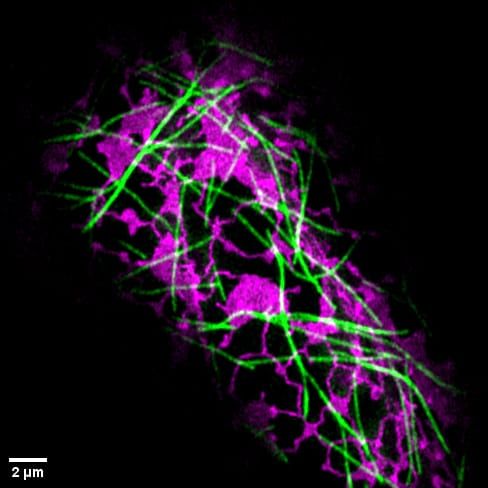
An old tool with new precision reveals the spectacular inner life of plants
Cells, Genes & Molecules
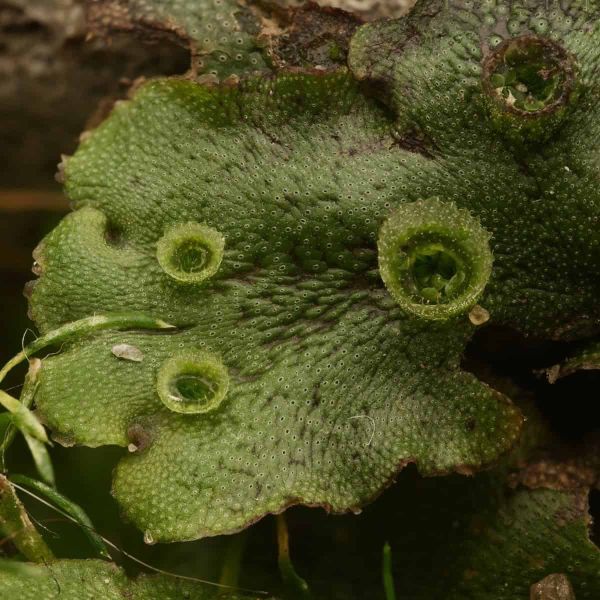
Liverworts are emerging as unexpected sources of cannabinoid-like compounds with promising anti-inflammatory and analgesic effects.
Cells, Genes & Molecules
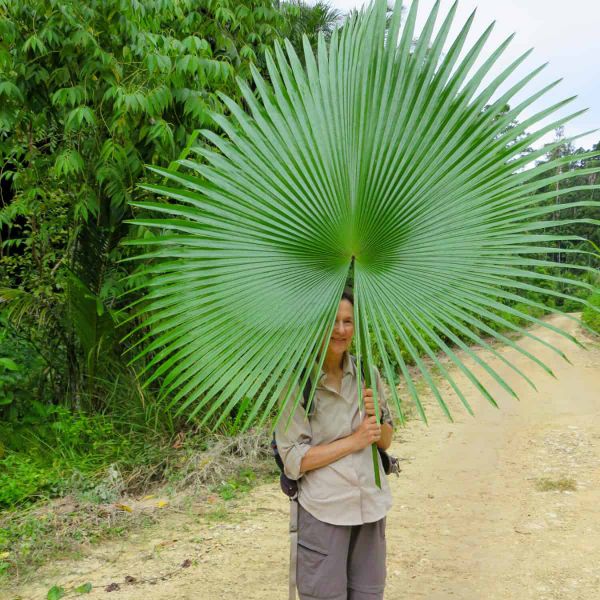
Rare sex chromosomes discovered in distant palm relatives reveal remarkable evolutionary convergence, potentially revolutionising crop breeding for fruit-bearing species.
Cells, Genes & Molecules
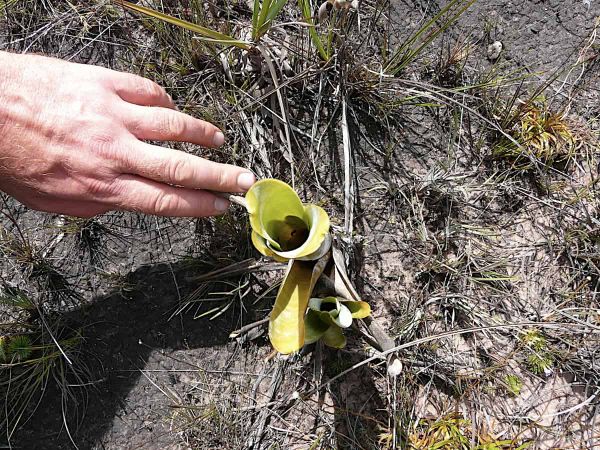
When friends abandon them, some plants go on a killing spree.
Cells, Genes & Molecules
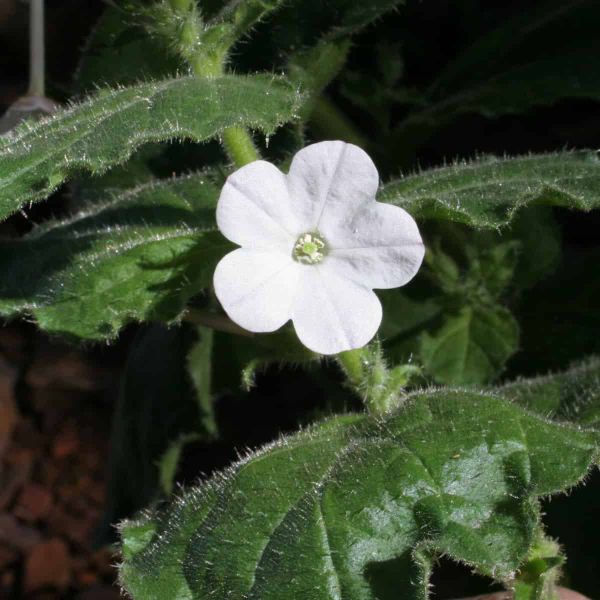
A new process could harness plants natural chemical prowess and allow them to become factories for producing complex molecules like antibodies and enzymes.
Cells, Genes & Molecules
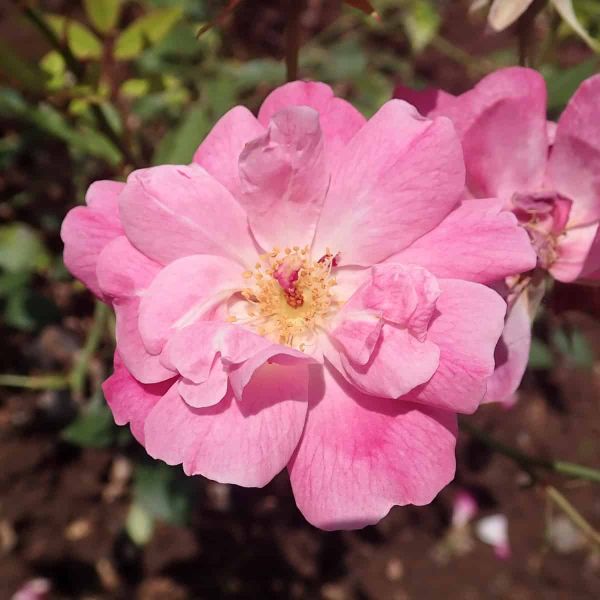
Scientists discovered that modern roses’ ability to flower repeatedly comes from a single genetic mutation in Chinese wild roses, and by tracing their family tree, they showed how hybridization with a few wild species created the roses we know today.