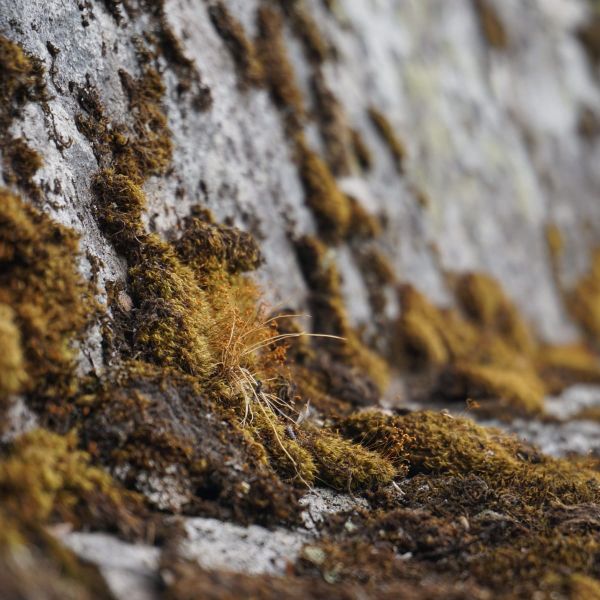

Snails are among the most persistent and problematic pests in vegetable crops, capable of causing considerable damage and forcing farmers to rely on chemical pesticides that often contaminate soil and affect non-target organisms. Yet an unexpected group of plants may offer a more sustainable alternative: bryophytes, the plant group that includes mosses, liverworts and hornworts.
A new study shows that ethanolic extracts from various bryophyte species can strongly deter feeding by Helix pomatia, commonly known as the Roman snail, one of Europe’s best-known herbivorous gastropods. Among the twelve species tested, one liverwort stood out as particularly promising, Bazzania trilobata, combining potent feeding-deterrent activity with no detectable effects on plant development.
To test whether bryophytes could act as natural repellents, researchers exposed Roman snails to lettuce leaves treated with extracts from twelve moss and liverwort species and compared leaf consumption with untreated control leaves over 24 hours. The question was simple: would the snails continue feeding if the leaves were coated with bryophyte-derived compounds?
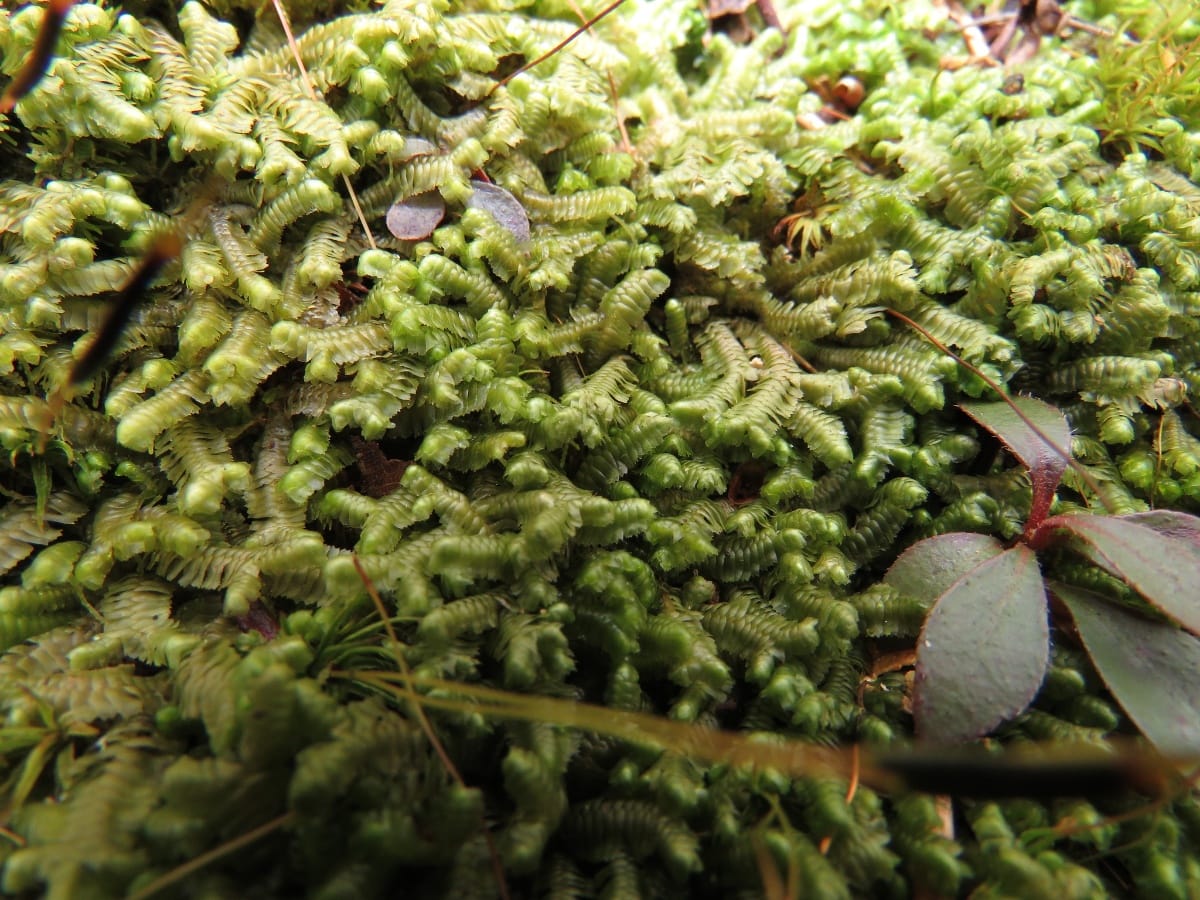
In half the species tested, the answer was clearly no. Six bryophytes showed significant feeding-deterrent effects, including three liverworts (Bazzania trilobata, Plagiochila asplenioides, and Porella platyphylla) and three mosses (Fontinalis antipyretica, Mnium stellare, and Neckera crispa). Yet Bazzania trilobata produced the strongest response, reducing snail feeding by up to 48% across multiple concentrations. Most importantly, all snails survived the trials, confirming that the extract acts as a repellent rather than a toxic agent.
This distinction matters. Conventional chemical controls are formulated to kill pest snails and slugs, but they can also harm useful invertebrates and contaminate the wider environment. A repellent based on plant compounds could offer a more targeted, safer option: instead of killing broadly, it would discourage feeding and help protect crops with fewer risks to the surrounding environment.
Chemical analyses suggest this feeding-deterrent activity may be linked to secondary metabolites, particularly triterpenoids. Liverworts such as Bazzania trilobata showed particularly high concentrations of these compounds. These metabolites are already known to play defensive roles in nature, and the new findings suggest they can also strongly disrupt snail feeding behaviour.
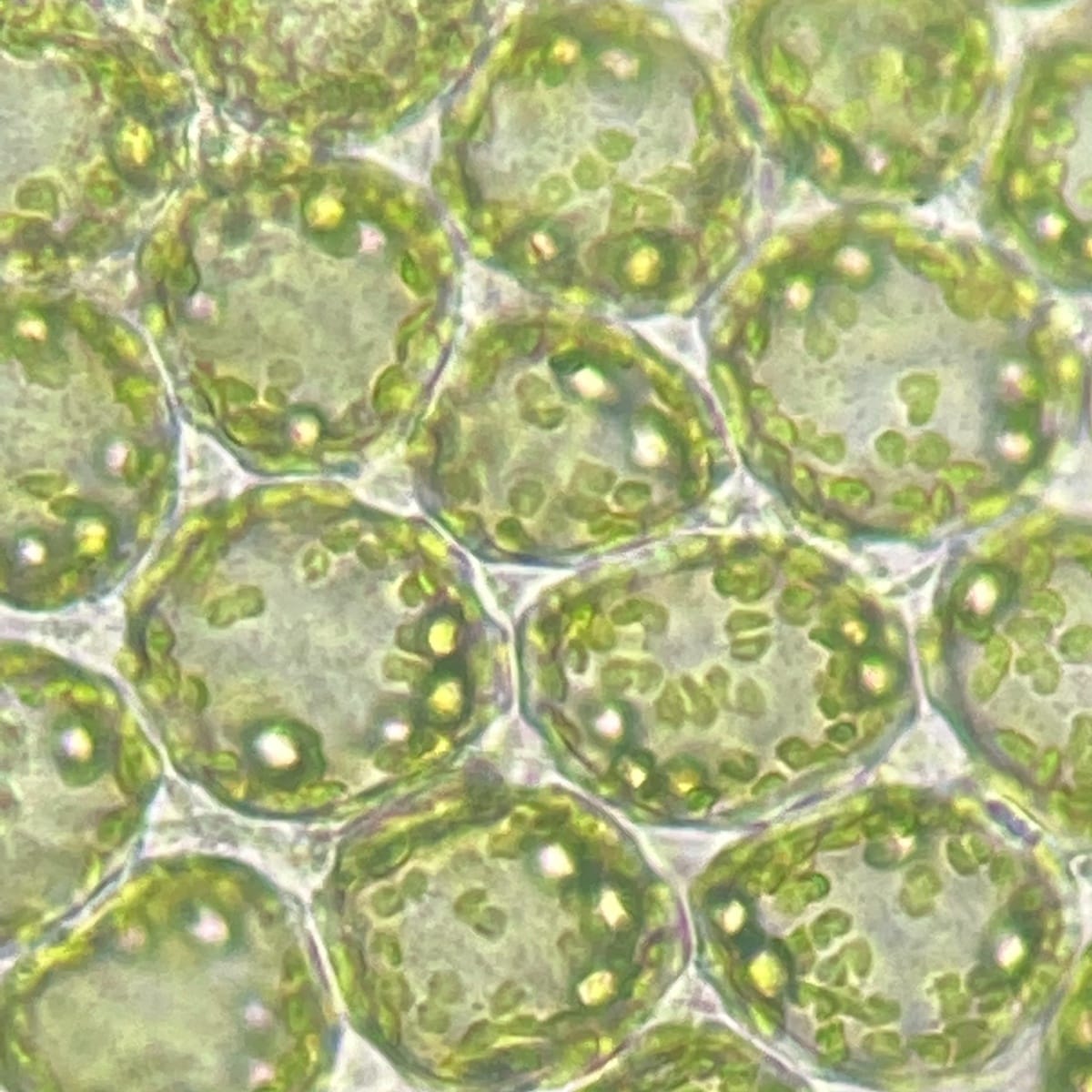
Crucially, the researchers did not stop at testing snail behaviour. As any agricultural bioproduct must also be safe for the crop, they assessed whether Bazzania trilobata extract interfered with early lettuce seed performance. Once again, the results were encouraging: the extract showed no negative effects on germination, hypocotyl length, or chlorophyll content at any concentration tested. In other words, the same extract that discouraged snail feeding did not compromise the plant’s early development.
This makes Bazzania trilobata particularly noteworthy among the species evaluated. It combined the greatest repellent capacity with an absence of phytotoxicity, a combination rarely achieved in the search for natural pest control products.
The study reinforces growing evidence that bryophytes are far more than small, ecologically important ground plants. Their unusual chemistry, shaped by millions of years of defence against herbivores and microorganisms, may represent a largely untapped reservoir of sustainable agricultural compounds.
READ THE ARTICLE:
Matić NA, Vesović MV, Božović DP, et al.. 2025. Nature-based solutions: the potential of bryophytes for snail repellency in lettuce crop production. Biologia Futura 77: 175-188. https://doi.org/10.1007/s42977-025-00297-9
Portuguese translation by Pablo O. Santos
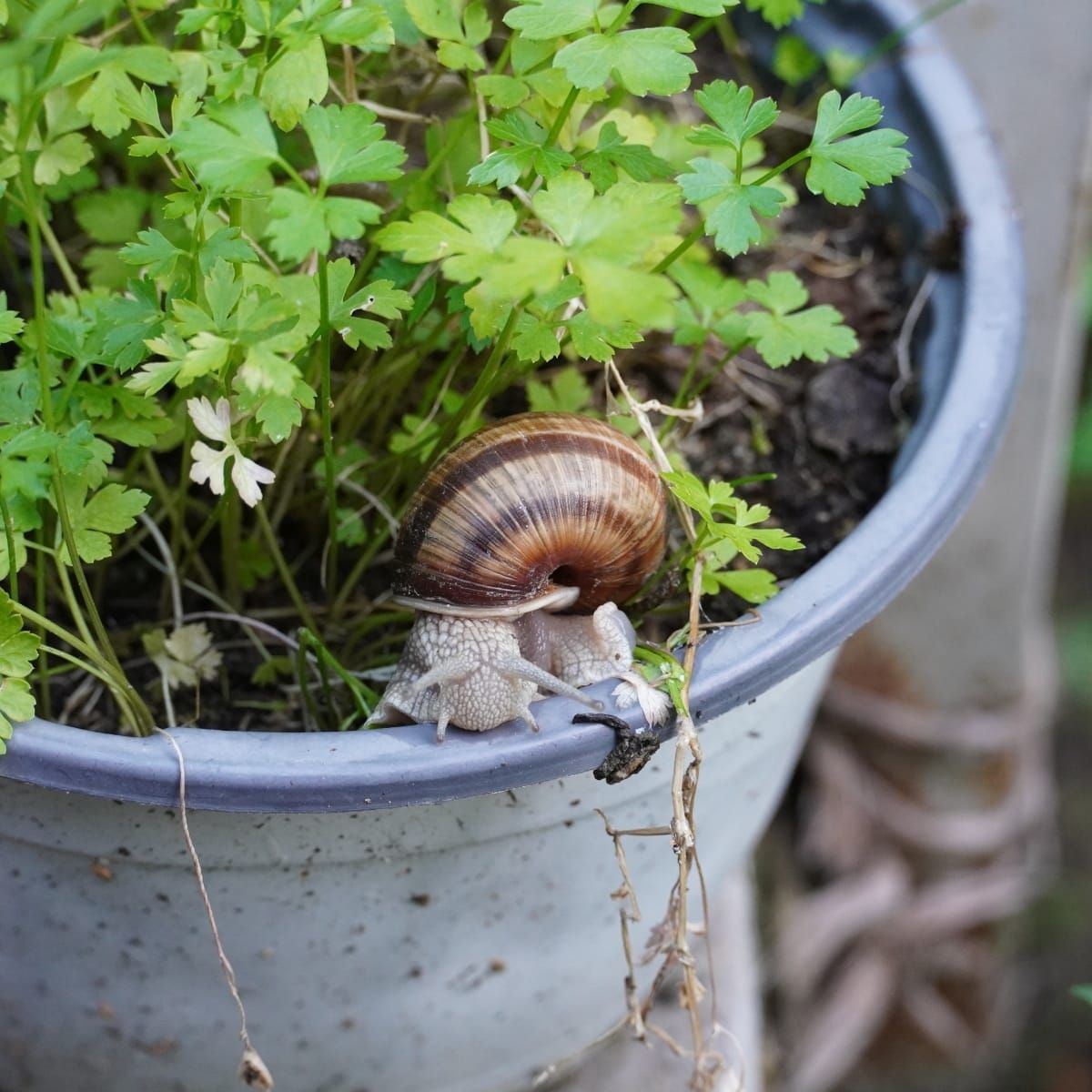
Cover picture: Adult Helix pomatia snail in parsley pot. Photo by Darijanus (Wikimedia Commons).