
Aluminium is a toxic element for most plants, where it inhibits root growth, causes oxidative stress, and impairs the uptake of essential nutrients. However, some species have evolved strategies to accumulate this metal without significant damage, and until now most studies have focused on vascular plants, such as tolerant trees and grasses from the Cerrado and other ecosystems.
A new study published in Planta reveals that two common Cerrado moss species not only tolerate high levels of this metal, but also use cellular strategies similar to those already described for vascular plants.
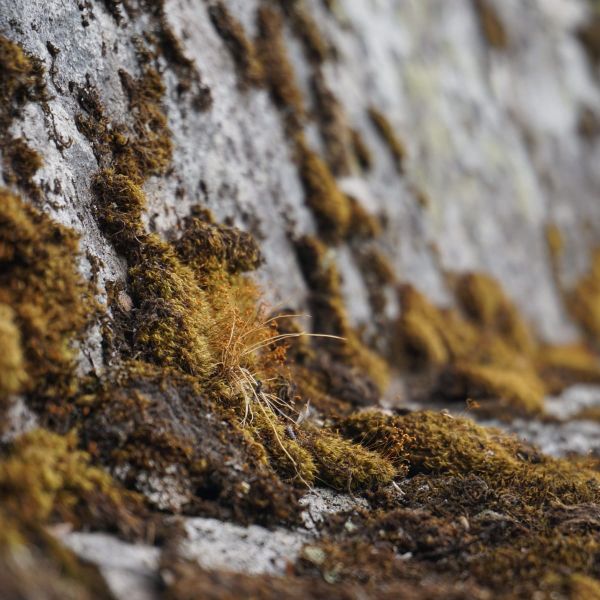
In the campos rupestres of Brazil, mosses form mats over quartzitic and ferruginous outcrops, where soils are acidic, nutrient-poor and naturally rich in aluminium. In this context, Oliveira and collaborators’ work investigated two species, Campylopus lamellatus and Polytrichum juniperinum, which grow on quartz and ironstone substrates at Serra da Calçada in the south-east of the country, to understand how these mosses deal with aluminium. After confirming that both environments had high levels of the metal, the researchers used histological techniques and Morin fluorescence to track where and how aluminium accumulates in mosses tissues.

Both species accumulate aluminium, but in distinct cellular compartments. Campylopus lamellatus stores the metal mainly in the cell walls. Contrastingly, in Polytrichum juniperinum aluminium is likely compartmentalised in vacuoles, organelles known for their storage function, and chloroplasts, the ones responsible for photosynthesis. These two mechanisms reflect strategies observed in aluminium-tolerant vascular plants, both in the Cerrado and other ecosystems worldwide, revealing a striking example of evolutionary convergence between different plant lineages.
The study also highlights an important detail: the specialised water-conducting tissues in both species showed low affinity for aluminium, suggesting a level of protection for internal transport pathways even in mosses. Methodologically, the work is also innovative, representing the first application of Morin fluorescence to bryophytes in the context of Cerrado soils, extending the use of a technique already established in angiosperms.
Taken together, these results challenge the idea that aluminium accumulation is a trait restricted to certain vascular plants. Instead, they suggest that aluminium tolerance and sequestration may be much more widely distributed among land plants than previously thought, extending deep into the evolutionary history of bryophytes.
READ THE ARTICLE:
Oliveira MF, Arriola ÍA, Rodrigues-Mattos GH, et al.. 2025. Aluminum accumulation in mosses from the Brazilian savanna: a comparative study of two species revealing similar traits to vascular plants. Planta 261. https://doi.org/10.1007/s00425-025-04690-5
Portuguese translation by Pablo o Santos.
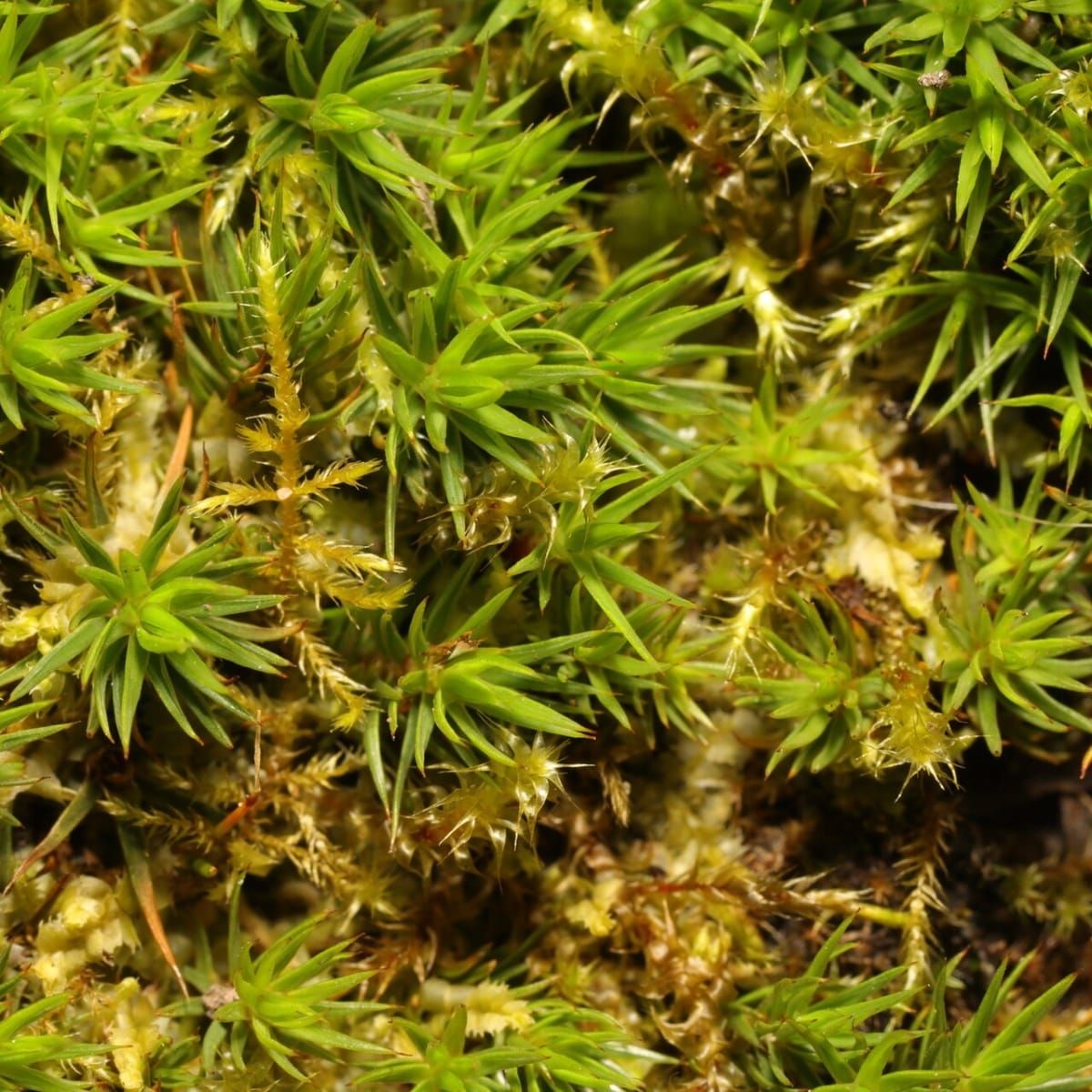
Cover picture: Polytrichum juniperinum by Stephen James McWilliam (Wikimedia Commons).