
Cells, Genes & Molecules
Why won’t your African Violets stay the same colour?
Your colour-changing African violets aren’t misbehaving. They’re using sophisticated molecular switches that regulate their genes.

Cells, Genes & Molecules
Your colour-changing African violets aren’t misbehaving. They’re using sophisticated molecular switches that regulate their genes.
Cells, Genes & Molecules
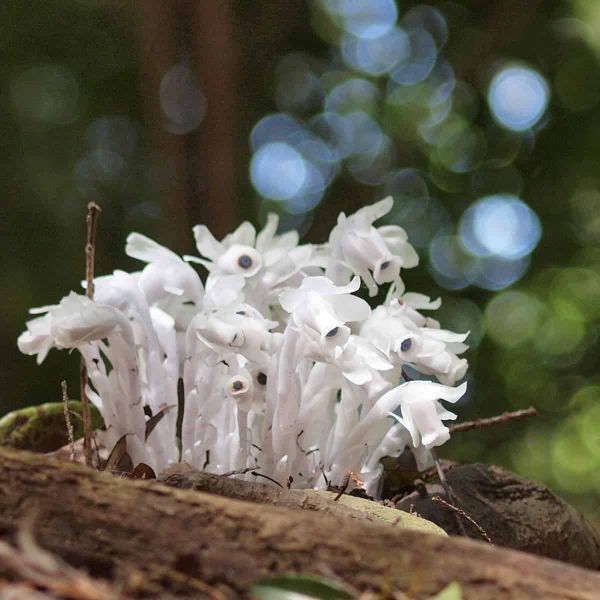
Why would you make leaves that are all cost and no benefit? A ghost plant puzzle is solved.

Cells, Genes & Molecules
A new metabolic model identifies the genetic basis of salt stress resilience in plants.
Cells, Genes & Molecules
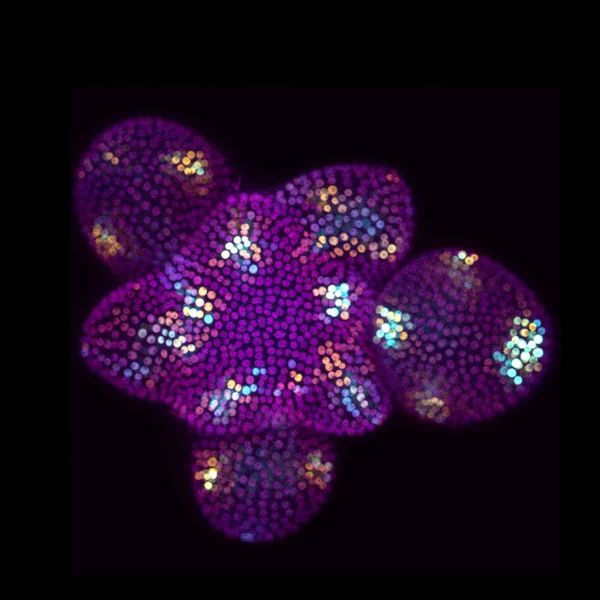
You might expect the instructions a cell receives to make a flower to be precise, but the response to those instructions isn’t.
Cells, Genes & Molecules
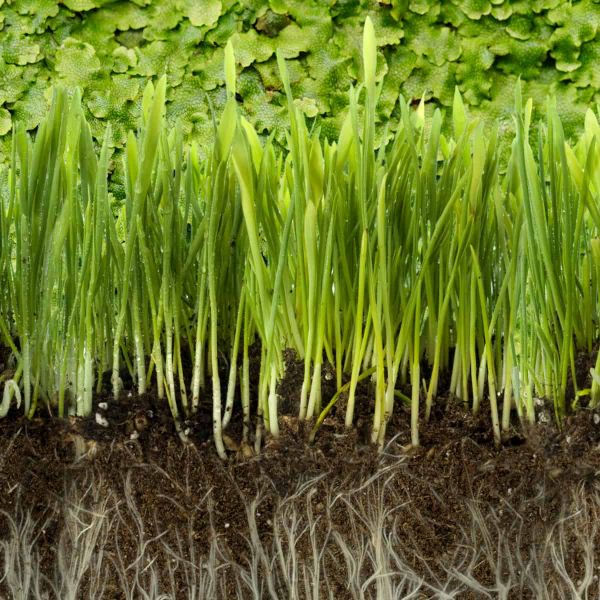
Even plants that don’t have roots have genes to make them, so what is it that these genes are up to?
Cells, Genes & Molecules
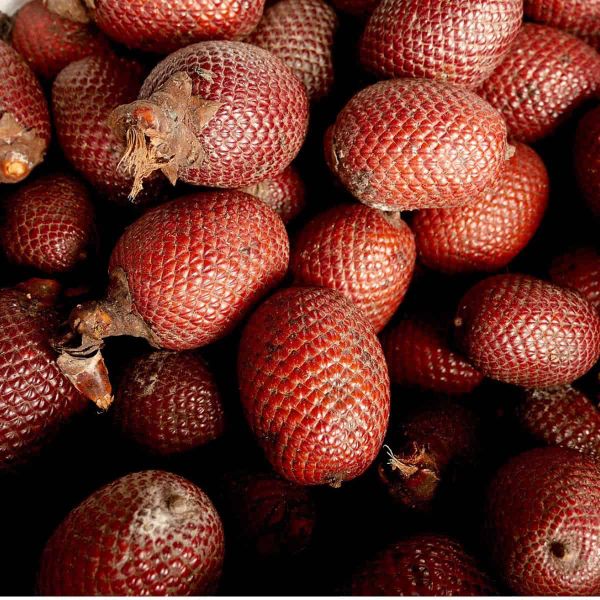
Buriti seeds may be sensitive to drying out, but a thorough analysis of their anatomy and physiology reveals surprising resilience to water stress.

Cells, Genes & Molecules
Cherry trees are beloved for their beautiful white blooms in spring and juicy red fruits in summer. Their productivity is, however, threatened by global warming. Goeckeritz and colleagues analysed floral development in sour cherry and their results published in the Journal of Experimental Botany can
Cells, Genes & Molecules
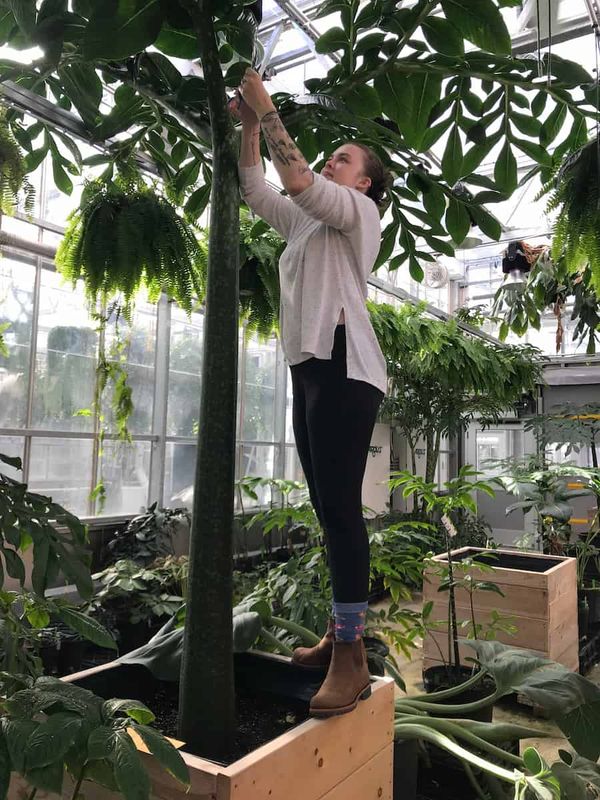
Scientists built a pedigree of Titan Arum, a rare and endangered plant, and found that botanic gardens might be unintentionally reducing its genetic diversity.
Cells, Genes & Molecules
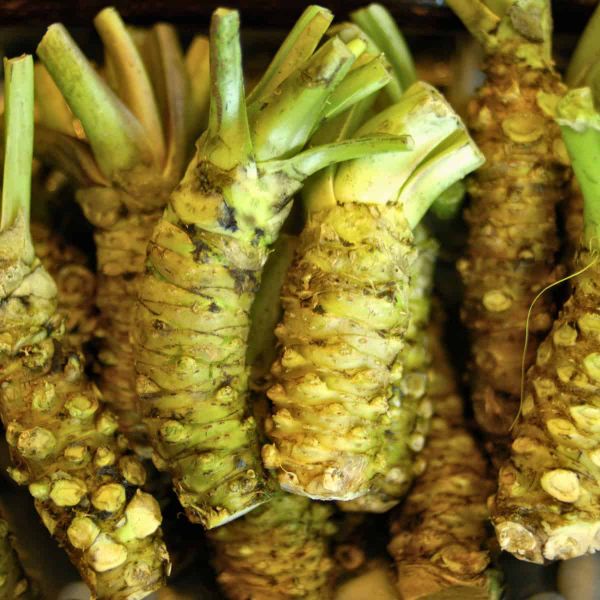
The genes that help plants draw in carbon dioxide also help plants kick out poisons when herbivores visit.
Cells, Genes & Molecules
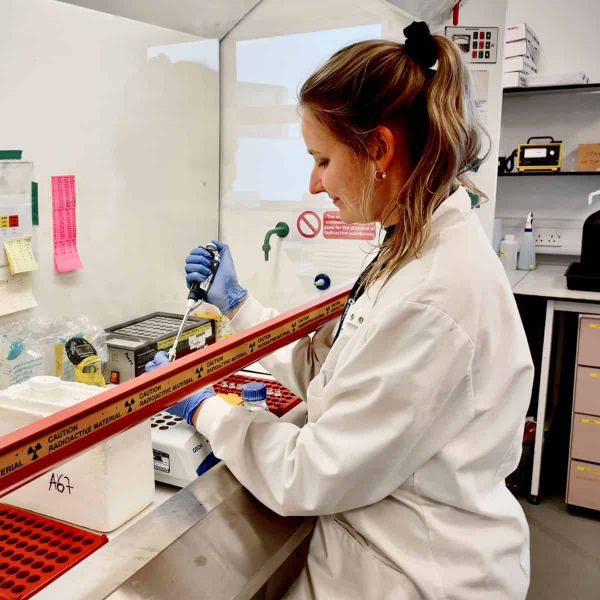
Researchers describe a new method for accurately measuring the activation state and quantity of Rubisco.
Cells, Genes & Molecules
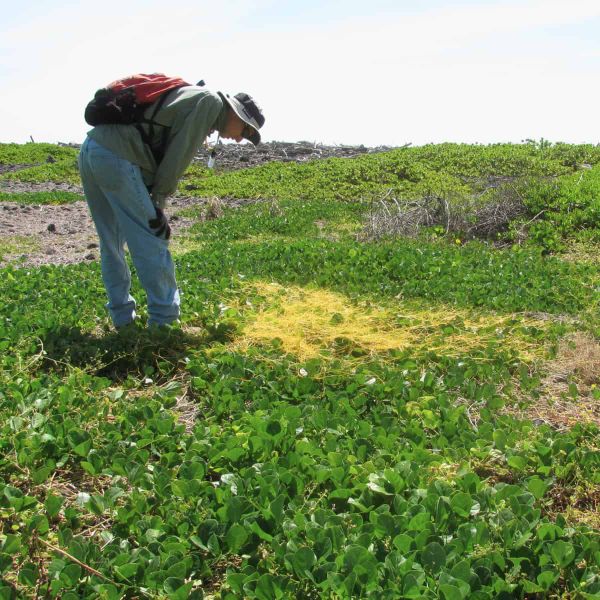
Scientists discover the gene that gives parasitic dodder its “sense of touch” that makes it an effective predator on host plants.

Cells, Genes & Molecules
A new technique inflates plant cells, turning ordinary microscopes into super-powered tools.