
On this day in 1991, two German tourists stumbled upon the remains of a mountaineer in the Ötztal Alps, between Italy and Austria. They alerted the Austrian police and the Italian Carabinieri. What they found was not a recent death, but a Bronze Age traveller caught in the mountain pass. Nicknamed Ötzi, he proved a botanical treasure trove.
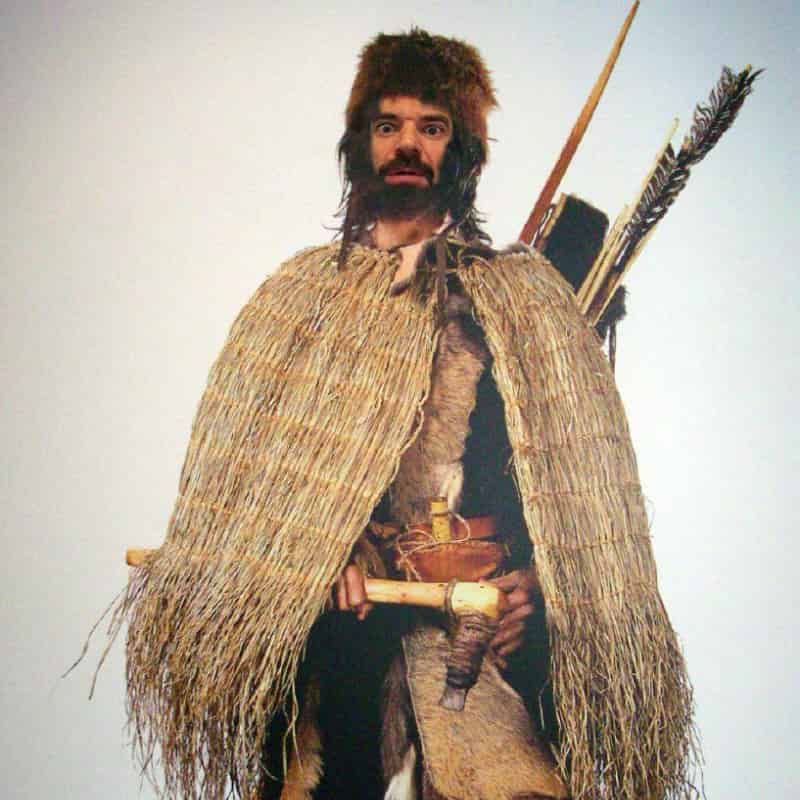
He carried a copper axe with a yew handle, wore a grass cape and stuffed his shoes with grass. In his guts there was einkorn bread, indicating he came from a farming society. But forensic palynologist, Klaus Oeggl, found clues about Ötzi’s final days by examining the pollen in his guts.
His gut effectively worked as a stratified record of his final hours. Low in his gut was pine and spruce pollen, indicating he’d been near the tree line. Higher up the alimentary canal was hop hornbeam pollen, which means he must have come down to lower altitudes before returning to the heights where he died. Further, the condition of the pollen showed that he must have been in the area between March and June, because the sperm cell inside the grain was still intact.
Upon returning to the heights, he died, to be uncovered over 5000 years later as a mummy, the plant remains bearing witness to his life.
How to Play
Six plants fill each row
each column, each box of six
no bloom may repeat
Tap an empty cell
then choose your plant from below
watch the garden grow
Or pick a plant first
then tap the cells where it goes
faster hands plant more
Red borders will warn
when two alike share a line
rethink and replant
Ticked plants rest complete
all six placed in rightful soil
fewer choices left
The clock starts to run
the moment your first plant falls
how swift is your hand?
Select a plant, then tap cells
Two ways to play: Tap an empty cell then pick a plant, or select a plant below then tap cells to place it.
Cover image: Melotzi5713, CC BY-SA 4.0 , via Wikimedia Commons