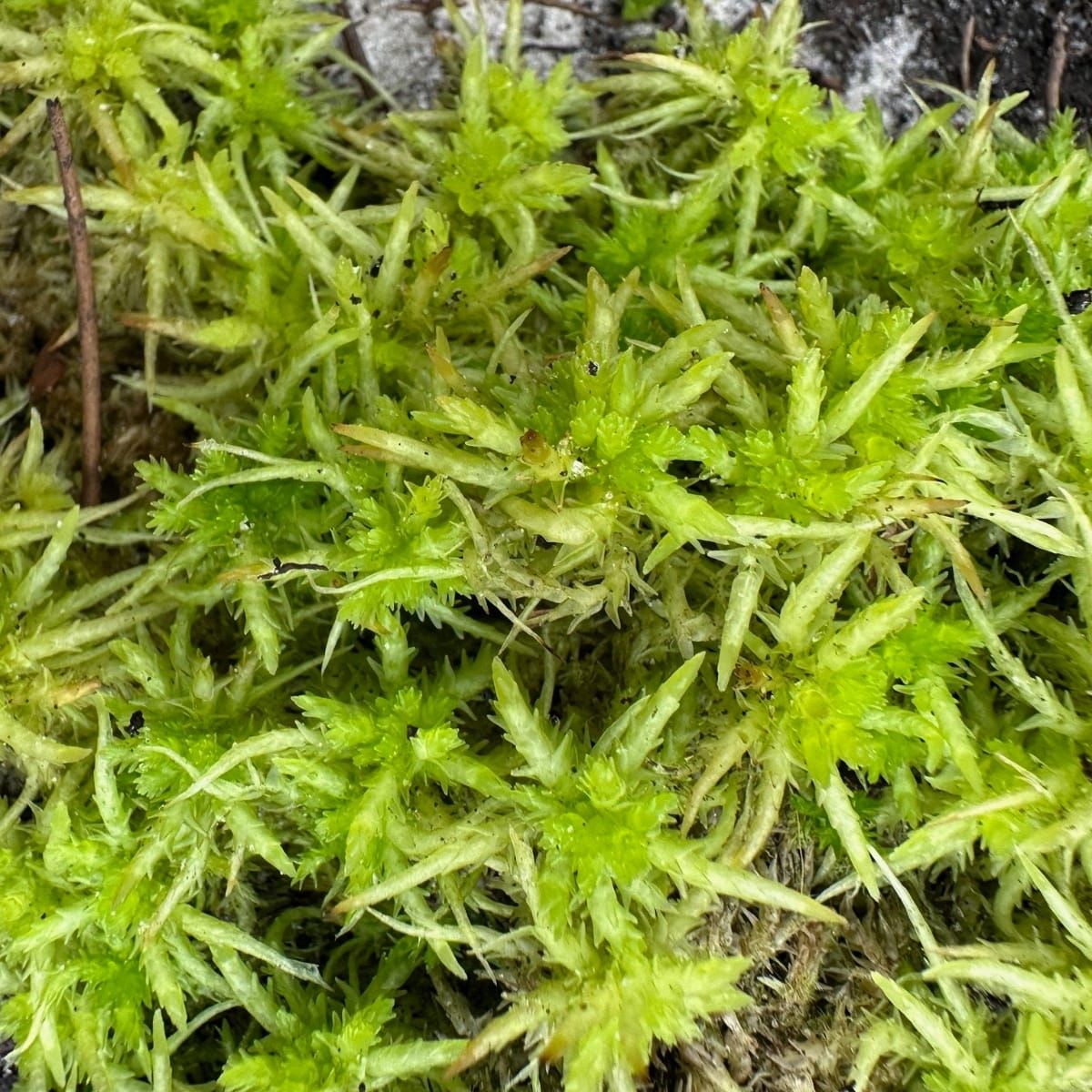

For a few months now, Pablo O. Santos has been bringing us fascinating stories about the world of bryophytes — the group of plants that includes mosses, liverworts and hornworts. It was therefore high time that one of these plants featured in Plant of the Week, and what better choice than the iconic Sphagnum palustre?
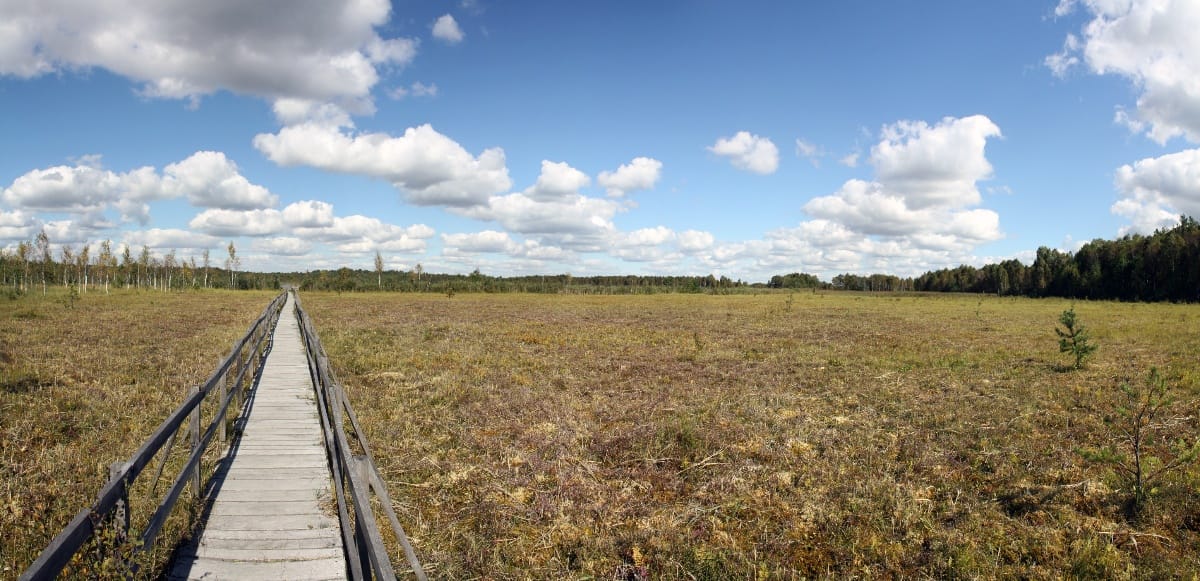
Sphagnum palustre, commonly known as prairie sphagnum, prairie peatmoss or blunt-leaved bogmoss, is a widespread peat moss found across Europe and parts of the Americas, Australia and New Zealand. It is usually associated with wet habitats such as bogs, marshy ground and wet forests. Although native across much of its range, it has also become invasive on Mount Kaʻala, Oʻahu, Hawaiʻi, where it was introduced around 1960 and has spread through the island’s high-elevation bog habitat.
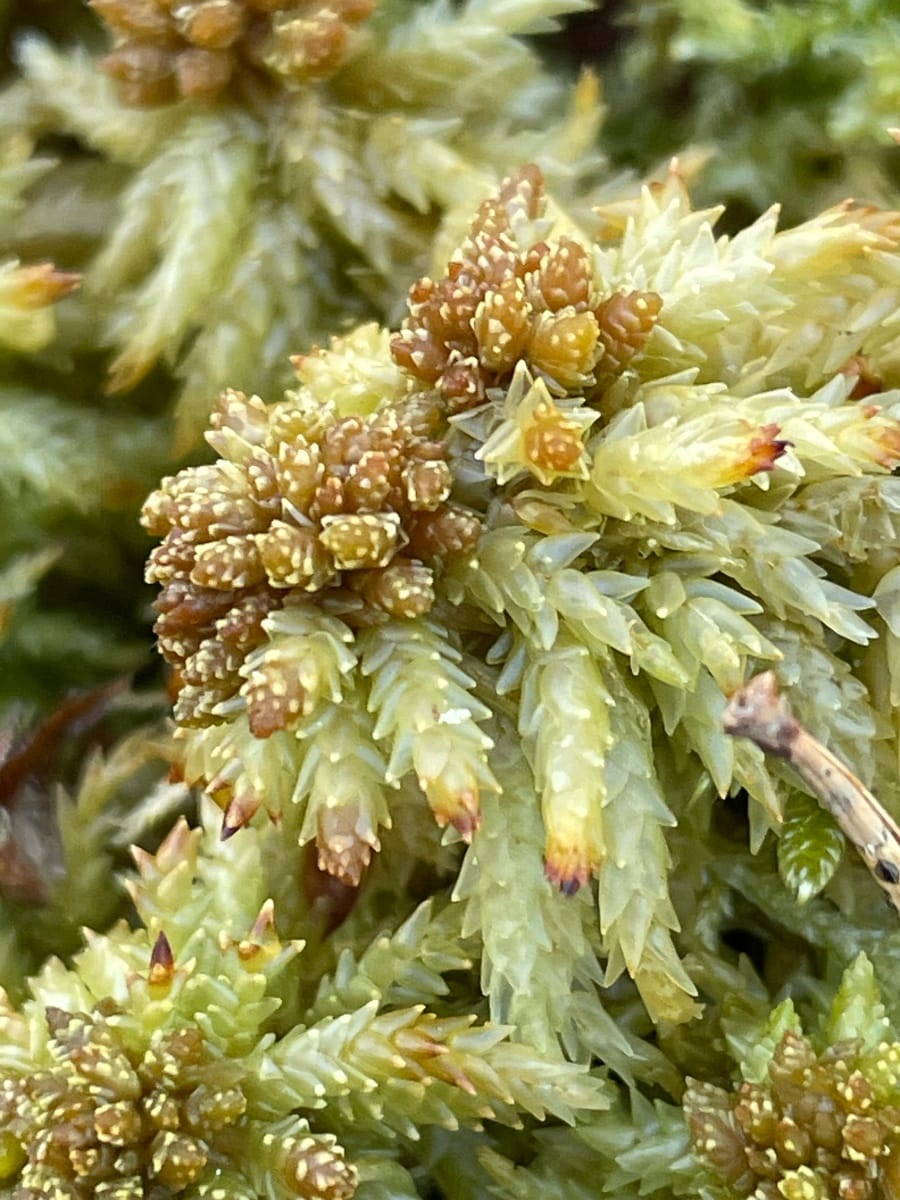
One of the most remarkable features of Sphagnum palustre is its ability to behave like a living sponge. Like other Sphagnum mosses, it can hold enormous amounts of water in relation to its dry mass: at least 30 times its dry weight, and sometimes more depending on the conditions. This helps explain why Sphagnum mosses are so important in bogs and other wetland ecosystems, where they help regulate moisture and create the waterlogged conditions that shape the whole habitat.
This extraordinary capacity comes from the moss’s structure. Sphagnum plants contain specialised empty cells, known as hyaline cells, which can store water, but much of the water is also held outside the cells, in the tiny spaces between branches and plants. In other words, a patch of Sphagnum palustre is a miniature water-storage system, built from cells, stems, branches and the spaces between them. This ability to soak up and retain water helps the plant survive dry periods and gives Sphagnum its powerful role as an ecosystem engineer.
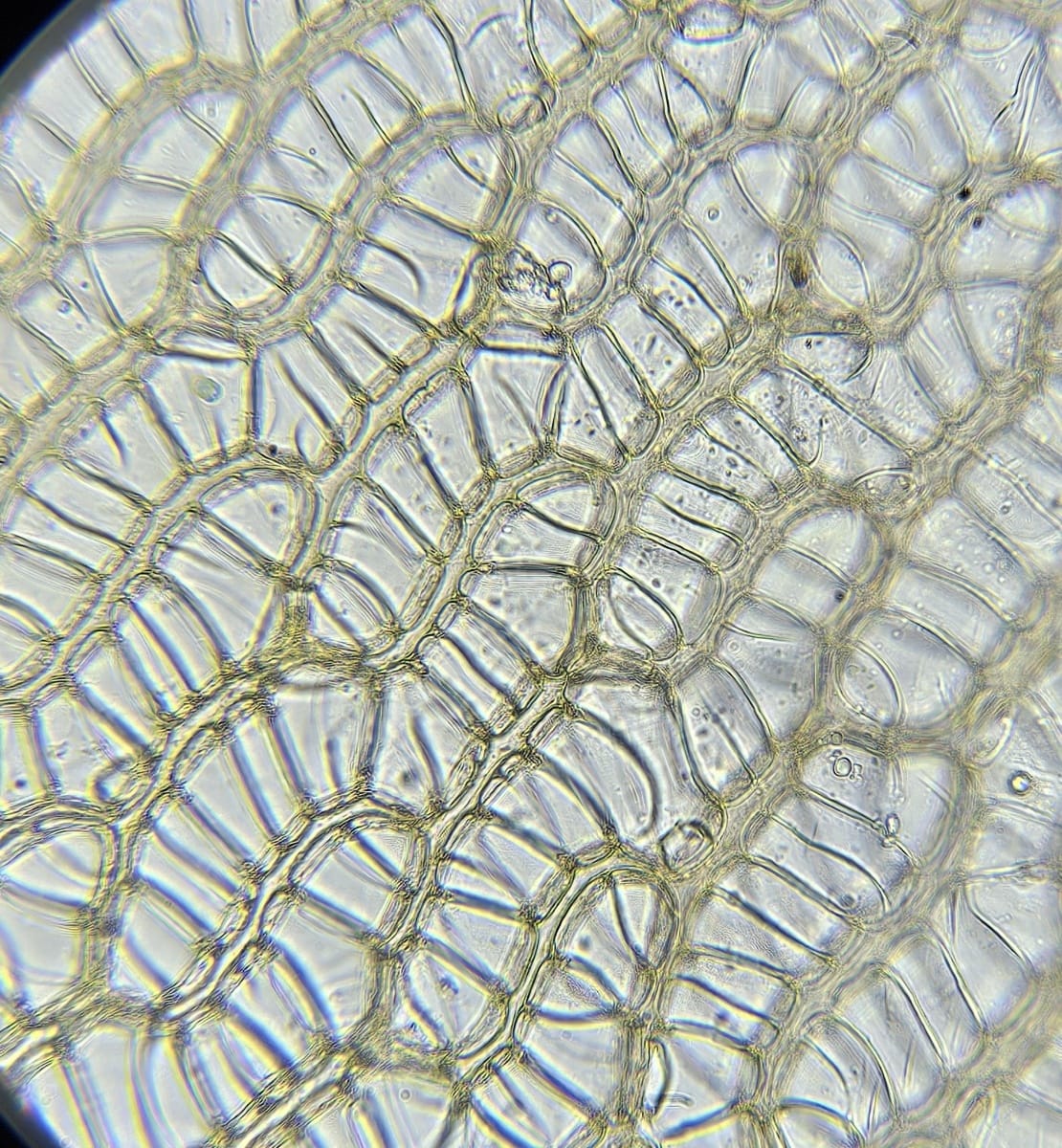
By keeping habitats wet and acidic, Sphagnum slows decomposition and allows peat to build up over time. That makes Sphagnum palustre more than a soft green carpet underfoot. It is one of the small plants behind one of the planet’s great natural carbon stores: peatlands. Although these wetlands cover only a small fraction of Earth’s land surface, they hold vast amounts of carbon accumulated over centuries or even millennia. In this way, a moss that survives by holding on to water also helps keep carbon locked away from the atmosphere.
Cover image: Sphagnum palustre. Photo by Janet Wright (iNaturalist, CC BY-NC 4.0).