
The email is a little late this week, partly because I'm behind in work and partly because I need to learn when to give up. Sometimes information is difficult to get. This isn't the difference between Open Access and Paywall papers. This is about publishers making difficult to get to basic information, like the abstract. Next week, if a publisher makes a point of preventing me getting to getting to the basic information, I might just quietly boot it from the list. Preventing access to basic information unless you sign in, confirm you don't want another account for personalisation, and don't want a helpful AI assistant is like adding a "no publicity" sign to a paper. As usual, papers behind a paywall are marked 💰 otherwise they're free to access at time of checking.
How this works
We scan posts by people on the Botany Auto list and pull out the entries with links to papers. Every time a paper gets a post written about it it gets 4 points. It gets 3 points for a repost and 1 point for a like.
We try to add people to the Botany Auto post, if they post about Botany (doesn't have to be links to papers) around 20% of the time or more. The belief is that because the list as a whole shares an interest in plants, it's this material that tends to rise to the top.
If you think you should be on the Botany Auto list, but aren't, please drop a message to @botany.one on Bluesky.
1. NO VEIN is an ancestral immunity protein involved in plant-virus interaction
Lågeide, E. et al. · bioRxiv · 1 post · 67 likes · 31 reposts on Bluesky
Here we show that NO VEIN (NOV), a plant protein previously characterized for its essential developmental roles in Arabidopsis thaliana, shares domain composition and structural similarity with Tiamat, a bacterial antiphage protein. In light of the antiviral function of the bacterial protein, we asked whether NOV is involved in plant-virus interactions.
Gal Ofir @galofir.bsky.social · on Bluesky
A new plant-bacteria immunological connection in the first preprint of our group at @mpi-bio-fml.bsky.social @plantevolution.bsky.social!
Straight from the top of Mt. Olympus ⛰️🦅
Led by Eirik @eiriklag.bsky.social, in collaboration with @geminiteamlab.bsky.social
www.biorxiv.org/content/10.6...
 View on Bluesky →
2. Arabidopsis cysteine protease RD19 limits RBOHD-generated ROS production in pattern triggered immunity
Hessler, G. et al. · bioRxiv · 2 posts · 39 likes · 25 reposts on Bluesky
Plants perceive pathogenic threats through receptors localized at the plasma membrane and inside cells to initiate pattern-triggered immunity (PTI) and effector-triggered immunity (ETI), respectively. PTI and ETI pathways are interconnected and partially converge on the EDS1-PAD4-ADR1 branch which stimulates anti-pathogen defence. Besides these canonical immune pathways, proteolysis plays a pivotal role in immunity by regulating the abundance and activities of diverse components. We previously identified Arabidopsis papain-like cysteine protease RD19 as a PAD4 interactor and showed that RD19 promotes resistance to host-adapted pathogens. Here, we investigated the contribution of RD19 to bacterial flg22 and nlp20 elicited PTI responses which exhibit, respectively, partial and high PAD4 dependence.
Giuliana Hessler @giurassicpark.bsky.social · on Bluesky
🌱New preprint 🎉
I am happy to share this last work of my PhD research!
We uncover a novel role of cysteine protease RD19 in immunity. RD19 regulates RBOHD-generated ROS and is required for induced resistance responses.
www.biorxiv.org/content/10.6...
More details in the thread below! 🧵
3. Large‐scale nuclear and plastid phylogenomic analyses inform an updated Angiosperm Phylogeny Group classification: APG V
Byng, J. W. et al. · Journal of Systematics and Evolution · 1 post · 19 likes · 18 reposts on Bluesky
We present here a revision of the APG classification that considers the extensive recent analyses of hundreds of nuclear and plastid genes for many angiosperm species.
Journal of Systematics and Evolution @journalsysevo.bsky.social · on Bluesky
APG V, the 5th community-based classification of flowering #plants, is now available!
This revision of the APG #classification marks a shift from mainly #plastid-based classification to nuclear-#genome-informed #systematics.
🆓 doi.org/10.1111/jse....
@wileyecology.bsky.social
4. Sensing water excess: COSR channels mediate hypoosmotic Ca2+ signaling in plants 💰
Grenzi, M., Zhao, Y., Costa, A. · Molecular Plant · 1 post · 15 likes · 8 reposts on Bluesky
Beyond identifying new Ca2+-permeable channels, this study highlights the importance of plant water homeostasis: both water deficiency and water excess can threaten plant survival. In addition to osmotic changes, temperature fluctuations, touch, and cellular or organellar movements can also generate mechanical forces, with different channels potentially contributing to distinct aspects of the resulting Ca2+ signals.
Alex Costa @labcosta.bsky.social · on Bluesky
Too much water can be a challenge for plants, too! 🌱💧 Our new Spotlight in Molecular Plant explores how COSR channels link hypoosmotic stress to Ca²⁺ signaling.
Happy to share this piece with Matteo Grenzi and Yang Zhao!
doi.org/10.1016/j.mo...
 View on Bluesky →
5. A helper NLR monitors catalytic perturbation of a vesicle trafficking regulator targeted by pathogen effectors
Yuen, E. L. H. et al. · bioRxiv · 1 post · 16 likes · 7 reposts on Bluesky
Plants rely on vesicle trafficking for immunity, yet pathogens deploy effectors to reprogram these pathways. NLR immune receptors can monitor trafficking components, but how plants detect effector perturbation of the enzymatic regulators controlling these pathways remains unclear. Here, we show that TOPGAP, a Rab GTPase-activating protein and susceptibility factor, couples effector activity to immune signaling involving the helper NLR NRC4. PiE355 and TIKI, related effectors from two Phytophthora species, bind the N-terminal regulatory domain of TOPGAP and trigger cell death requiring TOPGAP and its C-terminal GAP activity.
bioRxiv Plant Bio @biorxiv-plants.bsky.social · on Bluesky
A helper NLR monitors catalytic perturbation of a vesicle trafficking regulator targeted by pathogen effectors https://www.biorxiv.org/content/10.64898/2026.10.06.757045v1
View on Bluesky →6. The TARGET OF RAPAMYCIN (TOR) kinase controls shade-mediated hypocotyl elongation responses in Arabidopsis.
Courbier, S. et al. · 1 post · 20 likes · 5 reposts on Bluesky
Plants perceive neighboring vegetation through an enrichment of far-red light (shade) in the environment. These changes in light quality trigger molecular and physiological responses aimed at outgrowing competitors, collectively known as the shade avoidance syndrome. In this study, we identify the TARGET OF RAPAMYCIN (TOR) complex 1 (TORC1), a major growth-regulating hub in eukaryotes, as a driver of shade-mediated growth responses in plants.
DOMPS @domps-ufr.bsky.social · on Bluesky
"It takes TOR to Tango"
Today, @scourbier.bsky.social showed how TARGET OF RAPAMYCIN activity is involved in shade mediated hypocotyl elongation.
Curious? Check out the pre-print doi.org/10.64898/202...
📆Oct 09 #PlantScience
 View on Bluesky →
7. Jasmonate-induced expansion of the MYC2 cistrome occurs within a preconfigured chromatin landscape
Linkan Dash et al. · bioRxiv · 1 post · 13 likes · 7 reposts on Bluesky
The transcription factor (TF) MYC2 is a central regulator of jasmonate (JA) signaling, yet its genome-wide occupancy has primarily been characterized using transgenic lines expressing tagged MYC2 proteins, leaving the dynamics of the native MYC2 cistrome unresolved. Here, using a MYC2-specific antibody, we define the wildtype MYC2 cistrome in Arabidopsis thalianaunder basal and JA-induced conditions.
Chenxin Li, PhD @chenxinli2.bsky.social · on Bluesky
Increase in MYC2 binding sites rather than increase in chromatin accessibility upon JA signaling. #PlantScience
From: www.biorxiv.org/content/10.6...
8. RefPlantNLR is a comprehensive collection of experimentally validated plant disease resistance proteins from the NLR family
Kourelis, J. et al. · PLOS Biology · 1 post · 18 likes · 5 reposts on Bluesky
Reference datasets are critical in computational biology. They help define canonical biological features and are essential for benchmarking studies. Here, we describe a comprehensive reference dataset of experimentally validated plant nucleotide-binding leucine-rich repeat (NLR) immune receptors. RefPlantNLR consists of 481 NLRs from 31 genera belonging to 11 orders of flowering plants. This reference dataset has several applications. We used RefPlantNLR to determine the canonical features of functionally validated plant NLRs and to benchmark 5 NLR annotation tools.
Sophien Kamoun @kamounlab.bsky.social · on Bluesky
PSA: Clustering proteins into orthogroups (OGs) based on overall sequence similarity can be highly misleading for proteins with variable domain architectures, such as NLR immune receptors
Figure from #RefPlantNLR doi.org/10.1371/jour...
 View on Bluesky →
9. The NAC transcription factor SOMBRERO controls auxin gradients for columella root cap maturation and turnover 💰
Wang, P. et al. · Proceedings of the National Academy of Sciences · 2 posts · 16 likes · 4 reposts on Bluesky
The plant root cap consists of continuously renewed cells that collectively protect meristematic stem cells, sense environmental stimuli, and guide root growth direction. Auxin gradients within the root cap are essential for cell turnover, root responses to external cues, and root cap development. However, our understanding of how the auxin gradient is established and maintained remains limited. Here, we show that the root cap-specific NAC transcription factor SOMBRERO (SMB), previously implicated in root cap maturation, turnover, and programmed cell death, coordinates auxin homeostasis, and signaling in the columella root cap.
Daniel von Wangenheim @dvonwangenheim.bsky.social · on Bluesky
Every root tip wears a cap of cells which sheds off about every 36 h. The gene SOMBRERO helps shape the auxin gradient that keeps it orderly. Without it, cells fall off one by one. Byung-Ho Kang lab (CUHK) followed root tips for >100h on a PlantScope @the.3i.social
doi.org/10.1073/pnas.2615485123
10. Novel perspectives on cysteine-dependent enzymes and processes in photosynthetic organisms 💰
Moseler, A. et al. · Journal of Experimental Botany · 1 post · 10 likes · 7 reposts on Bluesky
In this review, we summarize current knowledge about cysteine homeostasis, cysteine signaling in immunity and cysteine-dependent sulfur trafficking. We also illustrate the importance of cysteine signaling through the synthesis of hydrogen sulfide by describing the diversity of cysteine desulfhydrases in photosynthetic organisms, and by discussing their roles in plant physiology.
Journal of Experimental Botany @jxbotany.bsky.social · on Bluesky
🌿🔬 REVIEW 🔬🌿
The physiological roles of cysteine-dependent processes and enzymes in photosynthetic organisms are reviewed, with emphasis on cysteine desulfhydrases - Moseler et al.
🔗 doi.org/10.1093/jxb/...
#PlantScience 🧪
 View on Bluesky →
11. A single‐nucleus transcriptomic atlas reveals distinct cell identities and key regulators of cellular differentiation during early rice seed development 💰
Liu, Y. et al. · Journal of Integrative Plant Biology · 2 posts · 9 likes · 5 reposts on Bluesky
The early morphogenesis of the embryo and endosperm sets the upper limit of rice grain yield; yet, the cellular dynamics and regulatory mechanisms underlying this critical stage remain largely elusive. Here, we present a single‐cell atlas of developing rice seeds based on single‐nucleus RNA sequencing of 67,922 high‐quality nuclei from rice caryopses. Integration with bulk RNA‐seq, in situ hybridization, and promoter‐GUS staining enabled systematic cell‐type annotation and revealed a distinct population of embryo–endosperm interface (EEI) cells occupying the boundary between the developing embryo and endosperm.
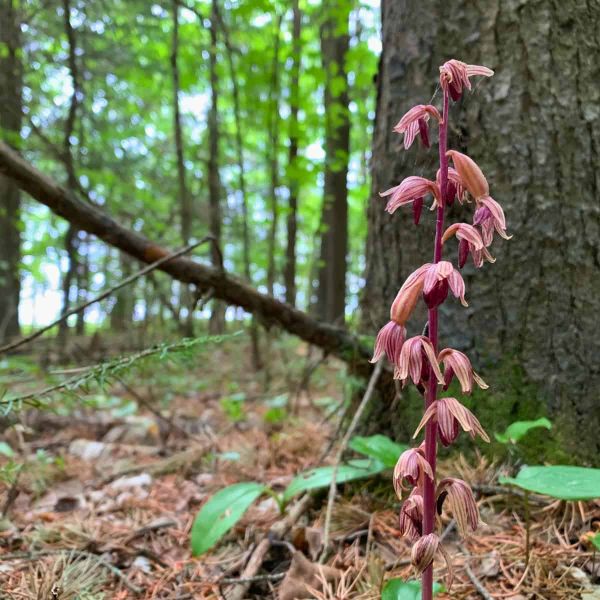
12. Corallorhiza striata is the first example of a pseudocopulatory orchid in North America and an instance of “double deception” in fully mycoheterotrophic plants
Freudenstein, J. V., Barrett, C. F. · American Journal of Botany · 2 posts · 9 likes · 4 reposts on Bluesky
Orchids have many pollination strategies, from highly species‐specific mutualisms with insects to deceit pollination, including sexual deception. The family also has the most leafless, parasitic species (mycoheterotrophs) of any plant family. The occurrence of two types of deception simultaneously in individuals of a single species previously has been suggested to be highly improbable. We studied Corallorhiza striata in the field, documenting the behavior of pollinators on the plants.
13. Floral bilateral symmetry: one axis, many details
Min, Y. · New Phytologist · 1 post · 12 likes · 4 reposts on Bluesky
Symmetry is a major component of floral diversity. Most flowers are radially or bilaterally symmetric, with bilateral symmetry (monosymmetry) having evolved repeatedly from radial ancestors. Since the identification of the dorsal identity gene CYCLOIDEA ( CYC ) in snapdragon, floral monosymmetry has become a classic example of convergent evolution through repeated recruitment of the same developmental program. Here, I examine three key questions concerning CYC function and regulation, summarize current mechanistic insights, and highlight directions for future research.
14. Networks in plant nitrate foraging: From model plants to crop improvement 💰
Liu, B., Fang, X., He, K. · Journal of Integrative Plant Biology · 1 post · 9 likes · 5 reposts on Bluesky
Land plants must cope with the spatiotemporal heterogeneity of soil nutrients. During evolution, plants have developed sophisticated systems to perceive nutrient distribution and adaptively remodel their root system architecture (RSA) to maximize nutrient acquisition while minimizing energy expenditure. This process, referred to as nutrient foraging, involves local nutrient perception at the root, signal integration in the shoot, and subsequent RSA adjustment. Over the past decade, significant progress has been made in understanding how plants sense spatially heterogeneous nutrient availability and how systemic signals coordinate root development.
15. Cell wall integrity and elicitor peptide signaling modulate jasmonic acid‐mediated camalexin production in Arabidopsis 💰
Morton, R. N. et al. · New Phytologist · 2 posts · 6 likes · 4 reposts on Bluesky
Plant cell walls constitute dynamic barriers that are essential for defense against pathogens. Beyond a structural role in blocking pathogen infection, innate mechanisms monitor cell wall integrity (CWI) in Arabidopsis thaliana and trigger local responses where integrity is impaired. Here, we show that THESEUS1 (THE1)‐dependent CWI signaling induces accumulation of the antimicrobial metabolite camalexin upon cell wall damage (CWD) caused by isoxaben (ISX)‐induced cellulose biosynthesis inhibition or infection with the phytopathogenic fungus Colletotrichum higginsianum.
16. FE DEFICIENCY-INDUCED KELCH REPEAT PROTEIN 1 (FDK1) links coumarin metabolism and iron homeostasis during alkaline iron deficiency in Arabidopsis
Mai, H. J. et al. · bioRxiv · 1 post · 6 likes · 4 reposts on Bluesky
Although iron (Fe) is abundant in soils, its low solubility, particularly under alkaline conditions, often limits plant Fe acquisition. Under these conditions, coumarin-mediated Fe mobilization becomes increasingly important. Arabidopsis thaliana FE DEFICIENCY-INDUCED KELCH REPEAT PROTEIN 1 ( FDK1 , AT3G07720) is strongly induced by Fe deficiency and regulated by the central transcription factor FIT, but its function is unknown. We investigated FDK1 using genetic, physiological, metabolite, and transcriptomic analyses.
17. Pine wilt disease as a holobiont disorder: microbiome assembly as a potential management target
Pires, D. et al. · 1 post · 6 likes · 4 reposts on Bluesky
Pine wilt disease (PWD), caused by the pinewood nematode (PWN) Bursaphelenchus xylophilus, continues to expand globally despite decades of pathogen-focused management. Here, we propose that disruption of microbiome assembly within the pine holobiont may contribute to disease progression and help explain variation in disease outcomes and responses to microbial interventions.
18. Feasibility and reliability of farmer-recorded plant diversity indicators in European grasslands
Staton, T. et al. · Agriculture, Ecosystems & Environment · 1 post · 11 likes · 2 reposts on Bluesky
Monitoring is essential for evaluating policies that promote grassland biodiversity, but conventional expert-led surveys are costly and difficult to scale. Farmer-led biodiversity recording offers a potential solution, but its feasibility and reliability remain uncertain. This study aimed to assess whether farmer-recorded indicators can provide reliable and practical measures of grassland plant diversity that could support broader biodiversity monitoring and assessment of public goods delivery.
19. Petal infrared transmission warms flowers and reduces microbial abundance
Williams, J. N. et al. · New Phytologist · 2 posts · 7 likes · 2 reposts on Bluesky
Flowers create distinct internal microclimates, yet how these conditions filter microbial abundance remains poorly understood. We tested whether petal light transmission and internal floral temperature influence microbial abundance in two co‐occurring species, Lyonia lucida and Lyonia fruticosa (Ericaceae), which have translucent petal ‘windows’ that modify internal light environments.
20. A cryptic START domain regulates deeply conserved transcription factors
Dresden, C. E. et al. · The Plant Cell · 1 post · 7 likes · 3 reposts on Bluesky
Transcription factors (TFs) integrate a diverse array of inputs to achieve the exquisite control of gene expression necessary for life. In plants, this is exemplified by the deeply conserved CLASS III HOMEODOMAIN LEUCINE ZIPPER (HD-Zip III) family of TFs. HD-Zip III activity is controlled by inputs at transcriptional, post-transcriptional, and post-translational levels. As part of their multidomain architecture, HD-Zip III TFs contain a StAR-related lipid transfer (START) domain, a ubiquitously distributed evolutionary module that binds various types of lipophilic ligands. Here, we show that HD-Zip III and HD-Zip IV proteins contain an additional cryptic, deeply conserved START domain which we term the disorder-containing START domain (dSTART). The dSTART domain is required for HD-Zip III developmental function, promoting homodimerization and controlling subcellular localization and DNA-binding competence.
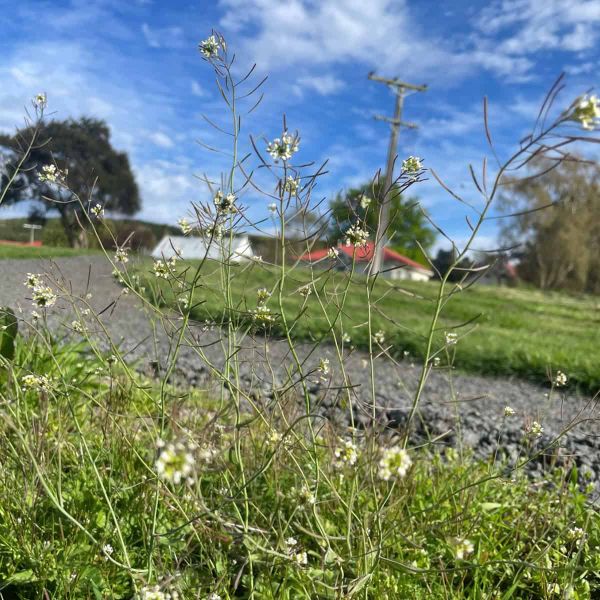
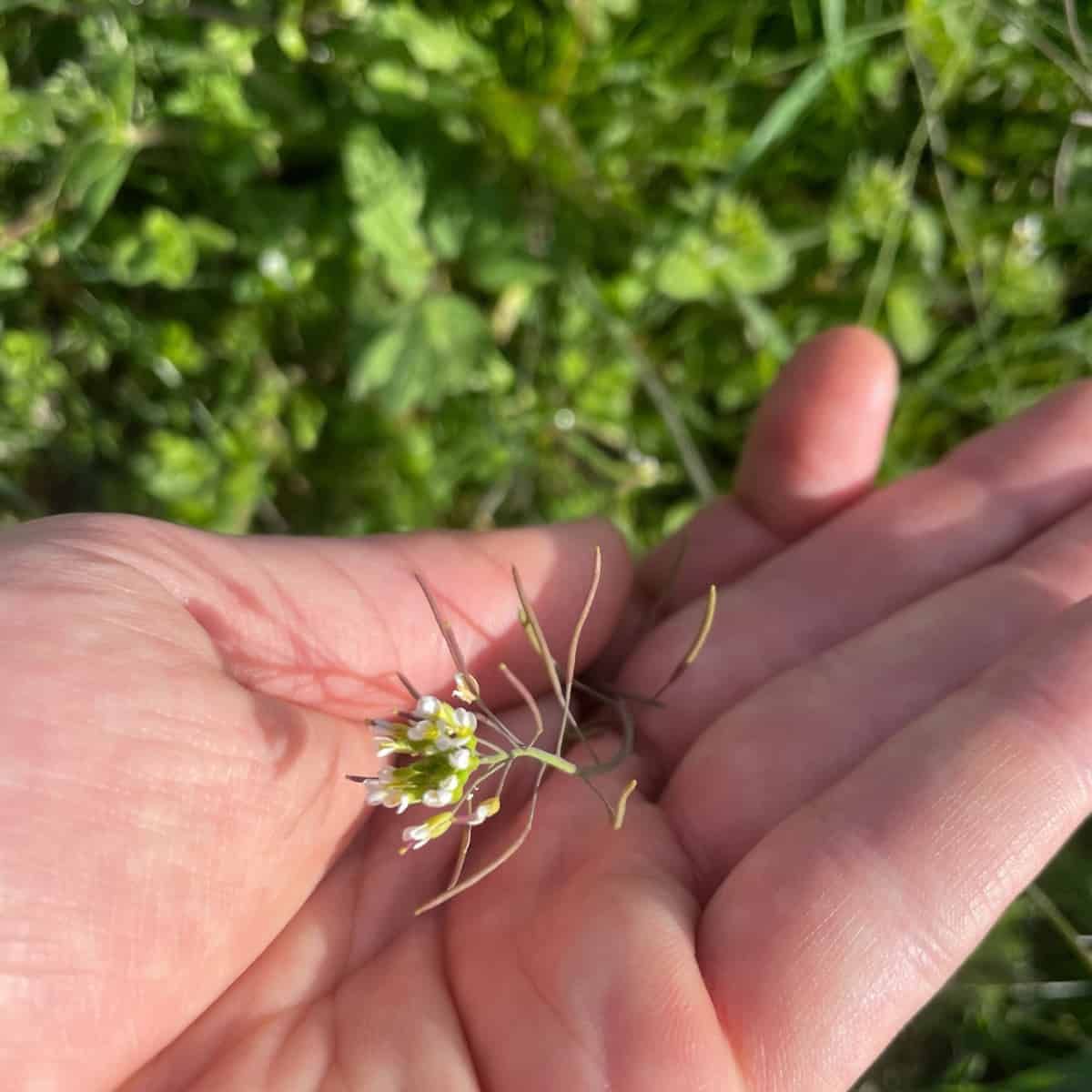
Cover image: Arabidopsis thaliana by Andrew Matheson CC BY-NC