
Pollen and nectar are two of the most important resources for bees. They provide protein, fats and essential minerals, but sodium is a scarce component in both. On average, one pollen grain contains less than 0.01 per cent sodium, while one microlitre of nectar contains about 0.008 per cent. This means that bees have to seek this mineral wherever they can find it.
At the same time, too much salt can become a problem. Human activities are increasing the amount of salt in terrestrial ecosystems through road salt, irrigation and other forms of environmental change. As salt accumulates in soils, consequences for natural communities emerge.
Previous research has shown that salt can move from soil into plants and change their interactions with insects. Leaves, for example, can become richer in sodium, affecting herbivores that eat them. Salt can also make flowers more attractive to pollinators. Experiments adding sodium to nectar have repeatedly found almost twice as many pollinator visits, suggesting that bees actively seek this scarce nutrient.
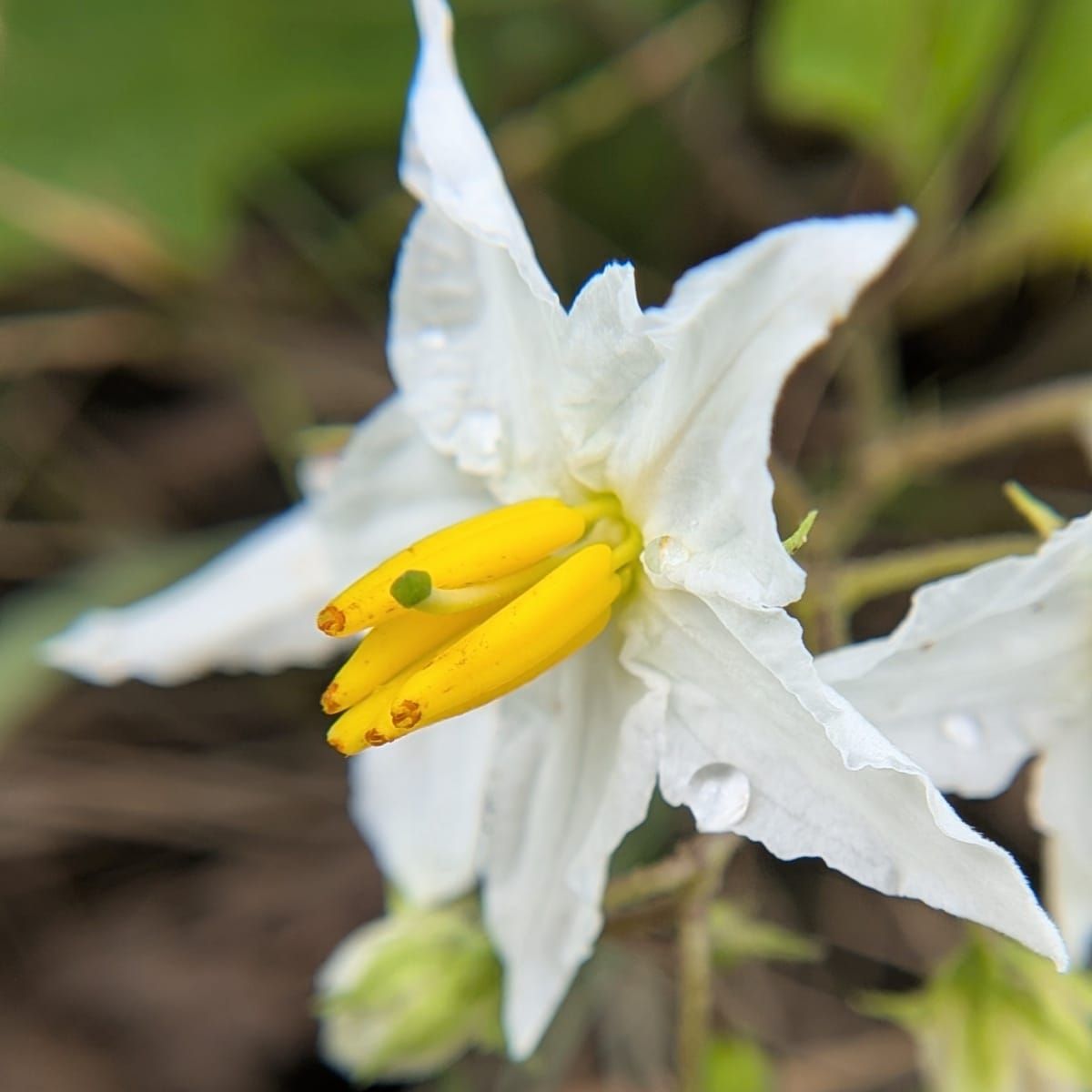
But what about pollen? Could salt excess make pollen more attractive to bees, as it does nectar? To answer this question, Kylie Bill and David E. Carr conducted an experiment with Carolina horsenettle (Solanum carolinense), a wildflower that depends on insects for pollination.
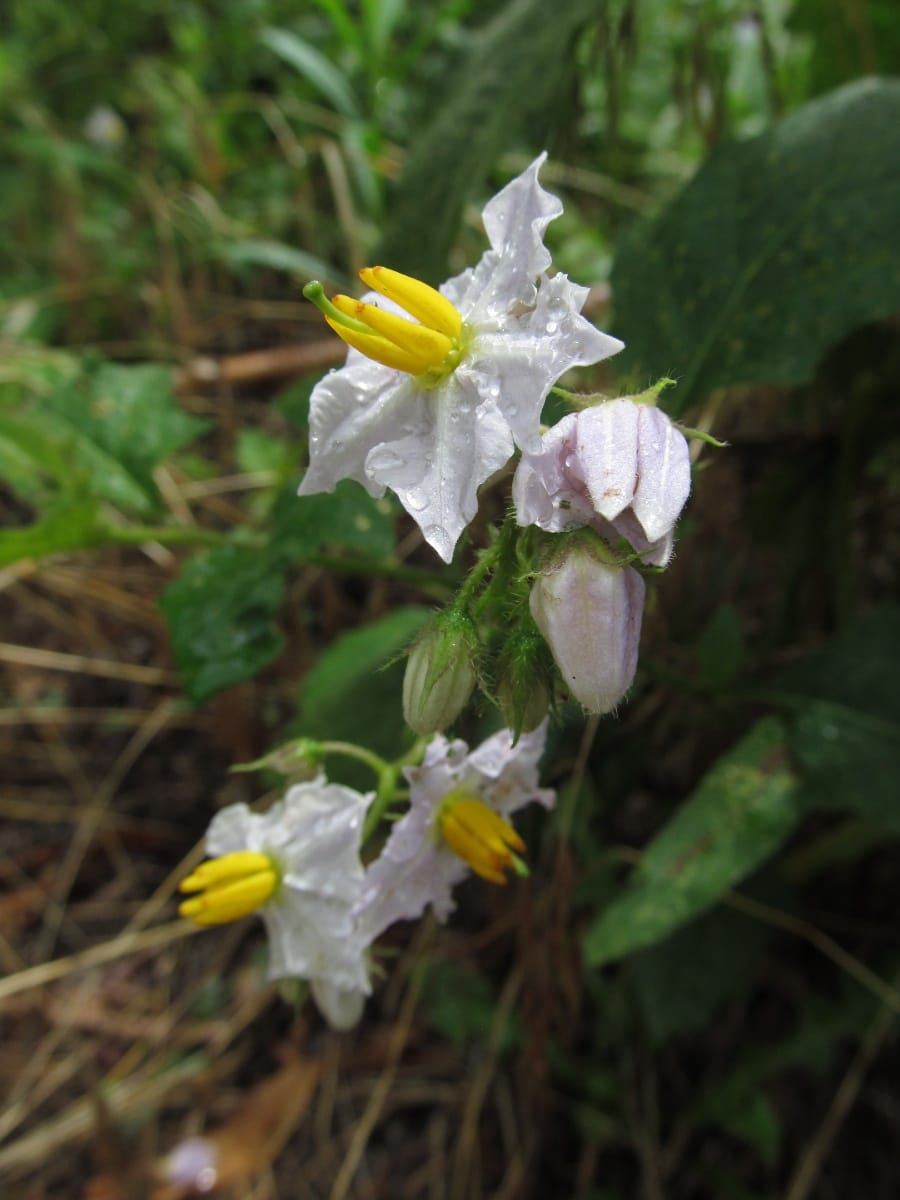
They grew 140 plants and divided them into two groups. Half received a salt solution around their roots, mimicking the conditions plants face in increasingly salty soils, while others received only water. After the treatment, the researchers collected pollen from the younger flowers and measured its sodium and other mineral contents in the laboratory. Finally, they watched the flowers for 30 minutes and recorded how often Bombus bees visited and how many flowers they buzz-pollinated.
They found that increasing soil salinity did not increase the amount of sodium and the potassium-to-sodium ratio in the pollen grains. Furthermore, bees did not avoid salt-stressed plants or change how they used these flowers.
The researchers suggest that this may happen because Solanunm carolinense uses a strategy called sodium exclusion. In simple terms, this means keeping excess sodium from reaching sensitive parts of the plant, such as its pollen. By doing this, the plant may protect its reproductive parts when it grows in salty soils. However, the researchers caution that their experiment could not rule out subtler effects on pollen germination or its ability to fertilise ovules. This is important because salt can affect other plant tissues and change the way plants interact with insects.
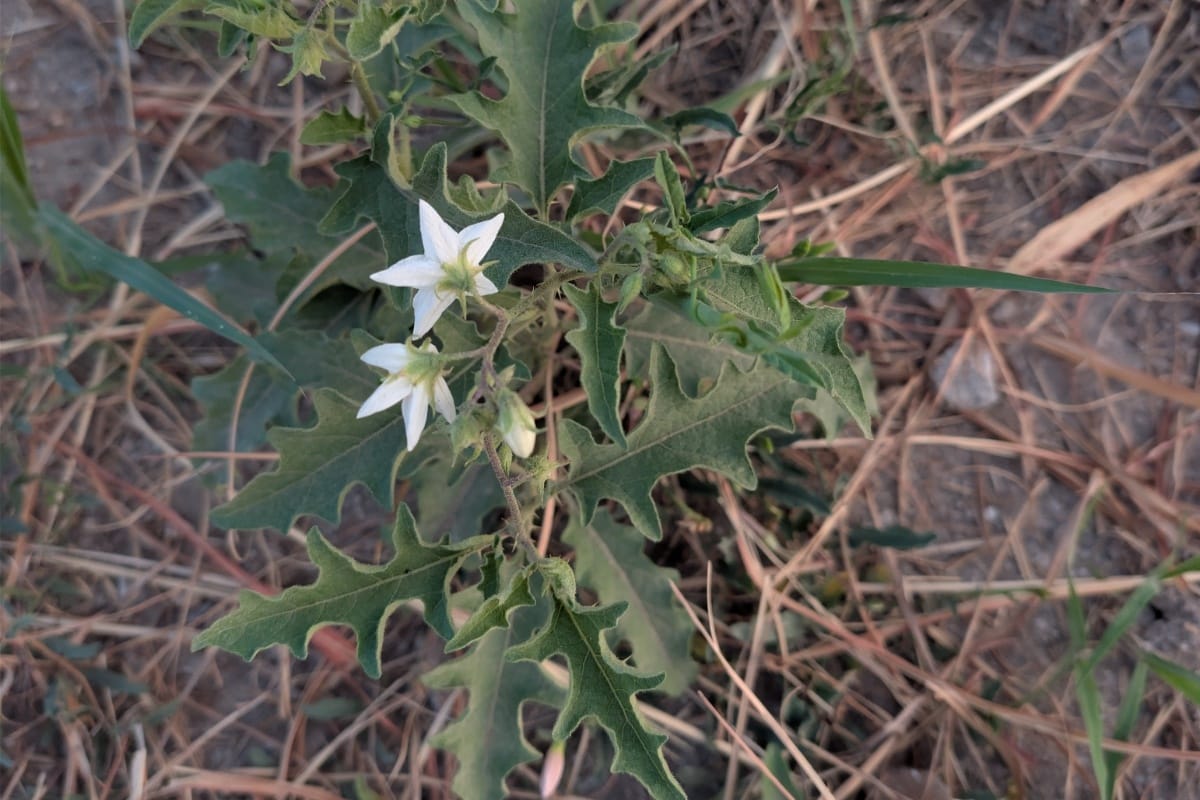
Finally, one factor did stand out. Plants with more flowers attracted more visits, and individual bees visited more flowers on these plants. This suggests that, at least under the conditions of the experiment, the number of open flowers was more important to pollinators than the increase in soil salinity caused by the treatment.
Together, these findings suggest that Solanum carolinense may be relatively resilient to moderate salt stress. This is important because salinisation is increasing in many landscapes. So, it is important to understand not only whether salt pollution affects plants and pollinators, but also which parts of their relationship are affected, which can remain stable, and which plants and pollinators are most likely to cope with a changing world
READ THE ARTICLE:
Bill K, Carr DE. 2026. Soil salinity effects on pollen and pollinator visitation in a buzz‐pollinated glycophyte, Solanum carolinense. American Journal of Botany 113. https://doi.org/10.1002/ajb2.70233
Portuguese translation by Victor H. D. Silva
Cover picture by Kristi Zoebelein (iNaturalist, CC0 1.0).