
Uncategorized
Twitter versus Facebook: July 2016
Our Twitter and Facebook audiences don’t always agree on what they find interesting, but they both agreed that there was a problem in July.

Uncategorized
Our Twitter and Facebook audiences don’t always agree on what they find interesting, but they both agreed that there was a problem in July.
Uncategorized
This month we learn plants can give and they can take away, but both Nature Plants and AoB PLANTS are happy to give.
Uncategorized
We started May with a revolution. I'm taking over from @ajcann as new Weblog Editor for AoB Blog. I'm beyond excited about
Uncategorized
April saw our readers choosing quite different posts on different channels but, as Nigel Chaffey would point out, it’s all inter-connected.
Uncategorized
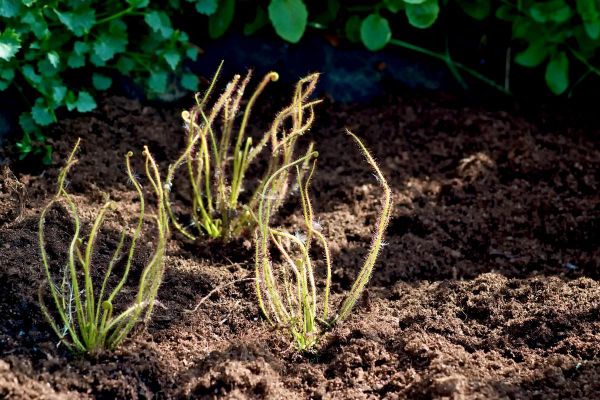
If you want to get a Sundew to feed on its prey, it has to do more than just wriggle.
Uncategorized
March was almost a Nigel Chaffey grand slam. It took something special to stop him taking the most popular post on all our channels.
Uncategorized
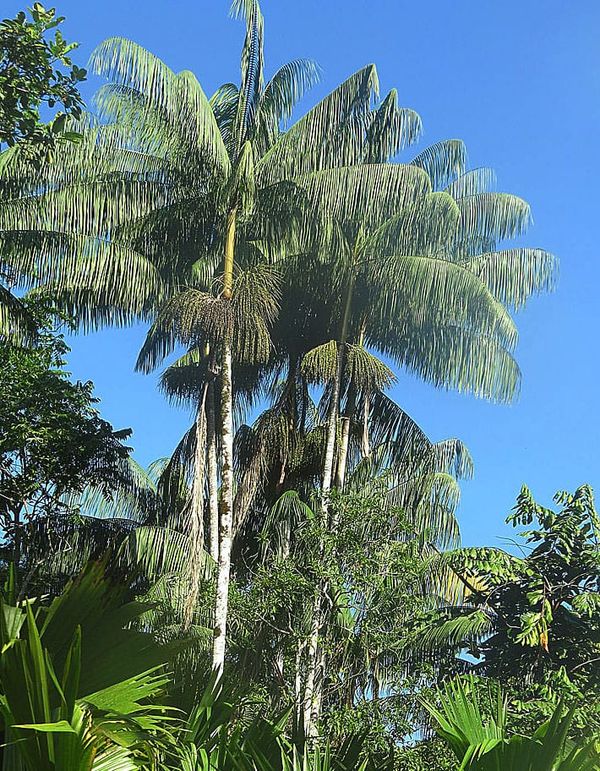
Some of us like to help save the planet. Others prefer to relax. Now a new site at the Zooniverse means armchair botanists can do both as they explore the Amazon rainforest.
Uncategorized
What did you feel the love for around Valentine’s Day? Our look back at Twitter versus Facebook continues…
annals-of-botany
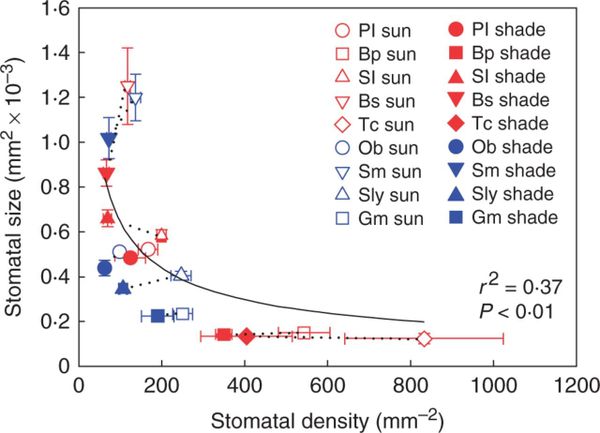
In some woody plants, adjusting leaf size (via epidermal cell size) balances water supply (veins) with transpirational demand (stomata). However, it is unclear whether this is
Uncategorized
This year for our look back at the past twelve months, I’m going to compare what caught the imagination of our Twitter audience with what
Plant Cuttings
You are all forgiven for doing a ‘double-take’ upon reading that headline. Usually it’s all bad news when humans and forests are concerned, so
annals-of-botany
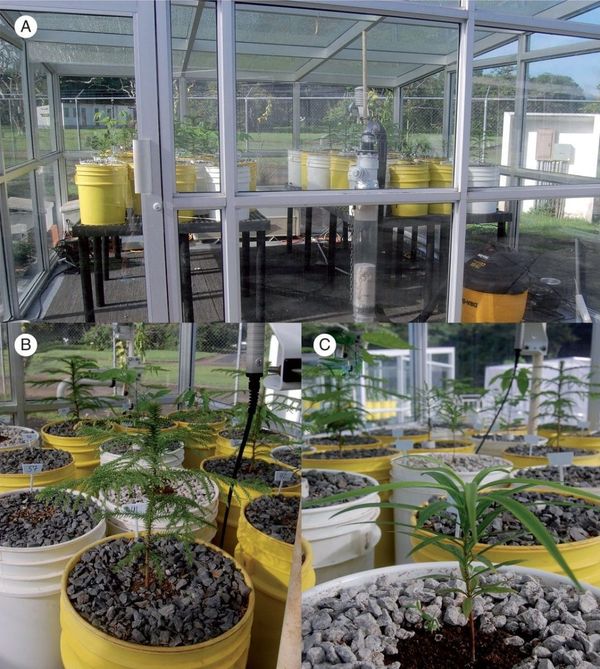
Conifers dominated the lowland tropics 100 million years ago, but have now been largely replaced by angiosperms, coincident with a large decline in atmospheric CO2. Using