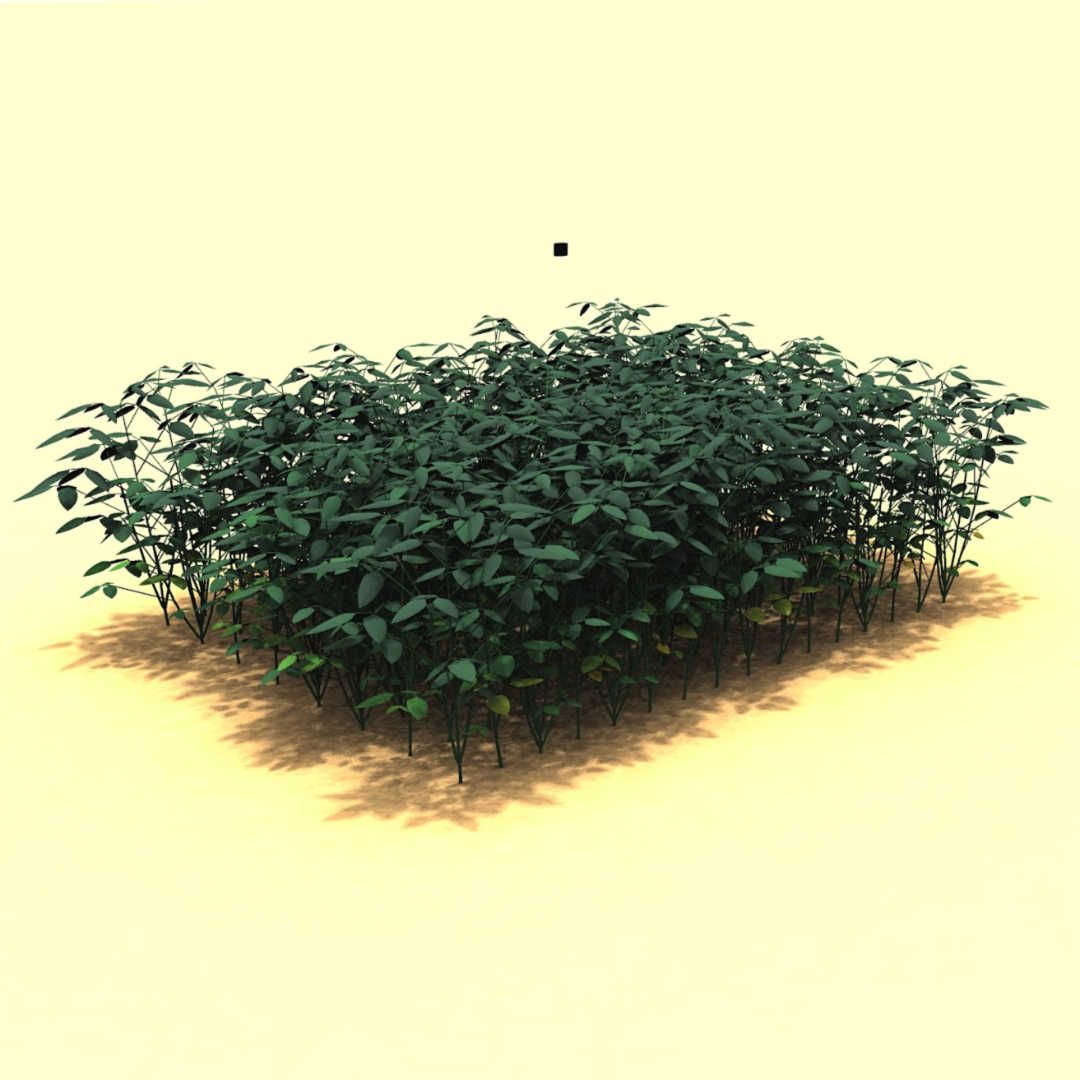
A 3D recreation of a soybean, Glycine max L. Merr., crop canopy generated using a functional-structural plant model in the so
annals-of-botany

Modelling leaf spectral properties in a soybean canopy

https://www.botany.one/modelling-leaf-spectral-properties-in-a-soybean-canopy/

Know someone who'd like this?

Accurate modelling of light–plant interactions requires knowledge on how light interacts with leaves within the canopy, which can be difficult to measure and model in dynamic and heterogeneous canopies. Coussement et al. show that non-destructive, fast measurements of the chlorophyll content index are an accurate predictor for leaf spectral characteristics.
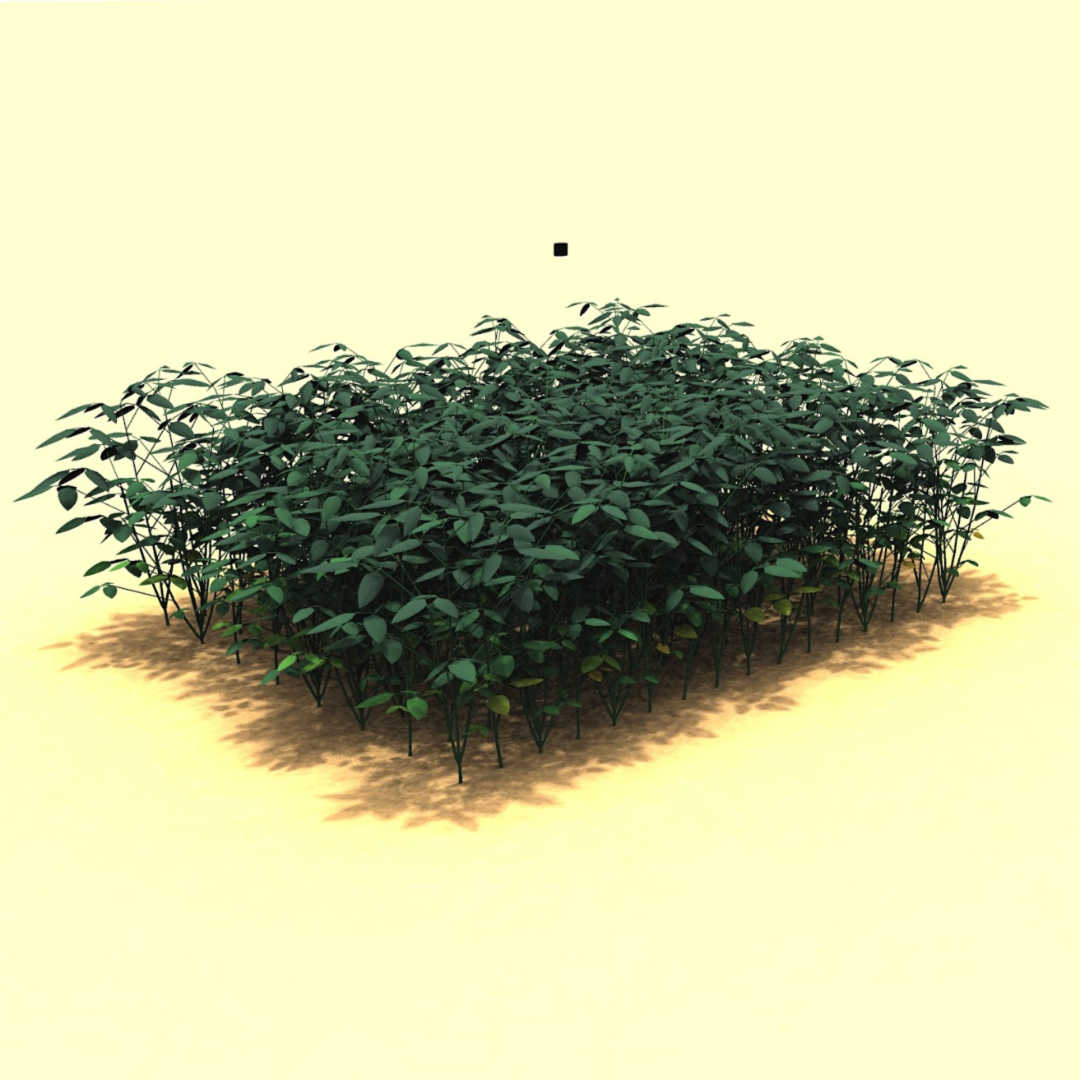
A 3D recreation of a soybean, <em>Glycine max</em> L. Merr., crop canopy generated using a functional-structural plant model in the software GroIMP.
A 3D recreation of a soybean, Glycine max L. Merr., crop canopy generated using a functional-structural plant model in the software GroIMP. It shows the heterogeneity in leaf colour, and hence chlorophyll content index, present in a soybean canopy which influences light conditions. The black box above the canopy is a virtual PAR sensor. A rigorous measurement and modelling approach is required to capture and incorporate such heterogeneity to accurately model light quality and quantity.

They link this index with the parameters in the PROSPECT radiative transfer model and integrated the model in a soybean virtual plant model. This allows them to more accurately describe light conditions within the canopy, which can aid in a better and dynamic understanding of actual perceived light within a canopy.

Liked this article?

Written by

Alex Assiry

Alex Assiry is an editorial assistant in the Annals of Botany Office. When not working, Alex listens for the opportunity to help.

More from this writer

The nonprofit plant magazine

Lab science. Citizen science. Your source for plant science.