
When humans build a city, they fundamentally change the natural world. They choose which plant species grow -- and which don't. As a result, they skew the proportion of native to non-native species within the urban environment. But by how much? Three of our very own Botany One staffers (writers: Andressa Luna, Victor H.D. Silva; editor: Carlos Ordóñez-Parra) and their colleagues have addressed this question as part of a new meta study published in the journal of Landscape and Urban Planning.
“Our global review revealed that urban plant communities are characterized by a near-equal split between native and non-native species, underscoring the profound and widespread influence of human activity in shaping urban floras. This overall trend was consistent across regions and urban habitats, even though some variations occur,” write Luna and colleagues in their paper.
To come to this conclusion, the researchers systematically created a world map of urban native and non-native plant species using the available literature. They found patterns of distribution across 497 localities from 57 countries and calculated the relative proportion of native, non-native and undetermined species at each site.
“Most global studies had suggested that plants found in cities were predominantly native, as they focused mainly on spontaneous and naturalised species,” writes Ms. Andressa Luna, PhD student at Universidade Federal de Minas Gerais, when interviewed by email. “Our article synthesised several studies from urban areas around the world and assessed both spontaneous and cultivated species. By including both groups, we revealed that human planting choices shape the flora of our cities, providing a more comprehensive picture and a reference for sustainable urban planning.”
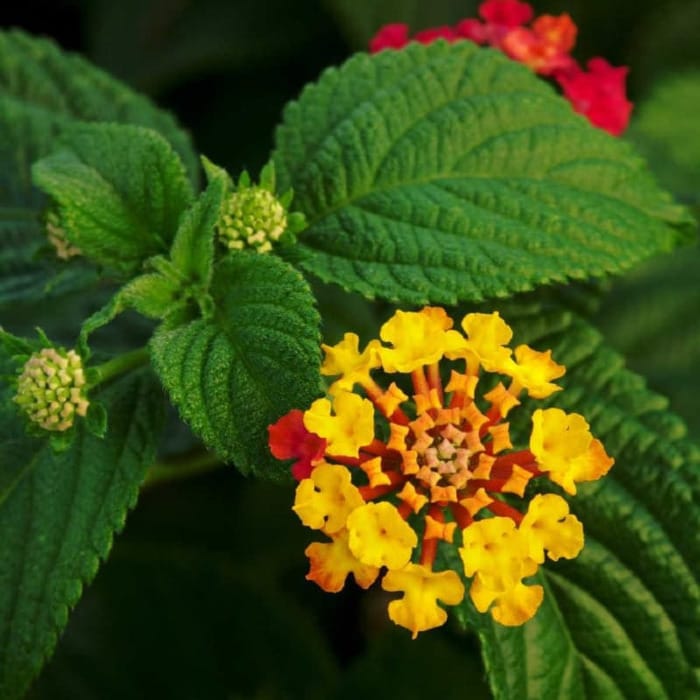
The researchers scaled their analysis to different levels, from small to large: ‘common’ urban areas (streets, university campuses, cemeteries, parks, gardens, green roofs), the 10 most frequently sampled countries in the literature (China, Switzerland, United States, Brazil, Czech Republic, United Kingdom, Denmark, India, Turkey, Mexico), biogeographic area, tropical vs non-tropical, and finally, global.
“Globally, we found that cities harbour an almost equal proportion of native and non-native species,” writes Luna. “It is worth noting that this pattern is influenced by human intervention, with spontaneous urban flora being predominantly native and cultivated flora being predominantly non-native. Furthermore, alarmingly, 19 of the 20 most frequently occurring non-native species worldwide have invasive potential.”
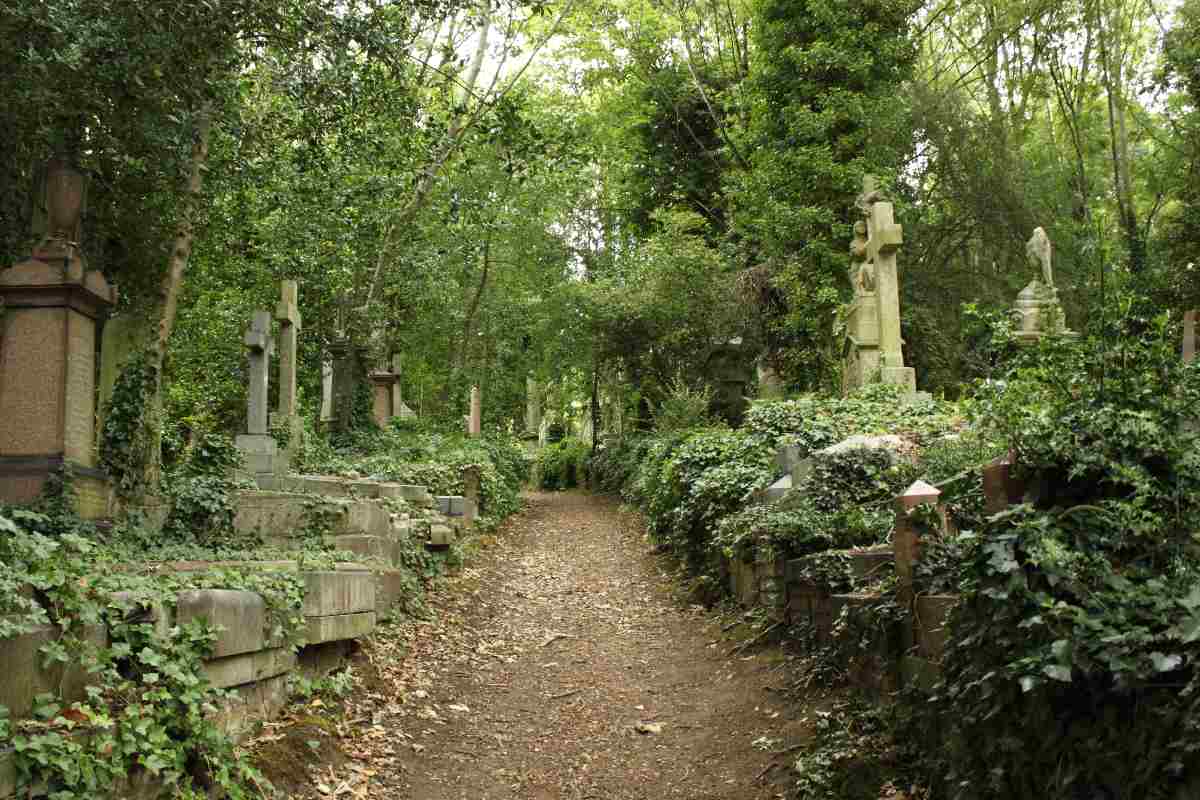
They also examined climate (mean annual temperature) and population density as potential factors influencing native vs non-native ratios. According to Luna, “cities with higher mean annual temperatures have a greater proportion of non-native species, suggesting that global warming may further favour these species.” Population density did not have an effect.
Additionally, they did not find differences in native and non-native distributions between tropical and non-tropical urban areas, but biogeography did make a difference. Urban areas in the Afrotropics and Neotropics had higher proportions of non-native plants than the Palearctic. At the country level, Chinese and Swiss urban areas had a significantly higher proportion of native plants relative to other countries (~15% and 13% respectively). But, Czech Republic had ~33% more non-native plant species in their urban areas. As for common urban areas, city streets favoured native species over non-native by 7%.
Importantly, the most frequently seen non-native species in the study are known to be invasive, which is a cause for concern for urban biodiversity. For example, homogenization of the local flora is linked to increased invasion risk by weedy species and disruptions to local interactions with local fauna.
“Non-native plants may outcompete natives for resources such as space, water and nutrients, as they often exhibit faster growth and efficient resource-use strategies, potentially resulting in the decline of native populations or even local extinctions,” explains Luna and colleagues.
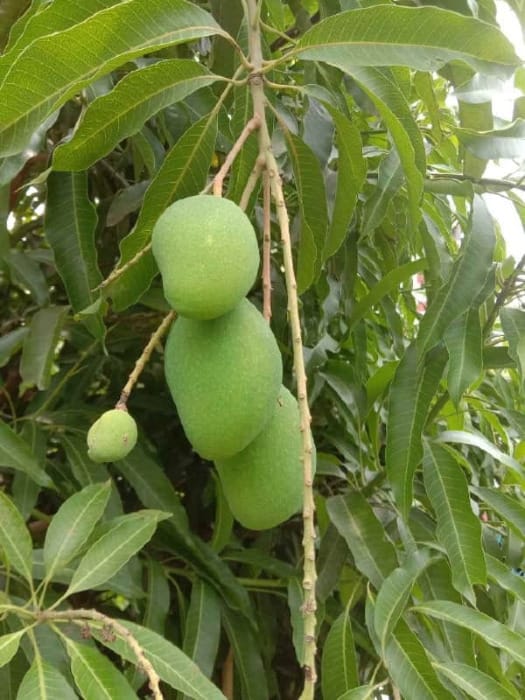
In contrast, native species are beneficial to urban environments because they support higher animal diversity and require less water than non-native species.
Overall, the researchers found 5,231 native species and 3,971 non-native species across the different urban areas. These commonly included species from the Asteraceae, Fabaceae, Rosaceae, Poaceae, Lamiaceae, and Malvaceae families. Common genera were Prunus, Quercus, Carex, Euphorbia, and Ficus.
The non-native species were often introduced to their urban environment intentionally due to aesthetic preferences, ease of management, tolerance to pollution and water scarcity. But they were also introduced unintentionally when environmental factors in urban areas triggered biological invasions.
Overall, Luna and colleagues conclude that humans have a strong influence over the plants found in urban environments both through deliberate planning and their spontaneous establishment via human movement and activities. They also suggest that commercially available plants are easier for urban planners to acquire and therefore structural changes to the landscape architecture supply chain should be considered when setting biodiversity goals.
“Costly planting projects are not always necessary to promote urban biodiversity,” writes Luna. “As spontaneous vegetation is predominantly native, reducing intensive management practices, such as frequent pruning, allows native vegetation to thrive naturally at a low cost while supporting local wildlife. In addition, urban policies need to reshape the landscaping supply chain by encouraging nurseries to produce more heat-tolerant native species, rather than non-native plants with potential invasion risks.”
Until such resources are in place, individual citizens can keep these results in mind when they plant – because our individual choices affect biodiversity for all.
READ THE ARTICLE:
Luna, A., Trevizan, R., Bosenbecker, C., Silva, V., Gomes, I., Ordóñez-Parra, C., Nascimento, B., Anselmo, P., Faria, F., Fonseca, T., Solar, R., Cornelissen, T., and Maruyama, P. (2026) The global prevalence of native and non-native plants in urban areas. Landscape and Urban Planning, 276, pp. 105760. Available at: https://doi.org/10.1016/j.landurbplan.2026.105760.
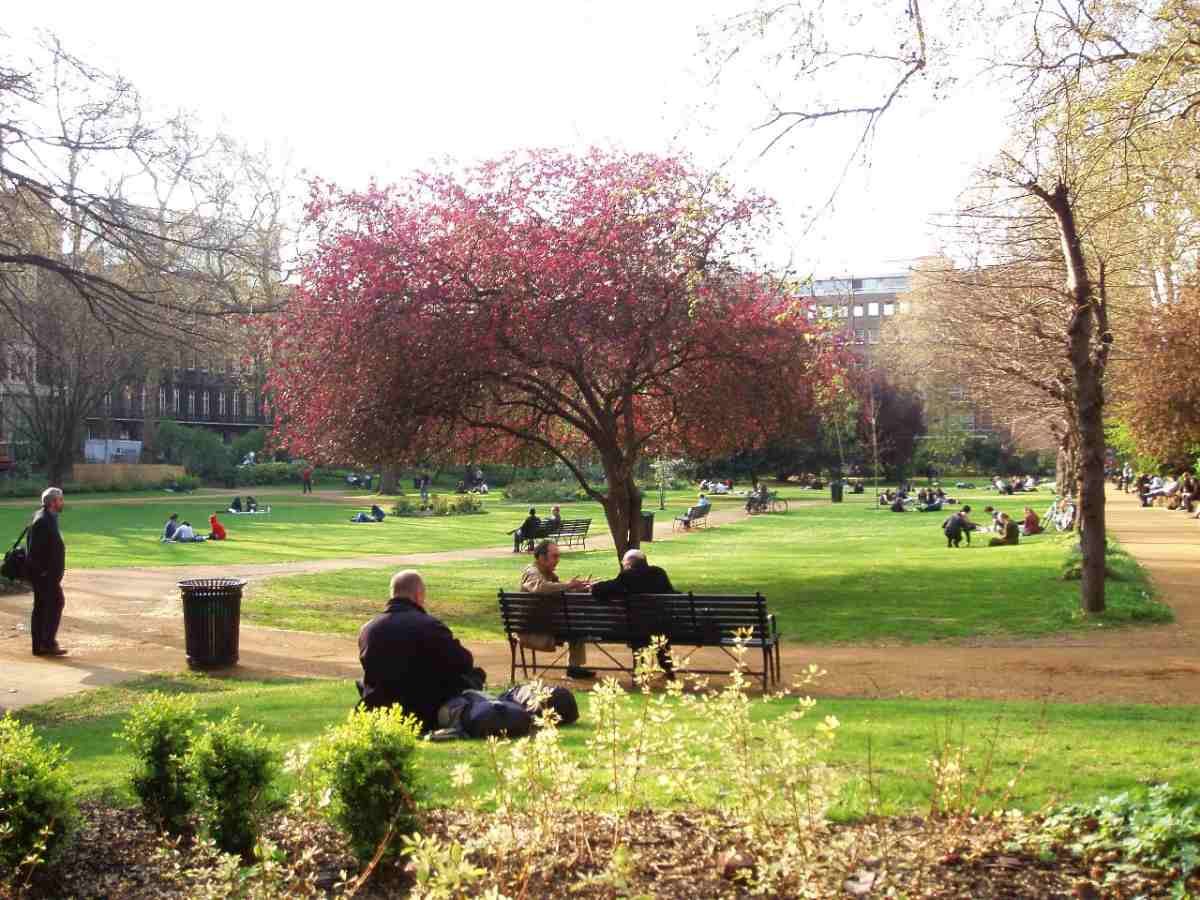
Cover Image: View of the centre of Gordon Square Gardens, London Borough of Camden, United Kingdom. Image by Ewan-M via Wikimedia CC BY-SA 2.0



_from_India.jpg?ref=botany.one)
